
Helens House Appleton

Save

  • Interior

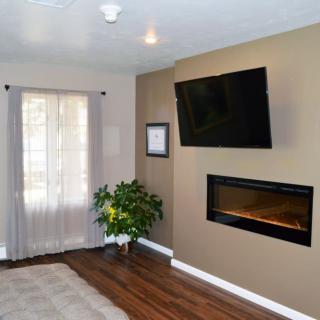
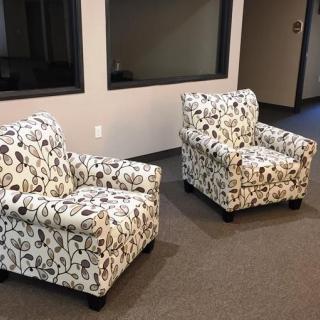
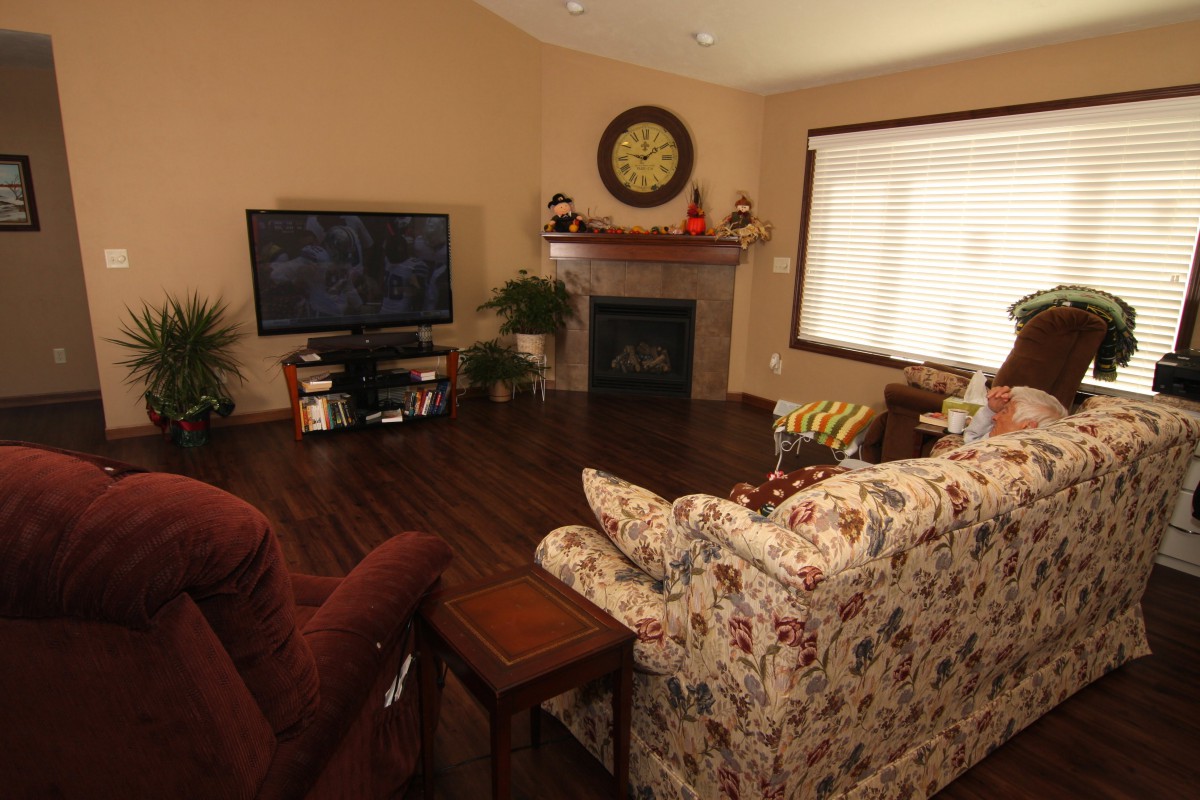
    Cozy living room with a fireplace, television, and floral sofa.
  • Decor

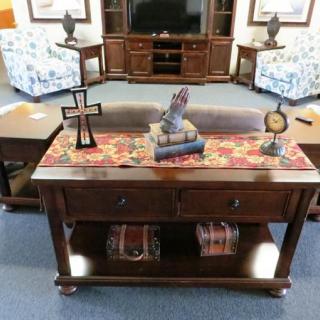
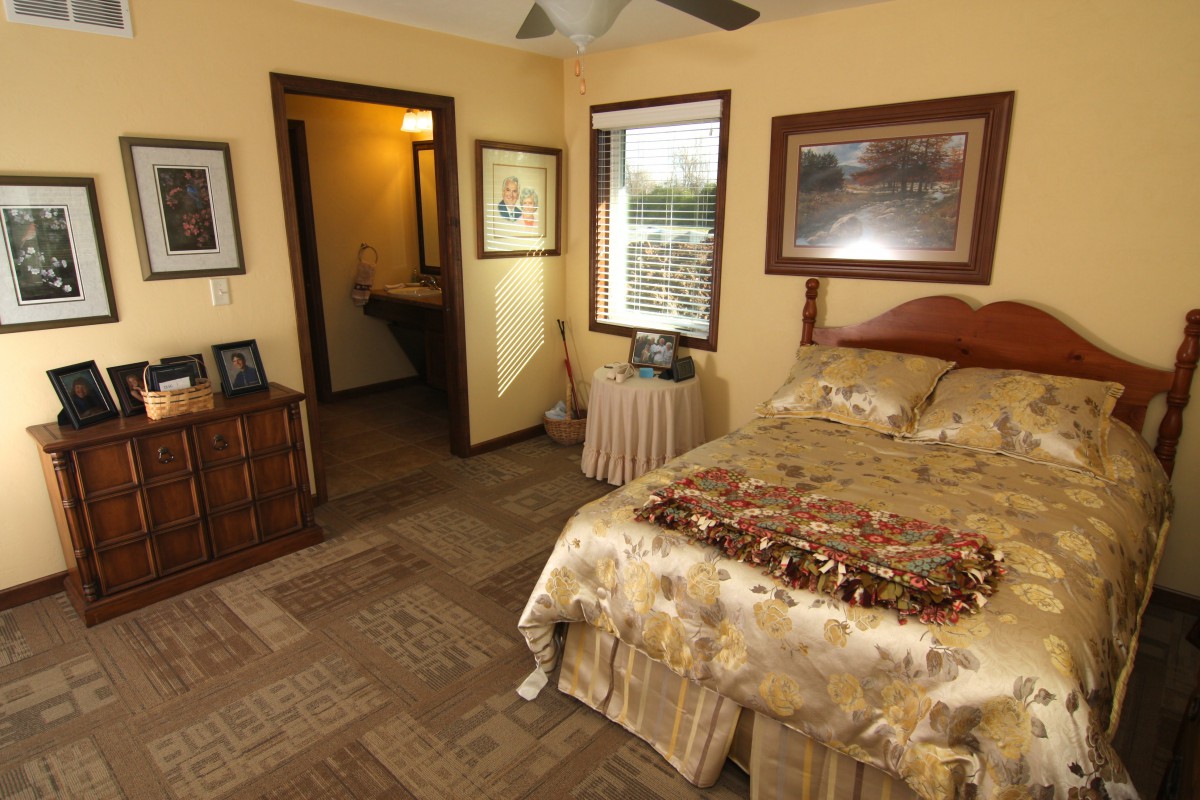
    A cozy bedroom with warm lighting and elegant decor.
  • Living Room

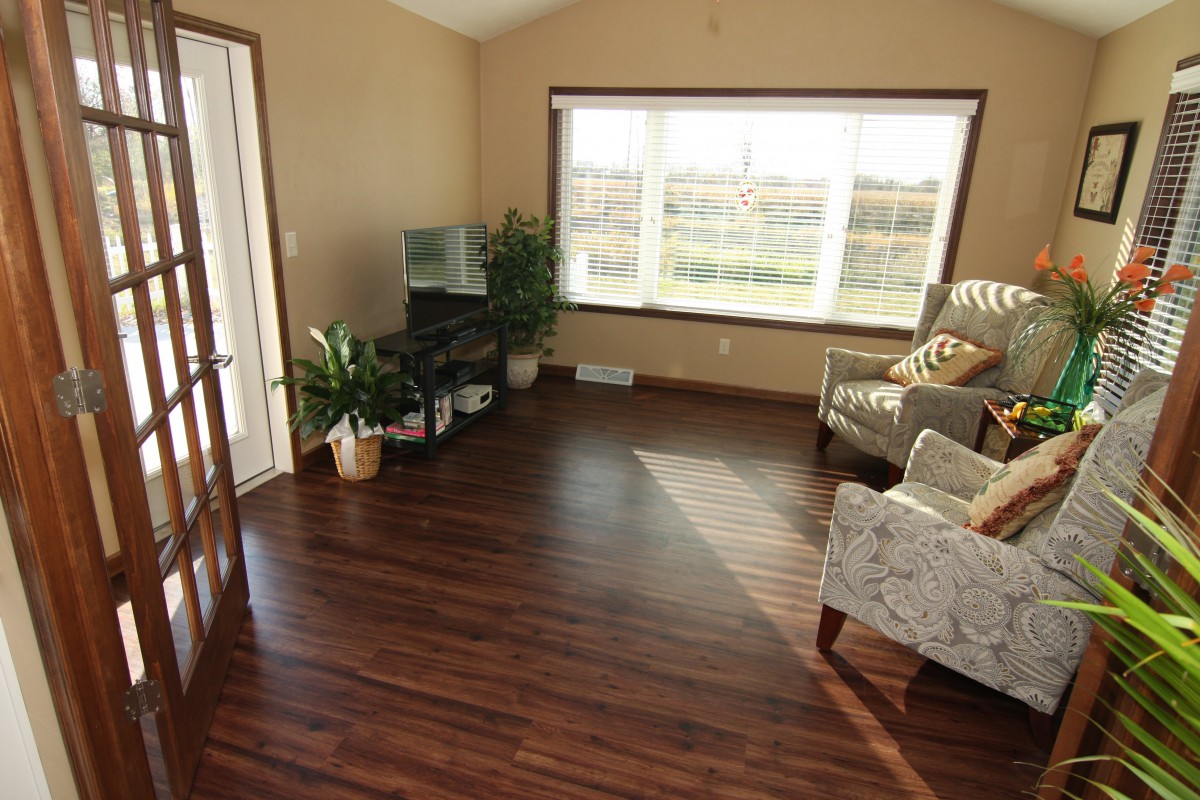
    A cozy living room with hardwood floors, featuring a large window, plants, and comfortable furniture.
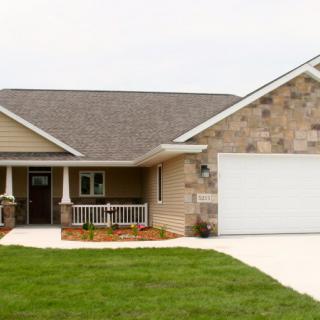
  • Architecture

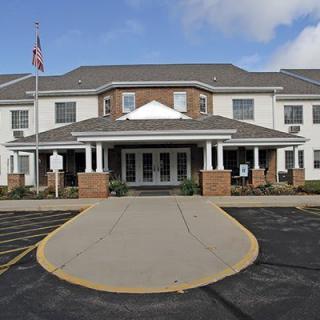
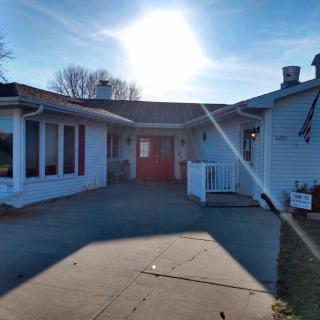
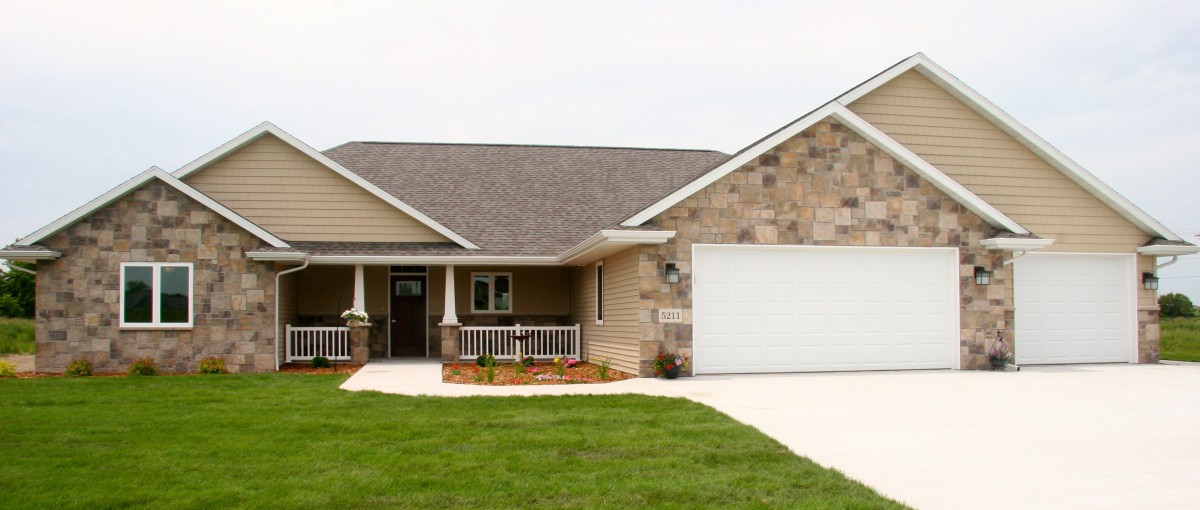
    A suburban house with a front porch and attached garage.
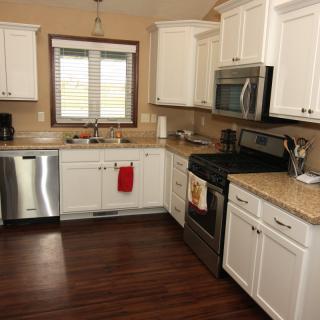
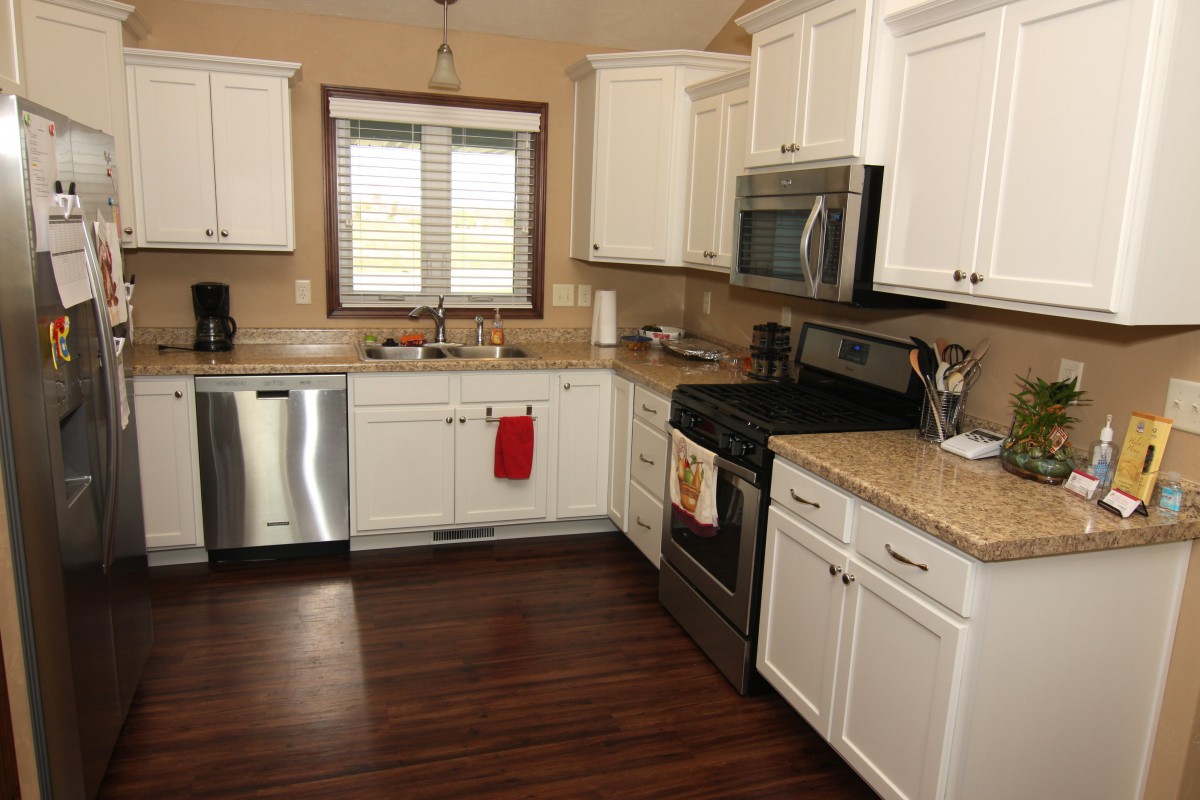
  • Kitchen

    A modern kitchen with white cabinets and stainless steel appliances.
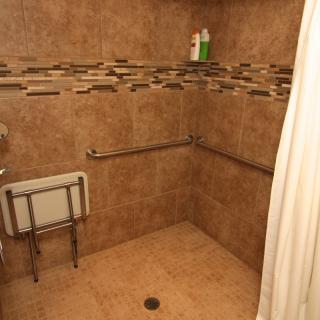
  • Bathroom

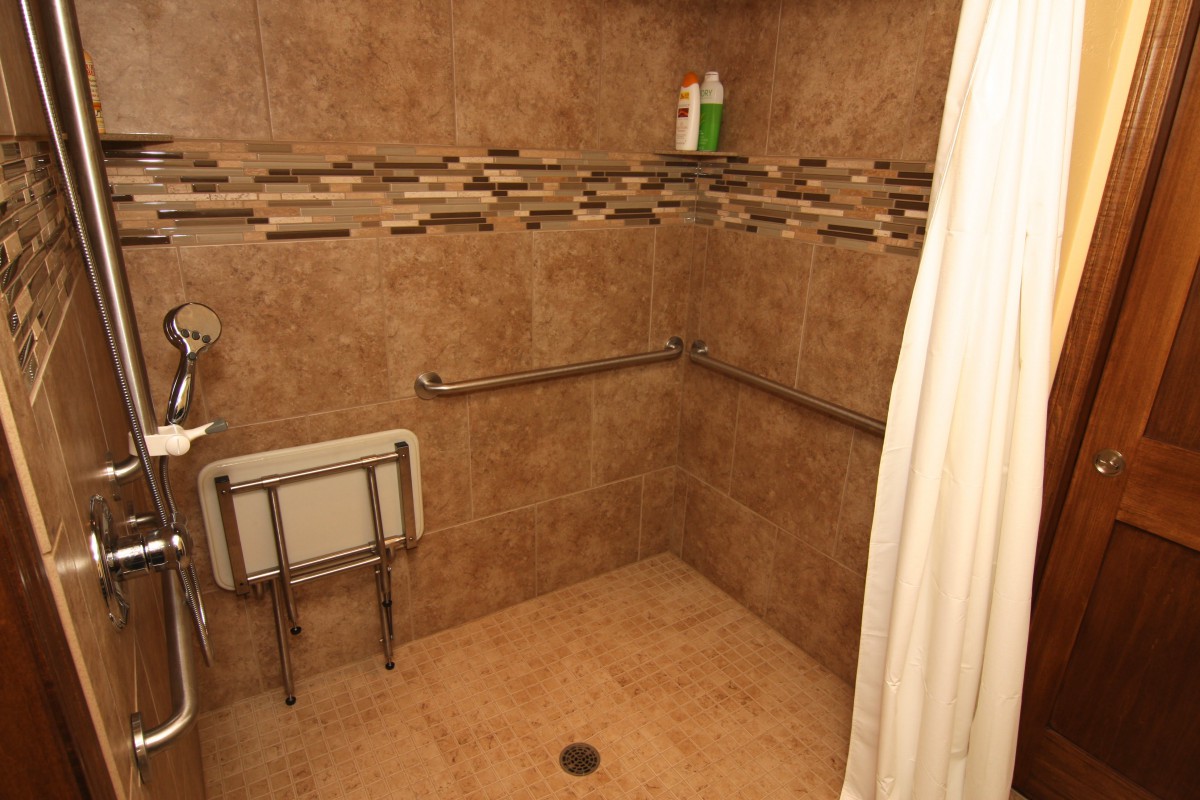
    Accessible shower with grab bars and folding seat.

Helens House Appleton

5211 West Century Farm Boulevard, Appleton, WI 54913

For more information about senior living options: (844) 490-3973

3.8 from 4 reviews
5 stars
2
4 stars
1
3 stars
0
2 stars
0
1 stars
1

Assisted Living Board and Care Home Memory Care

Helens House Appleton Costs & Pricing

At Helens House in Appleton, the monthly costs reflect a premium compared to both Outagamie County and the state of Wisconsin for similar accommodations. Private rooms at Helens House are priced at $5,900, which is slightly higher than the county average of $5,697 and significantly above the state average of $4,339. For one-bedroom accommodations, the cost again stands at $5,900, contrasting sharply with the more affordable options available in Outagamie County and across Wisconsin, which come in at $3,501 and $3,412 respectively. These figures suggest that while Helens House offers potentially enhanced amenities or services justifying its higher rates, prospective residents should consider their budget and care requirements when evaluating their options within the local market.

Floor plansHelens House AppletonOutagamie CountyWisconsin
Private$5,900$5,697$4,339
1 Bedroom$5,900$3,501$3,412

Overall Review of Helens House Appleton

Pros

  • pro The staff at Helen's House treats residents like family.
  • pro The caregivers consistently attend to residents and never ignore them.
  • pro The care at Helen's House is exceptional and highly valued by families.
  • pro The atmosphere at Helen's House feels like home, not a typical assisted-living facility.
  • pro Families are grateful for the high-quality care provided.

Cons

  • pro The caregivers are constantly on Facebook and conversing with people.
  • pro The caregivers should not have access to computer programs meant for entertainment.
  • pro The reviewer would have the caregivers fired.
  • pro The reviewer questions how the caregivers can take care of residents when they are constantly on Facebook.

Review

Helens House Appleton is best suited for families seeking a small, home-like assisted living option where seniors are treated with genuine warmth and daily support comes from caregivers who feel like an extended family. It is ideal for residents who want to escape an institutional feel, prefer intimate surroundings, and value consistent staffing and a strong sense of belonging. This community works well for individuals who need help with routine tasks, medication reminders, and companionship, but do not require intensive medical intervention or highly regimented programming. The setting favors those who prioritize personal attention and a close-knit care team over formal clinical amenities.

The strongest case for Helens House rests on the humane, family-like care and the perceived attentiveness of the staff. Multiple observations describe caregivers who know residents well, respond quickly, and never seem to overlook anyone. Families repeatedly report care that feels exceptional and a home environment that makes the day-to-day experience less like "assisted living" and more like living with trusted caregivers at hand. This translates into calmer, more engaged days for residents and a sense of security for loved ones who can visit and see real, visible investment in their relatives' well-being. The intangible benefits - trust, warmth, continuity - are, in practice, what drives satisfaction here.

There is at least one notable concern raised in the feedback: the perception that staff may be on Facebook constantly during work hours and engaging online rather than focusing on residents. That critique touches legitimate issues around boundaries, privacy, and the potential for distraction to impact supervision and interaction. It signals a need for clear expectations and vigilant management around how technology is used on shift. While the majority of praise centers on personal connection and attentive care, this particular point cannot be dismissed, especially for families guarding against divided attention during crucial moments of daily care.

Still, the pros can meaningfully offset the cons when evaluated against what matters most in a home setting. The intimate, smaller-scale environment makes it easier for administrators to monitor staff behavior and foster consistent, person-centered caregiving. Residents often receive individualized attention because caregivers are not spread across a large campus, and family members report feeling welcome and involved without the impersonality of a bigger facility. If supervision and policy enforcement are strong, the risk of distraction can be mitigated, allowing the genuine advantages - predictable routines, steady familiarity, and proactive engagement - to shine.

For families weighing options, alternative choices should be considered for those with higher medical needs or a requirement for rigorous, structured medical programming. A loved one with complex nursing needs, frequent clinical interventions, or a demand for formal memory-care protocols may find a larger facility with on-site nursing staff and a more defined care continuum more reassuring. Likewise, those who prioritize highly regimented schedules, robust fall-prevention systems, or highly supervised activities with specialized staff may prefer options that emphasize medical oversight over homelike atmosphere.

In deciding, the prudent path is to visit with questions that reveal the true rhythm of daily life. Probe staff-to-resident ratios, confirm who delivers care during each shift, and review how care plans are updated and communicated. Ask about boundaries and policies regarding device use, and request to observe a shift to gauge interaction style and responsiveness firsthand. Speak with current residents or families about consistency, responsiveness, and how the home handles emergencies. Helens House Appleton offers a compelling blend of warmth and attentiveness that can be a superb fit for those prioritizing a family-feel and continuity in daily care, provided expectations about boundaries and medical support align with the loved one's needs.

Features

Housing

  • 4 resident community capacity 4 resident community capacity

Types of Care

  • Assisted Living Assisted LivingAssisted living facilities provide crucial support and care for seniors who may need help with daily tasks such as medication management, bathing, and meal preparation. These communities offer a safe and comfortable environment where seniors can maintain their independence while receiving the assistance they need to thrive in their golden years.
  • Board and Care Home Board and Care HomeBoard and care homes provide a smaller, more intimate setting for seniors who require assistance with daily tasks but do not need the level of care offered by a nursing home. They offer personalized care, meals, and social activities in a homelike environment, ensuring that seniors receive individualized attention and support in their golden years.
  • Memory Care Memory CareMemory care is crucial for seniors as it provides specialized support and services for individuals with dementia or Alzheimer's disease. These programs offer a safe and secure environment where residents receive personalized care, cognitive stimulation, and help with daily activities. Memory care helps seniors maintain their independence, quality of life, and dignity while also providing peace of mind for their families.

Amenities

  • Activities off-site Activities off-siteEngaging in off-site activities is crucial for seniors to maintain social connections, stay active, and stimulate their minds. It promotes overall well-being and helps combat feelings of isolation and loneliness.
  • Activities on-site Activities on-siteActivities on-site are important for seniors because they provide opportunities for socialization, mental stimulation, physical activity, and overall well-being. Engaging in activities can help seniors stay active, maintain their independence, and improve their quality of life.
  • Cable or satellite TV Cable or satellite TVCable or satellite TV is important for seniors because it provides entertainment, news, and companionship, helping to combat loneliness and boredom. It also offers a wide range of programming options tailored to different interests and preferences.
  • Dining room Dining roomDining rooms are important for seniors as they provide a space for socialization, connection, and nutritious meals. They offer opportunities for residents to bond over shared meals, foster a sense of community, and promote healthy eating habits. Dining rooms also ensure that seniors have access to well-balanced meals tailored to their dietary needs and preferences.
  • Fully furnished Fully furnishedFully furnished senior living communities are important for seniors because they provide convenience, comfort, and a hassle-free moving experience. Seniors can easily settle into their new living space without the stress of having to buy and move furniture. This allows them to focus on enjoying their new home and community.
  • Garden GardenGardens are important for seniors as they provide a peaceful and therapeutic environment for relaxation, physical activity, and socialization. Being in nature has been shown to reduce stress, improve mood, and promote overall well-being. Gardens also offer opportunities for seniors to engage in gardening activities, which can improve mobility, flexibility, and cognitive function. Additionally, gardens create a sense of community and connection with others who share a passion for plants and outdoor spaces.
  • Housekeeping services Housekeeping servicesHousekeeping services are important for seniors because they help maintain a clean and safe living environment, promote independence, and reduce the risk of accidents or illnesses. Additionally, having assistance with household chores can alleviate physical strain and allow seniors to focus on other aspects of their well-being.
  • Indoor common areas Indoor common areasIndoor common areas are crucial for seniors as they provide a space for socialization, recreation, and community engagement, promoting overall well-being and reducing feelings of isolation and loneliness.
  • Move-in coordination Move-in coordinationMove-in coordination is important for seniors because it helps ease the transition into their new living environment. It ensures that all logistics, such as packing, organizing movers, and setting up utilities are taken care of, allowing seniors to focus on settling in and adjusting to their new home. Having a smooth move-in process can alleviate stress and anxiety, making the transition smoother and more enjoyable for seniors.
  • Outdoor common areas Outdoor common areasOutdoor common areas are important for seniors as they provide a space for socialization, physical activity, and relaxation. Being outside in nature can improve mood and overall well-being, while also encouraging movement and engagement with others. These spaces can help combat feelings of isolation and promote a sense of community among residents.
  • Outdoor space Outdoor spaceOutdoor spaces are important for seniors as they provide opportunities for physical activity, social interaction, exposure to natural light and fresh air, and a sense of connection to nature. Having access to outdoor spaces can improve overall well-being and quality of life for older adults living in senior communities.
  • Private PrivatePrivacy is important for seniors as it allows them to maintain their independence, dignity, and sense of control over their own lives. It also gives them the space and freedom to relax, reflect, and engage in activities that bring them joy and fulfillment. Creating private spaces within senior living facilities is crucial for promoting overall well-being and quality of life.
  • Private bathrooms Private bathroomsPrivate bathrooms are important for seniors in senior living communities because they provide independence, dignity, and comfort. Having a private bathroom allows seniors to maintain their personal hygiene routines without the need for assistance, promoting a sense of autonomy and privacy. Additionally, private bathrooms help prevent the spread of infections and provide a safe and clean environment for seniors to navigate safely.
  • Respite or short term stays offered Respite or short term stays offeredRespite or short term stays provide seniors with a temporary solution when their regular caregiver is unavailable, offering them the opportunity to receive additional care and support during times of need, while also giving caregivers a chance to rest and recharge.
  • Telephone TelephoneTelephones are important for seniors as they provide a lifeline for communication with loved ones, emergency services, and healthcare providers. They offer a sense of security and independence, enabling seniors to stay connected and access assistance when needed.
  • Wheelchair accessible showers Wheelchair accessible showersWheelchair accessible showers are crucial for seniors as they provide a safe and independent bathing option for those with mobility challenges. These showers help prevent falls and allow seniors to maintain their dignity and autonomy while ensuring they can bathe comfortably.
  • Wi-Fi/high-speed internet available Wi-Fi/high-speed internet availableWi-Fi/high-speed internet is important for seniors to stay connected with loved ones, access online resources, and participate in virtual activities to combat feelings of loneliness and isolation. It also allows them to easily manage healthcare needs, access entertainment, and engage in lifelong learning opportunities.

Transportation

  • Outagamie County Regional (3 miles away) Outagamie County Regional (3 miles away)
  • Austin Straubel International (22 miles away) Austin Straubel International (22 miles away)

Care Services

  • 24-hour supervision 24-hour supervision24-hour supervision is important for seniors to ensure their safety, well-being, and access to immediate assistance in case of emergencies or health issues. This constant support provides peace of mind for both seniors and their loved ones, allowing them to age in place with dignity and security.
  • Activities of daily living assistance Activities of daily living assistanceActivities of daily living assistance are important for seniors because they provide essential support with tasks such as eating, bathing, dressing, and mobility. This assistance helps seniors maintain their independence, dignity, and overall quality of life as they age.
  • Assistance with bathing Assistance with bathingAssistance with bathing is crucial for seniors as it helps maintain personal hygiene, prevents infections, and ensures their overall well-being and comfort. It also provides a sense of dignity and independence for seniors who may struggle with this task on their own.
  • Assistance with dressing Assistance with dressingAssistance with dressing is important for seniors because it helps maintain their independence, promotes personal hygiene, prevents accidents and injuries, and improves overall quality of life. This service ensures that seniors can continue to dress comfortably and confidently, despite any physical limitations they may have.
  • Assistance with transfers Assistance with transfersAssistance with transfers is crucial for seniors as it helps prevent falls and injuries, maintains their independence, and ensures they can safely navigate their living environment. It also provides peace of mind for both seniors and their loved ones.
  • Coordination with health care providers Coordination with health care providersCoordination with health care providers is crucial for seniors to ensure proper medical care, medication management, and overall well-being. This collaboration helps prevent overlapping treatments, track progress more effectively, and provide comprehensive support tailored to individual needs.
  • Dementia waiver Dementia waiverDementia waivers are essential for seniors as they provide critical protections and accommodations for those experiencing cognitive decline. These waivers ensure individuals with dementia receive appropriate care, support, and resources to maintain their quality of life and dignity as they navigate the challenges of this progressive condition.
  • Diabetes diet Diabetes dietA diabetes diet is crucial for seniors as it helps manage blood sugar levels, reduce risks of complications, and improve overall health and well-being. By following a balanced and nutritious diet tailored to their specific needs, seniors can better control their diabetes and enhance their quality of life.
  • Diabetic care Diabetic careDiabetic care is crucial for seniors as they are more susceptible to developing diabetes due to aging and other health conditions. Proper management of diabetes can help prevent complications such as heart disease, vision loss, and nerve damage, improving the overall quality of life for seniors in senior living communities.
  • High acuity care High acuity careHigh acuity care is important for seniors because it provides specialized medical attention and support for individuals with complex medical needs. This level of care ensures that seniors receive the appropriate treatment and assistance to maintain their health and quality of life as they age.
  • Hospice waiver Hospice waiverHospice waivers are important for seniors because they allow individuals to receive specialized end-of-life care and support at home or in a hospice facility. This waiver ensures that seniors can access the necessary resources and services to maintain comfort and dignity during their final days.
  • Incontinence care Incontinence careIncontinence care is essential for seniors to maintain their dignity, hygiene, and overall quality of life. By addressing incontinence issues promptly and effectively, seniors can enjoy a sense of independence and comfort in their daily activities.
  • Meal preparation and service Meal preparation and serviceMeal preparation and service are crucial for seniors as they may have limited mobility or energy to cook nutritious meals. Having access to healthy and convenient food options can ensure they are getting the proper nutrition needed to maintain their overall health and well-being.
  • Medication management Medication managementMedication management is crucial for seniors to ensure they are taking the right medications at the correct dosages and times. This helps prevent adverse drug interactions, reduces the risk of medication errors, and promotes overall health and well-being. Proactive management also allows for adjustments as needed based on changing health conditions or new prescriptions.
  • Mental wellness program Mental wellness programMental wellness programs are essential for seniors as they promote cognitive stimulation, emotional support, and social engagement. These programs help prevent isolation, depression, and cognitive decline, ultimately enhancing the overall quality of life for older adults.
  • Mild cognitive impairment Mild cognitive impairment"Mild cognitive impairment" is important for seniors because it is an early stage of cognitive decline that can potentially progress to more severe conditions such as dementia. Recognizing and addressing mild cognitive impairment can help seniors receive appropriate care and support to maintain their quality of life and independence for as long as possible.
  • Special dietary restrictions Special dietary restrictionsSpecial dietary restrictions are important for seniors because age-related changes in metabolism and health conditions can make it difficult for their bodies to process certain foods. By following a diet tailored to their specific needs, seniors can maintain their overall health and well-being, manage chronic conditions, and reduce the risk of complications such as malnutrition or food interactions with medications.
  • Specialized memory care programming Specialized memory care programmingSpecialized memory care programming is crucial for seniors with cognitive impairments such as dementia or Alzheimer's disease. These programs provide a safe and supportive environment tailored to the unique needs of individuals with memory loss, helping them maintain their independence, dignity, and quality of life.
  • Transportation arrangement (medical) Transportation arrangement (medical)Transportation arrangements for medical purposes are essential for seniors as they may have difficulty driving themselves to appointments or accessing public transportation. Having reliable and safe transportation options ensures that seniors can receive timely medical care and maintain their health and well-being.
  • Transportation to doctors appointments Transportation to doctors appointmentsTransportation to doctors' appointments is crucial for seniors as it ensures they have access to necessary medical care and support for their health needs. Without reliable transportation, seniors may struggle to attend important appointments, leading to potential delays in treatment and health complications. Providing transportation services helps seniors maintain their overall well-being and quality of life.

Dining

  • Diabetes diet Diabetes dietA diabetes diet is crucial for seniors as it helps manage blood sugar levels, reduce risks of complications, and improve overall health and well-being. By following a balanced and nutritious diet tailored to their specific needs, seniors can better control their diabetes and enhance their quality of life.
  • Meals provided Meals provided"Meals provided" are crucial for seniors in assisted living communities as it ensures they have access to nutritious, balanced meals without the stress of meal planning and preparation. This can help promote overall health and well-being for seniors who may have limited mobility or cognitive abilities.
  • Special dietary restrictions Special dietary restrictionsSpecial dietary restrictions are important for seniors because age-related changes in metabolism and health conditions can make it difficult for their bodies to process certain foods. By following a diet tailored to their specific needs, seniors can maintain their overall health and well-being, manage chronic conditions, and reduce the risk of complications such as malnutrition or food interactions with medications.

Activities

  • Activities off-site Activities off-siteEngaging in off-site activities is crucial for seniors to maintain social connections, stay active, and stimulate their minds. It promotes overall well-being and helps combat feelings of isolation and loneliness.
  • Activities on-site Activities on-siteActivities on-site are important for seniors because they provide opportunities for socialization, mental stimulation, physical activity, and overall well-being. Engaging in activities can help seniors stay active, maintain their independence, and improve their quality of life.
  • Community-sponsored activities Community-sponsored activitiesCommunity-sponsored activities are important for seniors as they provide opportunities for social interaction, mental stimulation, and physical activity. These activities can help improve overall well-being, combat loneliness and isolation, and promote a sense of belonging and purpose among older adults.
  • Scheduled daily activities Scheduled daily activitiesScheduled daily activities are important for seniors because they provide structure, socialization, mental stimulation, and physical activity. Engaging in regular activities can improve overall well-being and quality of life for seniors living in a community setting.

Description

Helen's House Appleton in Appleton, WI is an assisted living community that offers board and care home as well as memory care services. Our well-appointed facility provides a comfortable and welcoming environment for seniors in need of assistance with daily living activities or those facing memory challenges.

At Helen's House, we understand the importance of maintaining an active and engaging lifestyle. That’s why we offer a variety of on-site activities to keep our residents entertained and fulfilled. From group exercises to arts and crafts, there is something for everyone to enjoy. Residents can also relax in our beautiful garden or indoor common areas, fostering opportunities for socialization and relaxation.

Our fully furnished private rooms are designed to provide a comfortable space where residents can feel at home. Each room comes equipped with modern amenities such as cable or satellite TV, Wi-Fi/high-speed internet, and private bathrooms with wheelchair accessible showers.

We prioritize the health and well-being of our residents by offering comprehensive care services. Our compassionate staff provides assistance with bathing, dressing, transfers, and medication management. We also coordinate with healthcare providers to ensure that each resident receives personalized care tailored to their specific needs.

Nutrition plays a vital role in maintaining overall health. At Helen's House, we provide delicious meals prepared according to special dietary restrictions if necessary. Additionally, our dining room creates an inviting ambiance where residents can enjoy their meals together.

Our convenient location offers easy access to various amenities in the surrounding area. With cafes, parks, pharmacies, physicians' offices, restaurants, transportation options nearby, residents have plenty of options for entertainment and errands.

Whether you or your loved one require short-term respite care or specialized memory care programming, Helen's House Appleton strives to offer individualized support and exceptional service in a warm and caring environment.

Nearby Places of Interest

This part of Appleton, Wisconsin offers a convenient location with various healthcare services nearby, including physicians, pharmacies, and hospitals within a few miles. The area also provides easy access to transportation options such as Appleton International Airport for any travel needs. Residents can enjoy dining out at a variety of restaurants ranging from fast food to casual dining options, as well as cafes for coffee lovers. For leisure activities, there are theaters nearby for entertainment and several parks for outdoor relaxation. Overall, this neighborhood provides a mix of amenities and services that could meet the needs of seniors looking for a comfortable and accessible living environment.

Physicians

  • Woodland Surgery Center (1.3 miles)
  • Bellin Health Generations (1.6 miles)
  • Sullivan Eye Center Sc (2 miles)
  • Ramos, Shiloh John H Bradley Va Community Based Outpatient Clinic (2.1 miles)
  • Dr. Nick Hafeman (2.1 miles)
  • Pearl Vision (2.3 miles)
  • Aascend Pain Institute (2.4 miles)

Restaurants

  • McDonald's (1.4 miles)
  • The Shop Bar And (1.5 miles)
  • El Agave Mexican Grill (1.6 miles)
  • Olive Garden (1.9 miles)
  • Cheddar's Scratch Kitchen (1.9 miles)
  • P.F. Chang's China Bistro (2 miles)
  • Qdoba Mexican Eats (2 miles)

Pharmacies

  • Walgreens (1.8 miles)
  • Omnicare (2.1 miles)
  • CVS Pharmacy (2.2 miles)
  • Pick 'n Save Pharmacy (2.7 miles)
  • Consumer Prescription Center (3.4 miles)
  • Walgreens (3.5 miles)
  • Home Town Pharmacy (3.8 miles)

Cafes

  • Starbucks (2 miles)
  • Starbucks (2.9 miles)
  • Starbucks (3.6 miles)
  • Copper Rock Coffee (4.6 miles)

Theaters

  • Hollywood Cinema Appleton, Wi (2.6 miles)

Hospitals

  • Valley Thermography (2.7 miles)
  • Appleton Medical Center (4.8 miles)
  • Icu (4.8 miles)

Transportation

  • Appleton International Airport (ATW) (3 miles)
  • Atw Bagage Claim (3 miles)
  • Platinum Flight Center (3.8 miles)

Parks

  • Greenville Lions Park (3 miles)
  • Erb Park (4.4 miles)
  • Pierce Park (4.5 miles)
  • Alicia Park (4.7 miles)
  • Jones Park (4.7 miles)

Places of Worship

  • First United Methodist Church (4.8 miles)

Frequently Asked Questions

How much does it cost to live at Helens House Appleton in Appleton, WI?
Where is Helens House Appleton?
Does Helens House Appleton provide care for residents with dementia or Alzheimer's disease?
What photos are available for Helens House Appleton in Appleton, Wisconsin?

Nearby Communities

  • The Gardens Adult Family Home

    The Gardens Adult Family Home

    Appleton, WI


    pro Intimate 4-bed, homelike setting with personalized memory-care and 24/7 supervision.

  • The Gardens Adult Family Homes

    The Gardens Adult Family Homes

    Appleton, WI


    pro Intimate 4-bed setting with comprehensive care, on-site dining, housekeeping, and outdoor space.

  • Carolina Assisted Living

    Carolina Assisted Living

    Appleton, WI

    4.2 from 53 reviews
    $4,800 / month

    pro Friendly staff with engaging activities and a clean dining area.

  • Silverstone Memory Care

    Silverstone Memory Care

    Grand Chute, WI


    pro Specialized memory care with 24/7 supervision, tailored programming, and comprehensive support.

  • Brewster Village

    Brewster Village

    Appleton, WI

    4.9 from 22 reviews
     

    pro Compassionate staff, clean and spacious private rooms with bathrooms, and engaging activities.

  • The Courtyard

    The Courtyard

    Appleton, WI

    4.5 from 22 reviews
    $586 / month

    pro Friendly staff and a warm, welcoming community.

  • Heartwood Homes Senior Living

    Heartwood Homes Senior Living

    Appleton, WI

     
    $4,400 / month

    pro Vibrant community with extensive activities and personalized care (including pool, devotional services, and diabetic/incontinence support).

  • Senior Helpers - Appleton,  WI

    Senior Helpers - Appleton, WI

    Appleton, WI

    4.7 from 32 reviews
     

    pro Caring, skilled caregivers with flexible meal/dining options.

  • Country Terrace Appleton

    Country Terrace Appleton

    Appleton, WI

    5 from 1 review
     

    pro Specialized memory care with 24/7 supervision and coordinated healthcare.

Related Resources

  • caregiver support group22 Remarkable Caregiver Support Groups Available Online and In-Person

    Caregiver support groups are crucial for providing emotional and practical assistance to those caring for loved ones, offering resources, coping strategies, and a sense of community through various organizations and platforms. These groups help alleviate isolation and burnout while addressing the unique challenges faced by caregivers of individuals with specific conditions.

  • does medicaid pay for assisted livingUnderstanding Medicaid Coverage for Assisted Living: A Comprehensive Guide

    The guide outlines the complexities of Medicaid coverage for assisted living, highlighting significant state-to-state variations, limited coverage often restricted to personal care services, and the existence of specialized waivers for certain needs like memory care. It advises families to consult local Medicaid offices for options while emphasizing the importance of understanding state-specific regulations and facility policies.

  • does medicaid pay for assisted livingHow and When Medicaid May Cover Assisted Living Costs
    Medicaid coverage for assisted living varies by state and is primarily available to low-income individuals, with eligibility dependent on strict income and asset limits. Some states offer HCBS waivers for specific services in assisted living, but families must generally cover room and board costs, and should verify facility acceptance of Medicaid while considering potential waiting lists.