Wellington Place at Hartford offers competitive pricing for its residents, particularly in comparison to both Washington County and the broader state of Wisconsin. For a semi-private room, residents can expect to pay $3,090 per month, which is significantly lower than the county average of $3,809 and the state average of $3,977. This represents a cost-effective choice for those seeking shared accommodations. Additionally, for studio apartments priced at $4,020 monthly, Wellington Place remains reasonably aligned with regional costs when juxtaposed with Washington County's average of $4,386; however, it offers a more attractive alternative compared to the state average of $3,999. Overall, Wellington Place at Hartford presents itself as an affordable yet appealing option within the local landscape of assisted living facilities.
Floor plans
Wellington Place at Hartford
Washington County
Wisconsin
Semi-Private
$3,090
$3,809
$3,977
Studio
$4,020
$4,386
$3,999
Memory care communities with a similar price nearby
Residents and families repeatedly describe attentive, caring staff.
Multiple reviewers say the staff are caring, engaged, and professional, and that their loved ones feel safe and well supported. Several families mention fast communication when they had questions, along with reassurance that residents are “in excellent hands.” A few reviewers also contrast their experience here with other facilities they’ve seen, emphasizing time and understanding with residents and families.
common9 reviews mention this
Clean, updated, well kept
Many residents describe a facility that stays very clean.
Cleanliness and upkeep come up often, with reviewers calling the facility clean and well maintained. Several also note updates or an updated feel, and families mention the environment as both comfortable and well kept. Reviewers pair cleanliness with feeling confident about care and daily life there.
differentiator5 reviews mention this
Dining gets strong positive remarks
Dining stands out, with residents enjoying the meals.
Reviews frequently mention meals as a strength, including home-cooked style food and a dining room residents can enjoy. Families also describe good food quality and a menu their loved ones like. The community offers meals and includes vegetarian options, which fits the consistent theme around food satisfaction.
common8 reviews mention this
Activities and family-style community
Residents and families highlight engaging activities throughout the day.
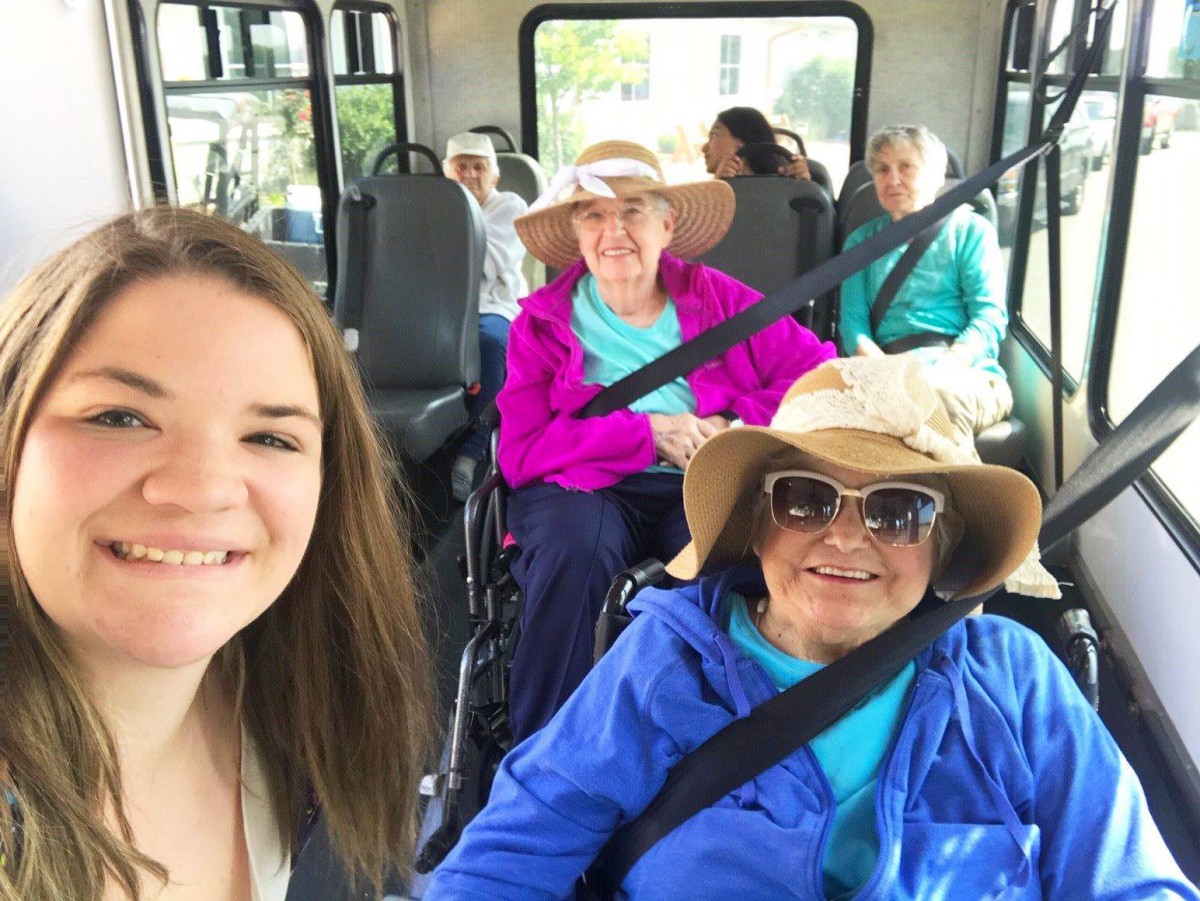
A recurring theme is that residents stay involved, with many reviewers describing frequent activities, clubs, and group gatherings. Several mention outings and participation in things like arts and crafts, holiday baking, and physical activities. Multiple families also describe a family-like atmosphere where residents build friendships and feel included with more than just their own household.
differentiator2 reviews mention this
Memory care support for dementia
Residents describe staff working well with dementia.
Two reviews specifically mention dementia, saying staff make efforts to work with residents’ needs and routines. One family emphasizes that the care approach supports a resident’s mental well-being, while another highlights staff helping manage dementia day to day. The community also offers memory care and includes hands-on care services like incontinence care and medication management.
How we summarize
Counts show how many written reviews mention each theme; a review can touch several themes, and only frequently mentioned themes are displayed.
Features
Types of Care
Assisted Living
Memory Care
Amenities
Activities off-site
Activities on-site
Beautician on-site
Devotional services off-site
Devotional services on-site
Ground floor units
Indoor common areas
Outdoor common areas
Respite or short term stays offered
Wheelchair accessible showers
Care Services
Ambulatory care
Diabetic care
High acuity care
Incontinence care
Medication management
Dining
Meals provided
Vegetarian
Activities
Art classes
Catholic services
Cooking classes
Day trips and outings
Devotional activities offsite
Devotional activities on-site
Educational speakers / life long learning
Happy hour
Karaoke
Live dance or theater performances
Live musical performances
Other religious services
Nearby Places of Interest
Located in Hartford, Wisconsin, this area offers a variety of healthcare options for seniors, including Aurora Nephrology and Grand Avenue Dental Care within a short distance. There are also pharmacies such as Walgreens and Walmart Pharmacy nearby for easy access to medications. For dining options, residents can enjoy a range of restaurants like Culver's and Uncle Larrys Rustic Inn. If you're looking to relax outdoors, parks like Pike Lake State Park and Independence Park are ideal for leisurely walks or picnics. Additionally, there are places of worship such as St Kilians Catholic Church for spiritual needs. Transportation services like West Bend Taxi are available for convenient travel around the area. With numerous amenities and healthcare facilities in close proximity, this neighborhood provides a comfortable and convenient environment for senior living.
Physicians
Aurora Nephrology (0.3 miles)
Grand Avenue Dental Care (2.1 miles)
Aurora Health Center (4.1 miles)
Vince Lombardi Cancer Clinic (4.1 miles)
Luiza-Irina N. Florescu MD (4.1 miles)
Kopesky Daniel MD (4.1 miles)
Froedtert & the Medical College of Wisconsin Cancer Network (7.9 miles)
Pharmacies
Aurora Pharmacy (0.3 miles)
Walgreens (0.5 miles)
Prescription Analytics (1 miles)
Walmart Pharmacy (2.6 miles)
Aurora Pharmacy (4.1 miles)
Walgreens (8.8 miles)
West Bend Pharmacy (9.1 miles)
Restaurants
Culver's (0.4 miles)
McDonald's (0.4 miles)
Uncle Larrys Rustic Inn (0.9 miles)
The Mineshaft Restaurant (1.5 miles)
Pour House (1.5 miles)
Jim's Place (3.2 miles)
Little Red Inn (3.3 miles)
Cafes
Starbucks (0.4 miles)
Perc Place (1.6 miles)
Starbucks (9.8 miles)
Panera Bread (10 miles)
Hospitals
Hartford Memorial Hospital (0.8 miles)
Aurora Medical Center (0.8 miles)
Hartford Memorial Hospital Aurora Health Care (0.8 miles)
Integrated Repair & Information Services (3.7 miles)
Froedtert Jackson Health Center (8 miles)
Froedtert West Bend Health Center (9.1 miles)
St Joseph's Community Hospital (10.1 miles)
Parks
Pike Lake State Park (1.5 miles)
Independence Park (1.6 miles)
Woodlawn Union Park (2 miles)
Erin Soccer Park (4.7 miles)
Richfield Nature Park (7.5 miles)
Washington County Fair Park & Conference Center (8.5 miles)
Wellington Place at Hartford offers competitive pricing for its residents, particularly in comparison to both Washington County and the broader state of Wisconsin. For a semi-private room, residents can expect to pay $3,090 per month, which is significantly lower than the county average of $3,809 and the state average of $3,977. This represents a cost-effective choice for those seeking shared accommodations. Additionally, for studio apartments priced at $4,020 monthly, Wellington Place remains reasonably aligned with regional costs when juxtaposed with Washington County's average of $4,386; however, it offers a more attractive alternative compared to the state average of $3,999. Overall, Wellington Place at Hartford presents itself as an affordable yet appealing option within the local landscape of assisted living facilities.
Wellington Place at Hartford's medication management system ensures that residents receive their prescribed medications on time and in the correct dosage, which is crucial for maintaining their overall health and stability, especially for those with dementia or Alzheimer's disease who may have difficulty remembering to take their medications independently. This structured approach minimizes the risk of missed doses or adverse reactions, promoting better cognitive function and overall well-being. Additionally, the facility provides sensitive incontinence care that respects the dignity of residents while addressing a common challenge faced by individuals with cognitive impairments. By offering discreet assistance and ensuring personal hygiene, Wellington Place creates a supportive environment that reduces anxiety and helps residents maintain comfort, allowing them to focus on social engagement and day-to-day activities without added concerns.
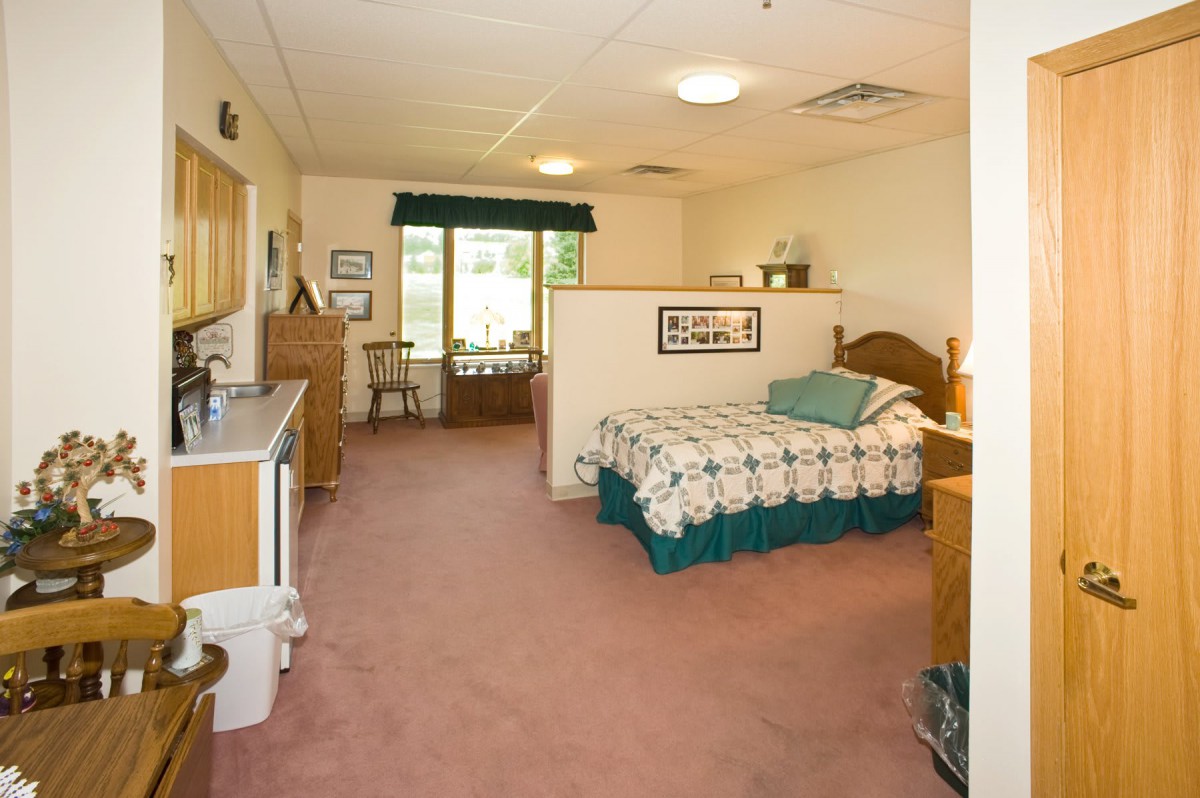
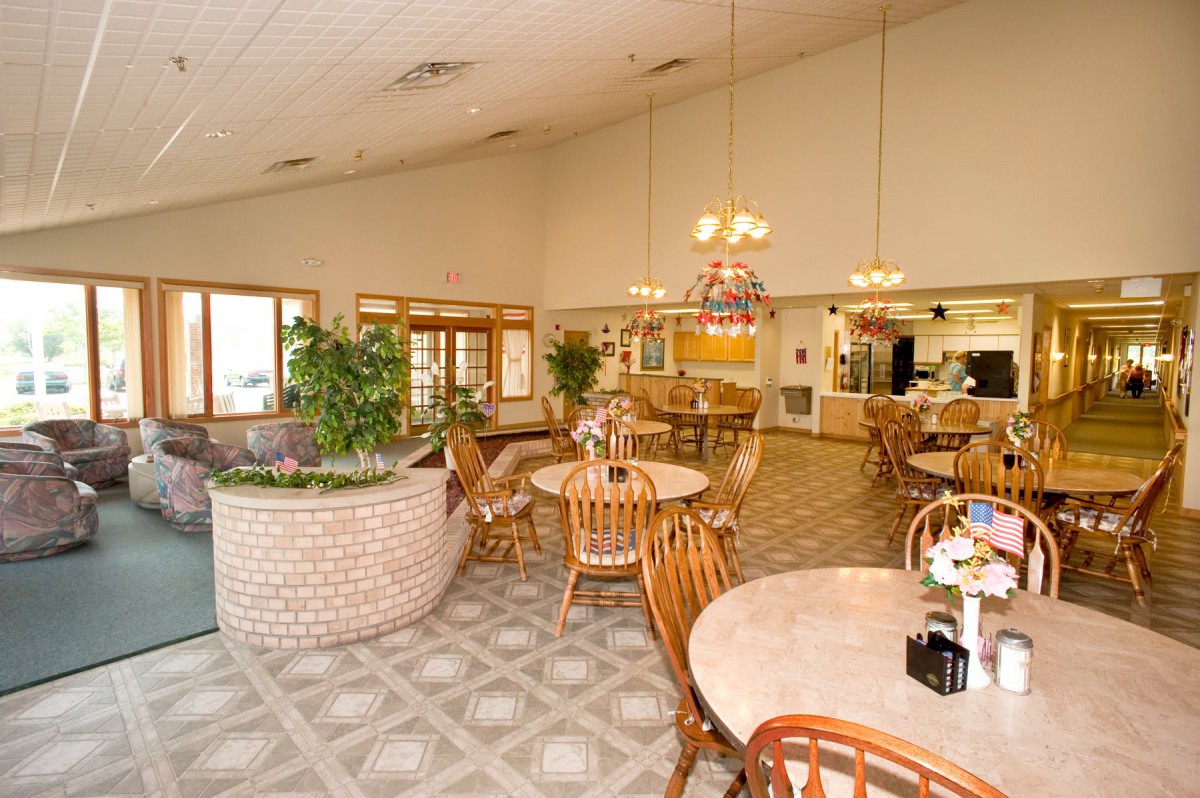
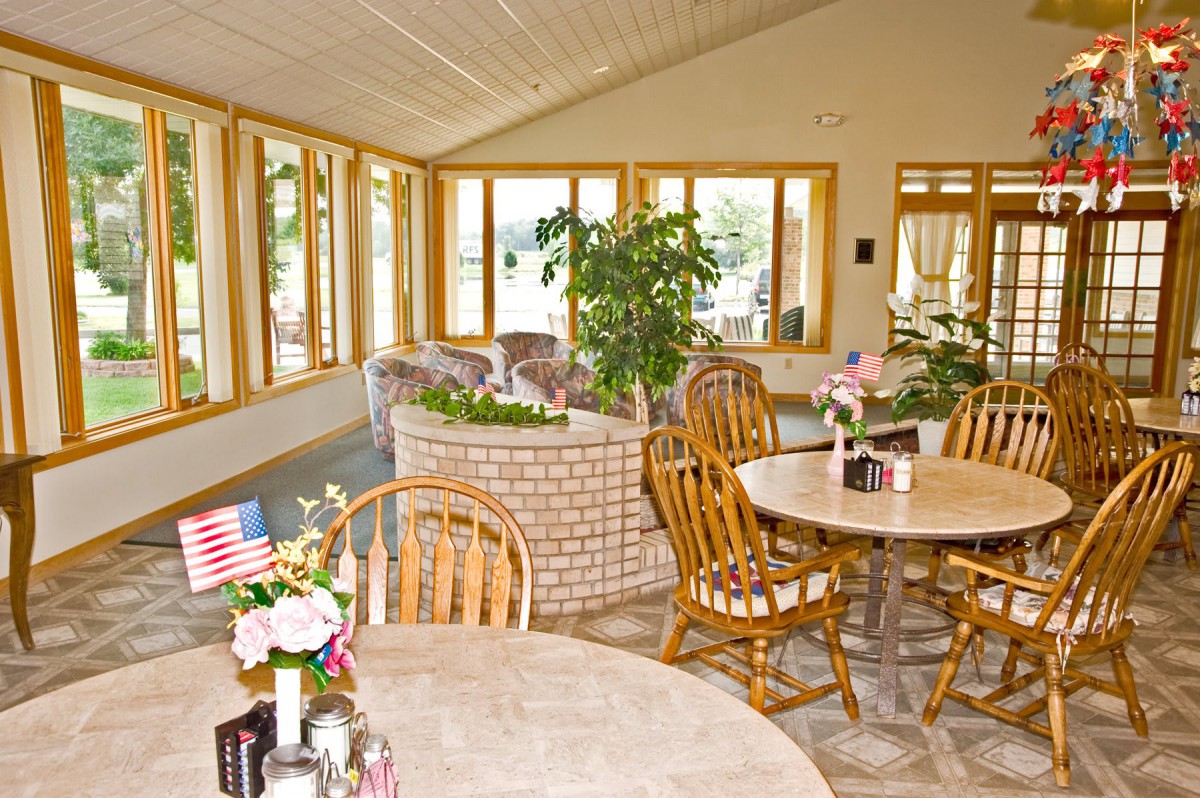
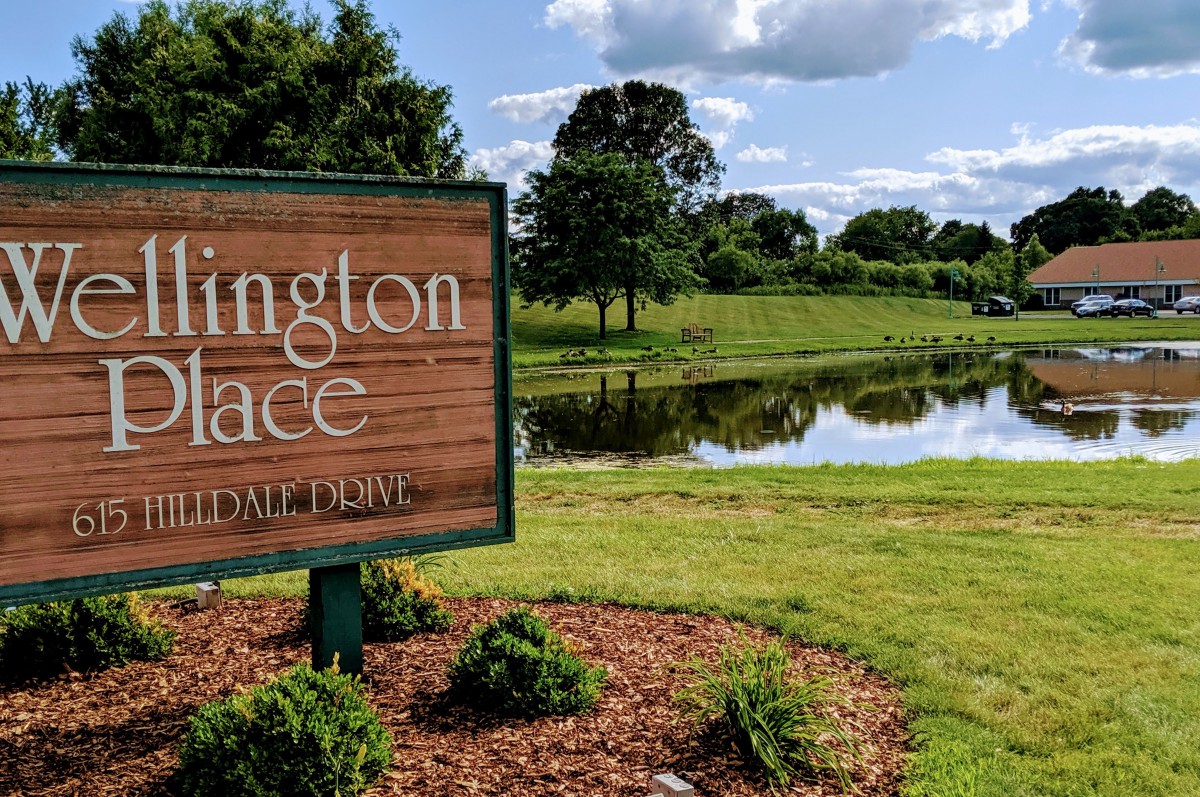
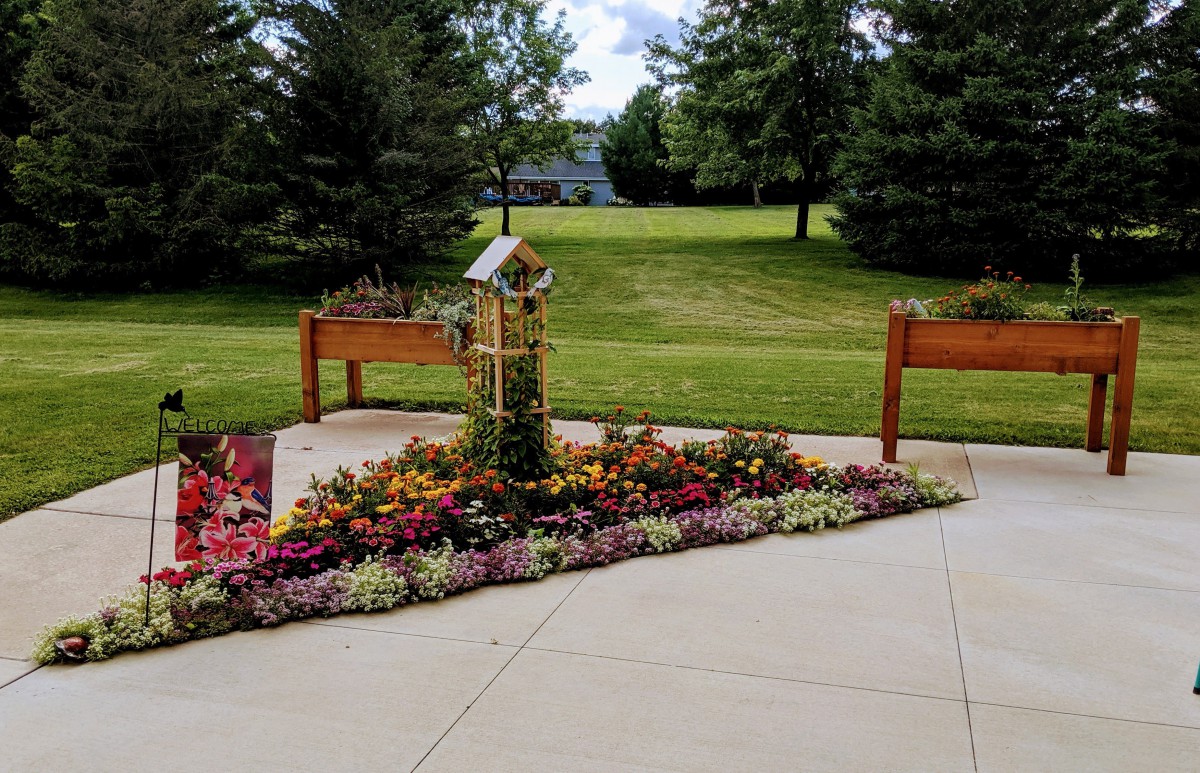
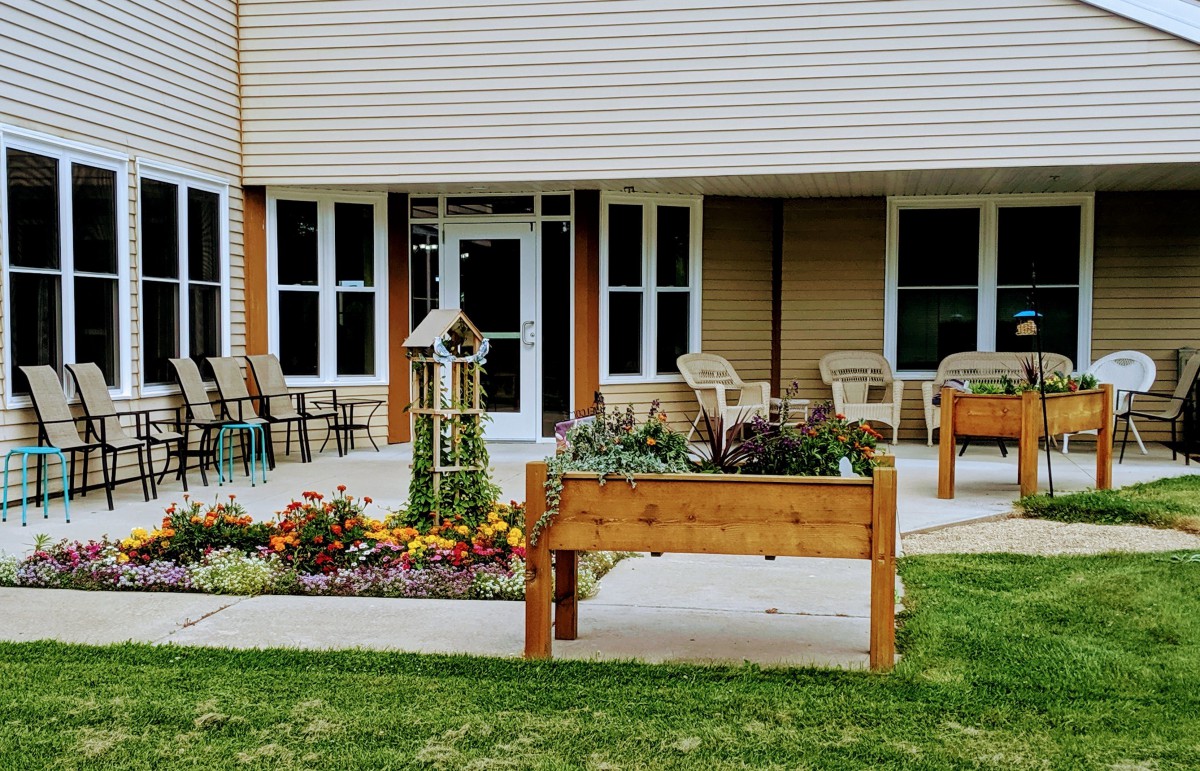
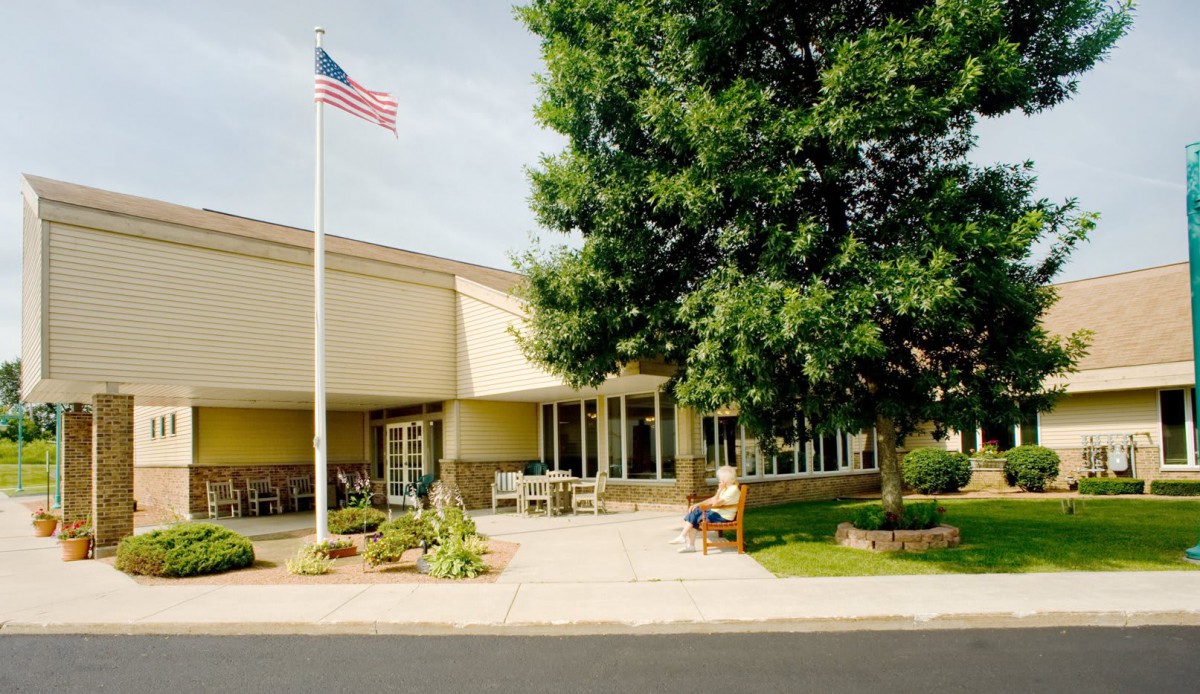
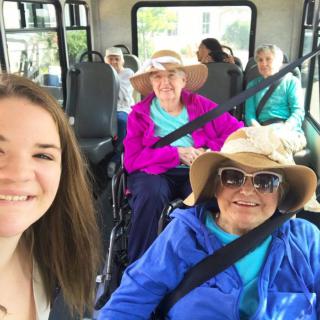
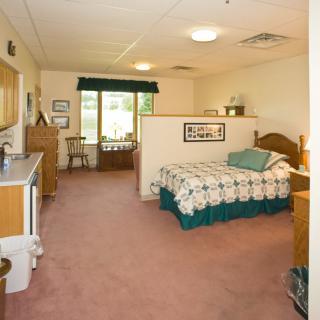
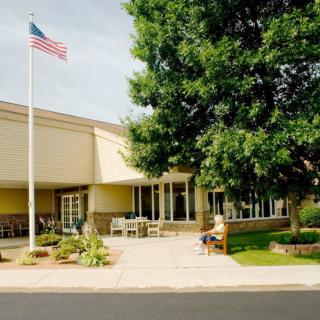
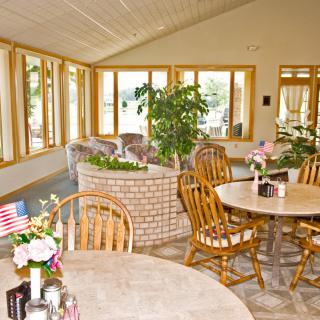
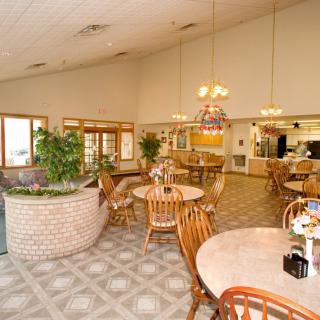
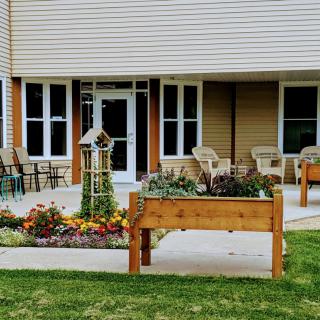
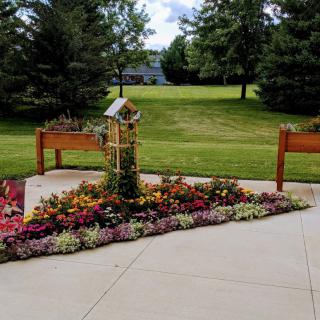
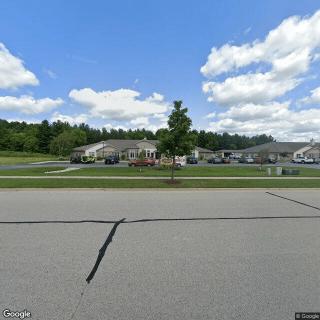
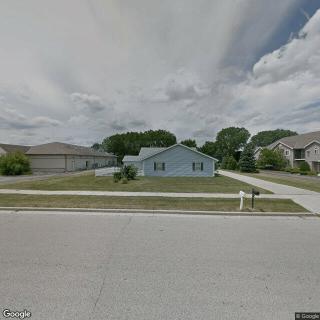
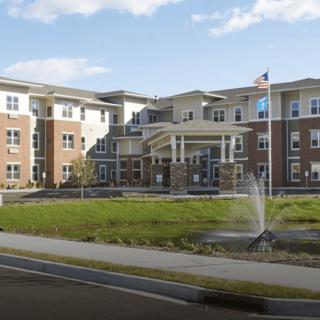
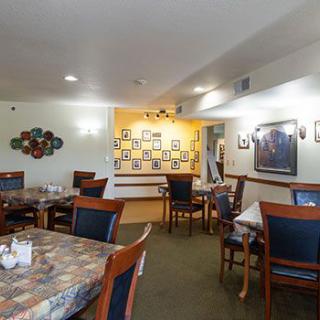
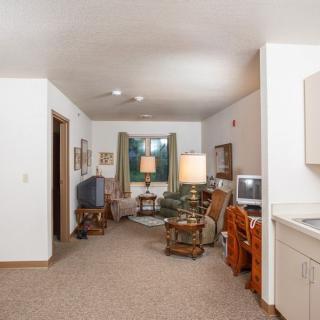
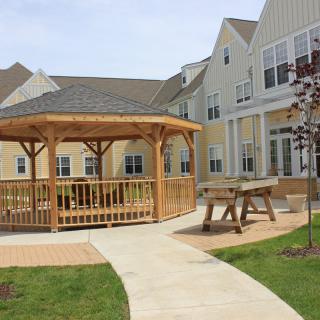
Wellington Place at Hartford on seniors.fyi includes 11 photos including images showing interior, landscaping, dining, outdoor, bedroom, decor, windows, nature, and more.
Nearby Communities
Wellington Place Of Hartford
Hartford, WI
4.7 from 18 reviews
Friendly, attentive staff in a clean, welcoming setting with engaging activities and good dining; offers memory care and skilled nursing.
Deerview Meadows Assisted Living II
Hartford, WI
3 from 2 reviews
Small, personalized memory-care with comprehensive services.
Deerview Meadows - Hartford I
Hartford, WI
4.8 from 12 reviews
$2,845 to $3,195 / month
Memory-care specialization with medication management and incontinence care, plus competitive pricing.
Deerview Meadows Assisted Living I
Hartford, WI
4.8 from 12 reviews
Intimate 14-bed setting with 24-hour supervision and specialized memory care.
Hartford Estates
Hartford, WI
4.8 from 17 reviews
Family-oriented community with consistent staff and compassionate leadership, creating a home-like and safe atmosphere.
Aurora Medical Center Adult Day Services
Hartford, WI
24/7 staff for personalized care, engaging activities, and diabetes-friendly meals.
The Waterford at Hartford
Hartford, WI
4.5 from 88 reviews
$4,275 to $7,400 / month
Caring staff with personalized attention in a small, activity-rich, community-focused environment.
At-home dementia care expenses vary widely based on care levels, location, and caregiver expertise, with monthly costs for home health aides exceeding $4,500 and specialized care potentially surpassing $100,000 annually. While families favor in-home care for its comfort and personalized attention, they must consider financial planning and the challenges of caregiver fatigue.
The article discusses the late stages of dementia, detailing the progression from mild to severe impairment and highlighting key characteristics such as profound cognitive decline and dependency in daily activities. It emphasizes care strategies focused on comfort and dignity, the importance of advance directives, and the emotional support needed for family caregivers facing this challenging journey.
The article examines the link between certain medications and increased dementia risk, particularly in older adults, emphasizing that long-term or high-dose use of anticholinergics, benzodiazepines, and other drug classes can exacerbate cognitive impairment. It calls for careful medication evaluation and shared decision-making to mitigate these risks while managing treatment efficacy.
Get PricingAsk A QuestionSchedule A TourContact Senior Advisor
By clicking submit, you agree to our Partner's Terms of Use. You
also consent to receive calls and texts, which may be autodialed, from our Partner. Your consent is not a condition to
using our Partner's service. Please visit our Partner's Privacy Policy for information about their privacy practices.









 Assisted Living
 Memory Care
 Activities off-site
 Beautician on-site
 Devotional services off-site
 Ground floor units
 Indoor common areas
 Outdoor common areas
 Respite or short term stays offered
 Wheelchair accessible showers
 Ambulatory care
 Diabetic care
 High acuity care
 Incontinence care
 Medication management
 Meals provided
 Art classes
 Catholic services
 Cooking classes
 Day trips and outings
 Educational speakers / life long learning
 Happy hour
 Karaoke
 Live dance or theater performances
 Live musical performances
 Friendly, attentive staff in a clean, welcoming setting with engaging activities and good dining; offers memory care and skilled nursing.

 Estimating the Expenses of At-Home Dementia Care: A Detailed Exploration
 Comprehensive Insights on the Late Stages of Dementia: What to Expect and How to Provide Care
 Medications Associated with Dementia Risk: A Comprehensive Overview