
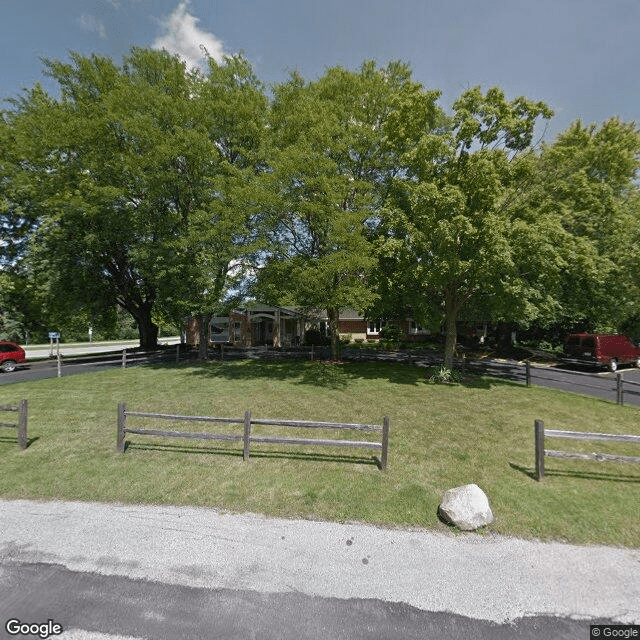
5910 South 118 Th Street, Hales Corners, WI 53130
For more information about senior living options: (866) 208-4318
Park Hills West Costs & Pricing
At Park Hills West, the monthly costs for accommodations are quite competitive when compared to both Milwaukee County and the broader state of Wisconsin. For a semi-private room, residents can expect to pay $3,500, which not only provides significant savings compared to the county's average of $4,341 but also positions it favorably against the state average of $3,977. Similarly, the studio rooms are priced at $3,800 - slightly lower than Milwaukee County's average of $3,841 and just under the state's figure of $3,999. This pricing structure reflects Park Hills West's commitment to offering quality living options that not only meet but often exceed local market averages in affordability.
| Floor plans | Park Hills West | Milwaukee County | Wisconsin |
|---|---|---|---|
| Semi-Private | $3,500 | $4,341 | $3,977 |
| Studio | $3,800 | $3,841 | $3,999 |
Memory care communities with a similar price nearby
-
About the same
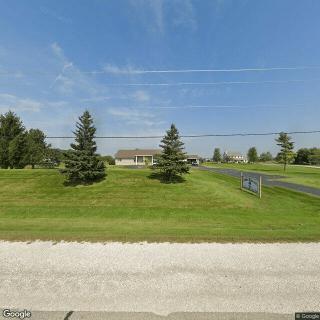
Dolphin Manor
$3,500 / month13.4 miles away -
from -$350 / mo
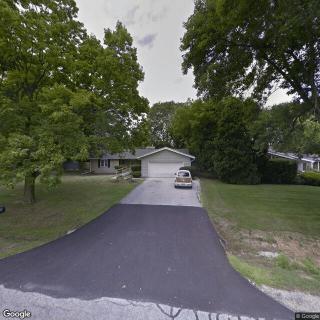
Home Share North Shore House
$3,150 / month16.1 miles away -
from +$550 / mo
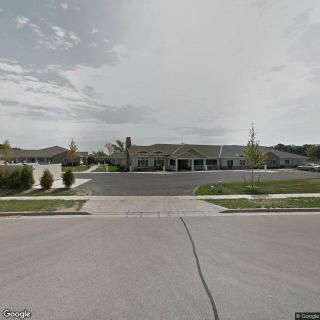
Waterford Senior Living
$4,050 to $5,450 / month14.2 miles away -
from +$500 / mo

Ellens Home Germantown
$4,000 / month20.0 miles away -
from +$500 / mo
Complete Home Health Care
$4,000 / month13.4 miles away
Overall Review of Park Hills West
Pros
 She is really happy there.
- The facility is really good.
- It was the best choice.
- There was a smaller group of residents where she could get more attention.
- The staff love the residents.
Cons
 The facility is severely understaffed and mismanaged.
 - The owner appears to be only out for money and does not genuinely care about residents.
- Regular staff were replaced by temp workers who did not know the residents or how the facility operated.
- A temp worker stole money from a visitor’s wallet.
- The staff were unprofessional.
Review
Park Hills West in Hales Corners is best suited for families that want a small, intimate assisted-living environment where a resident can receive more individualized attention. The setting can feel warmer and more personal because of its smaller group size, which can translate into better daily contact with caregivers. That advantage matters for residents who thrive on familiar faces and steady, personal interactions. Yet this potential upside rests on a fragile staffing and management framework that can collapse under pressure, turning the intimate atmosphere into a fragile illusion if oversight wanes.
Those weighing alternatives should understand who may want to look elsewhere. If dependable, well-staffed operations, consistent leadership, and predictable routines are non-negotiables, this community may not meet the bar. Families needing reliable nursing oversight or robust safety nets will likely be uncomfortable with the current risk profile. Even more, if a resident’s needs extend beyond basic assisted living into stronger medical support or if safety concerns about turnover, theft, or mismanagement are unacceptable, other options will deliver clearer accountability and steadier care.
A clear positive is the potential for meaningful, one-on-one attention. In the right moments, the smaller community size allows caregivers to focus more intently on each resident, and caregivers often express warmth toward residents despite the broader operational gaps. This can foster a sense of belonging and dignity for someone who responds well to individual acknowledgment. In practice, that personal touch can translate into moments of genuine comfort and happiness, particularly for residents who do not require high-intensity medical supervision but still value regular, familiar contact with caregivers.
The downsides, however, are pronounced and material. The most damaging issue is chronic understaffing, with reliance on temporary workers who do not know residents or standard procedures. This leads to inconsistent care, missed routines, and the unsettling reality that new or substitute caregivers may not be up to speed. Add to this the report of theft by a temporary worker and the broader concern that the owner appears driven more by profitability than by continuous, quality resident care. Mismanagement at the system level compounds these problems, creating a weak framework for training, accountability, and safety.
These contrasting elements do not cancel each other out; they balance in a way that favors caution. The small, attentive setting can offer genuine warmth and tailored interactions, but those benefits falter if staffing collapses or if leadership cannot stabilize operations. In practical terms, families must weigh the risk of inconsistent staffing and potential security lapses against the emotional comfort of a smaller, more personable environment. Without reliable management and staffing fidelity, the positives become tenuous anchors rather than solid foundations.
For families inclined to proceed, a rigorous due-diligence plan is essential. Seek a current staffing roster, confirm ratios, and request a clear, written protocol for onboarding and supervising temporary workers. Ask about how the owner and management address incidents, turnover, and resident safety, and require demonstrations of how care plans are updated and followed. Insist on frequent, documented family communications, and schedule regular, unannounced visits to observe routines and interactions. If these assurances cannot be consistently provided, or if the impression remains that operations prioritize cost savings over consistent, compassionate care, alternatives offer far more predictable value. In short, Park Hills West is a choice best reserved for families ready to supervise closely and prepared to accept meaningful risk, or for those who have immediate, practical paths to offset its structural vulnerabilities.
 20 resident community capacity
 Assisted Living
 Board and Care Home
 Memory Care
 Activities on-site
 Beauty salon
 Cable or satellite TV
 Devotional services on-site
 Dining room
 Fully furnished
 Garden
 Housekeeping services
 Indoor common areas
 Kitchenette
 Move-in coordination
 Outdoor space
 Respite or short term stays offered
 Telephone
 Wi-Fi/high-speed internet available
 General Mitchell International (8 miles away)
 24-hour call system
 Assistance with bathing
 Assistance with dressing
 Assistance with transfers
 Diabetes diet
 Diabetic care
 Hospice waiver
 Incontinence care
 Meal preparation and service
 Medication management
 Mental wellness program
 Special dietary restrictions
 Transportation arrangement (medical)
 Transportation to doctors appointments




 Estimating the Expenses of At-Home Dementia Care: A Detailed Exploration
 Comprehensive Insights on the Late Stages of Dementia: What to Expect and How to Provide Care
 Medications Associated with Dementia Risk: A Comprehensive Overview