
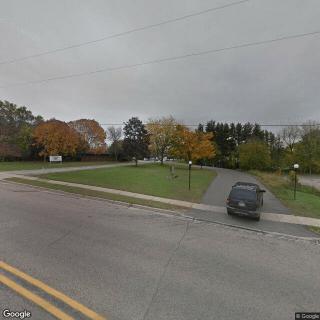
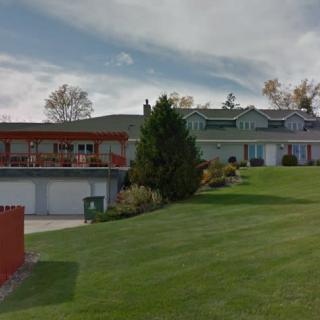
850-860 Sunnyside Rd, Green Lake, WI 54941
To contact a resident: (920) 294-1000
For more information about senior living options: (866) 208-4318
KindredHearts of Green Lake Costs & Pricing
KindredHearts of Green Lake offers competitive pricing for its residents, with costs significantly lower than both Green Lake County and the state of Wisconsin. A studio apartment at KindredHearts is priced at $680 per month, which stands in stark contrast to the county average of $2,034 and the statewide average of $3,999. Similarly, the one-bedroom option at KindredHearts is available for $905 monthly - again reflecting a substantial savings compared to the county's average of $2,157 and Wisconsin's overall average of $3,412. These rates indicate that KindredHearts provides an affordable living solution for individuals seeking quality care without compromising on comfort or community.
| Floor plans | KindredHearts of Green Lake | Green Lake County | Wisconsin |
|---|---|---|---|
| Studio | $680 | $2,034 | $3,999 |
| 1 Bedroom | $905 | $2,157 | $3,412 |
Overall Review of KindredHearts of Green Lake
Pros
 The staff is wonderful to the residents.
- They treat the residents like family.
- The parents say they love it.
- Family members feel their loved ones are in good hands.
Cons
 The facility was consistently short-handed because staff quit.
- The director failed to notify the family as promised, leaving the mother to die without anyone by her side.
- They were told that no one could enter the mother's room, preventing them from cleaning it out.
- The director was out of the office for a week, hindering any attempt to speak with her.
- The family blamed the director for not questioning the daughter's authority, a factor they saw as worsening the situation.
- The director allegedly took the mother's will and other important belongings to prevent protest.
- They felt at a loss and extremely upset by how these events unfolded.
Review
KindredHearts of Green Lake is best suited for families seeking a warm, home-like senior living environment where caregivers cultivate genuine relationships with residents and families feel welcomed as part of the community. It works especially well for couples or independent seniors who want daily care delivered with a personal touch and for those who place a premium on staff who treat residents with kindness and familiarity. This is not a facility aiming purely for clinical efficiency; it is a place where attentiveness and emotional support are central. Prospective movers should, however, be prepared for how staffing dynamics can influence day-to-day continuity.
The strongest, consistently cited asset is the staff’s warmth and the sense that residents are treated like family. Several families report that caregivers are wonderful to their loved ones, fostering a comforting, reassuring atmosphere that gives kids and siblings peace of mind. Residents themselves often express affection for the people who care for them, and families repeatedly hear that their loved ones are loved and well cared for. This emotional alignment, caregivers who know residents well and communicate with families, drives high satisfaction and deep trust in the community.
Yet the most palpable downside centers on staffing and administrative responsiveness. One review notes that CNAs were frequently short-staffed because staff left, which can strain daily routines and reduce the responsiveness families expect in peak times. Another, more troubling account describes a breakdown in end-of-life communication and access: a director who did not notify a family as hoped, delays in confirming a resident’s passing, and an inability for a family member to access a room or retrieve important documents when needed. The implication is clear: when leadership and procedures fail to align with family expectations, the emotional benefits of a warm atmosphere can feel compromised.
Those pros and cons interact in meaningful ways. The core appeal, genuine, affectionate care, offers emotional resilience for families and can soften the impact of staffing gaps. For residents who respond well to a family-like environment, the positive day-to-day experiences can outweigh occasional shifts in staffing. However, the administrative gaps highlighted in the negative account cannot be ignored; they represent material risks around end-of-life events, personal belongings, and timely family communication. In scenarios requiring meticulous coordination and predictability, these gaps may offset the otherwise strong caregiving culture.
To make an informed decision, visitors should press for specifics during tours: current nurse-to-resident ratios and whether short-staffing is a common pattern; how shift changes are handled and communicated; who is the direct point of contact for family concerns; and the exact process for notification during critical events. Clarify policies around private room access after a resident’s passing and the handling of personal documents and valuables. Ask about who assumes responsibility when the director is unavailable and what escalation paths exist. In short, verify that the operational rhythm, leadership responsiveness, and family communication standards align with what matters most.
Overall, KindredHearts of Green Lake offers a compelling blend of heartfelt caregiving and a homey atmosphere that resonates with families seeking comfort and continuity. The high warmth level and the sense that staff treat residents like family are strong, differentiating strengths. That said, couples and individuals who cannot tolerate even occasional staffing gaps or administrative missteps should weigh alternatives that emphasize deeper governance, more consistent staffing, and rigorous end-of-life workflows. For those who prize a genuine caregiving culture and are willing to navigate occasional operational frictions, this community remains a strong, practical choice.
 Assisted Living
 Independent Living
 Memory Care
 Activities on-site
 Beautician on-site
 Devotional services off-site
 Indoor common areas
 Outdoor common areas
 Respite or short term stays offered
 Ambulatory care
 Diabetic care
 Incontinence care
 Medication management
 Meals provided


 Medications Associated with Dementia Risk: A Comprehensive Overview
 Guiding Your Journey: Understanding Power of Attorney for Elderly Parents
 22 Remarkable Caregiver Support Groups Available Online and In-Person