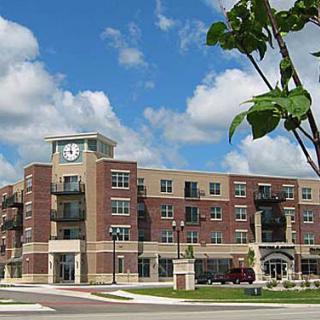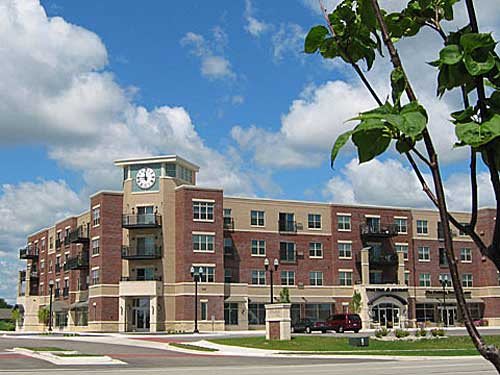
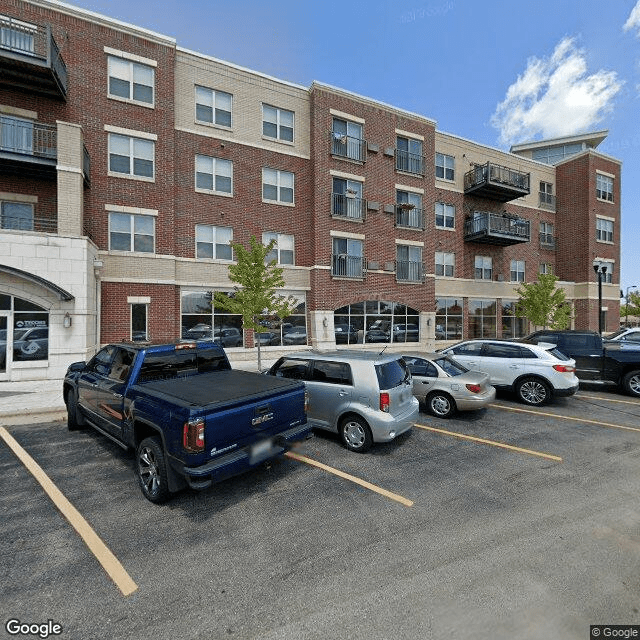
445 Cardinal Lane, Green Bay, WI 54313
To contact a resident: (920) 662-1652
For more information about senior living options: (866) 208-4318
Woodfield Village Costs & Pricing
At Woodfield Village, the monthly rental costs present a compelling value when compared to both Outagamie County and the broader Wisconsin area. For a one-bedroom unit, residents pay $592, significantly lower than the county's average of $3,501 and the state's average of $3,412. Similarly, two-bedroom apartments are available at $750, which is notably more affordable than the county's average of $2,350 and Wisconsin's overall average of $3,111. These competitive pricing structures position Woodfield Village as an attractive option for those seeking quality housing without the financial strain typically associated with renting in the region.
| Floor plans | Woodfield Village | Outagamie County | Wisconsin |
|---|---|---|---|
| 1 Bedroom | $592 | $3,501 | $3,412 |
| 2 Bedrooms | $750 | $2,350 | $3,111 |
Senior living communities with a similar price nearby
-
from -$92 / mo
Golden Venture Apartments
$500 / month21.7 miles away -
from -$87 / mo
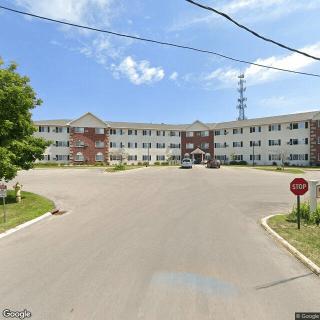
Bay Manor
$505 to $605 / month2.0 miles away -
from +$29 / mo

Woodside Lutheran Home
$621 to $6,540 / month4.7 miles away -
from -$87 / mo
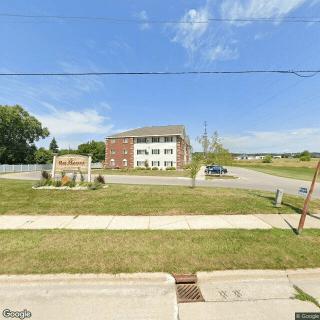
Bay Manor II
$505 to $605 / month7.2 miles away -
from -$18 / mo
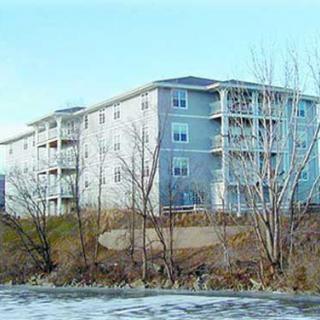
Canal Place
$574 to $696 / month20.8 miles away
Overall Review of Woodfield Village
Pros
 The place is great and offers shuttle service.
- The shuttle service is a positive feature of the place.
Cons
 The $100 down-payment on the apartment waiting list was supposed to be refundable, but it was not returned after a year despite many calls.
- The property was taken over by Nfong Realty, and the voicemail is full, preventing contact.
- The reviewer would give zero stars if possible.
Review
Woodfield Village in Green Bay is best suited for seniors who want a pragmatic, value-oriented living option with dependable transportation and a lighter care footprint. It serves residents who value routine, predictable scheduling, and the freedom to stay mobile without relying on family for every errand or appointment. This community aligns with those who can tolerate occasional administrative hiccups and moments of governance turnover while focusing on daily life, social activities, and personal independence. In practical terms, Woodfield Village fits a profile that prizes comfort, convenience, and autonomy, delivered at a sensible price point, so long as the resident or family remains proactive in navigating paperwork and policy shifts.
On the plus side, transportation stability stands out as a real differentiator. The shuttle service appears to be a practical lifeline for medical appointments, shopping trips, and social outings, reducing dependence on family and private vehicles. Residents who use the shuttle report a well-organized schedule and reliable access to community venues, which translates into real freedom and participation in activities that keep routines intact. This mobility support can make a meaningful difference for those who want to preserve independence without sacrificing access to essential appointments or social engagement.
The major caveat centers on financial administration and ownership changes. A $100 down-payment on an apartment waiting list, claimed to be refundable, has been described as unrecovered for a year despite persistent inquiry. The property’s takeover by NFong Realty, coupled with voicemail systems that can be hard to reach, signals potential administrative opacity and communication gaps that can complicate move timelines and refunds. These factors create real stress for families coordinating finances and transitions, even when the core living environment, security, safety, and routine, remains serviceable. The friction in processing and documenting payments cannot be dismissed when weighing overall value.
Despite the administrative rough edges, the core advantages, namely, reliable mobility, a manageable pace of life, and approachable, calendar-driven routines, do offset some downsides for the right resident. The shuttle support, when paired with a calm, predictable daily rhythm, supports independence and reduces the need for constant family intervention. Yet the benefits hinge on steady, transparent handling of deposits, refunds, and ongoing communications. When billing and policy questions arise, a proactive stance from management is essential; without written confirmations and clear timelines, the otherwise practical appeal can quickly feel precarious.
This community makes the most sense for families who can tolerate, or even expect, some administrative friction in exchange for mobility, affordability, and a livable day-to-day environment. For seniors who require dependable, clear, and prompt financial communications, or for those who need a higher level of on-site medical care and more robust governance, alternatives are worth exploring. The best-fit scenario is one where management demonstrates consistent responsiveness, documented policies, and a track record of honoring refunds or deposits in a timely fashion. If those conditions cannot be verified, the risk of ongoing confusion overshadows the gains from the shuttle and the comfortable atmosphere.
Actionable due diligence can tilt the balance decisively. Prospective families should secure current leadership contact information, demand written policies on deposits and refunds, and obtain a precise description of what the shuttle service covers, including schedules, limits, and any associated costs. A candid tour focused on how routine requests are handled, the ease of contacting staff, and the reliability of move-in communications matters as much as the physical surroundings. Speak with multiple residents about management responsiveness, billing clarity, and availability of support services. If the responses emphasize transparency, consistent timelines, and dependable service, Woodfield Village can be a sound choice for mobility-minded seniors seeking practical affordability. If not, broadening the search to communities with stronger governance and more predictable administrative practices will protect the family’s peace of mind while still delivering comfortable living.
 Active Adult Communities (55+)
 Activities off-site
 Bath tubs
 Devotional services off-site
 Indoor common areas
 Outdoor common areas
 Austin Straubel International (5 miles away)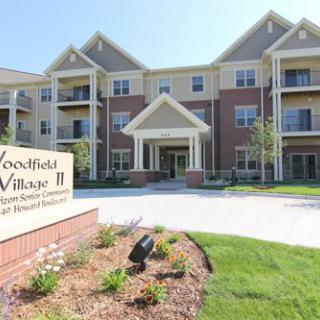




 Comprehensive Guide to Medicare Coverage for Hospice Care
 Caring for Those Who Care: Recognizing, Understanding, and Overcoming Caregiver Burnout
 Caregiver Exhaustion: Recognizing the Signs and Restoring Your Well-Being