
204 South Oneida Street, Green Bay, WI 54303
For more information about senior living options: (866) 208-4318
Overall Review of Ridge Pointe Cbrf
Pros
 Cardinal Ridge Residential Care LLC is highly regarded for its quality care.
- Residents are happy and well cared for, and many consider Cardinal Ridge their home.
- The staff are friendly, courteous, welcoming, and attentive.
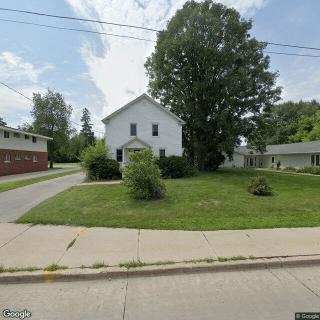
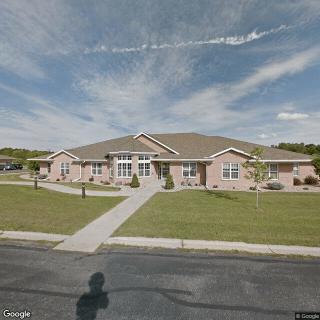
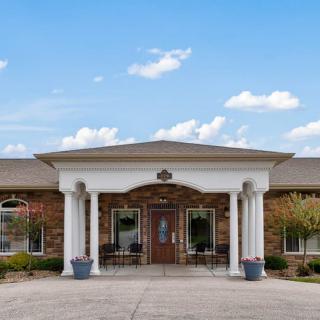
- The facility is secure and well maintained.
- Residents participate in daily activities and have options for games, entertainment, and church services.
- The dining area is cozy, and meals are made from scratch in an open kitchen that supports quick service.
- The open, accessible kitchen allows direct interaction between staff and residents, enhancing service.
- The reviewer would highly recommend Cardinal Ridge.
Cons
 The staff was short-handed.
- There were many complaints from employees about having to work.
- The reviewer would definitely not recommend Cardinal Ridge.
Review
This community is best suited for families seeking a warm, home-like assisted living option in Green Bay, where daily life centers on companionship, familiar routines, and a sense of belonging. Ridge Pointe Cbrf is operated by Cardinal Ridge Residential Care LLC, and the setting comes across as intimate rather than institutional. Families report that residents quickly feel at home, with daily activities, regular visitors, and a food-forward environment that reinforces a homestyle rhythm. The building itself is described as secure and well maintained, with clean common spaces and a welcoming atmosphere that supports socialization rather than isolation. It’s a fit for seniors who value personal attention, straightforward routines, and a community where residents know one another.
Key strengths center on the human side: staff described as friendly, courteous, and attentive to individual residents, with a visible commitment to making daily life calm and predictable. The environment is clean and odor-free, with residents kept tidy and well cared for. There are meaningful opportunities for engagement, games, entertainment, and church services, along with a dining area that, while small, feels cozy and accessible. The kitchen is open and used as a shared space, which fosters quick, direct service at mealtime; staff and residents can connect in the same area, reducing friction and fostering a sense of community. These elements combine to create steady social stimulation and a comfortable routine.
However, one clear caveat appears in the staffing picture. A reviewer flagged being a bit short-handed and noted dissatisfaction among employees when asked to work, signaling potential variability in coverage and responsiveness. That kind of staffing dynamic can translate into slower responses during peak times or less consistency in activity scheduling. For families, this translates into a real trade-off: the same intimate, homey feel may come with the risk of leaner staffing during busy periods, and with it uneven levels of supervision or assistance if demand spikes.
Yet the pros do substantial work offsetting those concerns. The small, homelike setting enables a tighter caregiver-to-resident presence, so when staff are available, attention feels individualized rather than transactional. The absence of odors, the security of the building, and the focus on everyday pleasures, home-cooked meals, the chance to socialize at a comfortable pace, and open access to staff at mealtimes, help maintain dignity and reduce isolation. The reported happiness of residents and families, including examples of loved ones thriving there for years, matters more than rankings and suggests a resilient routine that sustains well-being even when staffing is not perfect.
For seniors whose needs lean toward heavier medical oversight, stricter staffing ratios, or specialized memory-care programming, alternatives may be wiser. The best-fit candidates are those who prize a purposeful but compact environment, rather than a larger campus with more formalized programming. If proximity to church services, ample socialization, and scratch-made meals at close reach are less critical than guaranteed 24/7 clinical supervision or a built-in team of nurses, exploring other options would be prudent.
Families weighing Ridge Pointe Cbrf should approach with a clear set of questions: what is staffing coverage by shift, how often is a supervisor on site, what is the typical response time for calls, and how are meals and activities scheduled during high-demand periods? A firsthand tour during peak activity and meal times can reveal how the community really operates. When aligned with a desire for warmth, a sense of home, and social vitality, Ridge Pointe Cbrf offers a solid, practical choice. If concerns about staffing consistency loom large, it’s wise to compare with other communities that provide stronger clinical oversight or more expansive space for growth.
 5 resident community capacity
 Assisted Living
 Cable or satellite TV
 Dining room
 Fully furnished
 Garden
 Housekeeping services
 Move-in coordination
 Outdoor space
 Telephone
 Wi-Fi/high-speed internet available
 Austin Straubel International (5 miles away)
 24-hour supervision
 Activities of daily living assistance
 Assistance with bathing
 Assistance with dressing
 Assistance with transfers
 Diabetes diet
 Meal preparation and service
 Medication management
 Special dietary restrictions
 Transportation arrangement (medical)
 Transportation to doctors appointments

 Securing Financial Support for Assisted Living: A Comprehensive Overview
 Social Security Benefits and Assisted Living: Navigating Options Across the U.S.
 An Extensive Exploration of the VA Aid and Attendance Benefit