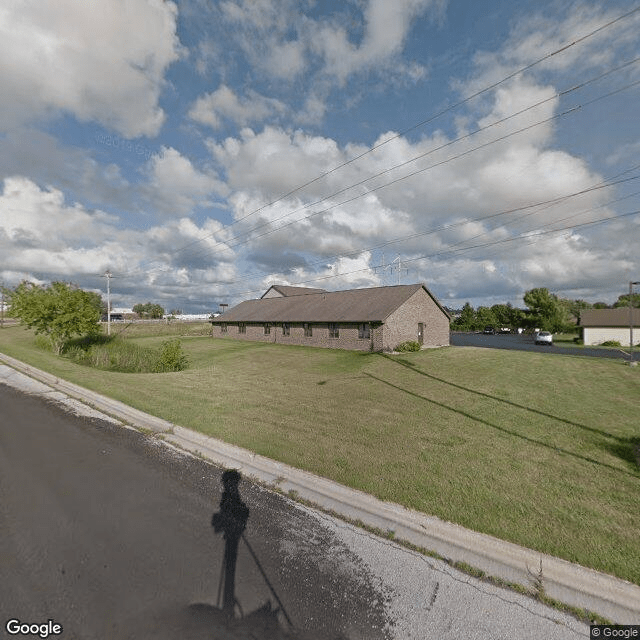
Century Ridge Of Green Bay I

Save
Century Ridge Of Green Bay I Century Ridge Of Green Bay I

Century Ridge Of Green Bay I

2498 Bluestone Place, Green Bay, WI 54311

For more information about senior living options: (844) 490-3973

3.7 from 15 reviews
5 stars
9
4 stars
0
3 stars
2
2 stars
0
1 stars
4

Assisted Living Board and Care Home Memory Care

Century Ridge Of Green Bay I Costs & Pricing

Century Ridge of Green Bay I offers its one-bedroom units at a competitive rate of $3,200 per month. This price is slightly above the average for Brown County, which sits at $3,094, but remains in line with the broader state average of $3,412 for similar accommodations. The facility provides a supportive living environment that prioritizes resident comfort and care, justifying its pricing within this context. Overall, residents can expect quality service and amenities that may enhance their living experience beyond what basic cost comparisons might suggest.

Floor plansCentury Ridge Of Green Bay IBrown CountyWisconsin
1 Bedroom$3,200$3,094$3,412

Overall Review of Century Ridge Of Green Bay I

Pros

  • pro The staff are very nice.
  • pro The quality of care is great and the value is excellent.
  • pro They would recommend this community to other families.
  • pro The food is scrumptious and the staff are awesome and friendly.
  • pro The environment feels safe and comfortable for residents.
  • pro The caregiving staff is wonderful, kind, cheerful, and helpful.
  • pro The entire crew has been extremely helpful and respectful toward Mom and the family.

Cons

  • pro The administrator Jennifer hires criminals with dangerous backgrounds.
  • pro The staff do not seem to care when a family member asks for help or condolences after a loved one passes away.
  • pro The caregiving staff is understaffed and not always fully trained; management is lacking.
  • pro They do not deliver on promised activities, and the food was horrible.
  • pro The facility kicked residents out without the required 30-day notice.
  • pro They would rate the facility a zero if possible.

Review

Century Ridge of Green Bay I is best suited for seniors who want a small, home-like setting where attention feels personal and meals and social life are accessible without navigating a large campus. Families drawn to a low-key environment with a tighter-knit community, where residents can be treated more like individuals than numbers, will find value here. Those seeking robust clinical oversight, a bustling activities calendar, and highly standardized administrative processes may want to consider alternatives. The mix in reviews suggests this is not a one-size-fits-all option, but rather a choice that rewards the right priorities with meaningful, intimate care.

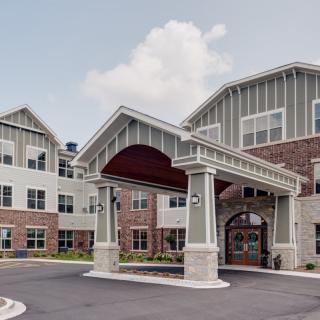
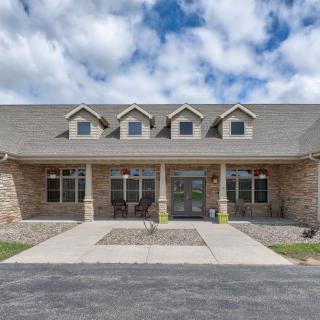
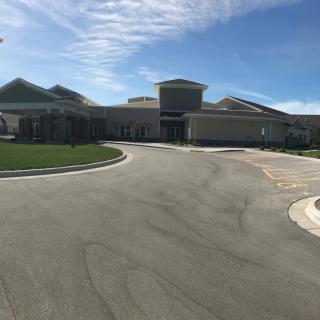
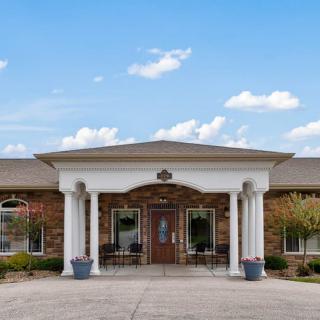
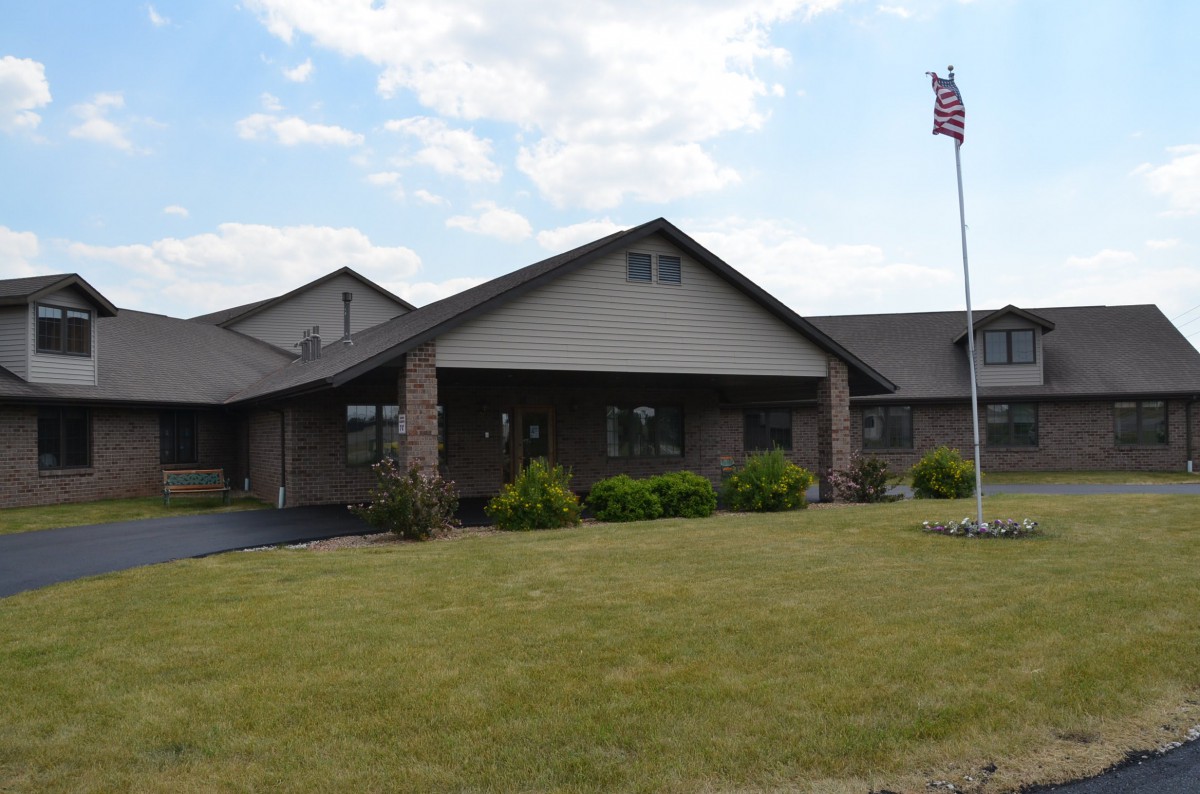
Positive signals abound for the right resident profile. Several reviewers praise the caregiving staff as kind, cheerful, and genuinely helpful, creating a warm atmosphere that can feel like a safe, supportive home. The setting's smaller footprint - ten rooms across two ranch-style buildings - promotes visibility and accountability, allowing families to feel that their loved ones are getting more personalized attention. Food occasionally earns high marks, with residents describing meals as homemade and satisfying, and the social life includes holiday parties, live entertainment, and on-site gatherings that foster a sense of community without overwhelming residents. For families prioritizing value and a less crowded environment, those elements can translate into real peace of mind.

Yet the picture is not uniformly rosy. A recurrent thread points to staffing realities: caregivers are often described as caring and capable, but the workforce is perceived as undersized and not consistently trained. That combination can yield intermittent gaps in coverage, slower response times, or inconsistent execution of activities and routines. Management appears as a more contested ingredient in this mix: several reviews flag deficiencies in leadership, with one critique alleging troubling hiring practices and another noting that management "lacks" in the same areas where staff shine. These tensions matter deeply when needs shift from routine assistance to more complex or urgent care scenarios, and they warrant serious scrutiny before any move-in decision.

The most troubling experiences can offset otherwise strong positives. Instances cited by families - kicked-out notices without the standard 30-day transition period, reports of subpar food in some periods, and stretches with little to no activities despite promises - underline how quickly trust can fray when governance and program execution diverge from expectations. These episodes matter, particularly for residents who depend on predictable schedules, consistent nutrition, and a stable care plan. They also raise legitimate questions about the facility's ability to honor resident rights and to communicate clearly when problems arise. While such incidents are not universal, their presence in multiple reviews signals a cautionary flag that cannot be ignored.

From a decision-maker's standpoint, the pros and cons crystallize into a practical calculus. If a family values a small, intimate environment where staff camaraderie and a friendly, almost apartment-like vibe are paramount, Century Ridge can deliver resilience and comfort - provided staffing and management gaps are actively monitored and mitigated. The offsetting strengths - personal attention, meaningful social events, and good-value pricing - can outweigh the downsides for residents who do not require high-intensity medical oversight or a rigorously structured activity calendar. However, for anyone prioritizing rock-solid administration, consistent programming, and guaranteed rapid escalation of concerns, this community may fall short.

Alternatives should be considered for those with more demanding clinical needs or firmer expectations around governance. Larger, better-staffed communities with reputations for consistent programming and transparent management may offer greater peace of mind for families navigating complex care requirements. Before deciding, prospective families should conduct rigorous, in-person due diligence: ask about current staffing ratios, turnover, and training; review the activity calendar against actual delivery; request recent resident rights policies and move-out procedures; and speak directly with both frontline caregivers and the administrator to gauge responsiveness and alignment on care philosophy. A well-informed choice will hinge on confirming that the community's strengths align with the resident's needs, and that potential gaps are being actively addressed.

Features

Housing

  • 20 resident community capacity 20 resident community capacity

Types of Care

  • Assisted Living Assisted LivingAssisted living facilities provide crucial support and care for seniors who may need help with daily tasks such as medication management, bathing, and meal preparation. These communities offer a safe and comfortable environment where seniors can maintain their independence while receiving the assistance they need to thrive in their golden years.
  • Board and Care Home Board and Care HomeBoard and care homes provide a smaller, more intimate setting for seniors who require assistance with daily tasks but do not need the level of care offered by a nursing home. They offer personalized care, meals, and social activities in a homelike environment, ensuring that seniors receive individualized attention and support in their golden years.
  • Memory Care Memory CareMemory care is crucial for seniors as it provides specialized support and services for individuals with dementia or Alzheimer's disease. These programs offer a safe and secure environment where residents receive personalized care, cognitive stimulation, and help with daily activities. Memory care helps seniors maintain their independence, quality of life, and dignity while also providing peace of mind for their families.

Amenities

  • Activities on-site Activities on-siteActivities on-site are important for seniors because they provide opportunities for socialization, mental stimulation, physical activity, and overall well-being. Engaging in activities can help seniors stay active, maintain their independence, and improve their quality of life.
  • Beautician on-site Beautician on-siteHaving a beautician on-site at a senior living community is important for seniors as it allows them to easily access grooming and personal care services, boosting their self-esteem and overall well-being. It also provides convenience and helps seniors maintain their sense of independence and personal style.
  • Beauty salon Beauty salonBeauty salons are important for seniors because they provide a space for them to feel pampered, socialize, and maintain their personal grooming and hygiene. Regular visits to a beauty salon can help boost seniors' self-esteem and overall well-being.
  • Cable or satellite TV Cable or satellite TVCable or satellite TV is important for seniors because it provides entertainment, news, and companionship, helping to combat loneliness and boredom. It also offers a wide range of programming options tailored to different interests and preferences.
  • Devotional services on-site Devotional services on-siteDevotional services on-site provide seniors with spiritual support and a sense of community, as well as an opportunity for reflection and guidance during their senior living experience. This can promote emotional well-being and connection to others, leading to a more fulfilling and enriching lifestyle in their later years.
  • Dining room Dining roomDining rooms are important for seniors as they provide a space for socialization, connection, and nutritious meals. They offer opportunities for residents to bond over shared meals, foster a sense of community, and promote healthy eating habits. Dining rooms also ensure that seniors have access to well-balanced meals tailored to their dietary needs and preferences.
  • Fully furnished Fully furnishedFully furnished senior living communities are important for seniors because they provide convenience, comfort, and a hassle-free moving experience. Seniors can easily settle into their new living space without the stress of having to buy and move furniture. This allows them to focus on enjoying their new home and community.
  • Garden GardenGardens are important for seniors as they provide a peaceful and therapeutic environment for relaxation, physical activity, and socialization. Being in nature has been shown to reduce stress, improve mood, and promote overall well-being. Gardens also offer opportunities for seniors to engage in gardening activities, which can improve mobility, flexibility, and cognitive function. Additionally, gardens create a sense of community and connection with others who share a passion for plants and outdoor spaces.
  • Ground floor units Ground floor unitsGround floor units are important for seniors because they provide easy accessibility, reduced risk of falls and injuries, and convenience for those with mobility issues. Seniors can avoid climbing stairs or using elevators, making daily tasks and activities more manageable and enjoyable.
  • Housekeeping services Housekeeping servicesHousekeeping services are important for seniors because they help maintain a clean and safe living environment, promote independence, and reduce the risk of accidents or illnesses. Additionally, having assistance with household chores can alleviate physical strain and allow seniors to focus on other aspects of their well-being.
  • Indoor common areas Indoor common areasIndoor common areas are crucial for seniors as they provide a space for socialization, recreation, and community engagement, promoting overall well-being and reducing feelings of isolation and loneliness.
  • Kitchenette KitchenetteKitchenettes are important for seniors living in senior living communities because they provide the convenience and independence of being able to prepare simple meals and snacks in the comfort of their own living space. This can help promote a sense of autonomy and well-being for seniors, allowing them to maintain some level of control over their dietary choices and daily routines.
  • Move-in coordination Move-in coordinationMove-in coordination is important for seniors because it helps ease the transition into their new living environment. It ensures that all logistics, such as packing, organizing movers, and setting up utilities are taken care of, allowing seniors to focus on settling in and adjusting to their new home. Having a smooth move-in process can alleviate stress and anxiety, making the transition smoother and more enjoyable for seniors.
  • Outdoor space Outdoor spaceOutdoor spaces are important for seniors as they provide opportunities for physical activity, social interaction, exposure to natural light and fresh air, and a sense of connection to nature. Having access to outdoor spaces can improve overall well-being and quality of life for older adults living in senior communities.
  • Respite or short term stays offered Respite or short term stays offeredRespite or short term stays provide seniors with a temporary solution when their regular caregiver is unavailable, offering them the opportunity to receive additional care and support during times of need, while also giving caregivers a chance to rest and recharge.
  • Telephone TelephoneTelephones are important for seniors as they provide a lifeline for communication with loved ones, emergency services, and healthcare providers. They offer a sense of security and independence, enabling seniors to stay connected and access assistance when needed.
  • Wheelchair accessible showers Wheelchair accessible showersWheelchair accessible showers are crucial for seniors as they provide a safe and independent bathing option for those with mobility challenges. These showers help prevent falls and allow seniors to maintain their dignity and autonomy while ensuring they can bathe comfortably.
  • Wi-Fi/high-speed internet available Wi-Fi/high-speed internet availableWi-Fi/high-speed internet is important for seniors to stay connected with loved ones, access online resources, and participate in virtual activities to combat feelings of loneliness and isolation. It also allows them to easily manage healthcare needs, access entertainment, and engage in lifelong learning opportunities.

Transportation

  • Austin Straubel International (9 miles away) Austin Straubel International (9 miles away)

Care Services

  • 24-hour call system 24-hour call system24-hour call systems are important for seniors because they provide peace of mind and immediate assistance in case of emergencies. This technology ensures that help is always available, promoting safety and security for elderly individuals living alone or in assisted living facilities.
  • 24-hour supervision 24-hour supervision24-hour supervision is important for seniors to ensure their safety, well-being, and access to immediate assistance in case of emergencies or health issues. This constant support provides peace of mind for both seniors and their loved ones, allowing them to age in place with dignity and security.
  • Activities of daily living assistance Activities of daily living assistanceActivities of daily living assistance are important for seniors because they provide essential support with tasks such as eating, bathing, dressing, and mobility. This assistance helps seniors maintain their independence, dignity, and overall quality of life as they age.
  • Assistance with bathing Assistance with bathingAssistance with bathing is crucial for seniors as it helps maintain personal hygiene, prevents infections, and ensures their overall well-being and comfort. It also provides a sense of dignity and independence for seniors who may struggle with this task on their own.
  • Assistance with dressing Assistance with dressingAssistance with dressing is important for seniors because it helps maintain their independence, promotes personal hygiene, prevents accidents and injuries, and improves overall quality of life. This service ensures that seniors can continue to dress comfortably and confidently, despite any physical limitations they may have.
  • Assistance with transfers Assistance with transfersAssistance with transfers is crucial for seniors as it helps prevent falls and injuries, maintains their independence, and ensures they can safely navigate their living environment. It also provides peace of mind for both seniors and their loved ones.
  • Coordination with health care providers Coordination with health care providersCoordination with health care providers is crucial for seniors to ensure proper medical care, medication management, and overall well-being. This collaboration helps prevent overlapping treatments, track progress more effectively, and provide comprehensive support tailored to individual needs.
  • Dementia waiver Dementia waiverDementia waivers are essential for seniors as they provide critical protections and accommodations for those experiencing cognitive decline. These waivers ensure individuals with dementia receive appropriate care, support, and resources to maintain their quality of life and dignity as they navigate the challenges of this progressive condition.
  • Diabetes diet Diabetes dietA diabetes diet is crucial for seniors as it helps manage blood sugar levels, reduce risks of complications, and improve overall health and well-being. By following a balanced and nutritious diet tailored to their specific needs, seniors can better control their diabetes and enhance their quality of life.
  • Diabetic care Diabetic careDiabetic care is crucial for seniors as they are more susceptible to developing diabetes due to aging and other health conditions. Proper management of diabetes can help prevent complications such as heart disease, vision loss, and nerve damage, improving the overall quality of life for seniors in senior living communities.
  • Hospice waiver Hospice waiverHospice waivers are important for seniors because they allow individuals to receive specialized end-of-life care and support at home or in a hospice facility. This waiver ensures that seniors can access the necessary resources and services to maintain comfort and dignity during their final days.
  • Incontinence care Incontinence careIncontinence care is essential for seniors to maintain their dignity, hygiene, and overall quality of life. By addressing incontinence issues promptly and effectively, seniors can enjoy a sense of independence and comfort in their daily activities.
  • Meal preparation and service Meal preparation and serviceMeal preparation and service are crucial for seniors as they may have limited mobility or energy to cook nutritious meals. Having access to healthy and convenient food options can ensure they are getting the proper nutrition needed to maintain their overall health and well-being.
  • Medication management Medication managementMedication management is crucial for seniors to ensure they are taking the right medications at the correct dosages and times. This helps prevent adverse drug interactions, reduces the risk of medication errors, and promotes overall health and well-being. Proactive management also allows for adjustments as needed based on changing health conditions or new prescriptions.
  • Mental wellness program Mental wellness programMental wellness programs are essential for seniors as they promote cognitive stimulation, emotional support, and social engagement. These programs help prevent isolation, depression, and cognitive decline, ultimately enhancing the overall quality of life for older adults.
  • Mild cognitive impairment Mild cognitive impairment"Mild cognitive impairment" is important for seniors because it is an early stage of cognitive decline that can potentially progress to more severe conditions such as dementia. Recognizing and addressing mild cognitive impairment can help seniors receive appropriate care and support to maintain their quality of life and independence for as long as possible.
  • Special dietary restrictions Special dietary restrictionsSpecial dietary restrictions are important for seniors because age-related changes in metabolism and health conditions can make it difficult for their bodies to process certain foods. By following a diet tailored to their specific needs, seniors can maintain their overall health and well-being, manage chronic conditions, and reduce the risk of complications such as malnutrition or food interactions with medications.
  • Specialized memory care programming Specialized memory care programmingSpecialized memory care programming is crucial for seniors with cognitive impairments such as dementia or Alzheimer's disease. These programs provide a safe and supportive environment tailored to the unique needs of individuals with memory loss, helping them maintain their independence, dignity, and quality of life.
  • Transportation arrangement (medical) Transportation arrangement (medical)Transportation arrangements for medical purposes are essential for seniors as they may have difficulty driving themselves to appointments or accessing public transportation. Having reliable and safe transportation options ensures that seniors can receive timely medical care and maintain their health and well-being.
  • Transportation to doctors appointments Transportation to doctors appointmentsTransportation to doctors' appointments is crucial for seniors as it ensures they have access to necessary medical care and support for their health needs. Without reliable transportation, seniors may struggle to attend important appointments, leading to potential delays in treatment and health complications. Providing transportation services helps seniors maintain their overall well-being and quality of life.

Dining

  • Diabetes diet Diabetes dietA diabetes diet is crucial for seniors as it helps manage blood sugar levels, reduce risks of complications, and improve overall health and well-being. By following a balanced and nutritious diet tailored to their specific needs, seniors can better control their diabetes and enhance their quality of life.
  • Gluten-free Gluten-freeGluten-free options are important for seniors as they are more prone to digestive issues and dietary sensitivities. Offering gluten-free meal choices in senior living communities can help improve their overall health and well-being.
  • Guest meals Guest mealsGuest meals are important for seniors living in senior living communities because they provide an opportunity for socialization and companionship. Sharing a meal with friends, family, or new acquaintances can help combat feelings of loneliness and isolation, promote a sense of community, and enhance overall well-being. Additionally, guest meals allow seniors to enjoy delicious food in a comfortable setting without the hassle of cooking or cleaning up, making dining a pleasurable and stress-free experience.
  • Low / no sodium Low / no sodiumLow/no sodium options are important for seniors because excessive sodium intake can lead to high blood pressure, heart disease, and other health issues commonly experienced by older adults. By choosing low/no sodium foods, seniors can better manage their health and reduce their risk of developing these conditions.
  • Meals provided Meals provided"Meals provided" are crucial for seniors in assisted living communities as it ensures they have access to nutritious, balanced meals without the stress of meal planning and preparation. This can help promote overall health and well-being for seniors who may have limited mobility or cognitive abilities.
  • No Sugar No SugarNo sugar diets are important for seniors because they can help prevent or manage chronic conditions such as diabetes, heart disease, and obesity. Sugar can also contribute to cognitive decline and inflammation in the body, so reducing sugar intake can lead to overall improved health and well-being in older adults.
  • Special dietary restrictions Special dietary restrictionsSpecial dietary restrictions are important for seniors because age-related changes in metabolism and health conditions can make it difficult for their bodies to process certain foods. By following a diet tailored to their specific needs, seniors can maintain their overall health and well-being, manage chronic conditions, and reduce the risk of complications such as malnutrition or food interactions with medications.

Activities

  • Catholic services Catholic servicesCatholic services are important for seniors because they provide spiritual support, a sense of community, and opportunities for social interaction that can enhance overall well-being and quality of life in their later years.
  • Community-sponsored activities Community-sponsored activitiesCommunity-sponsored activities are important for seniors as they provide opportunities for social interaction, mental stimulation, and physical activity. These activities can help improve overall well-being, combat loneliness and isolation, and promote a sense of belonging and purpose among older adults.
  • Day trips and outings Day trips and outingsDay trips and outings are important for seniors as they provide opportunities for socialization, mental stimulation, physical activity, and a break from daily routines. These experiences can enhance overall well-being and quality of life for older adults living in senior communities.
  • Devotional activities on-site Devotional activities on-siteDevotional activities on-site provide seniors with a sense of community, spiritual fulfillment, and emotional support, promoting overall well-being and a positive sense of purpose in their lives.
  • Happy hour Happy hourHappy hour is important for seniors as it provides a social activity that promotes camaraderie and reduces feelings of loneliness or isolation. It also offers an opportunity for older adults to relax, unwind, and enjoy some drinks or snacks in a fun and welcoming atmosphere.
  • Live dance or theater performances Live dance or theater performancesLive dance or theater performances are important for seniors because they provide opportunities for socialization, mental stimulation, and emotional engagement. These performances can help combat feelings of isolation and loneliness, while also offering a sense of connection to the arts and culture. Additionally, watching live performances can bring joy and create lasting memories for seniors in their later years.
  • Live musical performances Live musical performancesLive musical performances can provide seniors with a sense of joy, nostalgia, and connection. Music has the power to evoke emotions and memories, improve mood and cognitive function, and foster social interaction among seniors. It can also serve as a form of therapy and stress relief for older adults, making it an important activity to include in senior living communities.
  • Live well programs Live well programs"Live well programs are essential for seniors as they provide opportunities for physical activity, social engagement, and mental stimulation, ultimately promoting overall health and well-being in later years."
  • Other religious services Other religious servicesOther religious services are important for seniors as they provide a sense of community, spiritual comfort, and opportunities for socializing. These services can help seniors feel connected to their faith and maintain a sense of purpose and belonging in their later years.
  • Scheduled daily activities Scheduled daily activitiesScheduled daily activities are important for seniors because they provide structure, socialization, mental stimulation, and physical activity. Engaging in regular activities can improve overall well-being and quality of life for seniors living in a community setting.
  • Stretching classes Stretching classesStretching classes are important for seniors because they help improve flexibility, reduce the risk of injury, and promote overall health and well-being. Regular stretching can also help alleviate joint pain and stiffness, enhance balance and coordination, and increase range of motion.
  • Visiting chaplain or priest Visiting chaplain or priestHaving a visiting chaplain or priest at a senior living community is important for seniors because it provides spiritual support, comfort, and guidance during a time of life that can be challenging and uncertain. Their presence can help seniors feel connected to their faith, find peace of mind, and cope with the emotional and mental struggles they may face in their later years.
  • Wii bowling Wii bowlingWii bowling is important for seniors as it provides a fun and engaging way to stay active, socialize, and improve hand-eye coordination. It can help prevent isolation, boost mental well-being, and promote physical fitness in a safe and accessible manner.

Description

Century Ridge of Green Bay I is an assisted living community located in Green Bay, WI. Our facility provides personalized care and support for seniors in a warm and inviting environment. We offer both board and care home services as well as specialized memory care for individuals with dementia.

Our community boasts a range of amenities to enhance the quality of life for our residents. On-site, we have a beautician and beauty salon to help our residents look and feel their best. We offer cable or satellite TV in each room to keep our residents entertained. Devotional services are available on-site, allowing residents to practice their faith conveniently. Our dining room provides nutritious meals prepared by our talented chefs. Each room is fully furnished and features Wi-Fi/high-speed internet access.

At Century Ridge of Green Bay I, we prioritize the wellbeing of our residents. Housekeeping services ensure that their living spaces are clean and comfortable. Indoor common areas provide opportunities for socialization and relaxation. Outdoor spaces allow our residents to enjoy nature and fresh air. Wheelchair accessible showers make bathing safe and convenient.

Our dedicated staff is available 24/7 to provide assistance with activities of daily living such as bathing, dressing, and transfers. We also coordinate with healthcare providers to ensure that our residents receive comprehensive medical care. Medication management is provided to ensure proper administration of medications. Additionally, we offer specialized memory care programming for individuals with dementia or mild cognitive impairment.

We understand the importance of maintaining a healthy lifestyle, which is why we offer transportation arrangements for medical appointments and regular outings in the community. Our mental wellness program aims to promote overall mental well-being among our residents.

Century Ridge of Green Bay I goes above and beyond when it comes to dining options. We accommodate special dietary restrictions including gluten-free, low/no sodium, diabetic care, no sugar, and other specific dietary needs. Guest meals can be arranged so that family members can join their loved ones during meal times.

To keep our residents engaged and entertained, we organize a variety of activities. Community-sponsored activities and scheduled daily activities ensure that there is always something exciting happening. Day trips, outings, and live performances provide opportunities for socialization and exploration.

Conveniently located near several amenities, our community provides easy access to 3 cafes, 4 parks, 11 pharmacies, 35 physicians, 35 restaurants, 1 place of worship, 1 theater, and 10 hospitals.

At Century Ridge of Green Bay I, we strive to create a comfortable and supportive environment where seniors can thrive and enjoy their golden years.

Nearby Places of Interest

This area of Green Bay, Wisconsin, offers a convenient and diverse selection of amenities for seniors. With various dining options such as Taco John's, The Ravine Pub and Grill, McDonald's, and Applebee's, there are plenty of choices for meals out. Nearby hospitals like Aurora BayCare Emergency Department and ABMC provide easy access to healthcare services. Additionally, pharmacies like Walgreens and Aurora Pharmacy are within close proximity for medication needs. Residents can enjoy leisure activities at theaters like Green Bay East Cinema or relax at cafes such as Starbucks and Panera Bread. For nature lovers, parks like Green Isle Park and Heritage Hill State Park offer peaceful outdoor spaces. Overall, this neighborhood provides a blend of convenience, entertainment, and healthcare resources suitable for senior living.

Restaurants

  • Taco John's (0.4 miles)
  • The Ravine Pub and Grill (0.5 miles)
  • McDonald's (0.5 miles)
  • The Cafe at Bellevue (0.5 miles)
  • East Town Pub (1.3 miles)
  • China Buffet (1.5 miles)
  • Applebee's (1.6 miles)

Hospitals

  • Abmc - Icu (1.1 miles)
  • Abmc - Nicu (1.1 miles)
  • ABMC Resource Library (1.1 miles)
  • Aurora BayCare Emergency Department (1.1 miles)
  • ABMC - Security Office (1.2 miles)
  • Bellevue Independent and Assisted Living (2.3 miles)
  • Pediatrics Intensive Care Unit At St Vincents (3.2 miles)

Physicians

  • Baycare Clinic Neurological Surgeons (1.1 miles)
  • BayCare Clinic (1.1 miles)
  • Baycare Clinic Orthopedic Surg (1.1 miles)
  • Napier Jr James L MD Napier, James, L, Jr, MD (1.1 miles)
  • Orthopedic & Sports Medicine Specialists of Green Bay (1.2 miles)
  • OSMS - Orthopedic & Sports Medicine Specialists (1.2 miles)
  • Vince Lombardi Cancer Clinic (1.2 miles)

Pharmacies

  • Walgreens (1.2 miles)
  • Aurora Pharmacy (1.2 miles)
  • CVS Pharmacy (1.4 miles)
  • Walgreens (2 miles)
  • Aurora Pharmacy (2.2 miles)
  • Aurora Lab (2.4 miles)
  • Children's Promise (2.8 miles)

Places of Worship

  • Spring Lake Church (1.2 miles)

Theaters

  • Green Bay East Cinema Green Bay, Wi (1.5 miles)

Cafes

  • Starbucks (1.6 miles)
  • Panera Bread (1.6 miles)
  • Julie's Cafe & Catering (2.7 miles)

Parks

  • Green Isle Park (2.7 miles)
  • Christa McAuliffe Park (2.7 miles)
  • Dog Walking Street (3.2 miles)
  • Heritage Hill State Park (3.6 miles)

Frequently Asked Questions

How much does it cost to live at Century Ridge Of Green Bay I in Green Bay, WI?
Where is Century Ridge Of Green Bay I?
Does Century Ridge Of Green Bay I provide care for residents with dementia or Alzheimer's disease?

Nearby Communities

  • Century Ridge Of Green Bay II

    Century Ridge Of Green Bay II

    Green Bay, WI

    3.7 from 6 reviews
     

    pro Specialized memory care programming with 24-hour supervision

  • Garden Place

    Garden Place

    Green Bay, WI


    pro Fully furnished assisted living with personalized care, dining, activities, and outdoor spaces.

  • Enriched Lifestyles Hemlock

    Enriched Lifestyles Hemlock

    Green Bay, WI


    pro Fully furnished apartments with meals, housekeeping, care coordination, and activities.

  • Pecan House

    Pecan House

    Green Bay, WI


    pro Fully furnished units with comprehensive assisted living services, meals, housekeeping, and outdoor spaces.

  • Ontario II

    Ontario II

    Green Bay, WI


    pro Comprehensive, diabetes-friendly care with 24-hour supervision, ADL support, medication management, and transportation, plus fully furnished apartments.

  • Lss Preble House

    Lss Preble House

    Green Bay, WI


    pro Comprehensive care with furnished apartments and meal service.

  • Oak Park Place Green Bay

    Oak Park Place Green Bay

    Green Bay, WI

    4.7 from 98 reviews
    $4,440 to $5,073 / month

    pro Caring staff in a clean, welcoming community with diverse activities and restaurant-style dining.

  • The Village at Eden Vista Green Bay

    The Village at Eden Vista Green Bay

    Green Bay, WI

    4.3 from 25 reviews
    $2,800 to $3,800 / month

    pro Friendly staff, engaging activities, and spacious apartments with good family communication.

  • Nicolet Highlands Apartments 55+

    Nicolet Highlands Apartments 55+

    De Pere, WI

    4.7 from 67 reviews
    $1,077 to $1,322 / month

    pro Vibrant 55+ community with extensive on-site activities, well-maintained apartments, and a convenient location (often waitlisted).

Related Resources

  • dementia behaviorsUnderstanding Dementia Behaviors: Practical Insights and Strategies for Caregivers

    Dementia affects memory and cognitive function in older adults, presenting challenges for caregivers due to behavioral changes such as confusion and mood swings. Compassionate, person-centered care that considers individual history and preferences, along with effective communication and environmental modifications, is essential for supporting both patients and their caregivers.

  • dementia and angerWhen Dementia Sparks Anger and Aggression: Understanding the Connection and Ways to Cope

    Dementia leads to cognitive impairment and can cause emotional and behavioral changes, including aggression that arises from frustration, confusion, or fear. Effective coping strategies for caregivers include understanding dementia's nature, recognizing triggers, using empathetic communication, and employing non-pharmacological interventions like music and art therapy.

  • dementia behaviorsDementia Behaviors: In-Depth Understanding and Effective Coping Strategies
    Dementia causes cognitive decline and challenging behaviors that caregivers must manage, necessitating an understanding of the neurological basis of these issues. Effective strategies and self-care for caregivers can enhance support for those with dementia and improve their daily lives.