Carrington Assisted Living in Green Bay, WI

Save

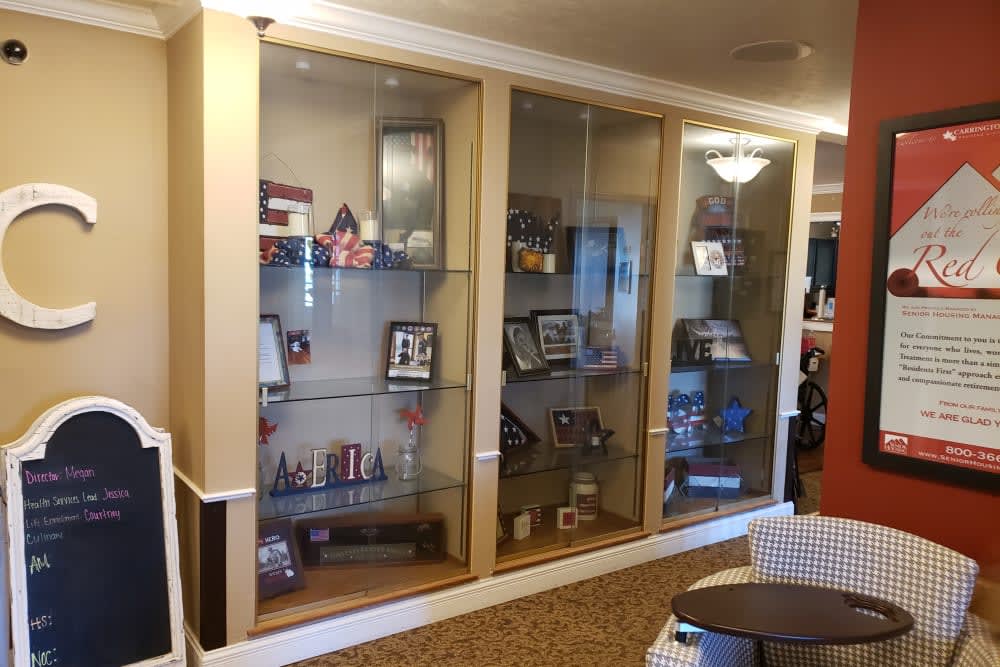
  • Interior

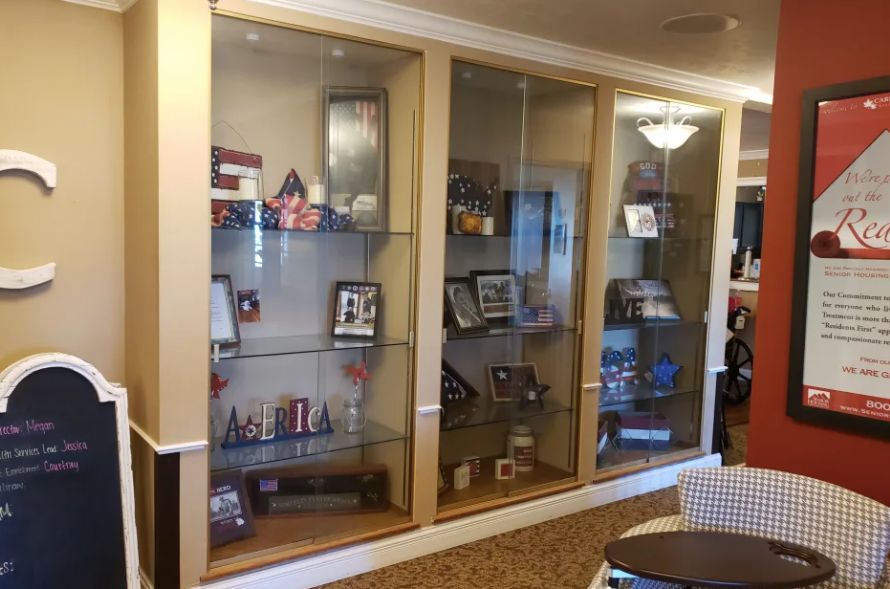
    A glass display case filled with memorabilia and framed photographs.
  • Outdoors

    Elderly friends enjoying a game of cards and coffee outdoors.
  • Decor

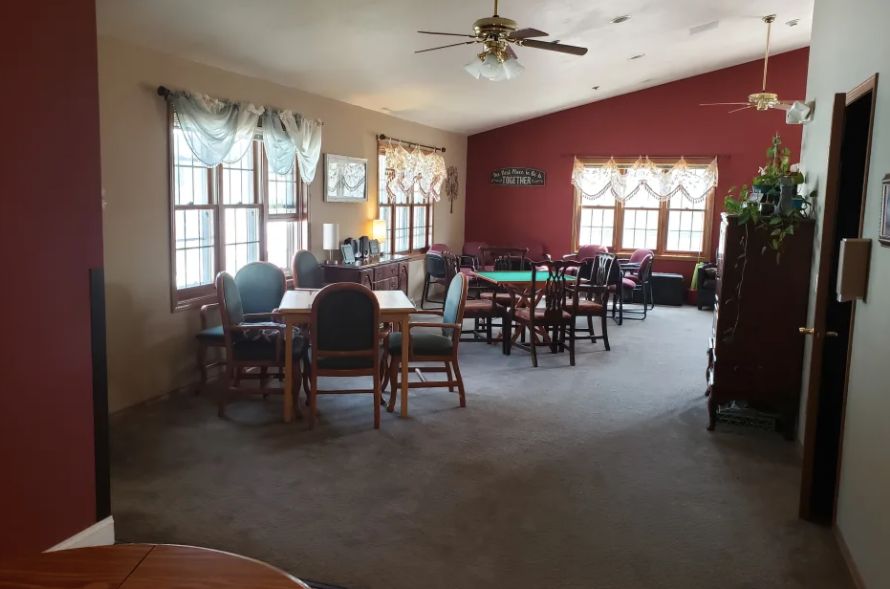
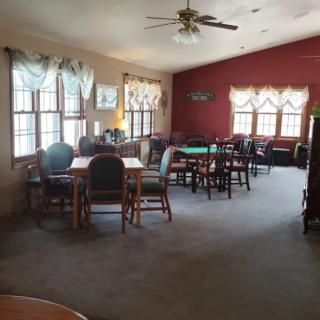
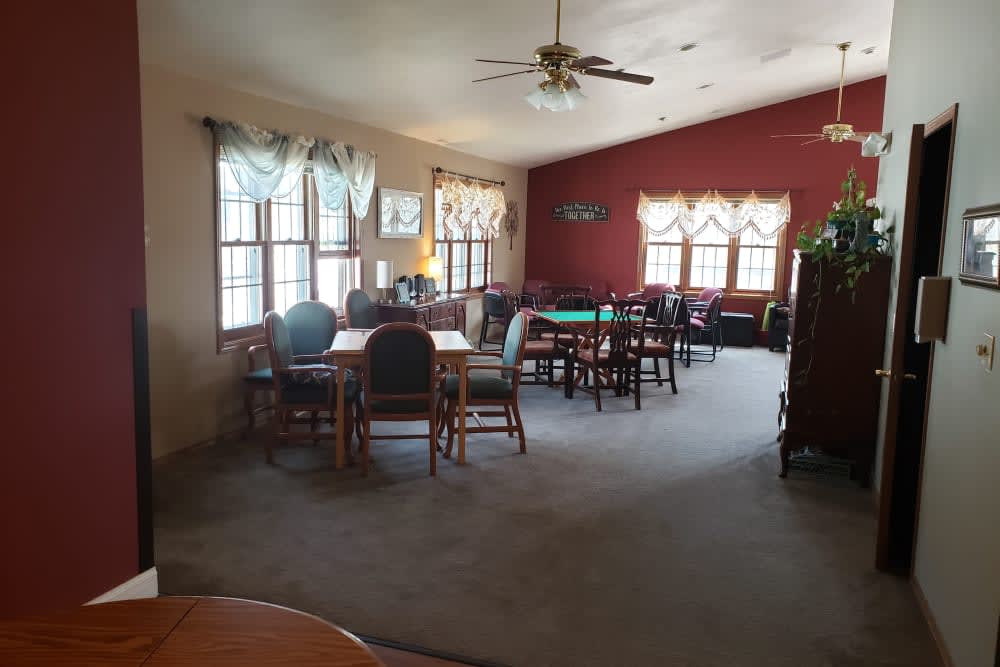
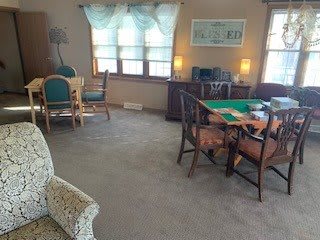
    A spacious room with multiple tables and chairs, featuring large windows with curtains and a ceiling fan.
  • Living Room

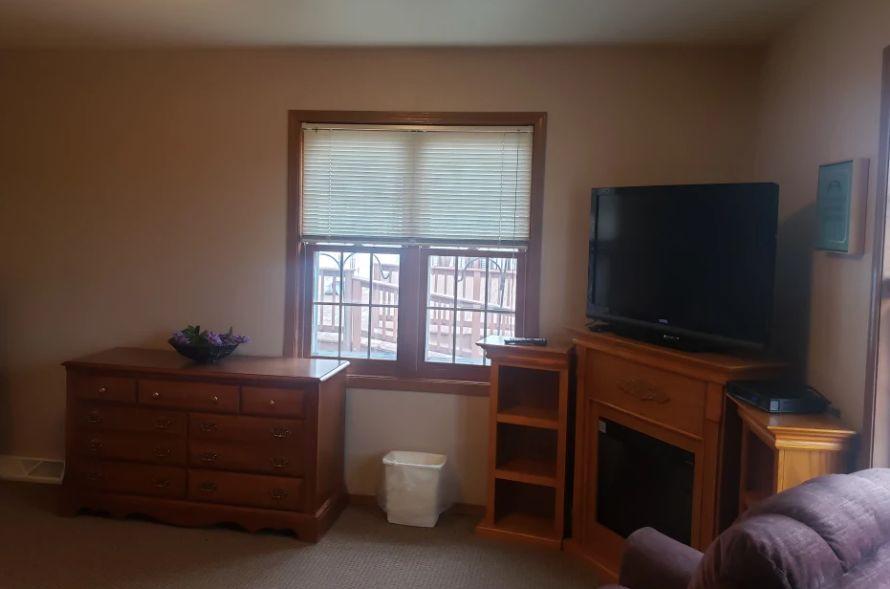
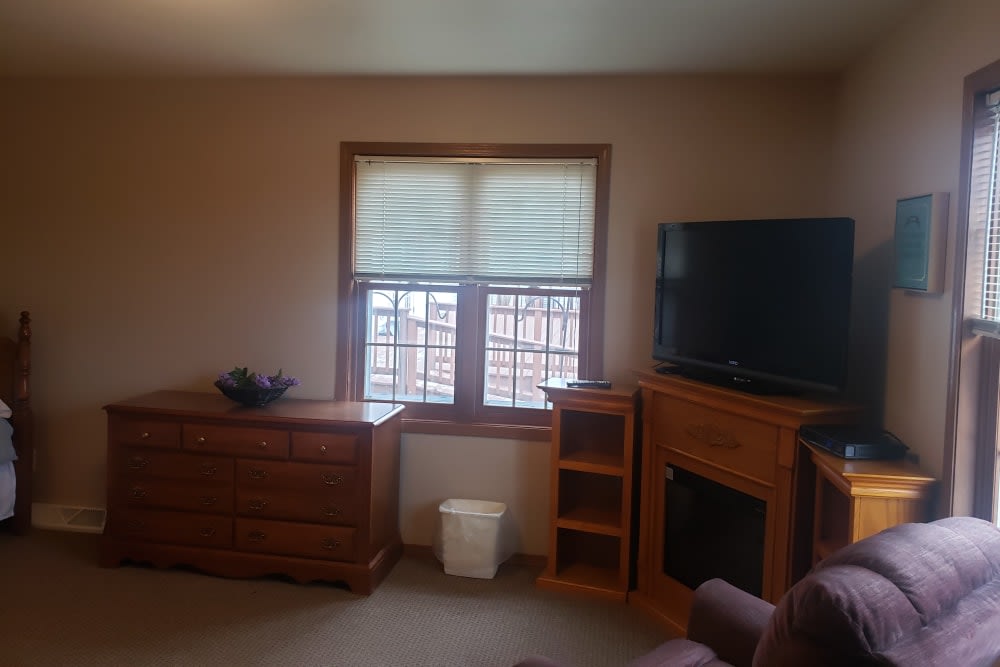
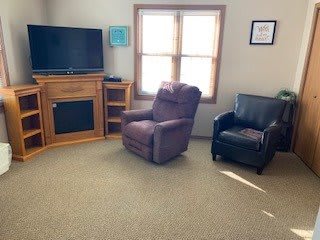
    A cozy living room corner featuring a television on a wooden stand, a dresser by the window, and soft natural light filtering through the blinds.
  • Architecture

    A beautiful suburban house with well-maintained landscaping.
  • Windows

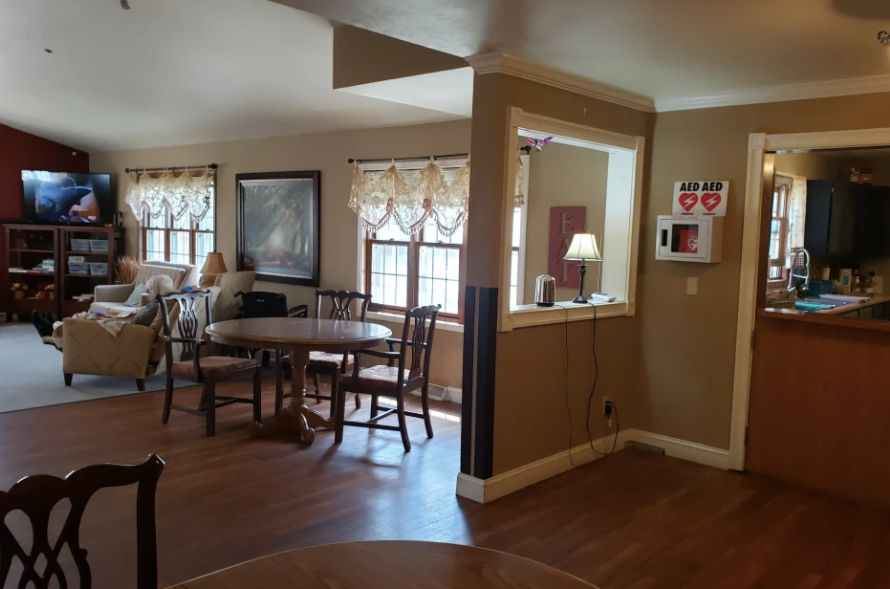
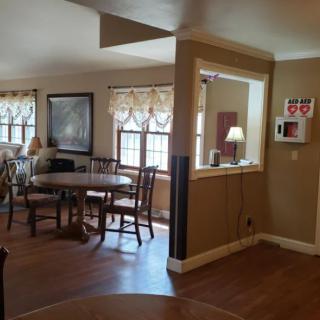
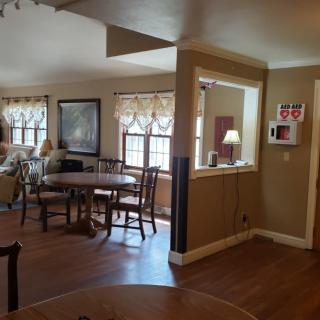
    A cozy dining area with a round table and chairs, featuring large windows and a warm decor.
  • Dining

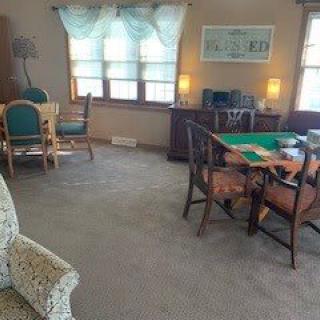
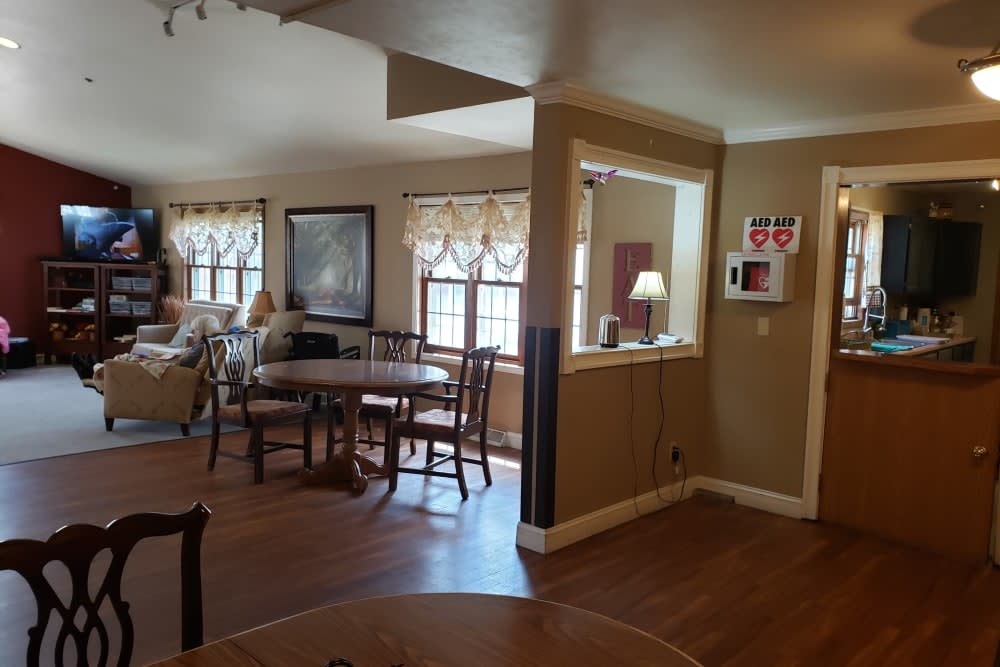
    Cozy living and dining area with carpeted flooring and a mix of furniture.
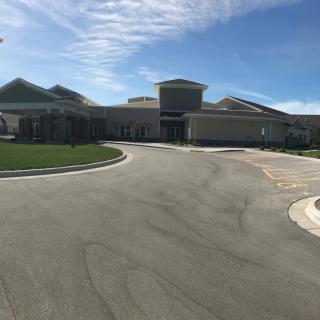
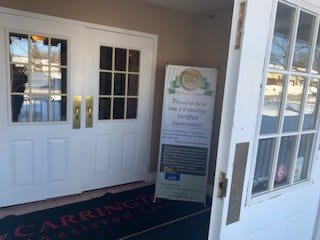
  • Entrance

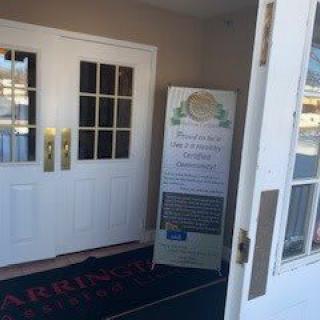
    An open entrance door leading to a building, with a sign displayed beside it.
  • Artwork

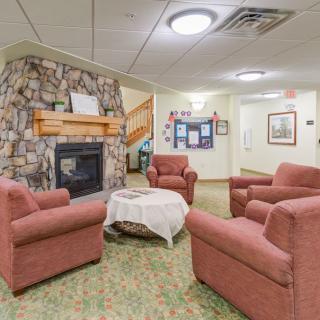
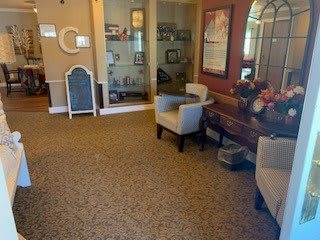
    A cozy lobby area with seating and decorative elements.
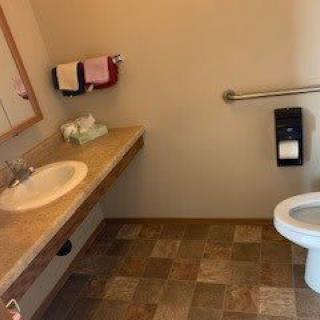
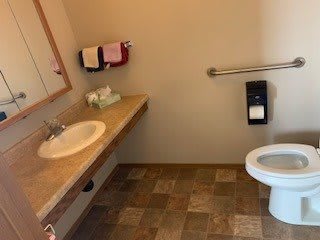
  • Bathroom

    A bathroom with a sink, mirror, and toilet, featuring tiled flooring and a handrail.
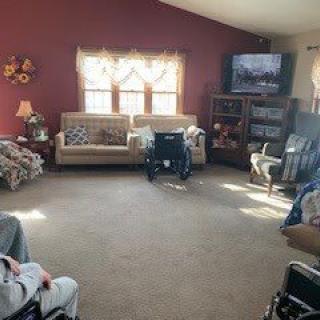
  • Television

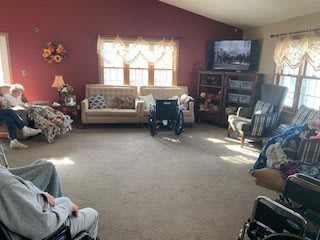
    A cozy living room with sofas, a television, and wheelchairs.
  • Interior Decor

    A glass display case showcasing various trophies and memorabilia in an interior setting.
  • Wheelchair

    A caregiver happily assists an elderly woman in a wheelchair indoors.
  • Coffee Station

    A joyful moment shared between a mother and daughter over coffee at home.

Carrington Assisted Living in Green Bay, WI

2626 Finger Road, Green Bay, WI 54302

For more information about senior living options: (844) 490-3973

4.1 from 40 reviews
5 stars
22
4 stars
8
3 stars
5
2 stars
1
1 stars
4

Assisted Living

Carrington Assisted Living Costs & Pricing

Carrington Assisted Living offers a semi-private room at a competitive monthly rate of $4,800, which positions it favorably against the broader market. Within Brown County, the average cost for similar accommodations rises to approximately $5,169, suggesting that Carrington provides a more economical option for residents seeking assisted living services in this region. When compared to the state average across Wisconsin, which stands at around $3,977 for semi-private accommodations, Carrington's pricing reflects its commitment to delivering quality care while remaining attentive to affordability. Overall, Carrington Assisted Living stands out as a viable choice for individuals and families navigating the costs associated with assisted living in both Brown County and throughout Wisconsin.

Floor plansCarrington Assisted LivingBrown CountyWisconsin
Semi-Private$4,800$5,169$3,977

Overall Review of Carrington Assisted Living

Pros

  • pro The staff are kind and caring, providing attentive and compassionate care for residents.
  • pro The facility feels like a home, offering a small, intimate community rather than an institutional setting.
  • pro The administrator is fair, accessible, and collaborates with staff and residents to resolve problems.
  • pro Residents can enjoy engaging activities and hobbies, such as coloring, painting, dancing, and baking.
  • pro Families feel reassured by timely communication and responsive caregivers.
  • pro The atmosphere is warm, welcoming, and like a family among staff and residents.
  • pro The community is pet-friendly and supports varied activities, including stretching, cooking, and gardening.
  • pro Rooms are roomy and personalized, with residents often adding their own furniture and decor.
  • pro The environment is clean, well-maintained, and the food is appreciated as part of the care.
  • pro Residents feel safe and well cared for, with staff who know them and meet their needs.

Cons

  • pro The facility was dirty, with holes in the carpet right through to the subfloor.
  • pro The kitchen drawers and cabinets were broken, and there was no therapy or activities department.
  • pro The food consisted of junk options like pizza and hot dogs, with little to no salads or greens.
  • pro The staff were insensitive and spent the bulk of their time avoiding the patients.
  • pro Promised improvements, such as a new deck before summer, never happened; peeling paint and boards popping up made the outdoor area unusable.
  • pro It is not a locked facility, and the lack of security is concerning, including escapees when door alarms aren't heard.
  • pro One reviewer called the place a nightmare with inept staff who failed to provide adequate help.

Review

Carrington Assisted Living in Green Bay is best suited for families seeking a distinctly home-like, small-community experience where staff know residents by name, respond quickly, and foster a true sense of family. With a footprint capped at about 20?22 residents, the setting leans toward intimate, individualized attention rather than the hospital atmosphere of larger campuses. This makes it a strong match for seniors who want a warm, participatory environment - boarding house warmth with the reassurance of organized care. Residents frequently decorate rooms, participate in hands-on activities like coloring, gardening, or baking, and enjoy a level of personal connection that larger facilities often miss. The overall vibe tends to reward daily engagement and personal choice, which matters for those who prize autonomy within a supportive, small-scale frame.

That said, Carrington may not be the best fit for every situation. Families facing high-acuity needs, advanced dementia requiring constant, highly specialized supervision, or a preference for a secure, lockdown-style setting may want alternatives. Several reviews flag the importance of adequate night staffing and dementia-specific training, along with the need for more robust clinical resources. For households prioritizing a spa, formal therapy departments, or a broad menu of high-end amenities, the property's more modest, neighborhood feel may feel limiting. Cost concerns also surface in some feedback, particularly when expectations include turnkey services that only larger campuses can advertise.

On the upside, the core advantages of Carrington tend to offset its drawbacks for the right resident. The small size cultivates genuine relationships; administrators and caregivers are described as fair, accessible, and responsive, and staff consistently earn praise for warmth and reliability. Families note prompt attention to concerns, a homey atmosphere that reduces the institutional feel, and a level of attentiveness rarely seen in bigger facilities. Cleanliness and food quality receive frequent accolades, with residents and families appreciating the option to customize meals to personal tastes. The sense of safety and belonging - often described as being "part of the family" - helps many navigate daily routines with dignity.

Where the balance tilts toward caution are the concrete gaps that show up in several reviews. Night-time staffing shortages, gaps in specialized dementia training, and the occasional maintenance or upgrade delay (for instance, promised outdoor enhancements that never materialized) can strain the sense of security and the facility's long-term reliability. A few comments describe rooms lacking private showers, a more limited outdoor area, and the absence of a formal therapy department or active, structured programming in some seasons. Security concerns surface in a couple of accounts that reference open entrances and less-than-tight monitoring, which matters for families prioritizing maximum protection. These issues are not universal, but they are real enough to require careful verification before a placement.

Nevertheless, the favorable factors tend to create real value when the plan aligns with resident needs. The intimate scale makes it easier to tailor routines, recognize personal preferences, and involve families in daily life; the staff's evident investment translates into meaningful daily engagement and timely help with hygiene, meals, and mobility. The reputation for a welcoming, "home-like" environment, combined with responsive administration, means that many families sleep better knowing their loved ones are in a space that feels less commercial and more like a trusted home. The upside rarely disappears simply because a larger campus could offer more bells and whistles; in many cases, Carrington delivers steadier consistency, warmer interactions, and a sense of belonging that proves decisive over flashier surroundings.

For decision-makers weighing options, concrete steps matter. Request current staffing ratios, especially night coverage, and ask for dementia-care credentials and ongoing training plans for the caregiving team. Inquire about security measures, door alarms, and response protocols; insist on a clear explanation of what constitutes the level of care included in the monthly rate and what would trigger additional charges. Tour the grounds at varying times to assess activity levels, staff engagement, and the availability of hands-on programs. Seek up-to-date references from current families, and request a sample care plan that demonstrates how mobility, nutrition, social participation, and cognitive stimulation are managed day-to-day. A tour should leave no room for vague answers; concrete examples and measurable promises matter.

Overall, Carrington Assisted Living represents a practical, compassionate choice for families seeking a small, neighborly setting where residents feel known and cared for. It excels when the priority is a warm, human-centered environment, steady staff presence, and meaningful daily interaction. It is less compelling for those requiring intense medical oversight, robust therapy infrastructure, or highly secure, expansive campuses. The decision hinges on balancing desire for a genuine home atmosphere against the need for security, advanced clinical services, and broader amenities. Tours, candid conversations about staffing and care requirements, and a clear, written cost comparison will determine whether Carrington delivers the right kind of peace of mind for the intended resident.

Features

Housing

  • 22 resident community capacity 22 resident community capacity
  • 1-bedroom apartments 1-bedroom apartments1-bedroom apartments are important for seniors because they provide a sense of independence, privacy, and autonomy while still offering the necessary space for comfortable living. These apartments allow seniors to maintain their own personal space and lifestyle preferences in a supportive community setting.
  • Studio apartments Studio apartmentsStudio apartments are important for seniors because they offer a smaller, more manageable living space that is easier to navigate and maintain as physical abilities decline. Additionally, studio apartments provide seniors with independence and privacy while still being part of a community that offers support and social opportunities.

Types of Care

  • Assisted Living Assisted LivingAssisted living facilities provide crucial support and care for seniors who may need help with daily tasks such as medication management, bathing, and meal preparation. These communities offer a safe and comfortable environment where seniors can maintain their independence while receiving the assistance they need to thrive in their golden years.

Pets

  • Cats allowed Cats allowed"Pet friendly" senior living communities are important for seniors because pets provide companionship, reduce feelings of loneliness and depression, promote physical activity and mental stimulation, and offer a sense of purpose and responsibility. Pets can improve overall well-being and quality of life for seniors in many ways.
  • Dogs allowed Dogs allowed"Pet friendly" senior living communities are important for seniors because pets provide companionship, reduce feelings of loneliness and depression, promote physical activity and mental stimulation, and offer a sense of purpose and responsibility. Pets can improve overall well-being and quality of life for seniors in many ways.

Amenities

  • Activities on-site Activities on-siteActivities on-site are important for seniors because they provide opportunities for socialization, mental stimulation, physical activity, and overall well-being. Engaging in activities can help seniors stay active, maintain their independence, and improve their quality of life.
  • Beautician on-site Beautician on-siteHaving a beautician on-site at a senior living community is important for seniors as it allows them to easily access grooming and personal care services, boosting their self-esteem and overall well-being. It also provides convenience and helps seniors maintain their sense of independence and personal style.
  • Beauty salon Beauty salonBeauty salons are important for seniors because they provide a space for them to feel pampered, socialize, and maintain their personal grooming and hygiene. Regular visits to a beauty salon can help boost seniors' self-esteem and overall well-being.
  • Cable or satellite TV Cable or satellite TVCable or satellite TV is important for seniors because it provides entertainment, news, and companionship, helping to combat loneliness and boredom. It also offers a wide range of programming options tailored to different interests and preferences.
  • Devotional services on-site Devotional services on-siteDevotional services on-site provide seniors with spiritual support and a sense of community, as well as an opportunity for reflection and guidance during their senior living experience. This can promote emotional well-being and connection to others, leading to a more fulfilling and enriching lifestyle in their later years.
  • Dining room Dining roomDining rooms are important for seniors as they provide a space for socialization, connection, and nutritious meals. They offer opportunities for residents to bond over shared meals, foster a sense of community, and promote healthy eating habits. Dining rooms also ensure that seniors have access to well-balanced meals tailored to their dietary needs and preferences.
  • Fully furnished Fully furnishedFully furnished senior living communities are important for seniors because they provide convenience, comfort, and a hassle-free moving experience. Seniors can easily settle into their new living space without the stress of having to buy and move furniture. This allows them to focus on enjoying their new home and community.
  • Gaming room Gaming roomGaming rooms are important for seniors as they provide a fun and engaging environment for socializing, cognitive stimulation, and physical activity. Games can improve memory, problem-solving skills, and overall mental well-being while fostering friendships and reducing feelings of isolation.
  • Garden GardenGardens are important for seniors as they provide a peaceful and therapeutic environment for relaxation, physical activity, and socialization. Being in nature has been shown to reduce stress, improve mood, and promote overall well-being. Gardens also offer opportunities for seniors to engage in gardening activities, which can improve mobility, flexibility, and cognitive function. Additionally, gardens create a sense of community and connection with others who share a passion for plants and outdoor spaces.
  • Ground floor units Ground floor unitsGround floor units are important for seniors because they provide easy accessibility, reduced risk of falls and injuries, and convenience for those with mobility issues. Seniors can avoid climbing stairs or using elevators, making daily tasks and activities more manageable and enjoyable.
  • Housekeeping services Housekeeping servicesHousekeeping services are important for seniors because they help maintain a clean and safe living environment, promote independence, and reduce the risk of accidents or illnesses. Additionally, having assistance with household chores can alleviate physical strain and allow seniors to focus on other aspects of their well-being.
  • Indoor common areas Indoor common areasIndoor common areas are crucial for seniors as they provide a space for socialization, recreation, and community engagement, promoting overall well-being and reducing feelings of isolation and loneliness.
  • Kitchenette KitchenetteKitchenettes are important for seniors living in senior living communities because they provide the convenience and independence of being able to prepare simple meals and snacks in the comfort of their own living space. This can help promote a sense of autonomy and well-being for seniors, allowing them to maintain some level of control over their dietary choices and daily routines.
  • Laundry LaundryLaundry services are important for seniors as they may have difficulty with physical tasks such as bending, lifting, or carrying heavy loads. Having access to laundry services can help seniors maintain personal hygiene, cleanliness, and independence in their daily lives.
  • Move-in coordination Move-in coordinationMove-in coordination is important for seniors because it helps ease the transition into their new living environment. It ensures that all logistics, such as packing, organizing movers, and setting up utilities are taken care of, allowing seniors to focus on settling in and adjusting to their new home. Having a smooth move-in process can alleviate stress and anxiety, making the transition smoother and more enjoyable for seniors.
  • Outdoor common areas Outdoor common areasOutdoor common areas are important for seniors as they provide a space for socialization, physical activity, and relaxation. Being outside in nature can improve mood and overall well-being, while also encouraging movement and engagement with others. These spaces can help combat feelings of isolation and promote a sense of community among residents.
  • Outdoor space Outdoor spaceOutdoor spaces are important for seniors as they provide opportunities for physical activity, social interaction, exposure to natural light and fresh air, and a sense of connection to nature. Having access to outdoor spaces can improve overall well-being and quality of life for older adults living in senior communities.
  • Party space Party spaceHaving access to party space is important for seniors as it provides opportunities for socialization, connection, and enjoyment. These spaces allow seniors to celebrate special occasions, host gatherings with friends and family, and participate in community events, enhancing their overall well-being and quality of life.
  • Respite or short term stays offered Respite or short term stays offeredRespite or short term stays provide seniors with a temporary solution when their regular caregiver is unavailable, offering them the opportunity to receive additional care and support during times of need, while also giving caregivers a chance to rest and recharge.
  • Restaurant-style dining Restaurant-style diningRestaurant-style dining is important for seniors because it allows them to enjoy delicious, nutritious meals in a social and upscale setting. This enhances their dining experience, promotes healthy eating habits, and fosters socialization with fellow residents, ultimately contributing to their overall well-being and quality of life.
  • Small library Small librarySmall libraries are important for seniors as they provide access to a variety of reading materials, including books, newspapers, and magazines. This can help stimulate their minds, keep them engaged, and provide a sense of community through book clubs and other social activities. Additionally, reading has been shown to improve cognitive function and overall mental well-being in older adults.
  • Spa SpaSpas are important for seniors because they provide relaxation, stress relief, and therapeutic benefits which can improve their overall well-being and quality of life. Additionally, spa treatments such as massages, hydrotherapy, and aromatherapy can help alleviate common age-related ailments such as arthritis, joint pain, and circulation issues. Seniors deserve to enjoy a pampering experience that promotes physical and emotional wellness.
  • TV room TV roomTV rooms are important for seniors in senior living communities because they provide a space for social interaction, entertainment, and relaxation. Watching TV can help reduce feelings of loneliness and boredom, and create a sense of community among residents. Additionally, TV rooms offer a break from daily routines and can be a source of comfort and familiarity for seniors.
  • Telephone TelephoneTelephones are important for seniors as they provide a lifeline for communication with loved ones, emergency services, and healthcare providers. They offer a sense of security and independence, enabling seniors to stay connected and access assistance when needed.
  • Wheelchair accessible showers Wheelchair accessible showersWheelchair accessible showers are crucial for seniors as they provide a safe and independent bathing option for those with mobility challenges. These showers help prevent falls and allow seniors to maintain their dignity and autonomy while ensuring they can bathe comfortably.
  • Wi-Fi/high-speed internet available Wi-Fi/high-speed internet availableWi-Fi/high-speed internet is important for seniors to stay connected with loved ones, access online resources, and participate in virtual activities to combat feelings of loneliness and isolation. It also allows them to easily manage healthcare needs, access entertainment, and engage in lifelong learning opportunities.

Transportation

  • Austin Straubel International (9 miles away) Austin Straubel International (9 miles away)
  • Transportation & parking Transportation & parkingTransportation and parking are vital for seniors as they offer access to essential services, activities, and social interactions. Reliable transportation options can help seniors maintain independence, stay connected within their community, and enjoy a higher quality of life. Additionally, convenient parking facilities ensure that seniors can easily access necessary resources and amenities without added stress or difficulty.

Care Services

  • 24-hour call system 24-hour call system24-hour call systems are important for seniors because they provide peace of mind and immediate assistance in case of emergencies. This technology ensures that help is always available, promoting safety and security for elderly individuals living alone or in assisted living facilities.
  • 24-hour supervision 24-hour supervision24-hour supervision is important for seniors to ensure their safety, well-being, and access to immediate assistance in case of emergencies or health issues. This constant support provides peace of mind for both seniors and their loved ones, allowing them to age in place with dignity and security.
  • Activities of daily living assistance Activities of daily living assistanceActivities of daily living assistance are important for seniors because they provide essential support with tasks such as eating, bathing, dressing, and mobility. This assistance helps seniors maintain their independence, dignity, and overall quality of life as they age.
  • Assistance with bathing Assistance with bathingAssistance with bathing is crucial for seniors as it helps maintain personal hygiene, prevents infections, and ensures their overall well-being and comfort. It also provides a sense of dignity and independence for seniors who may struggle with this task on their own.
  • Assistance with dressing Assistance with dressingAssistance with dressing is important for seniors because it helps maintain their independence, promotes personal hygiene, prevents accidents and injuries, and improves overall quality of life. This service ensures that seniors can continue to dress comfortably and confidently, despite any physical limitations they may have.
  • Assistance with transfers Assistance with transfersAssistance with transfers is crucial for seniors as it helps prevent falls and injuries, maintains their independence, and ensures they can safely navigate their living environment. It also provides peace of mind for both seniors and their loved ones.
  • Diabetes diet Diabetes dietA diabetes diet is crucial for seniors as it helps manage blood sugar levels, reduce risks of complications, and improve overall health and well-being. By following a balanced and nutritious diet tailored to their specific needs, seniors can better control their diabetes and enhance their quality of life.
  • Diabetic care Diabetic careDiabetic care is crucial for seniors as they are more susceptible to developing diabetes due to aging and other health conditions. Proper management of diabetes can help prevent complications such as heart disease, vision loss, and nerve damage, improving the overall quality of life for seniors in senior living communities.
  • High acuity care High acuity careHigh acuity care is important for seniors because it provides specialized medical attention and support for individuals with complex medical needs. This level of care ensures that seniors receive the appropriate treatment and assistance to maintain their health and quality of life as they age.
  • Hospice care Hospice careHospice care is important for seniors as it provides specialized end-of-life support, pain management, and emotional comfort for both the senior and their loved ones. It allows seniors to maintain dignity, receive personalized care, and spend their remaining time in a peaceful and comfortable environment.
  • Incontinence care Incontinence careIncontinence care is essential for seniors to maintain their dignity, hygiene, and overall quality of life. By addressing incontinence issues promptly and effectively, seniors can enjoy a sense of independence and comfort in their daily activities.
  • Meal preparation and service Meal preparation and serviceMeal preparation and service are crucial for seniors as they may have limited mobility or energy to cook nutritious meals. Having access to healthy and convenient food options can ensure they are getting the proper nutrition needed to maintain their overall health and well-being.
  • Medication management Medication managementMedication management is crucial for seniors to ensure they are taking the right medications at the correct dosages and times. This helps prevent adverse drug interactions, reduces the risk of medication errors, and promotes overall health and well-being. Proactive management also allows for adjustments as needed based on changing health conditions or new prescriptions.
  • Mental wellness program Mental wellness programMental wellness programs are essential for seniors as they promote cognitive stimulation, emotional support, and social engagement. These programs help prevent isolation, depression, and cognitive decline, ultimately enhancing the overall quality of life for older adults.
  • Personal care assistants Personal care assistantsPersonal care assistants are essential for seniors as they provide assistance with daily tasks, such as dressing, bathing, and medication management. They offer crucial support and companionship to help seniors maintain independence and quality of life in their own homes or in senior living communities.
  • Special dietary restrictions Special dietary restrictionsSpecial dietary restrictions are important for seniors because age-related changes in metabolism and health conditions can make it difficult for their bodies to process certain foods. By following a diet tailored to their specific needs, seniors can maintain their overall health and well-being, manage chronic conditions, and reduce the risk of complications such as malnutrition or food interactions with medications.

Dining

  • Diabetes diet Diabetes dietA diabetes diet is crucial for seniors as it helps manage blood sugar levels, reduce risks of complications, and improve overall health and well-being. By following a balanced and nutritious diet tailored to their specific needs, seniors can better control their diabetes and enhance their quality of life.
  • Gluten-free Gluten-freeGluten-free options are important for seniors as they are more prone to digestive issues and dietary sensitivities. Offering gluten-free meal choices in senior living communities can help improve their overall health and well-being.
  • Guest meals Guest mealsGuest meals are important for seniors living in senior living communities because they provide an opportunity for socialization and companionship. Sharing a meal with friends, family, or new acquaintances can help combat feelings of loneliness and isolation, promote a sense of community, and enhance overall well-being. Additionally, guest meals allow seniors to enjoy delicious food in a comfortable setting without the hassle of cooking or cleaning up, making dining a pleasurable and stress-free experience.
  • Low / no sodium Low / no sodiumLow/no sodium options are important for seniors because excessive sodium intake can lead to high blood pressure, heart disease, and other health issues commonly experienced by older adults. By choosing low/no sodium foods, seniors can better manage their health and reduce their risk of developing these conditions.
  • Meals provided Meals provided"Meals provided" are crucial for seniors in assisted living communities as it ensures they have access to nutritious, balanced meals without the stress of meal planning and preparation. This can help promote overall health and well-being for seniors who may have limited mobility or cognitive abilities.
  • Restaurant style dining Restaurant style diningRestaurant style dining is important for seniors as it offers them a social and enjoyable dining experience, promotes healthy eating habits, and provides personalized menu options to cater to their dietary needs and preferences. This type of dining setting can enhance their overall quality of life and create a sense of community within the senior living facility.
  • Room service Room serviceRoom service is important for seniors in a senior living community because it provides convenience and allows them to have their meals delivered directly to their room. This can be especially beneficial for seniors who may have mobility issues or difficulty accessing the dining area. Room service ensures that seniors are able to receive nutritious meals without having to navigate through the facility, allowing them to maintain their independence and overall well-being.
  • Special dietary restrictions Special dietary restrictionsSpecial dietary restrictions are important for seniors because age-related changes in metabolism and health conditions can make it difficult for their bodies to process certain foods. By following a diet tailored to their specific needs, seniors can maintain their overall health and well-being, manage chronic conditions, and reduce the risk of complications such as malnutrition or food interactions with medications.
  • Special dining programs Special dining programsSpecial dining programs are important for seniors because they provide nutritious meals tailored to their dietary needs and preferences. These programs also offer socialization opportunities, promote overall health and well-being, and can help prevent malnutrition.
  • Vegetarian VegetarianA vegetarian diet is important for seniors because it can help lower the risk of chronic diseases, maintain a healthy weight, and provide essential nutrients needed for aging bodies. Additionally, plant-based diets are often easier on digestive systems and can contribute to overall well-being in older adults.

Activities

  • Activities on-site Activities on-siteActivities on-site are important for seniors because they provide opportunities for socialization, mental stimulation, physical activity, and overall well-being. Engaging in activities can help seniors stay active, maintain their independence, and improve their quality of life.
  • BBQs or picnics BBQs or picnicsBBQs or picnics provide seniors with social interaction, enjoyment of the outdoors, and a sense of community, contributing to their overall well-being and quality of life.
  • Birthday parties Birthday partiesBirthday parties are important for seniors as they provide an opportunity for celebration, socialization, and joy. They allow seniors to feel special and appreciated, boosting their mood and overall well-being. Additionally, birthday parties can help combat feelings of isolation and loneliness by fostering connections with friends, family, and community members.
  • Catholic services Catholic servicesCatholic services are important for seniors because they provide spiritual support, a sense of community, and opportunities for social interaction that can enhance overall well-being and quality of life in their later years.
  • Community-sponsored activities Community-sponsored activitiesCommunity-sponsored activities are important for seniors as they provide opportunities for social interaction, mental stimulation, and physical activity. These activities can help improve overall well-being, combat loneliness and isolation, and promote a sense of belonging and purpose among older adults.
  • Cooking classes Cooking classesCooking classes are important for seniors as they provide opportunities for social interaction, enhance cognitive skills, promote healthy eating habits, and boost confidence in the kitchen.
  • Devotional activities on-site Devotional activities on-siteDevotional activities on-site provide seniors with a sense of community, spiritual fulfillment, and emotional support, promoting overall well-being and a positive sense of purpose in their lives.
  • Gardening club Gardening clubGardening clubs are important for seniors because they provide a sense of community, promote physical activity and mental well-being, and offer opportunities for socialization and connection with nature. Gardening can also improve cognitive function and overall quality of life for seniors.
  • Holiday parties Holiday partiesHoliday parties are important for seniors because they provide opportunities for socialization, community involvement, and mental stimulation. These festive events offer a sense of belonging and connection during a time that can be lonely for many older adults. Additionally, participating in holiday celebrations can boost mood and overall well-being for seniors living in senior living communities.
  • Live musical performances Live musical performancesLive musical performances can provide seniors with a sense of joy, nostalgia, and connection. Music has the power to evoke emotions and memories, improve mood and cognitive function, and foster social interaction among seniors. It can also serve as a form of therapy and stress relief for older adults, making it an important activity to include in senior living communities.
  • Live well programs Live well programs"Live well programs are essential for seniors as they provide opportunities for physical activity, social engagement, and mental stimulation, ultimately promoting overall health and well-being in later years."
  • Resident-run activities Resident-run activitiesResident-run activities are important for seniors as they encourage social interaction, creativity, and a sense of autonomy. These activities empower seniors to stay engaged and active in their community while fostering meaningful connections with their peers.
  • Scheduled daily activities Scheduled daily activitiesScheduled daily activities are important for seniors because they provide structure, socialization, mental stimulation, and physical activity. Engaging in regular activities can improve overall well-being and quality of life for seniors living in a community setting.
  • Stretching classes Stretching classesStretching classes are important for seniors because they help improve flexibility, reduce the risk of injury, and promote overall health and well-being. Regular stretching can also help alleviate joint pain and stiffness, enhance balance and coordination, and increase range of motion.
  • Trivia games Trivia gamesTrivia games are important for seniors because they provide mental stimulation, social interaction, and a fun way to keep the mind sharp. They can help improve memory, cognitive function, and overall well-being in older adults.
  • Wii bowling Wii bowlingWii bowling is important for seniors as it provides a fun and engaging way to stay active, socialize, and improve hand-eye coordination. It can help prevent isolation, boost mental well-being, and promote physical fitness in a safe and accessible manner.

Description

Carrington Assisted Living in Green Bay, WI offers a comfortable and convenient living arrangement for seniors in need of assistance with daily activities. Our community features spacious studio apartments that are fully furnished and equipped with all the necessary amenities to ensure a pleasant stay.

Residents can indulge in various on-site amenities, including a beauty salon and beautician services, cable or satellite TV, gaming room, small library, spa, TV room, and Wi-Fi/high-speed internet. There are also indoor and outdoor common areas available for socializing or relaxation. For those who enjoy spending time outdoors, we have a beautiful garden and outdoor space where residents can take in the fresh air.

We understand the importance of delicious and nutritious meals, which is why we offer restaurant-style dining with special dietary restrictions accommodated. Our dedicated staff provides meal preparation and service as well as assistance with diabetes diets and diabetic care.

At Carrington Assisted Living, we believe in promoting an active lifestyle for our residents. We offer a wide range of activities to keep them engaged, such as BBQs or picnics, cooking classes, gardening club, holiday parties, live musical performances, resident-run activities, stretching classes, trivia games, and Wii bowling. Additionally, devotional services are available on-site for those seeking spiritual fulfillment.

Convenience is key at Carrington Assisted Living. We are located near several cafes, parks, pharmacies, physicians' offices, restaurants, places of worship,and theaters. Transportation services are provided along with ample parking spaces for residents who prefer to drive.

In terms of care services provided at our community includes 24-hour supervision by our attentive staff members who assist with activities of daily living such as bathing,dressing,and transferring. We also offer high acuity care for those with more complex medical needs along with hospice care if required.We provide incontinence care along with medication management to ensure the health and well-being of every resident.Our mental wellness program promotes emotional and psychological well-being.

Choose Carrington Assisted Living for a nurturing and vibrant community where residents receive exceptional care, enjoy a variety of amenities and activities, and have access to convenient nearby facilities.

Nearby Places of Interest

This particular area of Green Bay, Wisconsin, offers a variety of amenities and services that may be appealing for senior living. The proximity to restaurants such as Applebee's, Perkins, and Culver's provides convenient dining options, while cafes like Panera Bread offer a cozy atmosphere for socializing. Additionally, access to healthcare is readily available with physicians' offices like Forefront Dermatology and the Vince Lombardi Cancer Clinic nearby. Pharmacies such as Aurora Pharmacy and Walgreens are easily accessible for medication needs. The presence of hospitals like Aurora BayCare Emergency Department and ABMC - Nicu ensures prompt medical attention if necessary. Parks like Christa McAuliffe Park offer opportunities for outdoor activities and relaxation, while places of worship like Spring Lake Church provide spiritual support for those seeking it in the community. Overall, this area provides a blend of conveniences and services that cater to senior residents looking for a comfortable and well-equipped living environment.

Restaurants

  • Applebee's (0.5 miles)
  • Anduzzis East (0.7 miles)
  • McDonald's (0.7 miles)
  • Perkins Restaurant and Bakery (0.7 miles)
  • Culver's (0.8 miles)
  • Green Tea (0.8 miles)
  • China Buffet (0.9 miles)

Cafes

  • Panera Bread (0.6 miles)
  • Julie's Cafe & Catering (1.7 miles)
  • Starbucks (2.7 miles)

Theaters

  • Green Bay East Cinema Green Bay, Wi (0.7 miles)

Physicians

  • Forefront Dermatology Green Bay, WI - Superior Road (0.7 miles)
  • Vince Lombardi Cancer Clinic (0.9 miles)
  • Donald Massenburg, MD, PhD (1 miles)
  • Prevea Clinic (1 miles)
  • Rai Ashok Prevea Orthopedics (1 miles)
  • Napier Jr James L MD Napier, James, L, Jr, MD (1 miles)
  • Baycare Clinic Neurological Surgeons (1 miles)

Pharmacies

  • Aurora Pharmacy (0.9 miles)
  • Walgreens (1.1 miles)
  • Aurora Pharmacy (1.3 miles)
  • Walgreens (1.9 miles)
  • Walgreens (2.2 miles)
  • CVS Pharmacy (2.3 miles)
  • Walgreens (2.5 miles)

Hospitals

  • Aurora BayCare Emergency Department (1 miles)
  • Abmc - Nicu (1 miles)
  • Abmc - Icu (1.1 miles)
  • ABMC Resource Library (1.1 miles)
  • ABMC - Security Office (1.2 miles)
  • Brown County Community Treatment (2.2 miles)
  • Aurora BayCare OB/GYN (2.3 miles)

Parks

  • Christa McAuliffe Park (1.4 miles)
  • Dog Walking Street (1.7 miles)
  • Farlin Park (2.6 miles)

Places of Worship

  • Spring Lake Church (2.8 miles)

Frequently Asked Questions

How much does it cost to live at Carrington Assisted Living in Green Bay, WI?
What floor plans and room types does Carrington Assisted Living offer?
Where is Carrington Assisted Living?
Does Carrington Assisted Living allow residents to have pets?
What photos are available for Carrington Assisted Living in Green Bay, Wisconsin?

Nearby Communities

  • Lasalle House

    Lasalle House

    Green Bay, WI


    pro Small, intimate setting with personalized care and comprehensive on-site services.

  • Lss Preble House

    Lss Preble House

    Green Bay, WI


    pro Comprehensive care with furnished apartments and meal service.

  • Newberry Hill

    Newberry Hill

    Green Bay, WI


    pro Specialized memory care with 24/7 supervision and comprehensive amenities (meals, housekeeping, transportation).

  • Superior Road Adult Family Home

    Superior Road Adult Family Home

    Green Bay, WI


    pro Personalized care with memory care and 24/7 supervision in a small 4-bed community.

  • Pecan House

    Pecan House

    Green Bay, WI


    pro Fully furnished units with comprehensive assisted living services, meals, housekeeping, and outdoor spaces.

  • Enriched Lifestyles Hemlock

    Enriched Lifestyles Hemlock

    Green Bay, WI


    pro Fully furnished apartments with meals, housekeeping, care coordination, and activities.

  • Oak Park Place Green Bay

    Oak Park Place Green Bay

    Green Bay, WI

    4.7 from 98 reviews
    $4,440 to $5,073 / month

    pro Caring staff in a clean, welcoming community with diverse activities and restaurant-style dining.

  • The Village at Eden Vista Green Bay

    The Village at Eden Vista Green Bay

    Green Bay, WI

    4.3 from 25 reviews
    $2,800 to $3,800 / month

    pro Friendly staff, engaging activities, and spacious apartments with good family communication.

  • Woodside Lutheran Home

    Woodside Lutheran Home

    Green Bay, WI

    2.9 from 33 reviews
    $621 to $6,540 / month

    pro Caring staff and a clean, well-maintained facility with active on-site programs.

Related Resources

  • does medicare pay for assisted livingMedicare Coverage for Assisted Living: An In-Depth Exploration

    Medicare does not cover assisted living costs, as it focuses on acute medical needs and short-term care, with exceptions for certain medically necessary services like physical therapy. Individuals must explore other options such as Medicaid, veterans' benefits, or long-term care insurance to manage these expenses effectively.

  • assisted living vs nursing homeChoosing the Right Senior Care: A Detailed Exploration of Assisted Living and Nursing Homes

    Choosing between assisted living and nursing homes involves evaluating emotional and financial factors, with assisted living offering independence and support for daily activities at a lower cost, while nursing homes provide intensive medical care for individuals with significant health needs. The decision is influenced by personal preferences, health status, cognitive function, and varying Medicaid coverage across states.

  • assisted living costUnderstanding the True Cost of Assisted Living in 2025: A Comprehensive Guide

    Assisted living in 2025 offers a crucial balance of independence and support for seniors, with costs varying from $2,500 to over $7,000 per month based on factors such as location and care level. Understanding pricing complexities, including regional differences and potential hidden fees, is essential for families to plan financially while ensuring quality care for their loved ones.