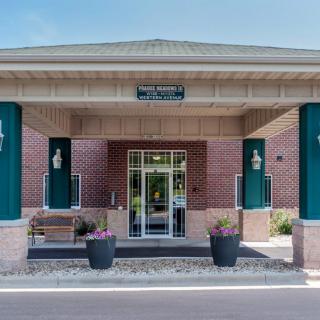
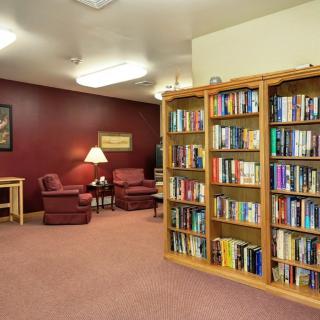
W168 N11374 Western Avenue, Germantown, WI 53022
To contact a resident: (262) 532-0974
For more information about senior living options: (866) 208-4318
Prairie Meadows II & III Costs & Pricing
Prairie Meadows II & III offers a competitive pricing structure for its residents, particularly when compared to the broader benchmarks of Waukesha County and the state of Wisconsin. For a one-bedroom unit, residents pay $819 per month, which is significantly lower than the county average of $2,752 and the state average of $3,412. Similarly, two-bedroom apartments at Prairie Meadows are priced at $980 monthly, again favorably contrasted with Waukesha County's average of $2,524 and Wisconsin's statewide average of $3,111. This cost-effective approach underscores Prairie Meadows II & III as an appealing option for individuals and families seeking quality housing without the burden of excessive costs.
| Floor plans | Prairie Meadows II & III | Waukesha County | Wisconsin |
|---|---|---|---|
| 1 Bedroom | $819 | $2,752 | $3,412 |
| 2 Bedrooms | $980 | $2,524 | $3,111 |
Senior living communities with a similar price nearby
-
from -$83 / mo
Quail Pointe
$736 to $893 / month11.7 miles away -
from -$42 / mo
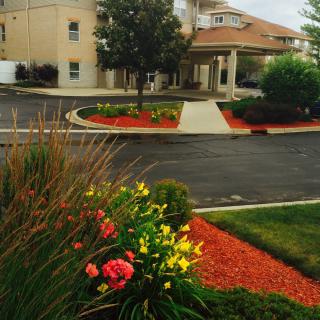
Brenwood Park
$777 to $932 / month23.1 miles away -
from +$41 / mo

Hawthorne Terrace Apartments
$860 to $1,220 / month13.6 miles away -
from -$148 / mo

Clare Heights
$671 to $821 / month19.3 miles away -
from -$69 / mo
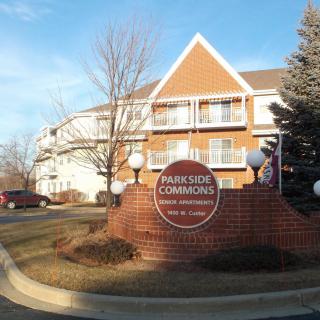
Parkside Commons Senior Apartments
$750 to $850 / month12.0 miles away
Overall Review of Prairie Meadows II & III
Pros
 The complex is well maintained.
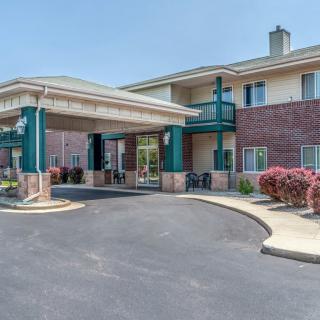
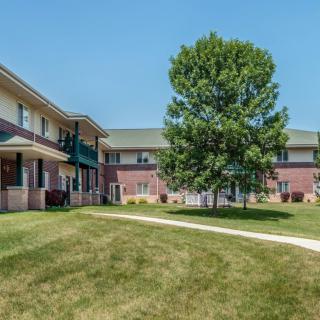
- The place is gorgeous.
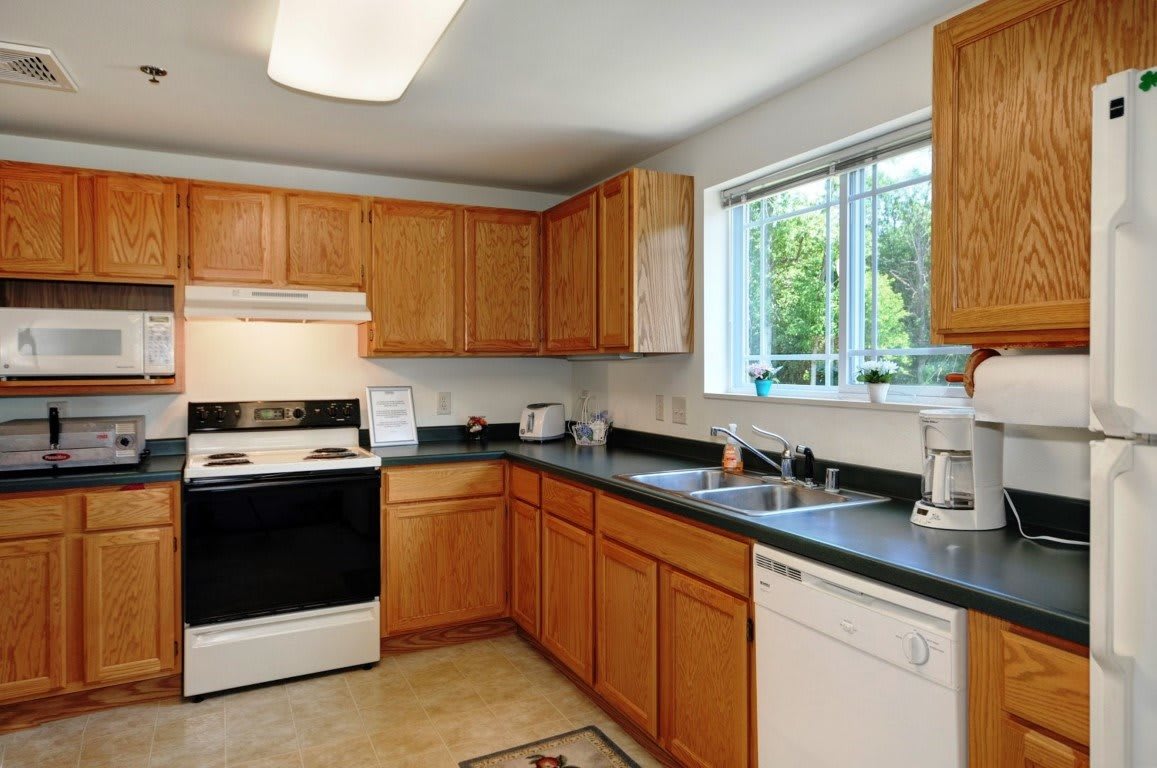
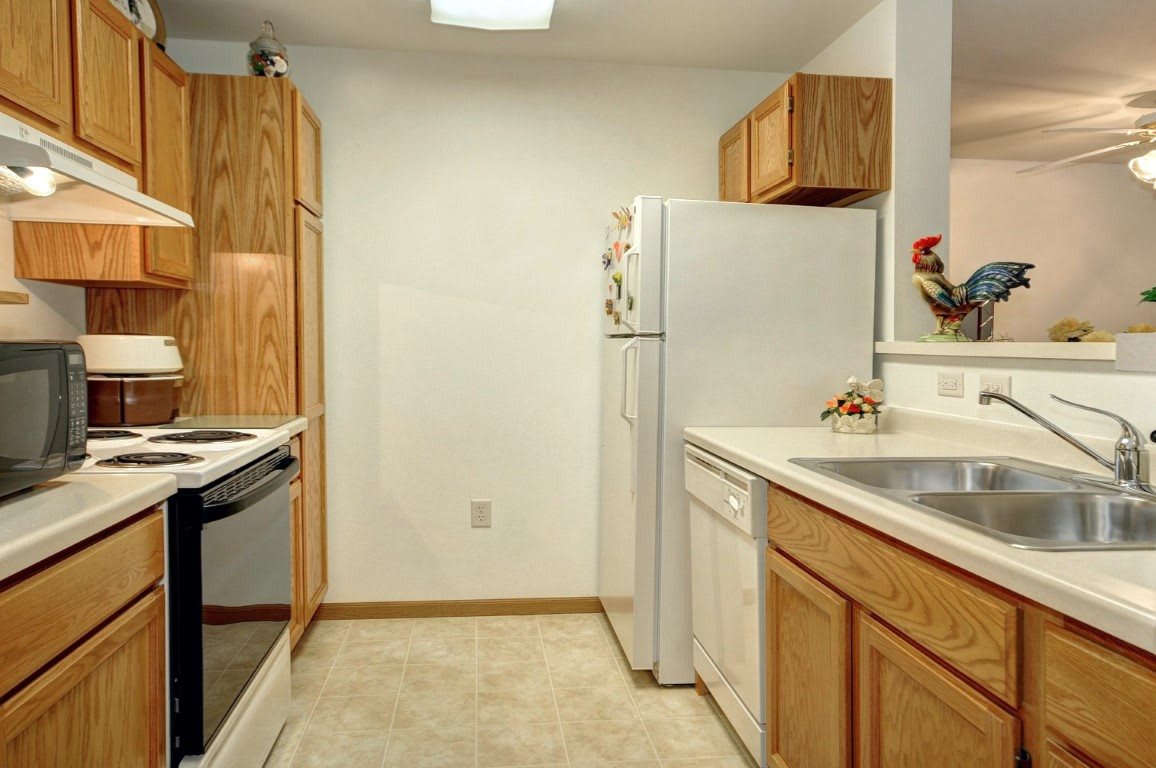
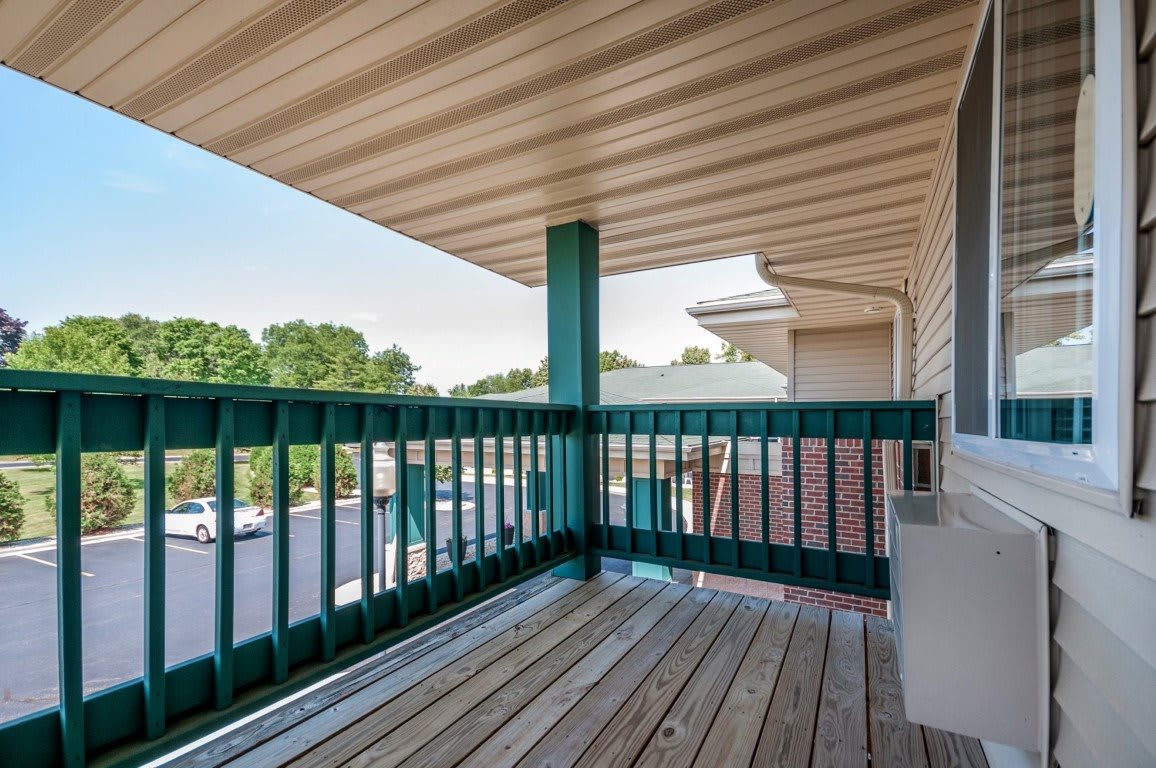
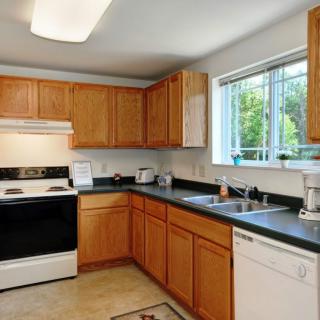
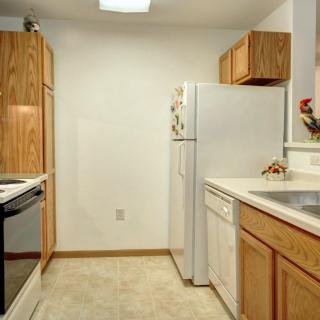
- The apartments are very nice.
- The environment is very nice and clean, with excellent security.
- Everyone has been really friendly.
Cons
 The management is uncaring toward residents, even after major surgeries.
 - The owners asked a resident to leave despite doctors’ recommendations for an extension.
- The owners told residents to hire movers rather than offering any extension.
- The company that owns Prairie Meadows is accused of screwing over elderly residents and neglecting low-income housing.
- Management is awful, with slow responses and forcing extra rent after a death.
- The administrator is unresponsive, with a full mailbox and no return calls.
- The washers have been broken for six months, and the owner refuses to fix them.
Review
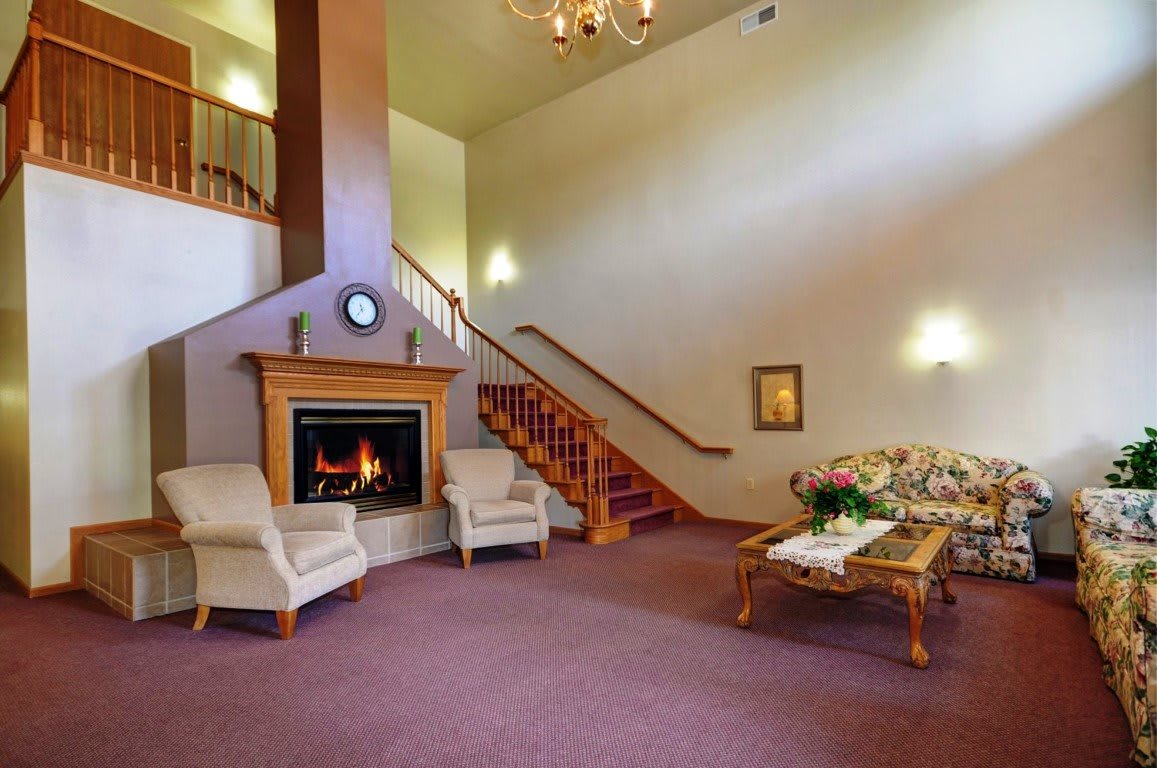
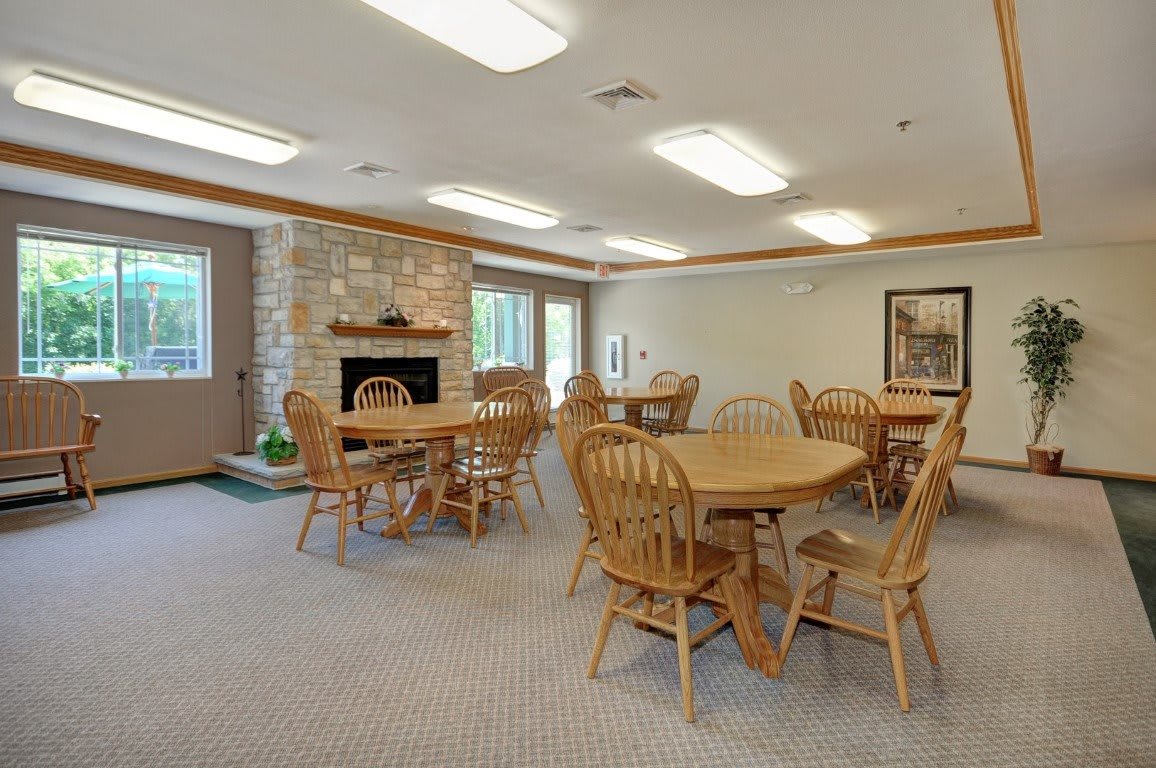
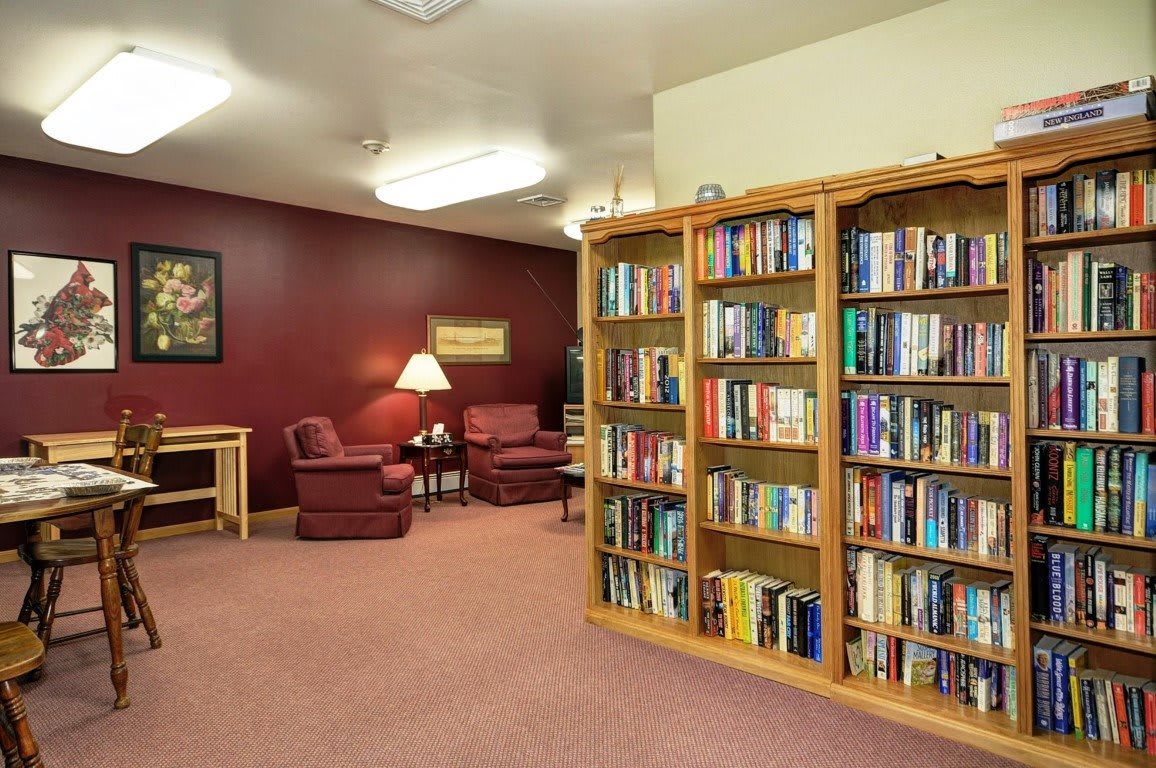
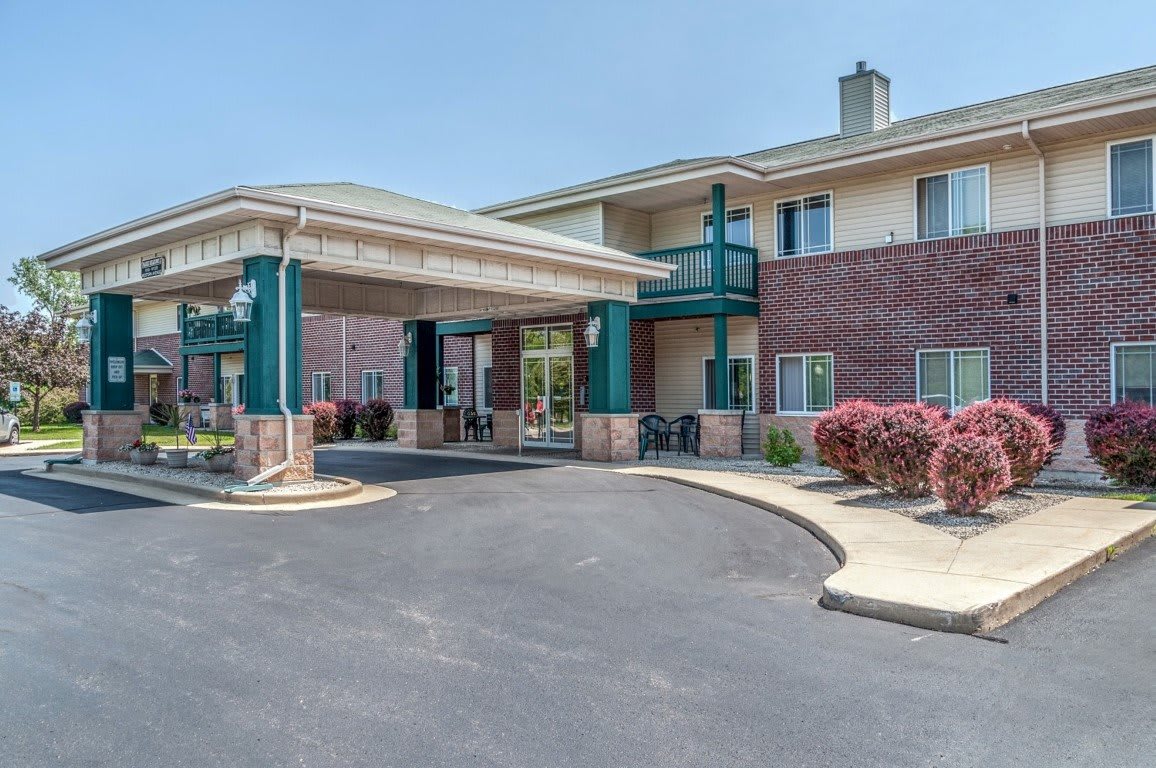
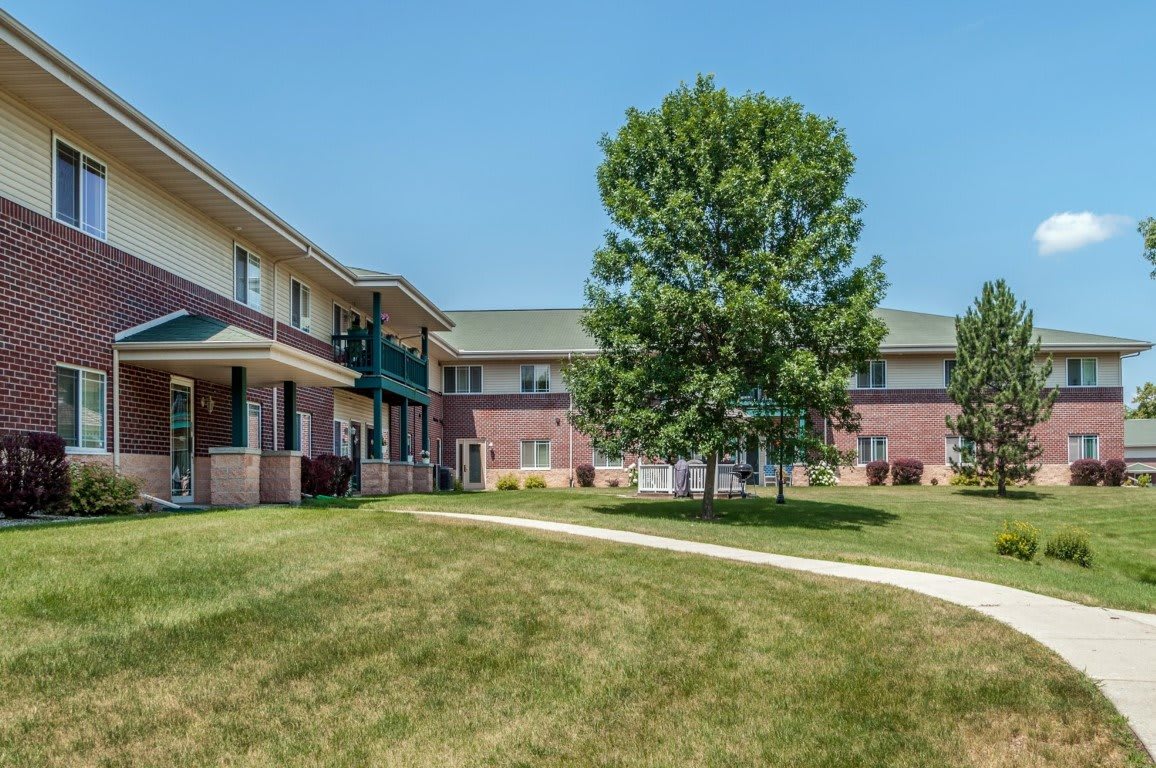
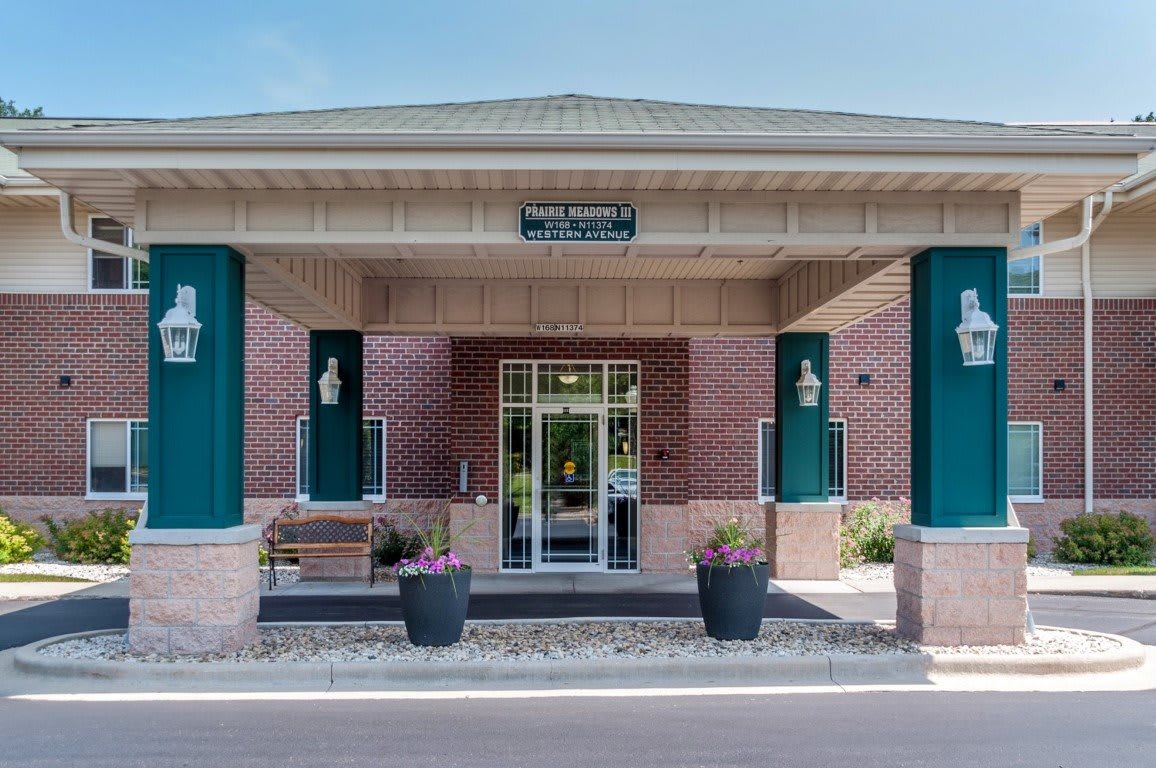
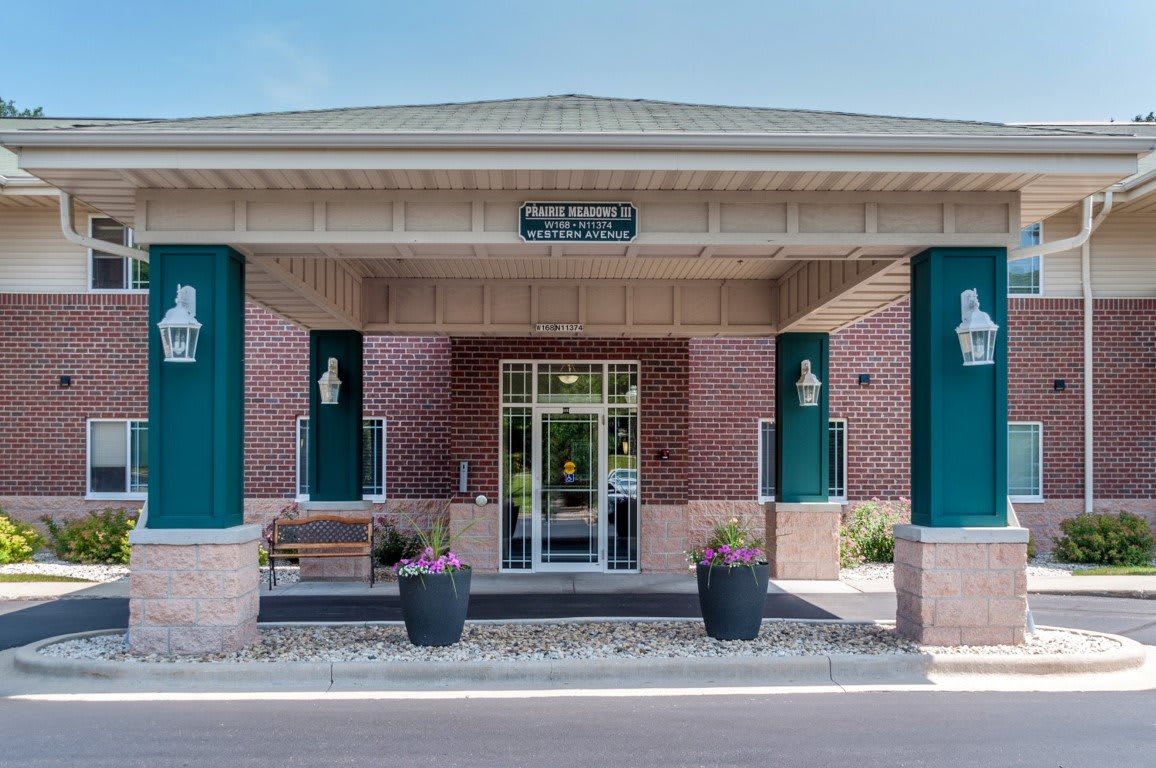
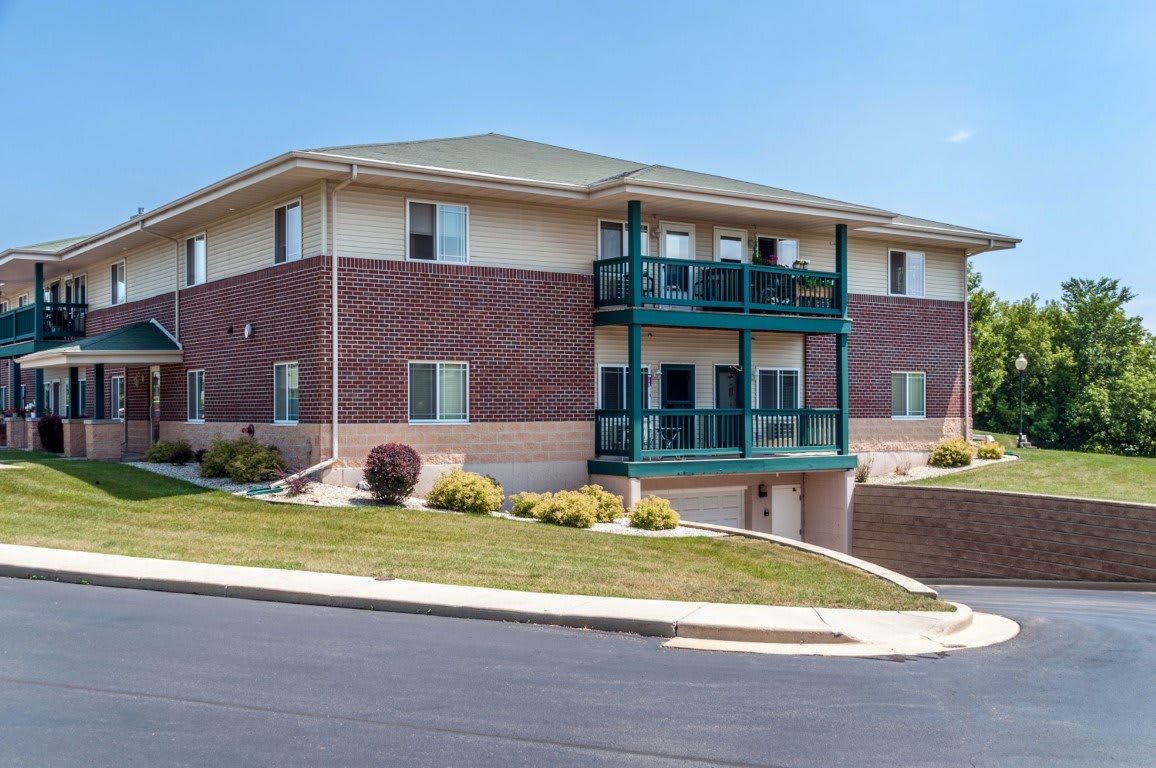
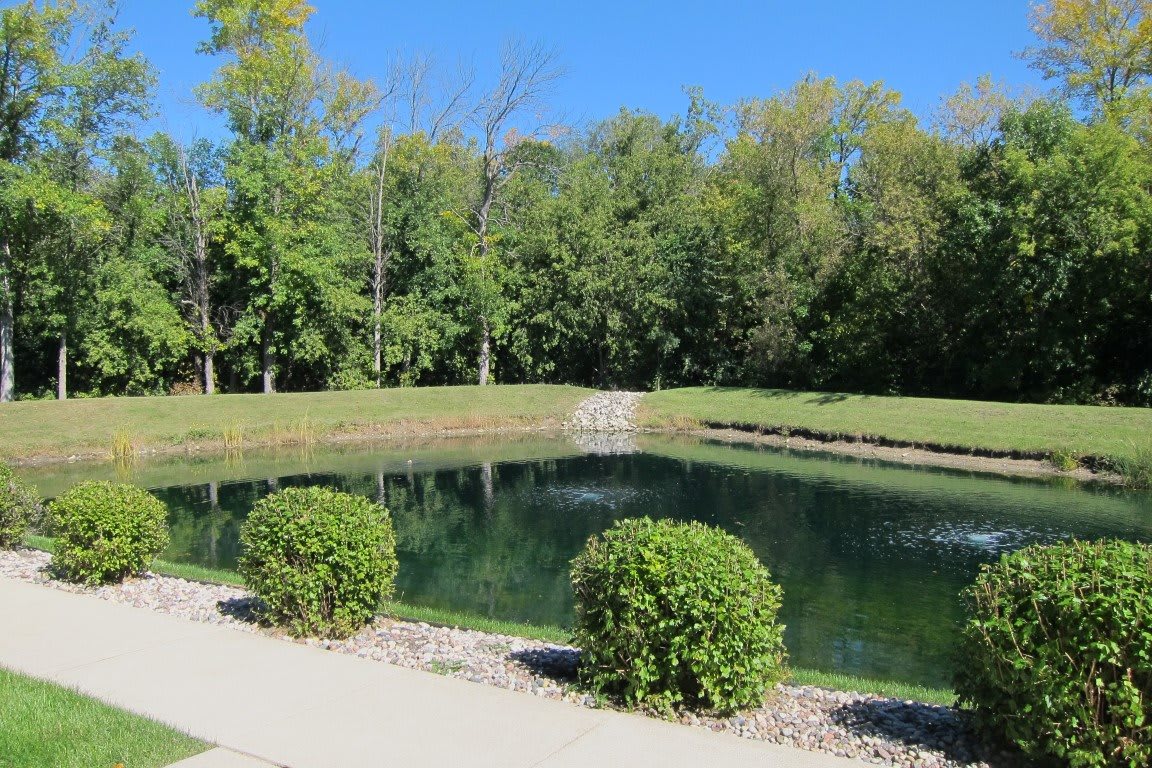
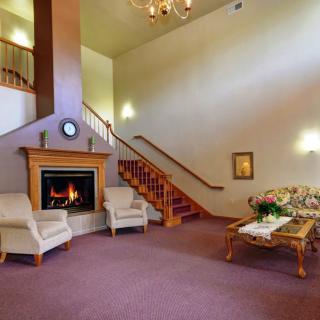
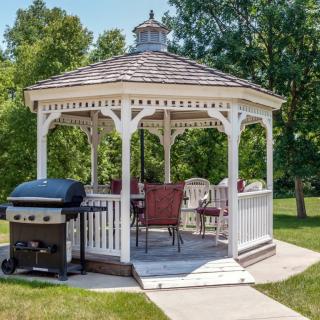
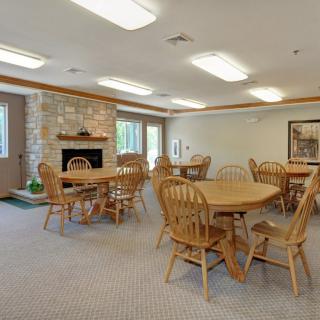
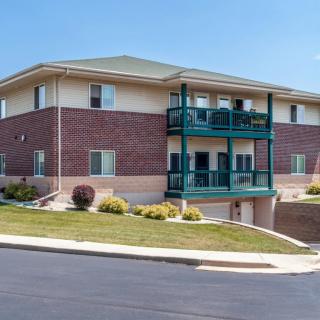
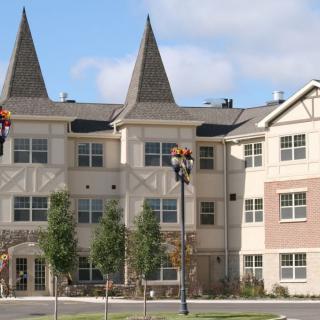
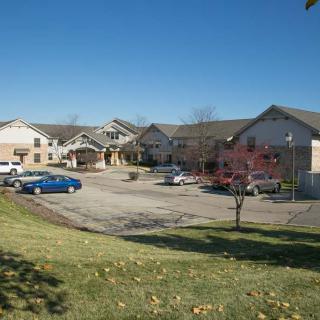
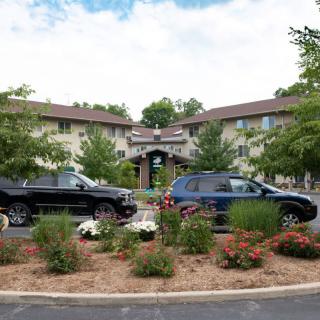
Prairie Meadows II & III in Germantown, Wisconsin is best suited for independent seniors who prize a well-kept, attractive living environment with solid security and comfortable apartment amenities. The campuses present a visually appealing, walkable setting where residents can enjoy clean common areas and a sense of safety. This is a place where the physical footprint, floor plans, landscaping, and overall upkeep, matters and is readily noticeable to visitors. For residents who want minimal daily care and can self-advocate when needed, the space can deliver a confident, settled living backdrop.
That said, there are clear reasons to consider alternatives. Several reviews flag a management style that can feel uncaring or rigid in moments of life change, especially around medical crises, bereavement, or transitions out of residency. Messages about move-out timing, final walk-throughs, and post-death charges appear inconsistent and punitive to some families. In addition, attitudes toward Section 8 or low-income housing have been described as dismissive by a subset of residents and visitors. If reliable empathy, transparent policies, and flexible handling of sensitive situations are priorities, this community becomes less compelling.
The strongest positives, the beauty and security of the complex, the quality of the apartments, and the general cleanliness, do align well with families seeking a dignified, low-rough-edge living arrangement. Visitors report a “gorgeous” place with excellent security and a pleasant environment, which should reassure residents and loved ones during regular visits. For those who value a visually appealing home base and straightforward, predictable surroundings, these elements offer real comfort and peace of mind, especially when daily routines include guests or caregiver input.
However, the cons do substantial, practical damage to the overall value proposition. Management communication is repeatedly cited as a core weakness: unanswered messages, full mailboxes, and slow or absent follow-through on paperwork and reminders create real friction for residents and their families. Financial friction compounds the issue: abrupt or extended move-out processes, charges for carpet or blind replacement after long-tenured occupancy, and insistence on specific payment windows can feel punitive, especially in times of grief or medical need. The laundry situation, advertised facilities that are routinely nonfunctional for months, further undermines reliability and daily convenience, painting a picture of a community where practical amenities do not always meet resident expectations.
Decision-makers should vet several concrete factors before committing. Seek a written statement of move-out and notice policies, including any required timelines and fees, so transitions can be planned without surprise charges. Confirm who manages maintenance requests, expected response times, and the status of in-unit amenities such as laundry facilities. Engage current residents or family ambassadors to gauge how often the administrator answers inquiries and how compassionate staff are during health scares or bereavement. Request a detailed current lease addendum and any policies around end-of-life or family extensions to avoid post-mortem disputes. Finally, verify the existence of a proactive plan for ongoing activities and social engagement, or accept that activities may be limited if a richer social calendar is a priority.
In the end, Prairie Meadows II & III can be a solid fit for independent seniors who prize a refined setting, reliable safety, and attractive apartments, provided there is tolerance for a management style that may feel distant during critical moments and for policies that require careful navigation. It is less suitable for families needing consistently high-touch administrative support, a transparent, resident-centered financial ethic, and a compassionate approach to transitions and bereavement. If those latter needs are non-negotiable, exploring alternatives with stronger resident advocacy, clearer communication protocols, and more predictable handling of fees and move-outs is strongly advised.
 Active Adult Communities (55+)
 Activities on-site
 Bath tubs
 Indoor common areas
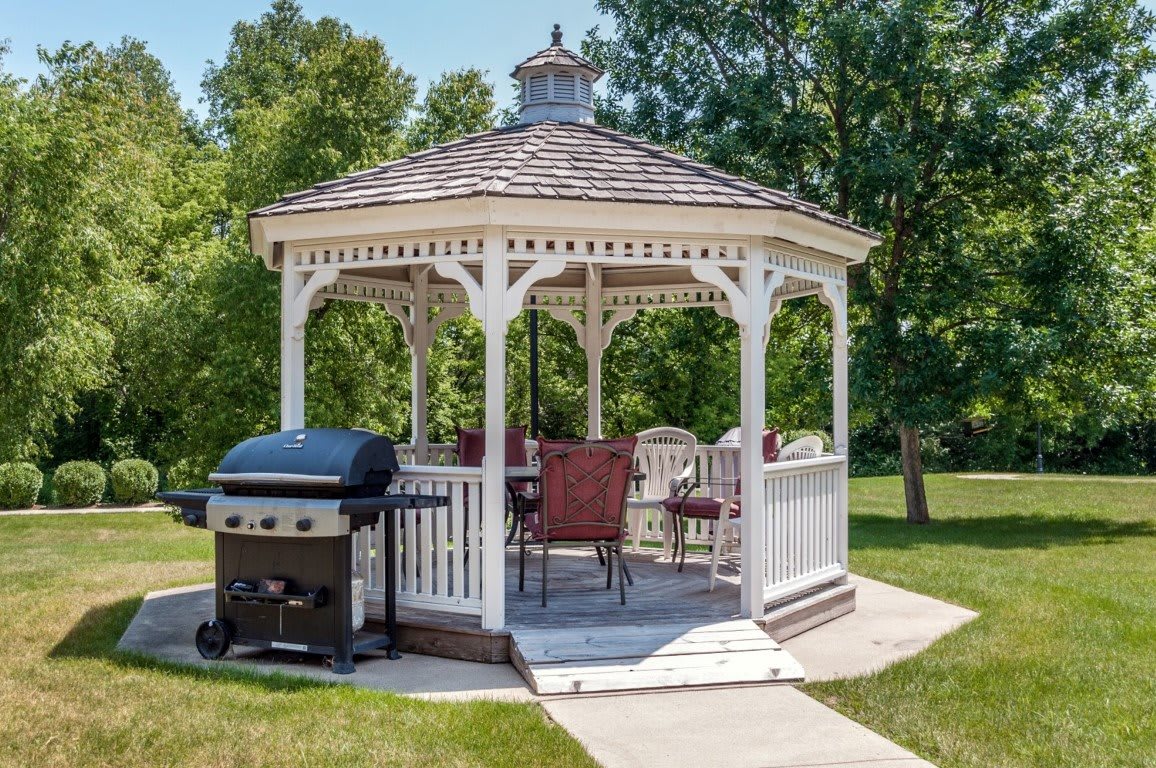
 Outdoor common areas
 Wheelchair accessible showers
 General Mitchell International (22 miles away)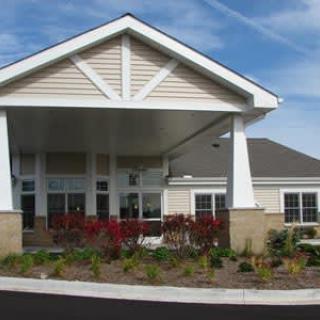


 Understanding the Nuances of Palliative Care and Hospice: A Comprehensive Exploration
 Is In-Home Healthcare Tax Deductible? Your Comprehensive Guide
 Nurturing Well-Being Through Gardening: A Detailed Guide for Senior Enthusiasts