
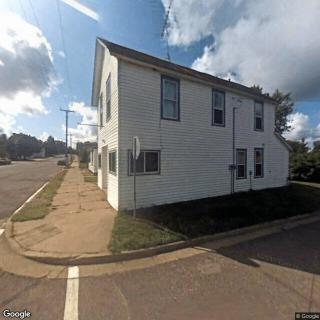
21941 Agate Road, Frederic, WI 54837
For more information about senior living options: (866) 208-4318
Overall Review of Bethany Home II
Pros
 The staff are professional and caring.
- Residents are treated with respect and genuine concern by the staff.
- Many of the staff are described as angels among us for their dedication to the elderly.
- The nursing staff are knowledgeable, with ample RNs and CNAs to care for residents.
- The physical therapy team is effective at restoring strength.
- Bethany is a nice place to work, with kind and attentive staff taking good care of residents.
- The staff make difficult recoveries more tolerable and are described as doing a great job.
Cons
 The facility has no security, and anyone can walk in, putting residents at risk.
 - The staff kept the grandfather in his room all day, leaving him bored and unable to participate in activities.
- The front desk failed to help, giving incorrect room numbers and even directing to random residents.
- The staff are not caring or dedicated, and residents are seen as a paycheck rather than individuals.
- The private bathrooms were dirty, with the toilet disgustingly unclean.
- The place is described as a “lying disaster,” with leadership and staff accused of dishonesty.
- There is poor communication and inconsistency with phones and updates to residents’ families.
Review
Bethany Home II in Frederic, WI is best suited for seniors who need solid medical and rehabilitative care and who benefit from hands-on nursing and physical therapy, delivered by a team that many residents and families praise for professionalism and genuine concern. The community appears to work best for families seeking a care-focused environment where therapy and skilled nursing are available and where staff connectivity with residents is valued, even if other operational areas are imperfect. For residents with strong social needs or demanding security expectations, this facility may not be the optimal fit.
On the upside, the strongest asset is the caregiving core. Several accounts highlight capable, attentive nursing and a well-staffed therapy department, with physical therapy and nursing care repeatedly described as competent and effective in helping recover strength or manage health needs. Families also report respectful, personable treatment by housekeeping, administration, and direct care workers, and they attribute meaningful value to the effort and dedication of staff who interact with residents daily. For a resident who benefits from consistent clinical attention and a rehabilitation focus, those elements can carry significant weight in the decision.
Yet the experience is not uniformly positive, and the drawbacks are real and recurring. Security and access stand out as a persistent concern, with multiple voices describing lax entry controls and confusion at the front desk, including misdirected staff and difficulty locating residents. Several reviews recount miscommunications that left families unsure of a loved one’s exact location or status, and some families felt the front desk and administrative workflow did not reflect the seriousness of resident care. Cleanliness and maintenance quality also surface as troubling in at least one account, where a private bathroom was noted as dirty, signaling lapses in basic resident housekeeping that cannot be ignored.
These gaps matter because they undermine the otherwise strong clinical core. When pros offset cons, the computation is favorable for rehab-oriented residents who can tolerate occasional administrative misfires in exchange for reliable nursing and therapy. However, gaps in safety, communication, and daily programming can erode confidence for families prioritizing a consistently orchestrated daily routine and a demonstrable, well-managed environment. In practice, Bethany Home II rewards residents who need skilled care while pushing the limits on organizational execution and resident engagement.
Families whose loved ones require steady social programming, predictable scheduling, and robust safety oversight may find themselves weighing alternatives more heavily. For dementia care or for residents who crave structured activities and reliable, door-to-door engagement with staff, the current mix at Bethany Home II may feel insufficient. The reviews hint at meaningful variation between shifts and departments; where therapy and nursing shine, other operational facets can falter, creating a mismatch between clinical promise and everyday experience. In short, this is a community with potential that can be realized for the right resident and family, but it is not universally dependable.
Practical next steps are essential. Prospective residents should plan multiple visits at different times to observe how the front desk handles sign-in, how staff navigate room placement, and whether activity staff actively engage residents. Ask for a direct conversation with the administrator about safety protocols, room-location accuracy, and how care planning is communicated to families. Review the current activity calendar and inquire about opportunities for social engagement, outings, and meaningful daily routines. Confirm staffing ratios on the floors, and request examples of care plans for similar residents. If the aim is highly structured daily life with tight safety oversight, Bethany Home II may disappoint; if the goal is strong clinical care plus compassionate, capable therapy, it can still be a compelling option, so long as expectations are aligned with what the facility consistently delivers.
 4 resident community capacity
 Assisted Living
 Cable or satellite TV
 Dining room
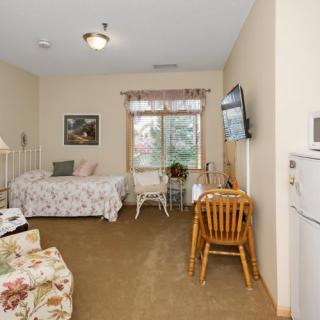
 Fully furnished
 Garden
 Housekeeping services
 Move-in coordination
 Outdoor space
 Telephone
 Wi-Fi/high-speed internet available
 24-hour supervision
 Activities of daily living assistance
 Assistance with bathing
 Assistance with dressing
 Assistance with transfers
 Diabetes diet
 Meal preparation and service
 Medication management
 Special dietary restrictions
 Transportation arrangement (medical)
 Transportation to doctors appointments

 Comprehensive Supportive Living Arrangements for Adults with Disabilities
 Funding and Affording Assisted Living: A Thorough Overview
 Assisted Living Expenses and Long-Term Care Insurance: A Comprehensive Exploration