
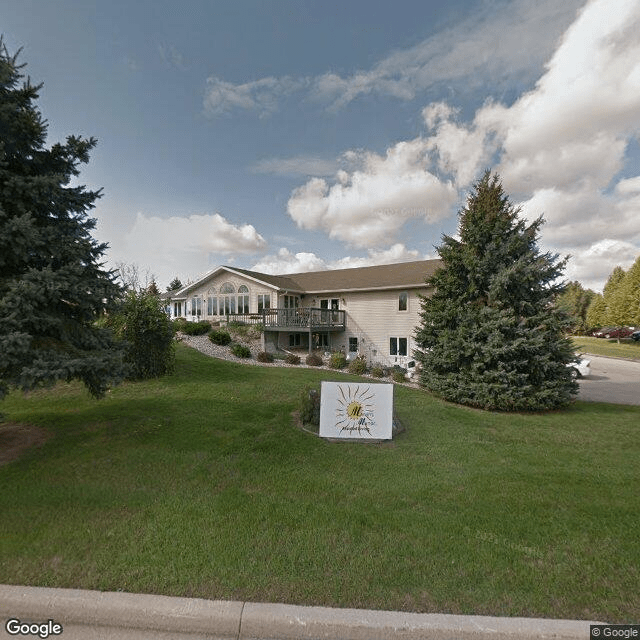
209 Forest Street, Fox Lake, WI 53933
For more information about senior living options: (866) 208-4318
Anchor Communities Costs & Pricing
Anchor Communities offers a competitive pricing structure for its private rooms, set at $3,050 per month. This rate is significantly lower than the average costs observed in Dodge County, which stands at $4,538, and even more favorable compared to the broader Wisconsin market, where prices reach approximately $4,339 per month. By positioning its rates below both local and state averages, Anchor Communities not only provides an appealing option for individuals seeking quality care but also demonstrates a commitment to making essential living arrangements more accessible within the community.
| Floor plans | Anchor Communities | Dodge County | Wisconsin |
|---|---|---|---|
| Private | $3,050 | $4,538 | $4,339 |
Memory care communities with a similar price nearby
-
from -$350 / mo
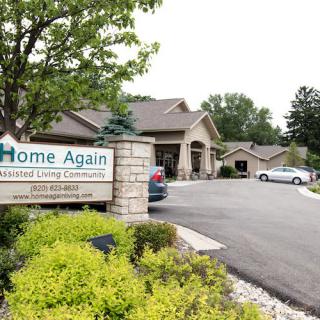
Home Again Assisted Living - Columbus
$2,700 to $3,300 / month17.2 miles away -
from +$150 / mo
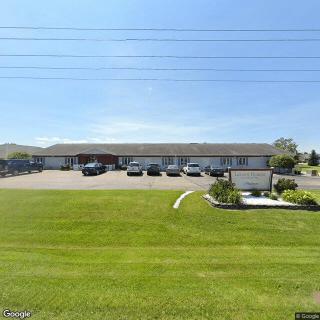
Larson House
$3,200 to $3,700 / month17.0 miles away -
from +$100 / mo
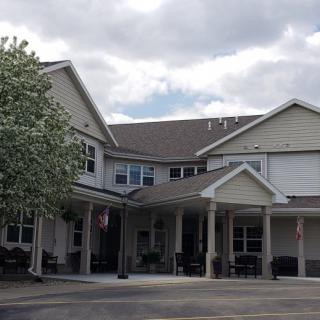
The Meadows of Fall River
$3,150 to $4,300 / month14.0 miles away -
from -$243 / mo
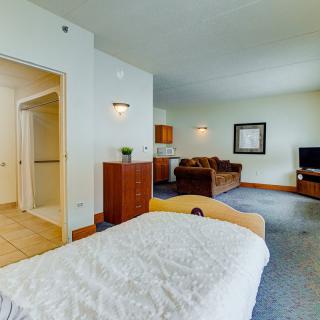
Wolverton Glen
$2,807 to $3,389 / month20.6 miles away -
About the same
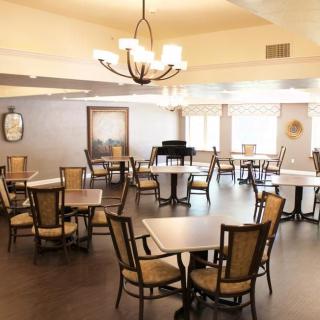
Copperleaf Village Of Ripon
$3,000 to $3,900 / month20.7 miles away
Overall Review of Anchor Communities
Pros
 The care facility was described as caring and friendly, with staff explaining all they were doing.
- Joy is described as a God-sent caregiver and excellent at her work.
- The facility feels very homey and creates a comfortable atmosphere, with warm greetings.
- The facility is clean and well kept, and beds are available.
Cons
 The facility has changed management for the third time, but nothing has improved.
- The owner is blamed for ongoing issues and is said to care only about collecting rent checks.
- Nothing around the facility is ever fixed.
- Residents’ family members had to purchase a patio set so their loved one could enjoy the outdoors.
- Paychecks are late or bounce, and pay stubs are not provided.
- Background checks reportedly do not get completed.
- The narcotics count is always off, and management brushes it off as an ECP error.
- Staff are said to be working without proper certifications to avoid management coverage.
Review
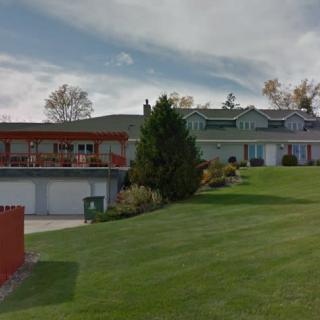
Anchor Communities in Fox Lake is best suited for families seeking a small, homey atmosphere with genuinely caring staff, especially for residents who require low-to-moderate daily assistance or hospice-style comfort and place a premium on personal attention over clinical formality. The setting feels lived-in and welcoming, and the space tends to be clean and comfortable. A critical caveat is the building’s lack of an elevator, which restricts accessibility for mobility-impaired residents and complicates plans for those needing assistance to move between floors. For anyone counting on steady licensed nursing oversight, reliable med passes, and rigorous safety protocols, this community should be approached with caution and likely alternatives should be explored.
From a governance and operations perspective, significant red flags emerge. Change at the top has happened repeatedly, and families describe the owner as focused on rent rather than repairs or resident welfare. Maintenance lag, ad-hoc fixes by unqualified individuals, and the perception that important tasks go unattended undermine safety and trust. Staffing issues compound the risk: paychecks reportedly arrive late or bounce, background checks may go uncompleted, and narcotic counts are said to be off. Reports of unlicensed staff providing care and even staff bringing relatives to stay on-site create a fragile framework for daily care that does not align with standard expectations for a licensed facility.
On the plus side, several reviews highlight a genuinely warm, home-like environment and a level of compassion that can matter deeply for residents at end of life. A caregiver described as Joy stands out for her skill and supportive approach, and the facility is noted as clean and comfortable with beds readily available when needed. These human touches can ease the stress of transition and offer meaningful comfort in hospice-type circumstances. Yet warmth and cleanliness cannot compensate for fundamental governance flaws, credential gaps, or persistent supply and safety concerns that affect day-to-day care.
The bottom line is that the bright spots do not erase the substantial risks for residents who require reliable, skilled nursing support. Inconsistencies around medication handling, incomplete credentialing, and chronic supply shortages threaten basic care tasks and safety. The impression that operations prioritize appearances or rent collection over substantive care undermines confidence for families needing steady oversight. For couples or individuals who depend on regular showers, timely medication administration, and continuous supervision, these issues are likely to materialize as ongoing disruptions rather than occasional inconveniences.
For families evaluating this community, actionable questions should guide the decision. Demand concrete confirmation about who administers medications and whether a licensed nurse is on site at all times, the exact staffing ratios across shifts, and the process for performing and documenting background checks and narcotics counts. Insist on transparent records from recent inspections and a clear remediation plan, plus a defined leadership structure and accountability measures to prevent turnover. Clarify accessibility details given the no-elevator layout, including how mobility-impaired residents can access all portions of the building. If satisfactory answers cannot be produced, alternatives with stronger governance and more dependable care ought to be pursued.
Overall, Anchor Communities offers a comforting, home-like milieu and compassionate end-of-life care in the right circumstances, but the combination of repeated management changes, governance concerns, and care-delivery gaps makes it a risky choice for residents needing consistent, licensed, safety-focused support. Families should weigh the value of the personal, humane environment against the potential for disruption and safety lapses. When reliable nursing oversight, predictable med management, and robust safety practices are non-negotiable, serious consideration should be given to other options before making a commitment.
 14 resident community capacity
 Assisted Living
 Board and Care Home
 Memory Care
 Activities off-site
 Beautician on-site
 Cable or satellite TV
 Devotional services off-site
 Dining room
 Fully furnished
 Garden
 Housekeeping services
 Indoor common areas
 Move-in coordination
 Outdoor common areas
 Private
 Private bathrooms
 Respite or short term stays offered
 Telephone
 Wheelchair accessible showers
 Wi-Fi/high-speed internet available
 24-hour supervision
 Ambulatory care
 Assistance with bathing
 Assistance with dressing
 Assistance with transfers
 Diabetes diet
 Diabetic care
 High acuity care
 Hospice waiver
 Incontinence care
 Meal preparation and service
 Medication management
 Mental wellness program
 Special dietary restrictions
 Transportation arrangement (medical)
 Transportation to doctors appointments
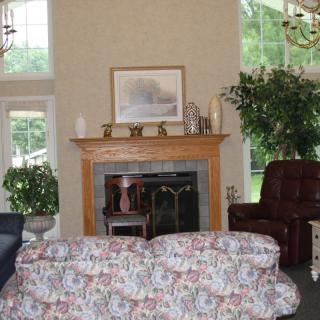


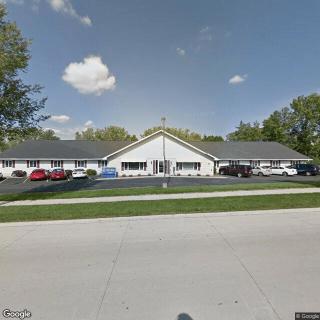
 How to Communicate with a Loved One Living with Dementia: 10 Supportive Strategies
 Comprehensive Guide to VA Nursing Homes: A Crucial Long-Term Care Resource for Veterans
 Estimating the Expenses of At-Home Dementia Care: A Detailed Exploration