
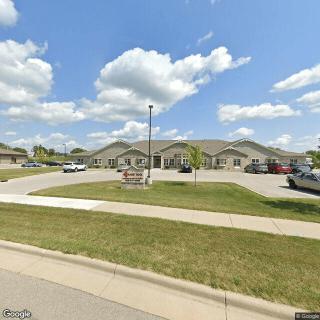
402 Raintree Drive, Fort Atkinson, WI 53538
For more information about senior living options: (866) 208-4318
Overall Review of New Beginnings - Fort Atkinson
Pros
 The staff at New Beginnings are amazing and welcoming to everyone.
- Will is wonderful at his job and checks in on participants.
- Will's compassion and understanding of others' needs is evident.
- Ang did an amazing job helping someone through a difficult time.
- Amber and Will are amazing.
- The group therapy helps survivors and provides meaningful support.
- The staff are knowledgeable and provide excellent help.
- New Beginnings is a safe place where people are encouraged to seek help and move forward.
Cons
 The director of the organization treated people with the worst possible care and showed no respect for individuals with trauma.
- The staff cornered a counselor in the office and threatened to withhold help unless they were polite, saying they would kick them out for asking not to be called at work.
- The reviewer plans to file a formal complaint because the conduct was ridiculous and because there is no business calling someone at their workplace.
- The reviewer says this place is a lie and does not provide permanent help.
- The professionals allegedly failed to treat homicidal and suicidal ideations properly, endangering the lives of the people they serve.
- A family with no prior domestic violence incidents was ordered apart, increasing the depressed person’s risk for self-harm.
- The ex who abused the reviewer allegedly tried to coerce self-harm, and the professionals were accused of continuing to indirectly abuse by helping him and attempting to evict the reviewer.
Review
New Beginnings, Fort Atkinson is best suited for domestic-violence survivors and trauma clients who need a structured, supportive entry point into therapy, safety planning, and navigating the legal landscape. The program earns praise for a compassionate staff that checks in, helps clients stabilize after crises, and guides through restraining orders and related steps. For someone seeking a hopeful, hands-on environment where group therapy is a core component and practical navigation through courts and services is provided, this community can be a meaningful starting line. It is not a hospital, but a community-based pathway that prioritizes safety, connection, and gradual rebuilding with dependable staff at the helm.
However, those pursuing guaranteed long-term housing or a comprehensive wraparound clinical program may want to consider alternatives. Several reviews flag concerns about leadership dynamics and inconsistent crisis responses at the top, including experiences where clients felt dismissed or pressured to conform before receiving help. The ability to deliver durable, permanent supports, beyond temporary shelter or hotel stays, appears uncertain in some comments. For families needing deep trauma-informed training, rigorous clinical oversight, or tight alignment with courts and law enforcement over the long haul, other providers with clearer, longer-range commitments may be a wiser fit.
The strongest argument for leaning in is the staff-driven momentum: authentic, hands-on support from Will, Amber, Ang, Carmen, and others who stay engaged and tailor assistance to individual needs. Group therapy is repeatedly described as transformative, helping survivors process abuse and move forward, sometimes in tandem with legal steps like restraining orders. The program’s practical navigation, coordinating with courts, shelters, and community resources, takes overwhelm off the table and provides a visible path through frightening and uncertain chapters. When these elements work well, they create a protective scaffold that can offset the chaos that often accompanies escape from domestic violence.
Yet the positive impact rests on the quality and consistency of leadership, which emerges as a central fault line in the feedback. Critics point to a director who, in at least one account, treated clients with disrespect and limited access to timely help in conflict situations. Some reviews describe a fear of losing housing or support if concerns are voiced, or being told to be “nice” before assistance is rendered. More concerning are professional critiques from within the field that the program may underestimate the dangers and needs of clients with severe trauma, suicidal ideation, or high-risk situations, and that training gaps could put people at risk. Taken together, these tensions illuminate real risks that families must weigh against the evident warmth and competence of frontline staff.
For families evaluating this community, the prudent approach is targeted realism. Meet the frontline team, Will, Amber, Ang, Carmen, and probe how crises are managed, what constitutes “permanent help,” and how the center coordinates with external systems during transitions. Request transparent information about complaint processes, oversight, and any opportunities to observe group sessions or safety-planning discussions. If long-term housing stability, durable clinical oversight, or robust trauma training are nonnegotiables, plan to explore parallel options with other DV advocacy centers, longer-term behavioral health programs, or housing-focused services to ensure continuity if New Beginnings cannot deliver those elements. Having a concrete, exit-ready plan reduces risk and preserves momentum.
In summary, New Beginnings offers a powerful, people-centered gateway for survivors seeking immediate therapy, safety planning, and practical systems navigation. The core strength lies in empathetic, engaged staff who can foster real progress in the near term, and in a therapeutic environment that many clients describe as safe and restorative. But leadership-related concerns and the question of durable, long-range supports cannot be ignored. For some, the benefits of compassionate frontline care and actionable guidance will outweigh the drawbacks; for others, especially those needing guaranteed permanence and advanced clinical oversight, alternatives may provide a more reliable trajectory. The best course is a careful, staged engagement, using New Beginnings as a catalyst while securing additional resources to ensure lasting stability and safety.
 4 resident community capacity
 Assisted Living
 Cable or satellite TV
 Dining room
 Fully furnished
 Garden
 Housekeeping services
 Move-in coordination
 Outdoor space
 Telephone
 Wi-Fi/high-speed internet available
 24-hour supervision
 Activities of daily living assistance
 Assistance with bathing
 Assistance with dressing
 Assistance with transfers
 Diabetes diet
 Meal preparation and service
 Medication management
 Special dietary restrictions
 Transportation arrangement (medical)
 Transportation to doctors appointments


 Comprehensive Residential Support and Assisted Living Solutions for Individuals with Disabilities
 Comprehensive Supportive Living Arrangements for Adults with Disabilities
 Funding and Affording Assisted Living: A Thorough Overview