Adelaide House offers competitive pricing for its room types compared to both Fond du Lac County and the broader state of Wisconsin. For a one-bedroom unit, the cost at Adelaide House is $3,400 per month, which is slightly lower than the county average of $3,506 but aligned with Wisconsin's average of $3,412. In contrast, the semi-private rooms at Adelaide House also come in at $3,400 per month; however, this is notably higher than Fond du Lac County's more affordable rate of $2,837. Yet, when compared to Wisconsin's state average of $3,977 for semi-private accommodations, Adelaide House presents a more attractive option. Overall, residents can find value in both room types while benefitting from a comprehensive suite of services that enhance their living experience.
Floor plans
Adelaide House
Fond du Lac County
Wisconsin
1 Bedroom
$3,400
$3,506
$3,412
Semi-Private
$3,400
$2,837
$3,977
Assisted Living communities with a similar price nearby
Residents and families repeatedly describe the staff as caring and responsive.
Many reviewers focus on how kind, accommodating, and knowledgeable the staff feels in day-to-day interactions. Several also mention care communication, including being kept informed about concerns and updates. Even when reviews raise problems, they still often separate friendliness and effort from staffing levels.
common8 reviews mention this
Clean, bright, and home-like
Reviewers commonly describe the building as clean, bright, and well kept.
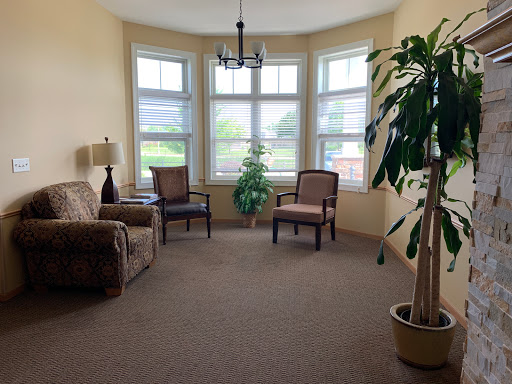
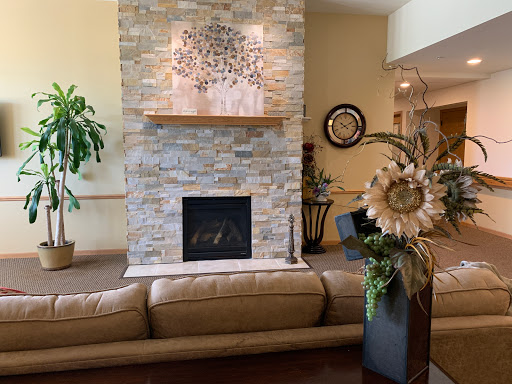
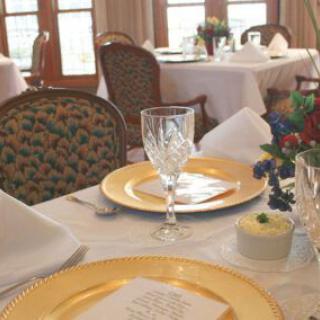
Cleanliness and upkeep come up often, with multiple reviewers describing the facility as neat, welcoming, and easy to feel comfortable in. Several also describe common spaces and rooms as bright and well maintained, including the dining area. A couple of reviewers also describe the atmosphere more generally as home-like rather than institutional.
common7 reviews mention this
Activities keep residents engaged
Residents are described as staying engaged through regular activities.
Across reviews, families describe frequent activity moments, from music and entertainment to arts-and-crafts style events. Reviewers also note residents appearing happy and participating during community activities. One review also highlights joint activities connected across care areas, including group events and visiting entertainment.
caveat11 reviews mention this
Dining is a mixed experience
Dining reviews include both positive home-style meals and serious food concerns.
Some reviewers praise the food as homey, with dining areas described positively and snacks or options noted during visits. Others raise repeated concerns about nutrition and meal quality, including low-sodium and meal preference issues. A few comments also tie food dissatisfaction to the overall level of attention residents receive at mealtimes.
caveat5 reviews mention this
Staffing and response times draw criticism
A recurring complaint is limited staffing affecting waits and care support.
Several critical reviews describe understaffing and high turnover, along with long waits for assistance. Some also mention that temporary help may be used and that staffing can limit the level of care residents need. In addition, one review says staffing constraints affected the ability to participate in activities during a visit.
How we summarize
Counts show how many written reviews mention each theme; a review can touch several themes, and only frequently mentioned themes are displayed.
Features
Housing
Studio apartments
Types of Care
Assisted Living
Amenities
Activities off-site
Activities on-site
Bath tubs
Beautician on-site
Cable or satellite TV
Devotional services off-site
Devotional services on-site
Dining room
Garden
Guasts at mealtime
Guest parking
Housekeeping services
Indoor common areas
Laundry
Outdoor common areas
Party space
Resident parking
Respite or short term stays offered
Spa
TV room
Wheelchair accessible showers
Wi-Fi/high-speed internet available
Care Services
Diabetic care
Incontinence care
Medication management
Personal care assistants
Dining
Kosher
Meals provided
Vegetarian
Activities
Activities off-site
Activities on-site
Arts and crafts
Cooking club
Devotional activities offsite
Devotional activities on-site
Games
Gardening club
Live musical performances
Religious services
Stories
Nearby Places of Interest
Located in Fond du Lac, Wisconsin, this area offers a variety of amenities that cater to seniors looking for convenient living options. With a range of restaurants offering diverse cuisine options such as pizza, Mexican, Italian, and fast food, seniors can enjoy a variety of dining experiences within close proximity. In terms of healthcare, there are several reputable physicians and pharmacies nearby for easy access to medical care and prescriptions. Additionally, transportation options like taxi services and an airport are available for travel needs. For leisure activities, there are cafes for socializing and parks for outdoor enjoyment. Places of worship are also situated nearby for spiritual support. Finally, hospitals and healthcare centers are within reach for any medical emergencies or routine check-ups. Overall, this area provides a well-rounded community with essential services tailored to senior living needs.
Restaurants
Papa John's Pizza (0.1 miles)
Taco Bell (0.1 miles)
Friar Tuck's (0.2 miles)
Gino's Italian Restaurant (0.3 miles)
Riviera Maya Mexican Bar & Grill (0.3 miles)
Hardee's (0.5 miles)
Subway (0.5 miles)
Physicians
Kagen Allergy Clinic (0.4 miles)
Family Focus Eye Care (0.4 miles)
Optivision Eye Care (0.9 miles)
Oral Surgery Associates (1.4 miles)
Callisto Jessica Fond Du Lac Regional Clinic Fond Du L.Ac. (1.7 miles)
Agnesian Healthcare - Dennis Yunk MD (1.8 miles)
Salasek James PhD - Saint Agnes Behavioral Health (1.8 miles)
Pharmacies
Pick 'n Save Pharmacy (0.6 miles)
Walgreens (0.9 miles)
Agnesian Pharmacy Main Street (0.9 miles)
Walmart Pharmacy (1 miles)
Kremer Pharmacy & Gift (1 miles)
CVS Pharmacy (1 miles)
Agnesian Pharmacy Plus (1.8 miles)
Transportation
Quality Cab (0.7 miles)
Fond du Lac Skyport (FLD) (1.5 miles)
U-Haul Neighborhood Dealer (2.6 miles)
Cafes
Starbucks (0.7 miles)
Cellar District (1.1 miles)
Fanna's Market & Eatery (1.2 miles)
Starbucks (2.9 miles)
Places of Worship
Holy Family Congregation (0.8 miles)
Sacred Heart Church (1 miles)
Bread of Life Family Worship Center Church (1 miles)
Institutional Ministries (1.1 miles)
Holy Family Catholic Community (1.1 miles)
Salem United Methodist Church (1.3 miles)
Spirit Of Life Church Of God (2.1 miles)
Parks
Rotary Voyageur Playground (1.2 miles)
Lakeside Park (1.3 miles)
Theaters
Odyssey Fond du L.Ac. 8 (1.2 miles)
Fond Du L.Ac. Theatre (1.3 miles)
Hospitals
Agnesian Healthcare (1.8 miles)
SSM Health St. Agnes Hospital - Fond du L.Ac. (1.8 miles)
St. Agnes Hospital (1.8 miles)
Fond Du L.Ac. County Health Care Center (1.9 miles)
Adelaide House offers competitive pricing for its room types compared to both Fond du Lac County and the broader state of Wisconsin. For a one-bedroom unit, the cost at Adelaide House is $3,400 per month, which is slightly lower than the county average of $3,506 but aligned with Wisconsin's average of $3,412. In contrast, the semi-private rooms at Adelaide House also come in at $3,400 per month; however, this is notably higher than Fond du Lac County's more affordable rate of $2,837. Yet, when compared to Wisconsin's state average of $3,977 for semi-private accommodations, Adelaide House presents a more attractive option. Overall, residents can find value in both room types while benefitting from a comprehensive suite of services that enhance their living experience.
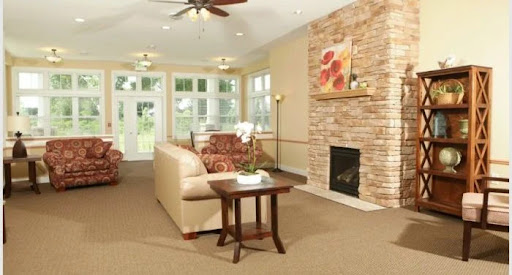
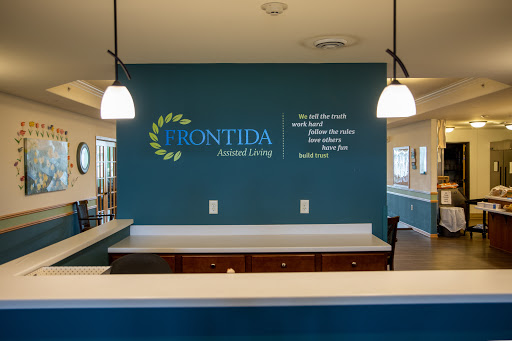
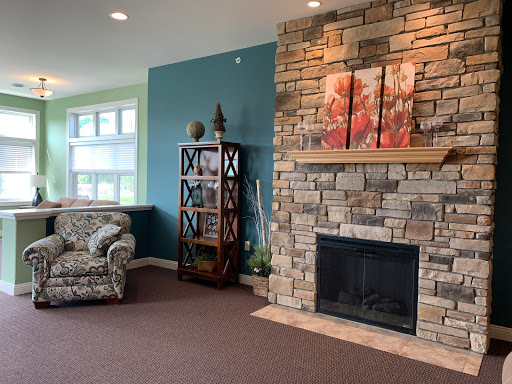
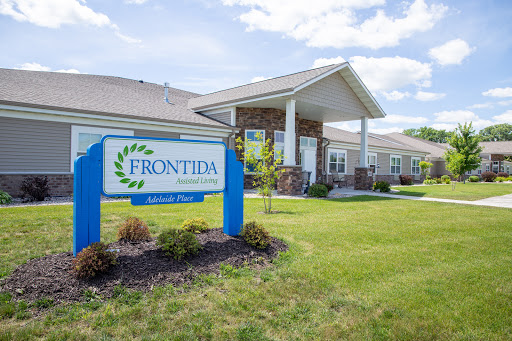
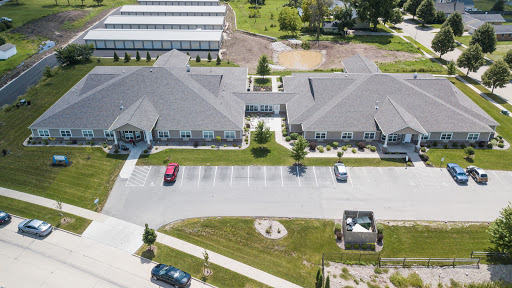
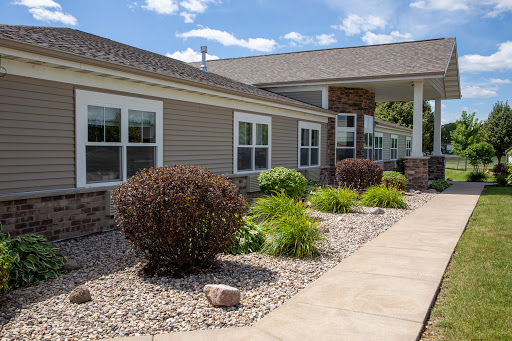
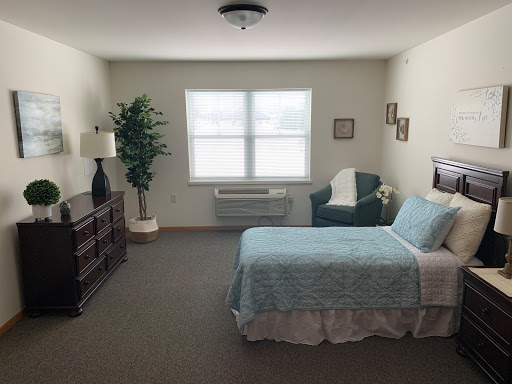
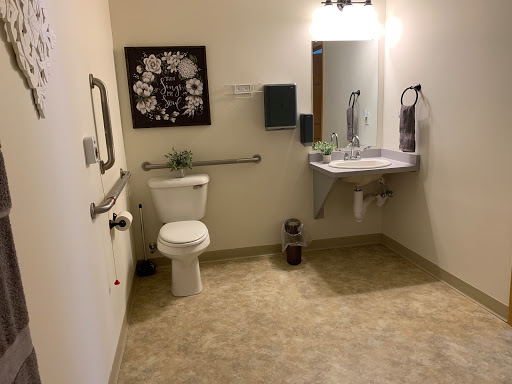
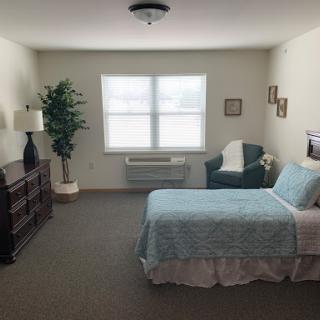
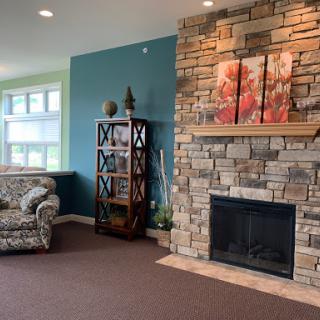
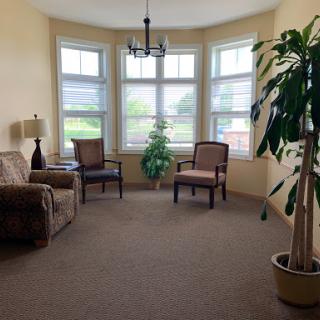
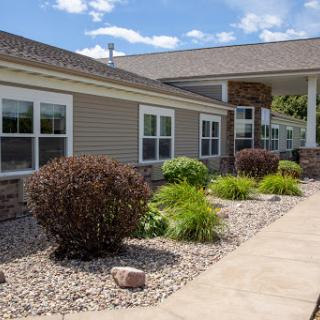
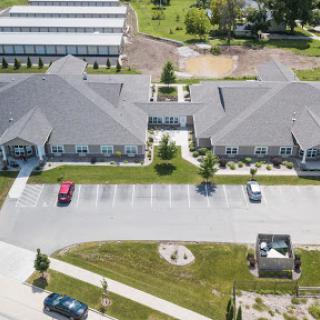
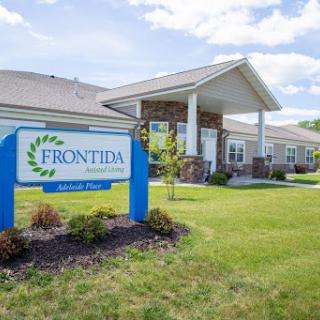
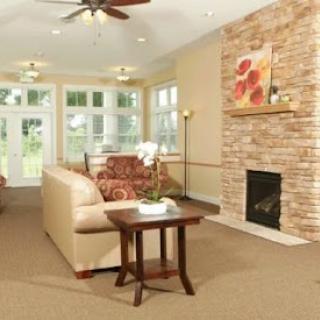
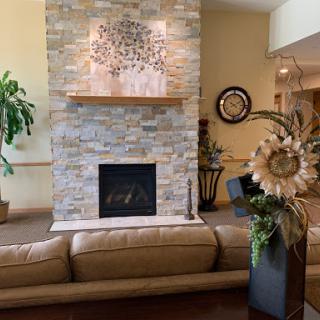
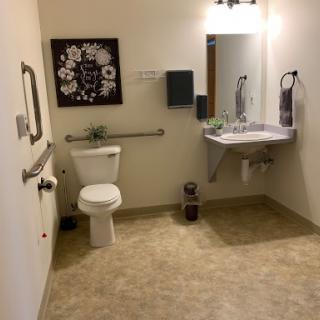
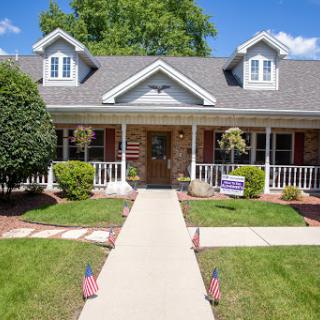
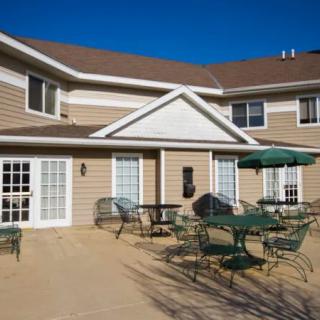
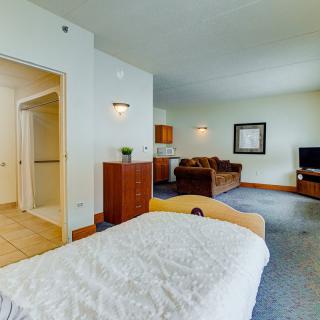
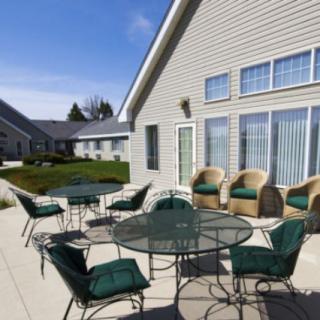
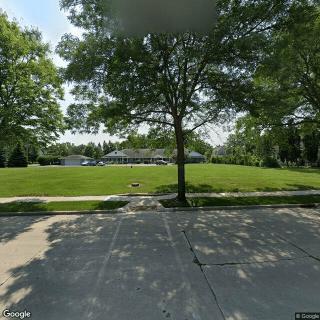
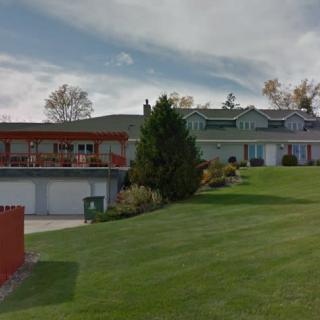
Adelaide House on seniors.fyi includes 11 photos including images showing interior, living room, decor, natural light, fireplace, building, landscaping, bedroom, and more.
Nearby Communities
Clarity Care Bell
Fond Du Lac, WI
3.2 from 53 reviews
24/7 supervision with ADL assistance and diabetes-focused care, plus on-site dining and activities.
Deerview Meadows - FondDuLac I
Fond Du Lac, WI
1.8 from 4 reviews
$2,295 to $3,538 / month
Beautiful, well-maintained grounds with friendly staff.
Deerview Meadows Of Fond Du Lac I
Fond Du Lac, WI
Small, intimate setting with comprehensive memory care and 24/7 support.
Peters Ave
Fond Du Lac, WI
Comprehensive assisted living with furnished apartments, meals, housekeeping, and transportation to medical appointments.
Berger Parkway Home
Fond Du Lac, WI
3.2 from 39 reviews
Intimate board-and-care with 24/7 supervision and meals.
Lincoln House
Fond Du Lac, WI
4 from 4 reviews
Offers assisted living and memory care with 24/7 supervision and specialized memory programming.
St Francis Home - Fond Du Lac
Fond Du Lac, WI
4 from 8 reviews
Extensive on-site amenities and 24/7 staff support.
Lakeshore Manor
Oshkosh, WI
4.3 from 57 reviews
$3,850 to $4,600 / month
Beautiful, homey memory care community with friendly staff and engaging activities.
Marvin's Manor IV
Waupun, WI
3.4 from 5 reviews
$2,250 to $2,750 / month
Friendly staff during tour; room options; convenient location near Culver's.
Transitioning from assisted living to memory care is driven by an individual's cognitive decline and specific needs, requiring careful evaluation of indicators like increased confusion and wandering. The process involves consulting medical professionals, researching suitable communities, considering financial and legal aspects, and ensuring effective communication for personalized care plans.
Assisted living provides moderate support for seniors seeking independence, while memory care offers specialized support for individuals with dementia or cognitive impairments through structured routines and trained staff. Key differences include care approaches, environment security measures, staff training levels, activity types, and cost considerations.
Assisted living communities offer diverse activities beyond traditional games to enhance seniors' physical health, cognitive well-being, emotional enrichment, and social connections, including fitness classes, creative expression, and intergenerational interactions. These enriching programs foster community bonds and support residents' independence and happiness.
Get PricingAsk A QuestionSchedule A TourContact Senior Advisor
By clicking submit, you agree to our Partner's Terms of Use. You
also consent to receive calls and texts, which may be autodialed, from our Partner. Your consent is not a condition to
using our Partner's service. Please visit our Partner's Privacy Policy for information about their privacy practices.

 Studio apartments
 Assisted Living
 Activities off-site
 Bath tubs
 Beautician on-site
 Cable or satellite TV
 Devotional services off-site
 Dining room
 Garden
 Guest parking
 Housekeeping services
 Indoor common areas
 Laundry
 Outdoor common areas
 Party space
 Respite or short term stays offered
 Spa
Spa Wheelchair accessible showers
 Wi-Fi/high-speed internet available
 Diabetic care
 Incontinence care
 Medication management
 Kosher
 Arts and crafts
 Cooking club
 Games
Games Live musical performances
 Stories
 24/7 supervision with ADL assistance and diabetes-focused care, plus on-site dining and activities.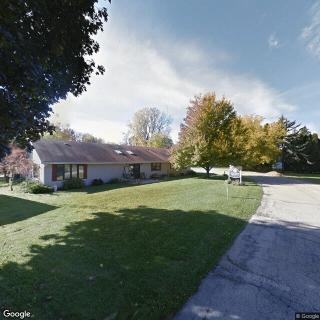


 When to Transition from Assisted Living to Memory Care: Key Indicators, Steps, and Finding the Right Community
 Assisted Living and Memory Care: Understanding Their Core Differences
 Beyond the Bingo Hall: 50+ Enriching Activities for Seniors in Assisted Living