
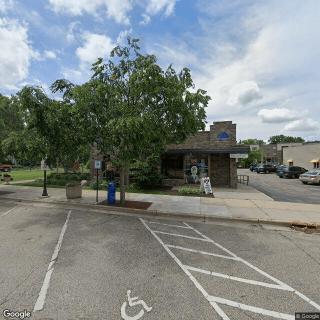
201 North 4 Th Street, Evansville, WI 53536
For more information about senior living options: (866) 208-4318
Overall Review of The Heights At Evansville Manor
Pros
 The staff at this resident home are truly exceptional and make a meaningful difference in the lives of the residents every day.
- They are kind, patient, and always take the time to genuinely connect with each person, making everyone feel valued and cared for.
- The crafts and special events are thoughtfully planned and greatly appreciated; they bring joy, encourage participation, and create a warm sense of community.
- Management deserves recognition for their supportive and well-organized leadership, which clearly reflects in how smoothly the home is run and how well the staff work together.
- It is comforting to know that residents are cared for by such a dedicated and compassionate team.
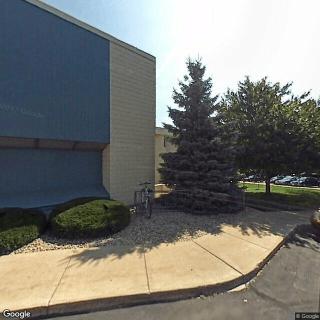
- The building is beautiful, and the staff are incredible; the home feels welcoming and the residents appear happy.
- The meals are wonderful.
- Melissa is amazing and very good with the residents.
- The same staff has remained with grandma, which is great.
Review
This community is best suited for families seeking a warm, home-like assisted living experience where caregiving quality and personal connections are the defining features. The Heights at Evansville Manor in Evansville, Wisconsin, has earned a reputation for a beautiful, inviting setting paired with a staff that genuinely knows residents and treats them with patience and kindness. The atmosphere feels intimate rather than clinical, with programs and daily life designed to foster belonging rather than routine-driven monotony. For families prioritizing continuity of care, consistent caregivers, and a supportive, well-organized management team, this is a compelling option that can translate into less anxiety about daily interactions and care planning.
Those evaluating alternatives should consider whether the setting aligns with expectations for medical intensity and specialized memory support. If a resident requires frequent hospital-level oversight, aggressive rehabilitation services, or a dedicated memory-care environment with highly structured clinical protocols, it may be prudent to explore options with a stronger emphasis on those capabilities. While The Heights at Evansville Manor shines in care delivery and community life, the reviews do not emphasize the presence of a large team of on-site specialists or a dementia-specific wing. Families should be candid about needs for advanced medical equipment, around-the-clock nursing, or more pronounced clinical oversight and compare those features across options that market themselves as higher-acuity or more memory-focused communities.
The heart of The Heights’ appeal lies in its people. Staff excellence, described as exceptional, patient, and genuinely connected, drives the daily experience. Residents are treated with a level of warmth that translates into meaningful relationships, consistent routines, and a sense that each individual matters. The same caregivers remain with residents over time, reducing confusion and fostering trust, which is a powerful offset to many common concerns about care transitions. Management is praised for being supportive and well-organized, a dynamic that manifests in smooth operations and coordinated teamwork. When a community operates with that degree of cohesion, families experience less administrative friction, more reliable care plans, and a steadier sense of security about who is looking after mom or dad.
In addition to staffing, the community environment contributes heavily to quality of life. The setting is described as beautiful and homey, with a sense that residents genuinely enjoy living there. The social calendar, crafts, special events, and activities, feels thoughtfully designed to engage residents, encourage participation, and nurture a warm sense of community. Family testimonials emphasize the tangible impact of these programs, noting that meals are satisfying and that the overall atmosphere promotes happiness and comfort. When residents feel seen during everyday interactions and activities, the emotional and psychosocial benefits often outweigh the absence of a formal, hospital-like atmosphere. The result is a living experience that many families view as a meaningful, day-to-day improvement in quality of life.
Yet a candid decision-maker will acknowledge that no community exists without trade-offs, even if the visible ones aren’t loudly advertised. The absence of explicit drawbacks in the reviews suggests a strong overall fit, but considerations remain for families weighing options. If a resident’s needs extend into intensive medical management, complex wound care, or a specialized memory-care track, the perceived strengths here may require corroboration with a facility that explicitly prioritizes those capabilities. The Heights’ advantages, continuity of staff, a home-like ambience, and engaged programming, do substantially offset typical concerns about impersonal care or turnover. Still, families should actively verify the scope of clinical resources, confirm the availability of psychiatry or geriatric medicine on-site if needed, and ensure alignment between care plans and personal care goals before committing.
In the end, the decision hinges on where true peace of mind comes from: a community that treats residents as people first, with a team that stays and teams that know each resident’s routine, preferences, and needs. The Heights at Evansville Manor excels in creating that sense of stability, comfort, and belonging. It is particularly well-suited for seniors who prize a respectful, home-like environment, strong caregiver consistency, and a program of activities that enrich daily life. For families prioritizing clinical acuity, large-scale medical resources, or highly specialized memory-care services, bronzing a plan elsewhere may be advisable. A judicious next step is to arrange a visit, observe real-time interactions between staff and residents, question staffing ratios and turnover, review care plans in detail, and experience the dining and common spaces firsthand. If these cues align with expectations, the choice should feel confident and rewarding for both resident and family.
 25 resident community capacity
 Assisted Living
 Beauty salon
 Cable or satellite TV
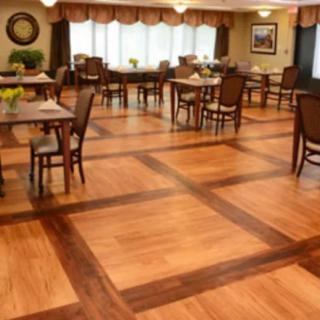
 Dining room
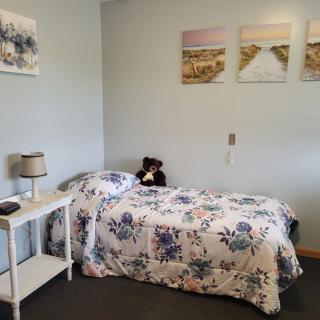
 Fully furnished
 Garden
 Housekeeping services
 Kitchenette
 Move-in coordination
 Outdoor space
 Restaurant-style dining
 Small library
 Telephone
 Wi-Fi/high-speed internet available
 Dane County Regional (25 miles away)
 24-hour call system
 Activities of daily living assistance
 Assistance with bathing
 Assistance with dressing
 Assistance with transfers
 Diabetes diet
 Medication management
 Mental wellness program
 Special dietary restrictions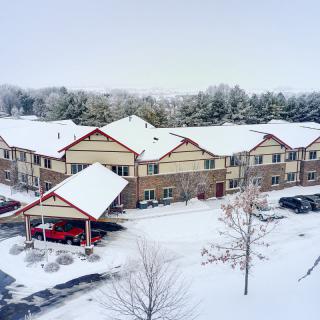


 Comprehensive Insights into Activities of Daily Living (ADLs) and Their Assessment
 Medicare Coverage for Assisted Living: An In-Depth Exploration
 Choosing the Right Senior Care: A Detailed Exploration of Assisted Living and Nursing Homes