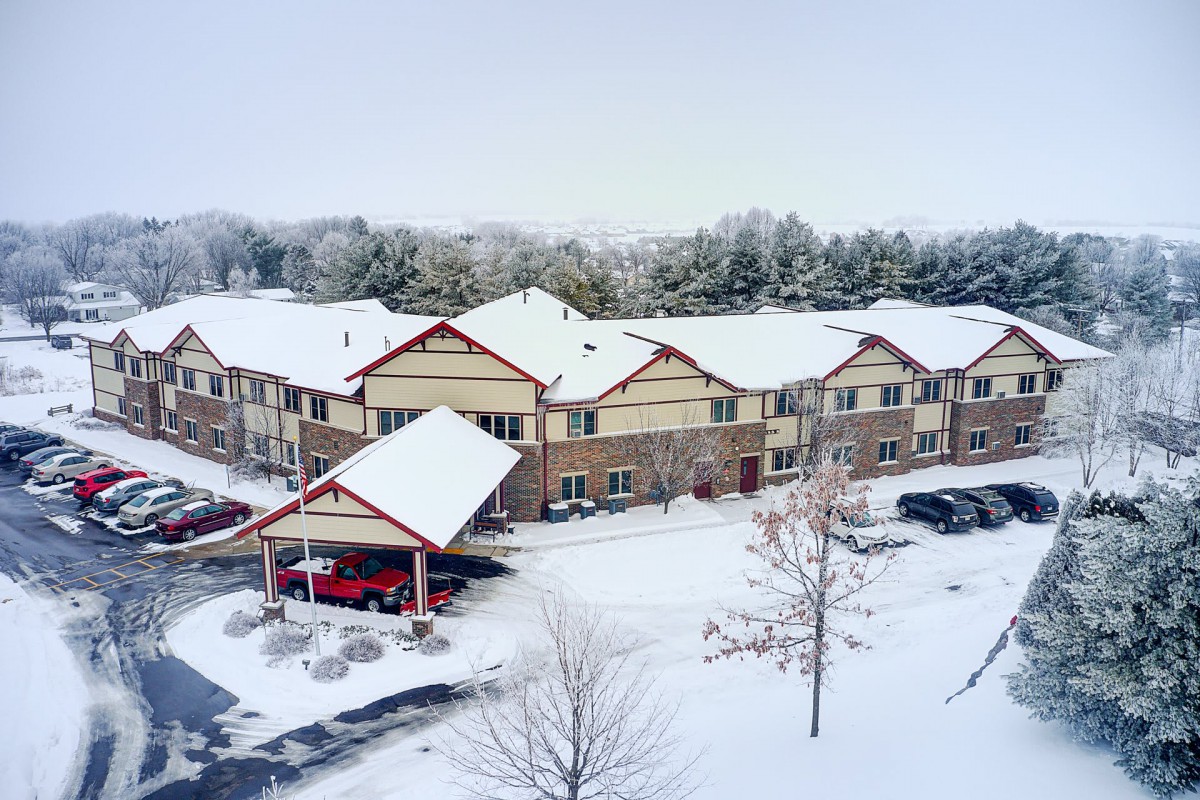

201 North 4th Street, Evansville, WI 53536
To contact a resident: (608) 882-9995
For more information about senior living options: (866) 208-4318
The Heights Assisted Living Costs & Pricing
The Heights Assisted Living offers competitive pricing for its accommodations compared to both Rock County and the broader Wisconsin state averages. For a studio, residents can expect a monthly cost of $3,600, which is slightly higher than Rock County's average of $3,525 but more affordable than the statewide mean of $3,999. In the one-bedroom category, The Heights charges $4,100 - this is notably above Rock County's rate of $3,310 and Wisconsin's average of $3,412. However, in the two-bedroom option, The Heights' price of $4,500 stands out as significantly higher than both Rock County's average ($3,079) and the state figure ($3,111). Overall, while some options at The Heights may be pricier than local averages, they reflect the quality and amenities that enhance resident experience within this community-focused environment.
| Floor plans | The Heights Assisted Living | Rock County | Wisconsin |
|---|---|---|---|
| Studio | $3,600 | $3,525 | $3,999 |
| 1 Bedroom | $4,100 | $3,310 | $3,412 |
| 2 Bedrooms | $4,500 | $3,079 | $3,111 |
Assisted Living communities with a similar price nearby
-
About the same
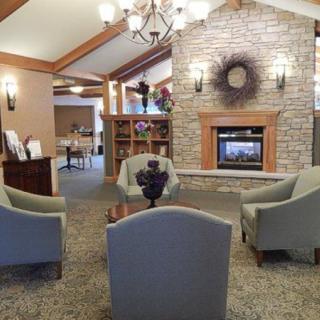
Milton Senior Living
$3,675 to $4,400 / month17.7 miles away -
from +$700 / mo
Beloit Senior Living
$4,300 to $5,200 / month22.6 miles away -
from -$340 / mo
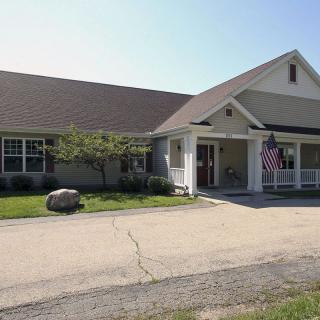
Our House Senior Living Assisted Care - Cambridge
$3,260 to $3,310 / month21.2 miles away -
from +$300 / mo
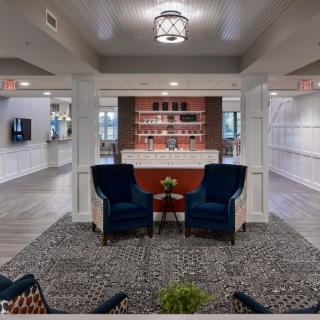
Kettle Park Senior Living
$3,900 to $4,820 / month11.3 miles away -
from -$350 / mo
Coventry Village
$3,250 to $5,500 / month21.1 miles away
Overall Review of The Heights Assisted Living
Pros
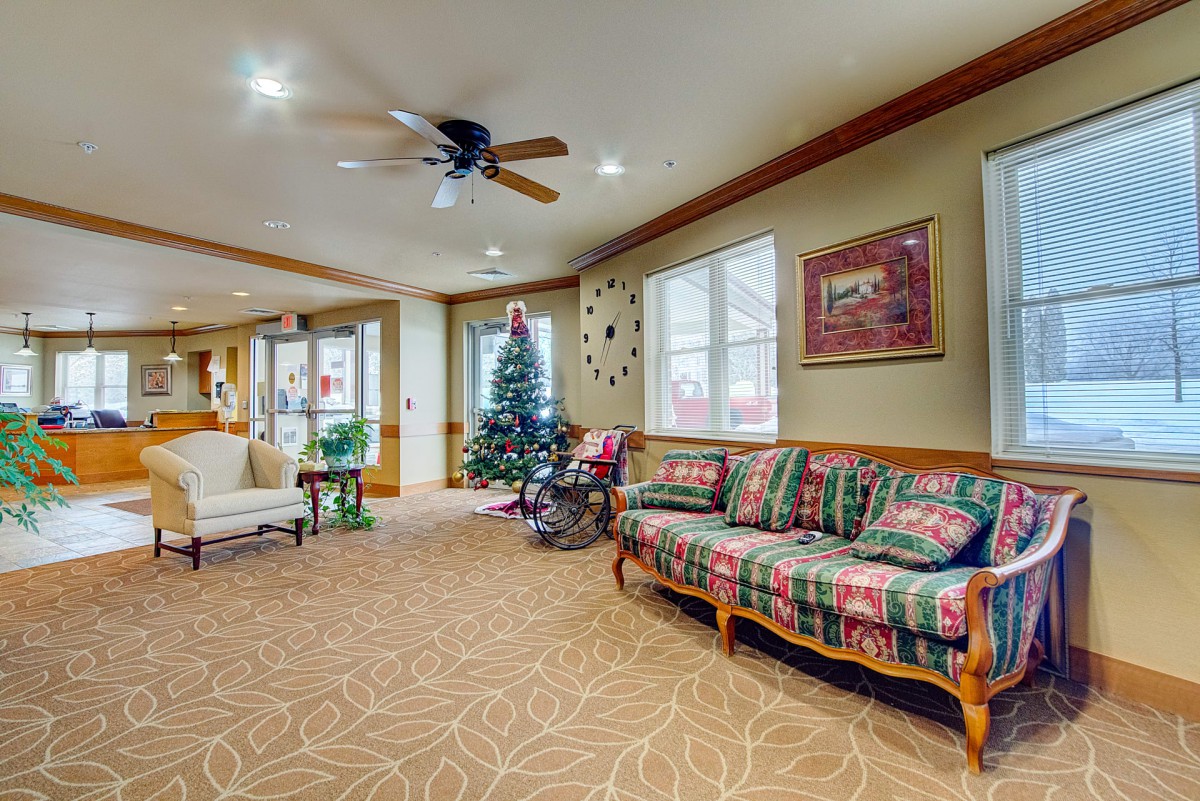
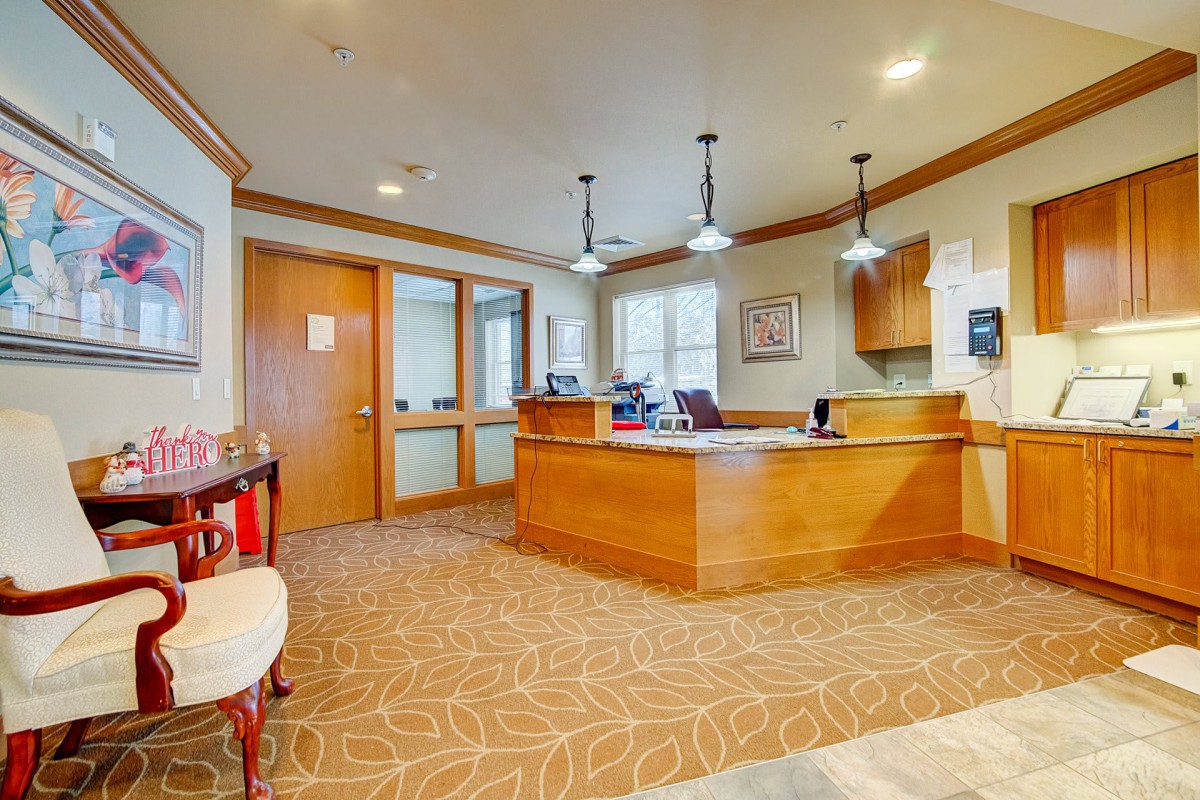
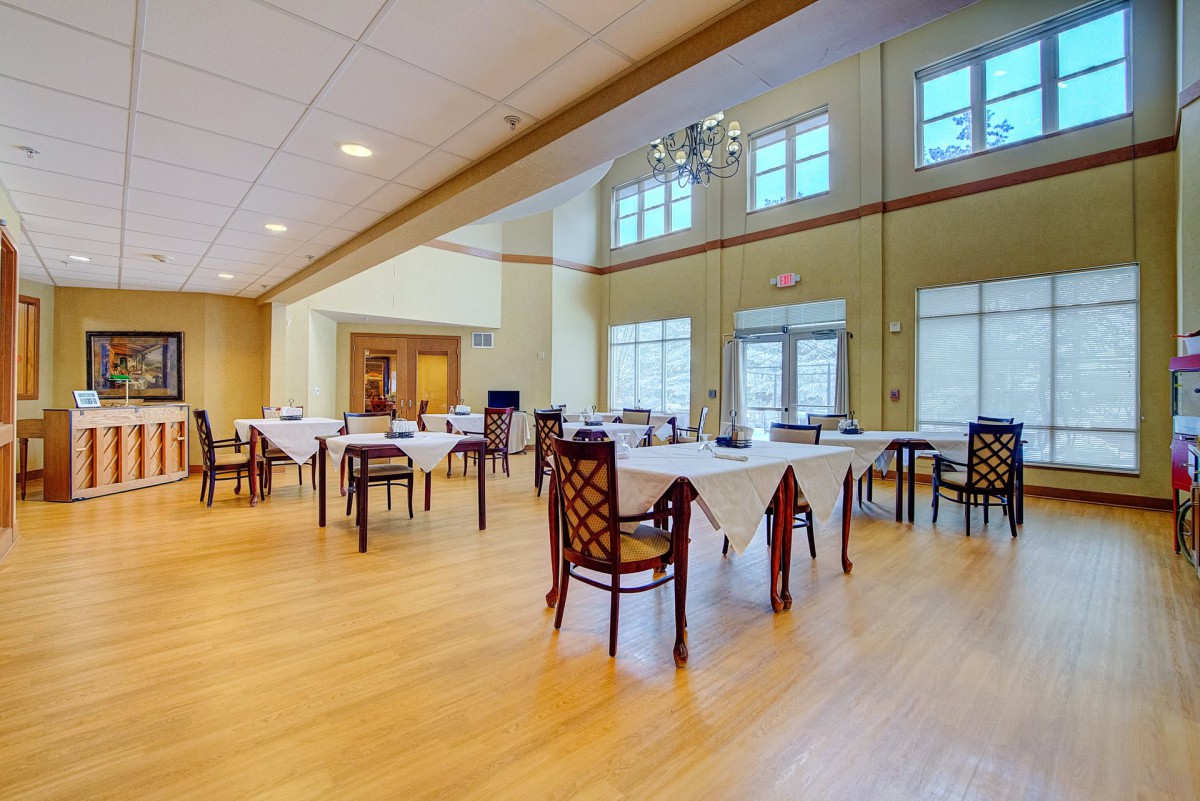
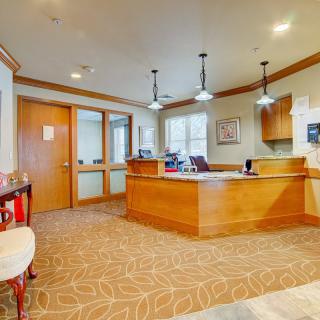
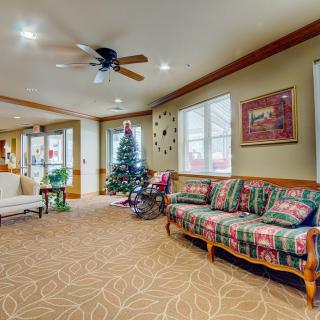
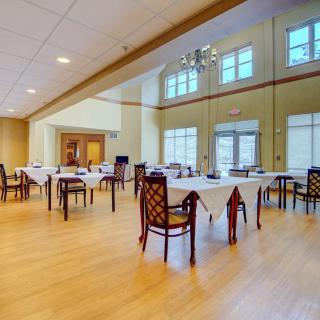
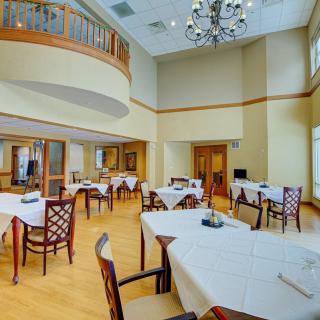
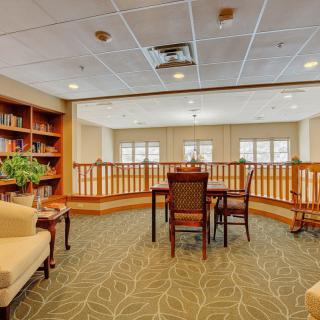
 The community is beautiful and feels very homey, with residents clearly happy.
- The staff are incredible and provide top-quality, compassionate care.
- Melissa is amazing with the residents, and the long-tenured staff demonstrate genuine kindness.
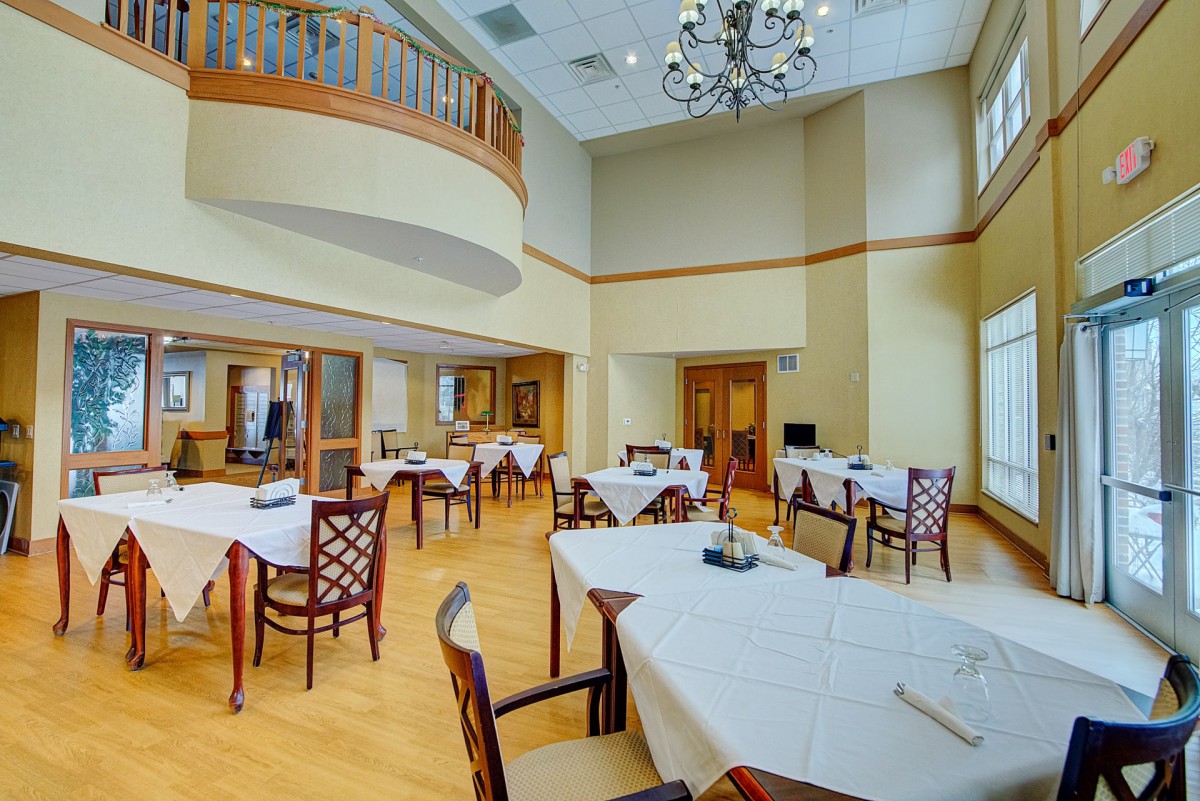
- The food is wonderful, and meals meet residents’ needs in a thoughtful way.
- The Heights of Evansville is trusted for excellent care and is highly regarded by families.
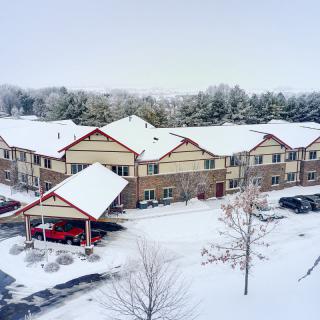
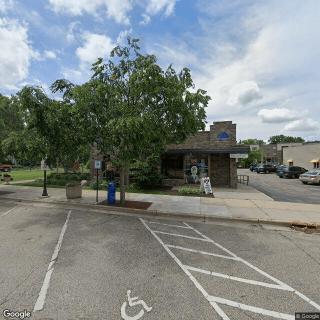
- The facility is clean and well-maintained, with nice grounds and a shaded patio for residents to enjoy.
Cons
 The staff are short-staffed, which affects housekeeping and activities.
- The meals don't adequately support diabetic needs and include too many carbs.
- Corporate doesn't provide enough money to spend on better quality foods.
- The community is small and offers only a few different activities.
Review
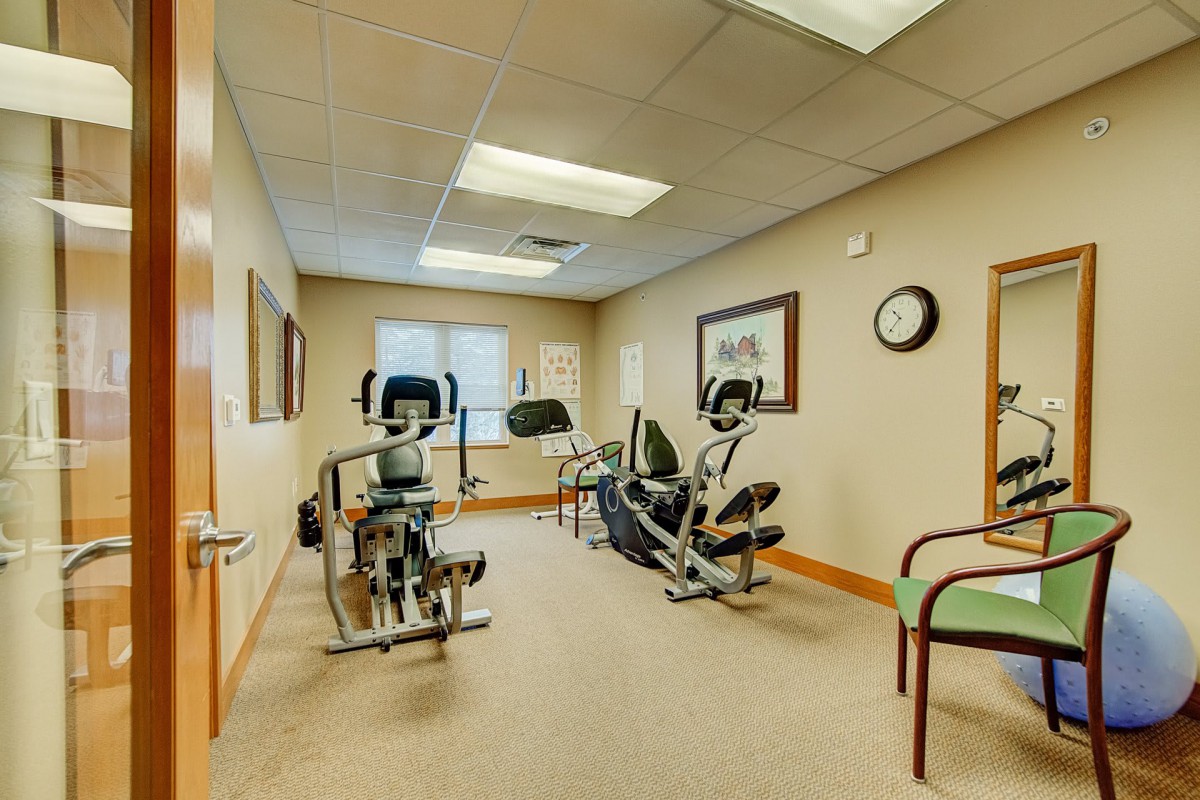
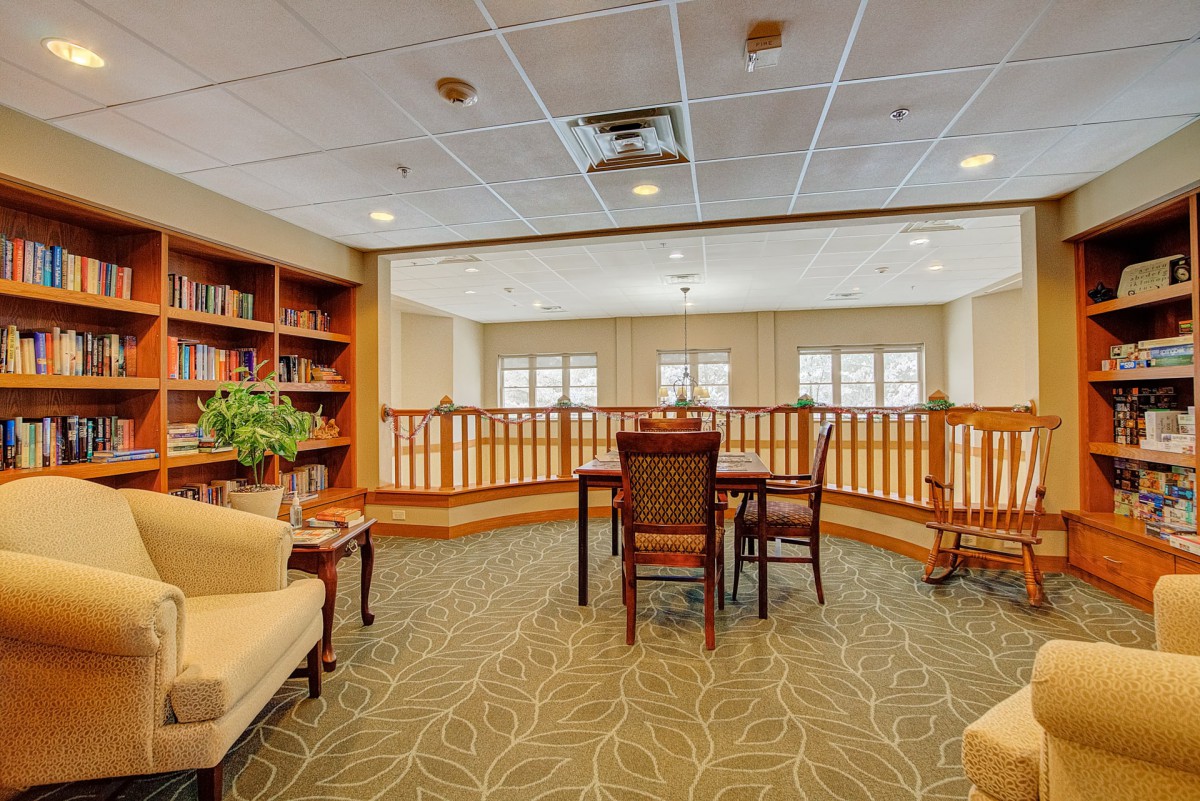
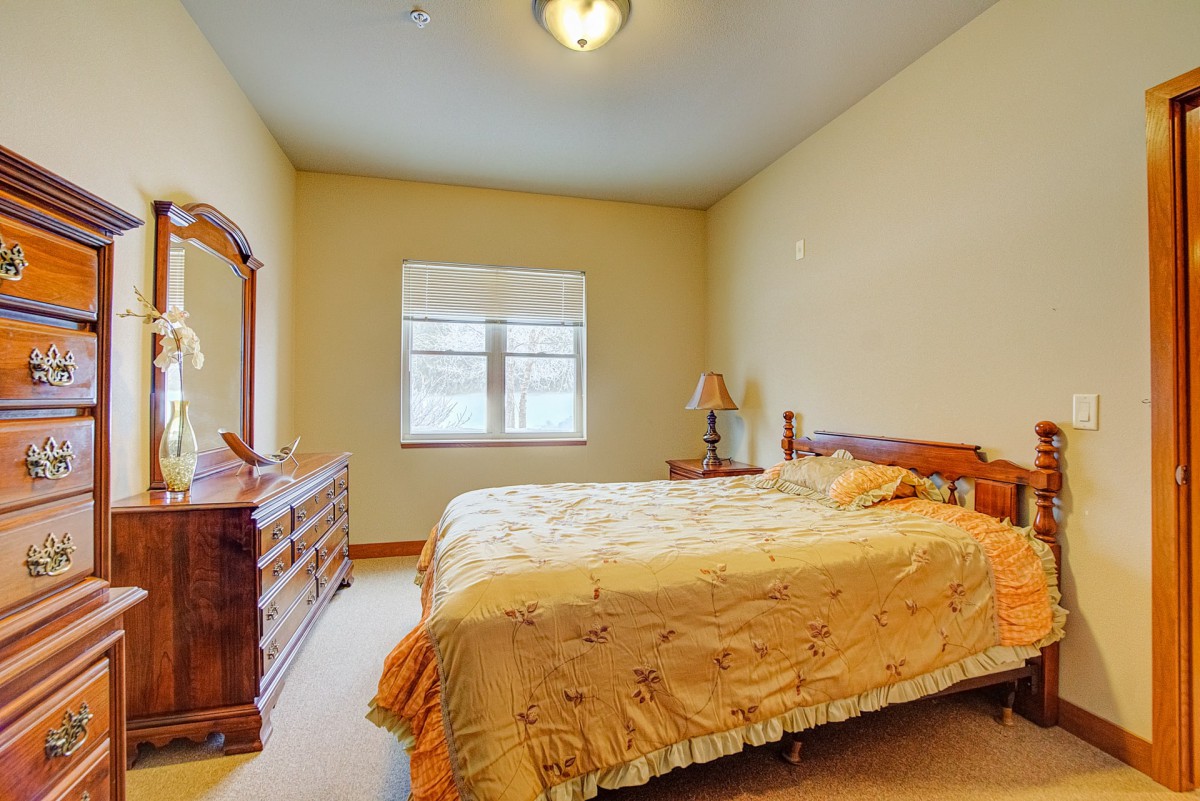
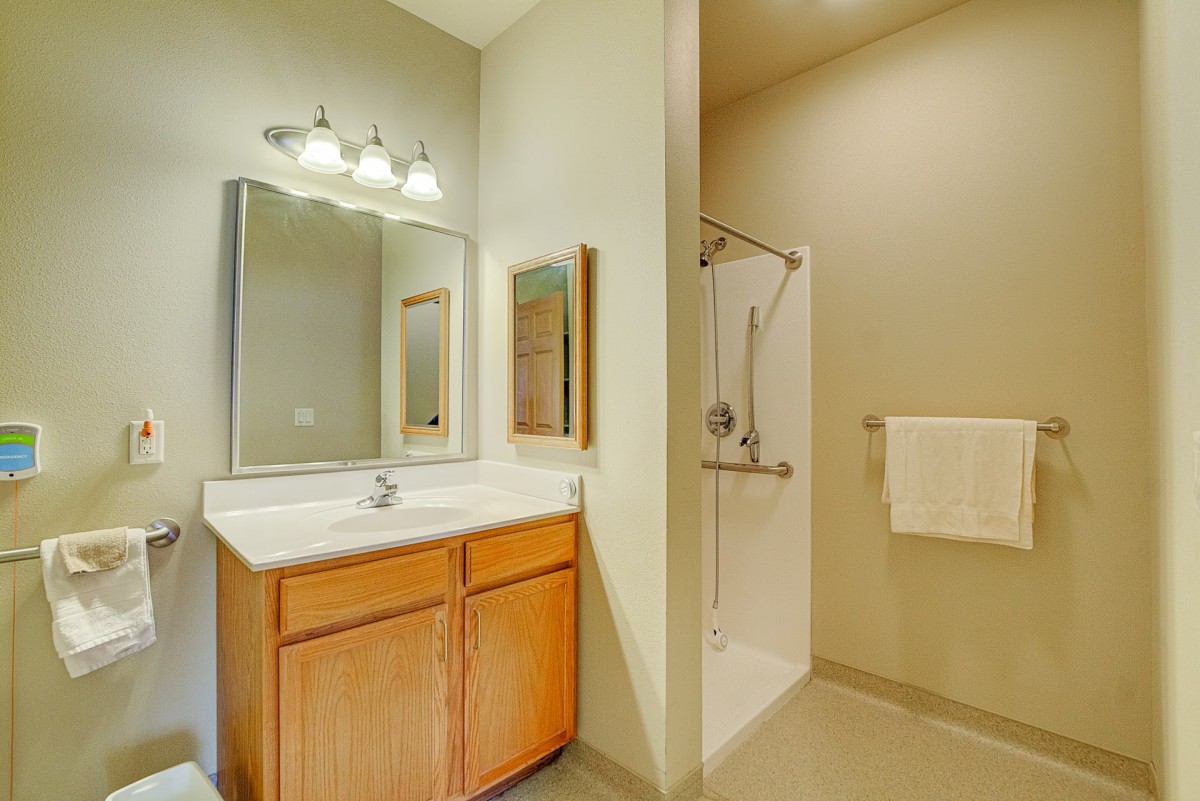
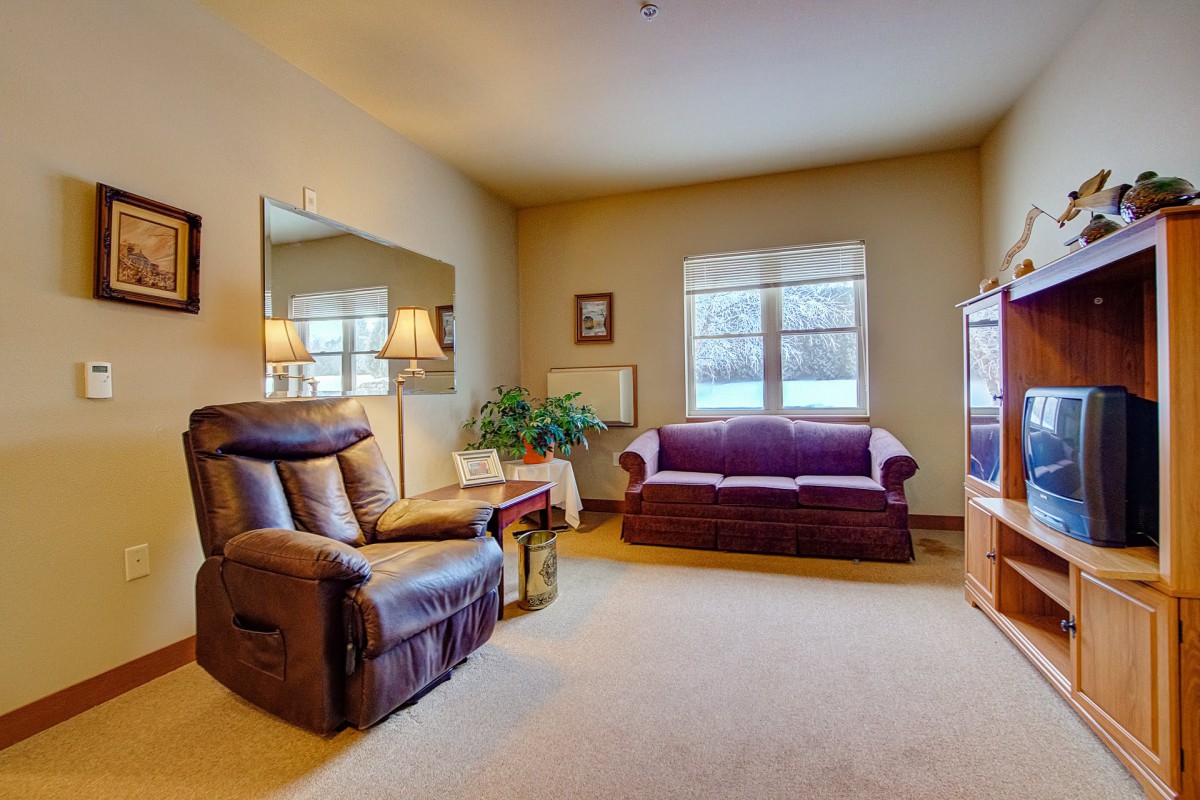
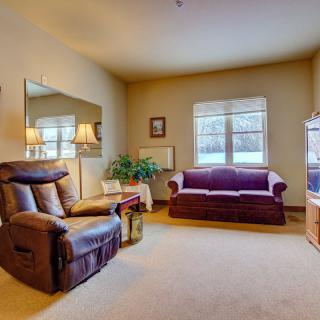
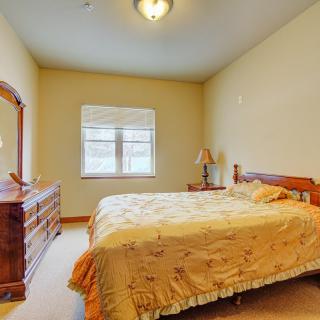
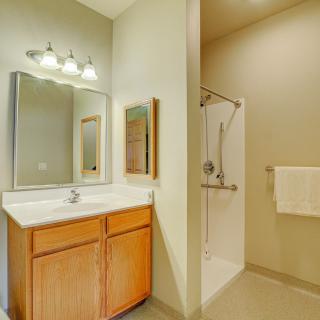
The Heights Assisted Living in Evansville, Wisconsin is best suited for seniors who want a warm, home-like setting with caregivers who know residents well and stay consistent over time. This is a small, intimate community where relationships matter, and where a couple or an individual can enjoy private, comfortable living in a two-bedroom option with accessible bathrooms. The strongest case here is for families seeking genuine personal attention, daily reassurance, and a sense of belonging over a wide menu of programs. If the priority is to feel “at home” in a predictable environment with reliable staff, this is a compelling fit.
Those who may want to consider alternatives are those pursuing a more dynamic activity calendar or a facility with broader, more varied dining options, especially for residents with strict dietary needs. The Heights is a smaller operation, and the reviews point to a limited slate of activities and a staffing rhythm that can oscillate, influencing housekeeping and event offerings. For seniors who crave abundant social programming, frequent off-site outings, or a deeply specialized medical or rehabilitative on-site focus, a larger community with more resources would likely serve better. Additionally, families needing aggressive diabetes-management in meals or consistently ultra-nutritious menus across the day may want to scrutinize the kitchen’s capacity more closely.
The core advantages at The Heights offset some notable drawbacks through a combination of care quality, atmosphere, and practical features. The building’s aesthetic is welcoming, and residents report happiness within a genuinely home-like culture. The caregiving staff is repeatedly highlighted for kindness, attentiveness, and continuity, some caregivers have remained with residents for extended periods, which supports trust, safety, and smooth daily routines. The available two-bedroom units with accessible bathrooms are a tangible benefit for couples or shared-stay arrangements, while cleanliness and well-maintained grounds, including a shaded patio, contribute to a comfortable, low-stress living experience. When dietary needs are communicated, staff are willing to adapt on an individual basis, a practical strength in a setting that prioritizes resident comfort and dignity.
However, the downsides are real and should influence the decision. Short-staffing is cited as the reason for occasional lapses in housekeeping and a leaner activity calendar, which can leave some days feeling routine rather than engaging. The dining program can be uneven, with some residents finding meals too carb-heavy for diabetic needs, and others praising the food as wonderful, suggesting variability and perhaps limited menu breadth tied to budget constraints. A small community inherently offers fewer program options and a tighter schedule, which might disappoint seniors who want constant stimulation and a wide range of social opportunities. Finally, while the staff’s generosity and stability are clear, the absence of a robust on-site rehab focus means families should plan for post-acute needs outside the building if intensive therapy is required.
For families weighing the options, the practical course is to verify how staffing translates into day-to-day realities. Ask about current staff-to-resident ratios, how care is allocated during peak hours, and what happens on weekends when coverage can sag. Probe the activities calendar to understand the frequency and variety of offerings, and confirm how dietary plans are developed and reviewed, especially for residents with diabetes or other dietary restrictions. Inspect the kitchen’s ability to deliver low-carbohydrate or specially tailored meals, and request examples of recent menus. Finally, clarify rehab capabilities and partnerships, ensuring an honest picture of what services are available within or outside the community if recovery stays are anticipated.
Overall, The Heights Assisted Living stands out for its warmth, stability, and the intimate care that often accompanies a small, well-loved setting. It is a strong choice for families who prize continuity, a homey environment, and the comfort of knowing caregivers are invested in residents’ daily well-being. It may be less suitable for those who require a high-energy activity environment, a wide array of dining options, or extensive on-site rehabilitation services. When these priorities align, The Heights delivers not only safety and dignity but a genuine sense of belonging that can make the transition to assisted living smoother and more sustainable.
 Assisted Living
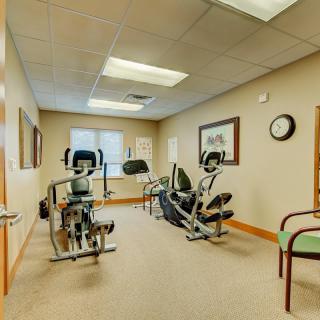
 Activities on-site
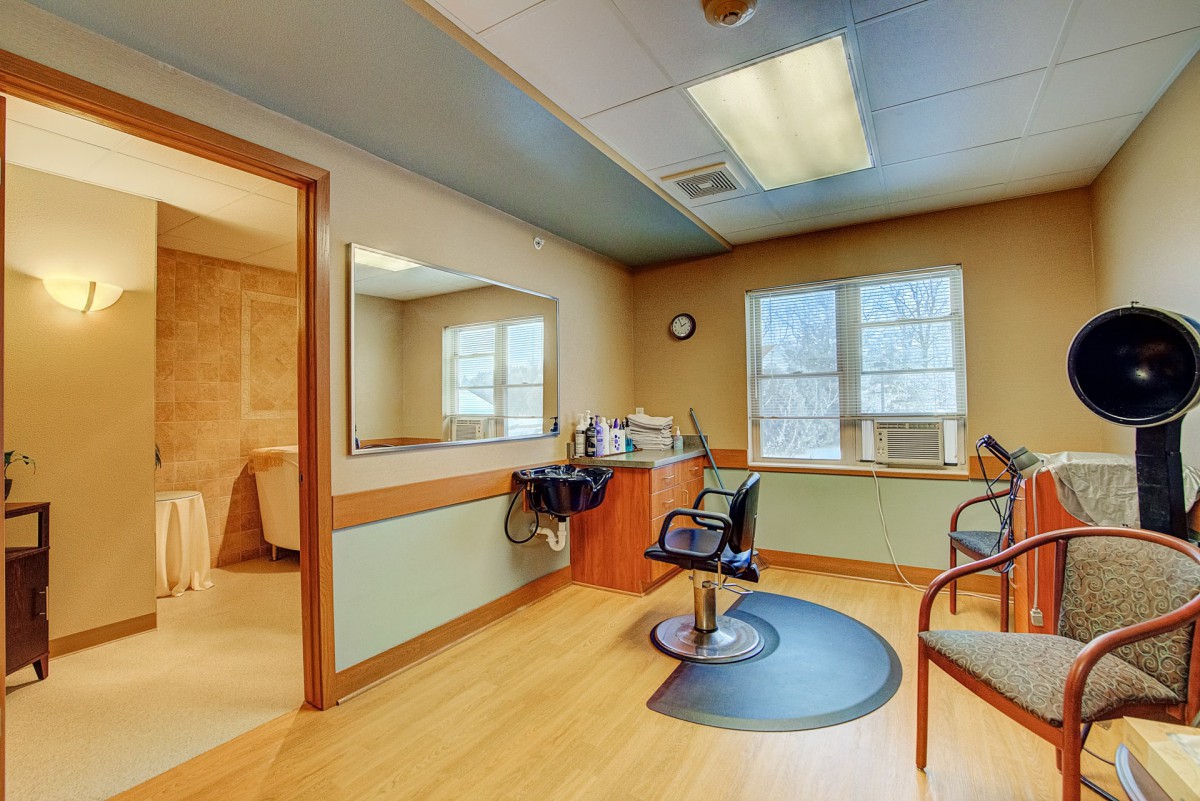
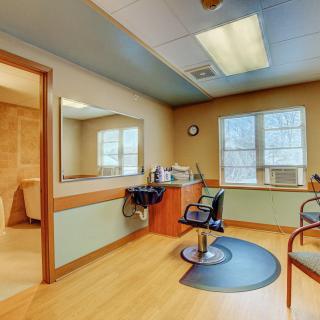
 Beautician on-site
 Devotional services off-site
 Indoor common areas
 Respite or short term stays offered
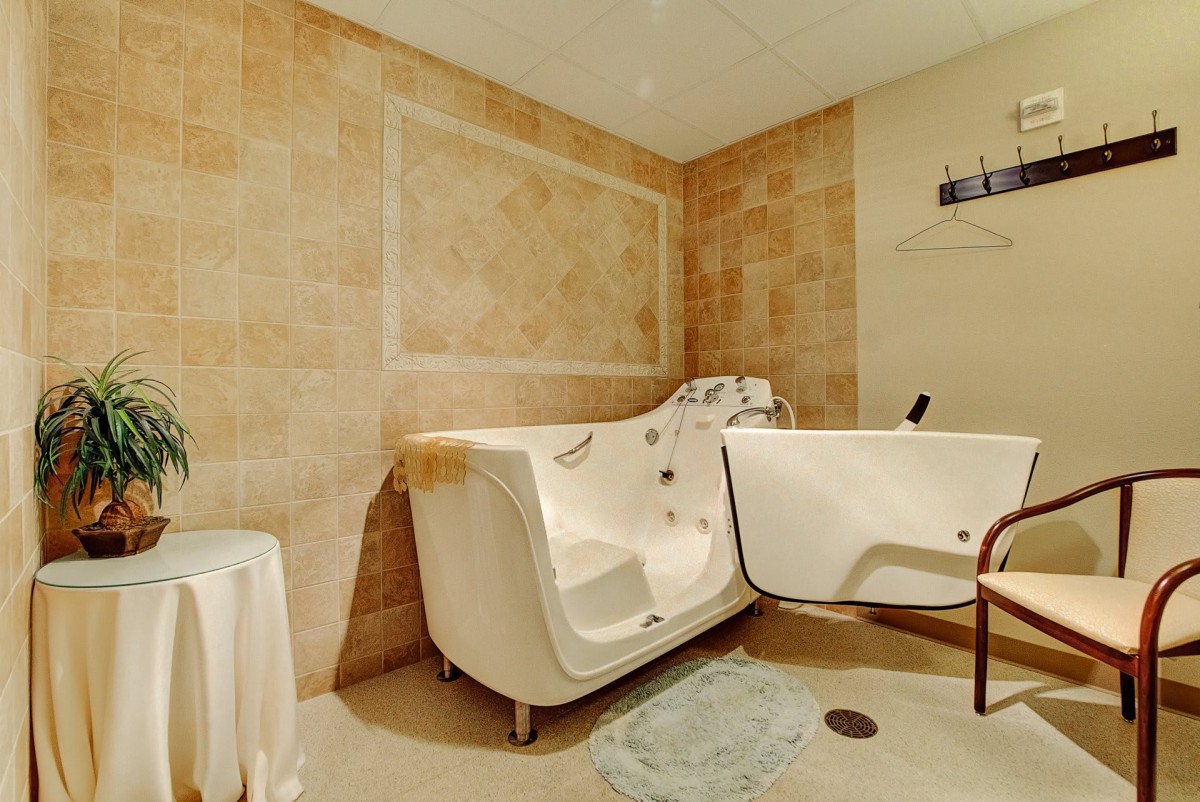
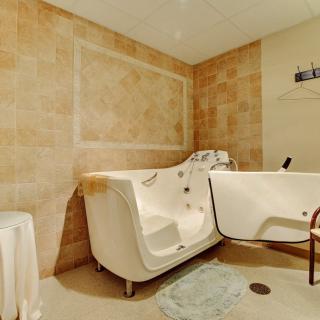
 Wheelchair accessible showers
 Dane County Regional (25 miles away)
 Ambulatory care
 Diabetic care
 Incontinence care
 Medication management
 Meals provided


 Understanding Medicaid Coverage for Assisted Living: A Comprehensive Guide
 How and When Medicaid May Cover Assisted Living Costs
 A Detailed Exploration of Assisted Living Medicaid Waivers Across the United States