
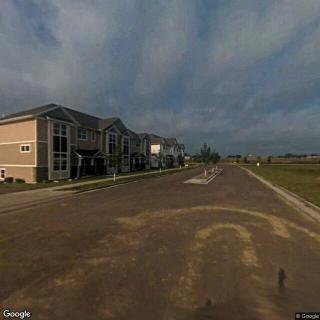
2005 Agnes Street, Eau Claire, WI 54701
For more information about senior living options: (866) 208-4318
Family Tree Costs & Pricing
Family Tree offers competitive pricing for its living accommodations, particularly when compared to both Eau Claire County and the broader state of Wisconsin. For a semi-private room, the monthly cost at Family Tree is $3,700, which places it slightly higher than Eau Claire County's rate of $3,044 but more affordable than the state average of $3,977. When it comes to private rooms, Family Tree's rate of $4,200 is marginally below Eau Claire County's charge of $4,161 and just under the state average of $4,339. Overall, these figures suggest that Family Tree provides valuable options within a reasonable price range while maintaining quality care in a nurturing environment.
| Floor plans | Family Tree | Eau Claire County | Wisconsin |
|---|---|---|---|
| Semi-Private | $3,700 | $3,044 | $3,977 |
| Private | $4,200 | $4,161 | $4,339 |
Memory care communities with a similar price nearby
-
from +$695 / mo
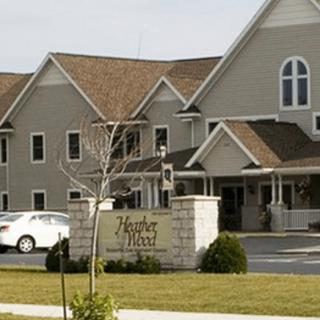
HeatherWood Assisted Living & Memory Care
$4,395 to $5,695 / month0.4 miles away -
from +$150 / mo
Azura Memory Care of Eau Claire
$3,850 / month1.9 miles away -
from -$700 / mo
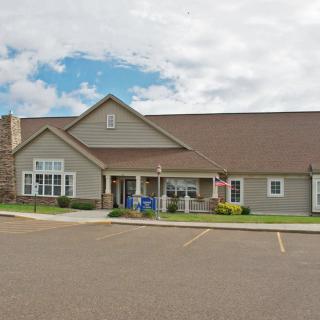
Our House Senior Living - Chippewa Falls Assisted Care
$3,000 to $3,980 / month11.1 miles away -
from -$700 / mo

Comforts of Home - Menomonie
$3,000 to $3,300 / month23.1 miles away -
from +$440 / mo
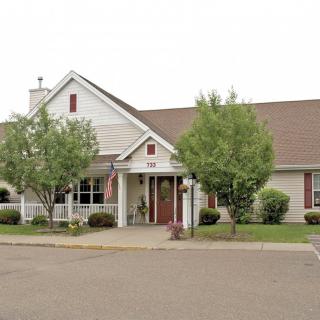
Our House Senior Living - Eau Claire Memory Care
$4,140 / month1.8 miles away
Overall Review of Family Tree
Pros
 The workers are amazing.
- The owner Pam is one of the best people around.
- She owns a bus that she takes the residents to fun places all the time.
- They cook home cooked meals everyday.
- The Family Tree is a respectable and quality establishment for your care needs.
- The residents seemed very content and well cared.
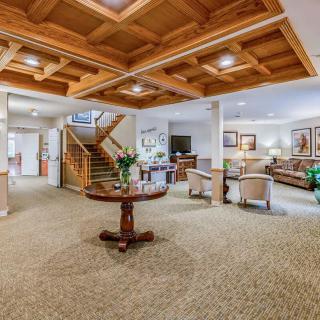
- The main dining room looked comfortable and spacious.
- The kind staff attends to their needs in an expert, caring and considerate manner.
Review
Family Tree in Eau Claire, Wisconsin is best suited for families seeking a warm, family‑style assisted living where staff are consistently attentive, outings are regular and varied, and meals feel home-cooked. It works especially well for residents who value a sense of belonging, easy social connection, and a safe, well‑kept environment. Those needing heavy medical oversight, specialized memory‑care programming, or a more clinical setting may want to consider alternatives. Prospective residents seeking ultra-modern amenities or a large, hospital‑like campus may also want to look elsewhere.
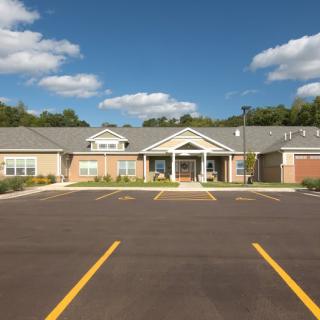
The core strengths live in the people and the daily life they create. The staff are described as amazing, with Pam, the owner, singled out for her leadership and personal touch. The calendar is lively, and the campus supports movement and exploration, from an exercise center with classes to safe, inviting outdoor spaces and well‑lit, calming interiors. Dining is a standout feature: home‑style meals in a comfortable, spacious dining room, with snacks available throughout the day. Transportation is practical and frequent, as Pam personally facilitates outings on a bus to cultural venues, nature excursions, and nearby dining options. Residents appear content and engaged, supported by a caring, considerate team that treats them as individuals rather than cases.
As with any community, there are trade‑offs to weigh. The most notable limit in the available narrative is a lack of explicit detail about medical staffing levels, on‑site nursing hours, or specialized memory‑care programming. The emphasis on social life and enrichment is clear, but families seeking robust clinical oversight or 24/7 medical coverage may need to verify how medical needs are managed, either on‑site or via partnerships. The model also seems to be strongly owner‑driven, which is a strength for consistency and culture but can raise questions about continuity if staffing or leadership changes occur. In addition, while the setting is welcoming and homey, it may feel smaller or more intimate than larger campuses, a factor for families weighing breadth of on‑site services.
Those strengths, however, largely offset the potential drawbacks for many residents. A homey atmosphere, personalized spaces, and easy navigation reduce anxiety for residents transitioning from home, while accessible bathrooms, rails, and well‑maintained grounds bolster safety and independence. The same focus on nourishment, nutritious, tasty meals and flexible snack options, helps maintain comfort and appetite, a meaningful contrast to more impersonal dining environments. The rich schedule of cultural outings, nature activities, and on‑site exercise creates daily purpose and social connection that can sustain cognitive and emotional well‑being, mitigating the impact of having less on‑site medical infrastructure. In short, the community delivers emotional warmth and purposeful engagement, which often compensates for a lighter clinical footprint.
For families visiting, practical steps sharpen fit. Observe how residents interact with staff to gauge warmth, responsiveness, and respect. Request a sample menu and ask about dietary accommodations, meal timing, and the flexibility to honor individual preferences. Inquire about transportation schedules, what outings are typical, and how accessibility is handled for those with mobility limitations. Clarify the level of medical support available on site, including nursing coverage, routine visits, and the process for emergencies. If memory care or specialized clinical needs are part of the plan, seek explicit details, or arrangements with nearby providers, before committing. Also verify room options, privacy levels, and how residents personalize spaces to maintain a sense of home.
The bottom line is clear: Family Tree offers a compelling, well‑rounded option for families prioritizing a genuine, community‑oriented experience, with a lively activity calendar, home‑style meals, and attentive staff led by a hands‑on owner who clearly cares. It is an excellent choice for residents who want daily engagement, meaningful outings, and a nurturing, family‑like environment. For those whose benchmarks include intensive medical oversight, formal memory‑care programs, or a more clinical, hospital‑grade setting, alternatives may serve better. With a strong 4.8/5 rating reflected in real experiences, this community stands out as a practical, confident recommendation for families seeking everyday happiness, safety, and connection in a warm Eau Claire setting.
 8 resident community capacity
 Assisted Living
 Board and Care Home
 Memory Care
 Cable or satellite TV
 Dining room
 Fully furnished
 Garden
 Housekeeping services
 Move-in coordination
 Outdoor space
 Telephone
 Wi-Fi/high-speed internet available
 Chippewa Valley Regional (5 miles away)
 24-hour supervision
 Activities of daily living assistance
 Assistance with bathing
 Assistance with dressing
 Assistance with transfers
 Diabetes diet
 Hospice waiver
 Meal preparation and service
 Medication management
 Mental wellness program
 Special dietary restrictions
 Transportation arrangement (medical)
 Transportation to doctors appointments
 Are Dementia and Alzheimer's Disease Lethal? A Comprehensive Exploration
 Exploring the Power of Reminiscence Therapy for Individuals With Dementia
 An In-Depth Look at Reminiscence Therapy in Dementia Care