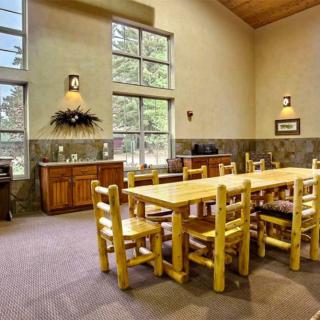
2332 N Railroad Street, Eagle River, WI 54521
For more information about senior living options: (866) 208-4318
Milestone Senior Living Eagle River Costs & Pricing
Milestone Senior Living Eagle River presents a competitive pricing structure compared to both Vilas County and the broader state of Wisconsin. For instance, the cost of a studio apartment at Milestone is $4,300, which is slightly lower than the county average of $4,538 yet higher than the state average of $3,999. In contrast, the one-bedroom unit at Milestone is priced at $4,500, notably exceeding both local and state averages at $3,483 and $3,412 respectively. The two-bedroom option stands out at $5,200, significantly above Vilas County's average of $3,917 and Wisconsin's average of $3,111. This pricing reflects not only the premium services offered at Milestone Senior Living Eagle River but also its commitment to providing a supportive environment for seniors in a picturesque setting.
| Floor plans | Milestone Senior Living Eagle River | Vilas County | Wisconsin |
|---|---|---|---|
| Studio | $4,300 | $4,538 | $3,999 |
| 1 Bedroom | $4,500 | $3,483 | $3,412 |
| 2 Bedrooms | $5,200 | $3,917 | $3,111 |
Memory care communities with a similar price nearby
-
from +$650 / mo
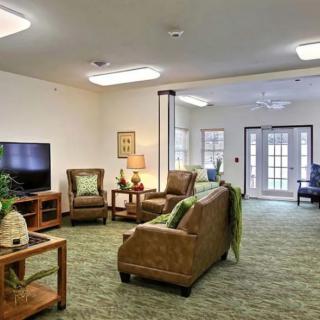
Milestone Senior Living Woodruff
$4,950 to $6,400 / month21.2 miles away -
About the same
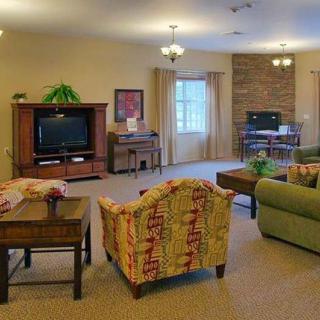
Milestone Senior Living Rhinelander
$4,300 to $5,999 / month20.7 miles away -
About the same
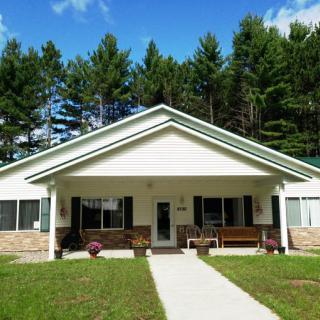
Country Terrace Assisted Living & Memory Care-Minocqua
$4,200 / month21.6 miles away
Overall Review of Milestone Senior Living Eagle River
Pros
 The community has the best cook and offers an alternative menu for those who don’t like what’s served.
- The community is kept clean and well-maintained.
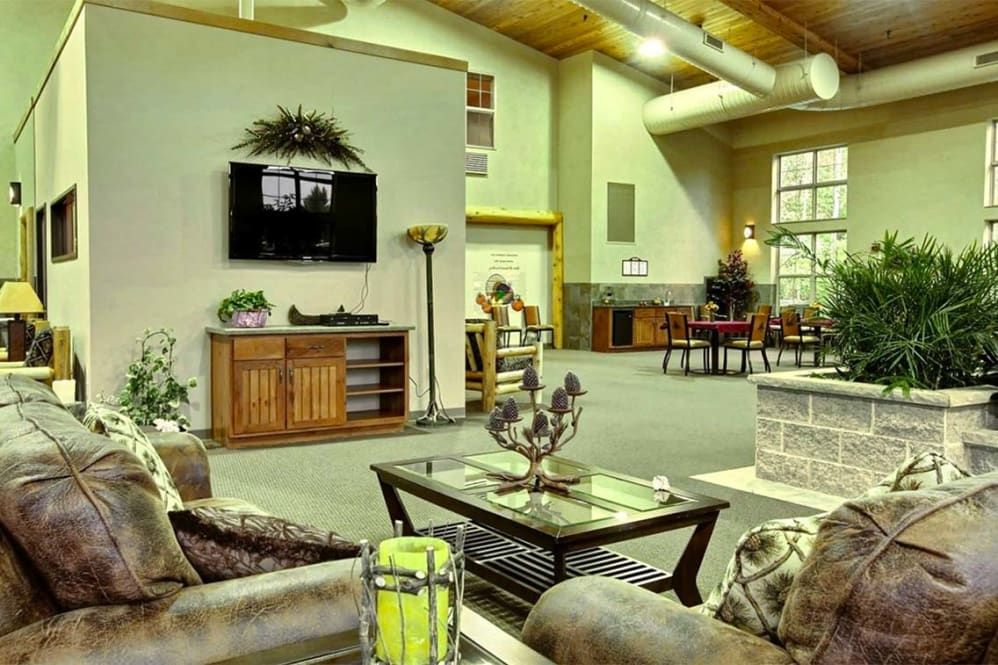
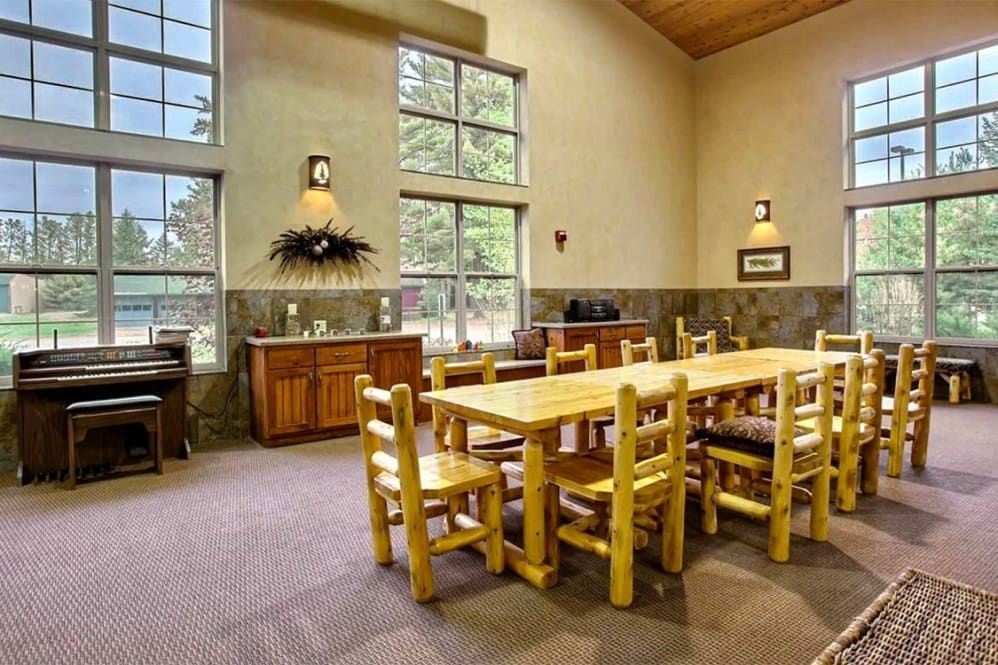
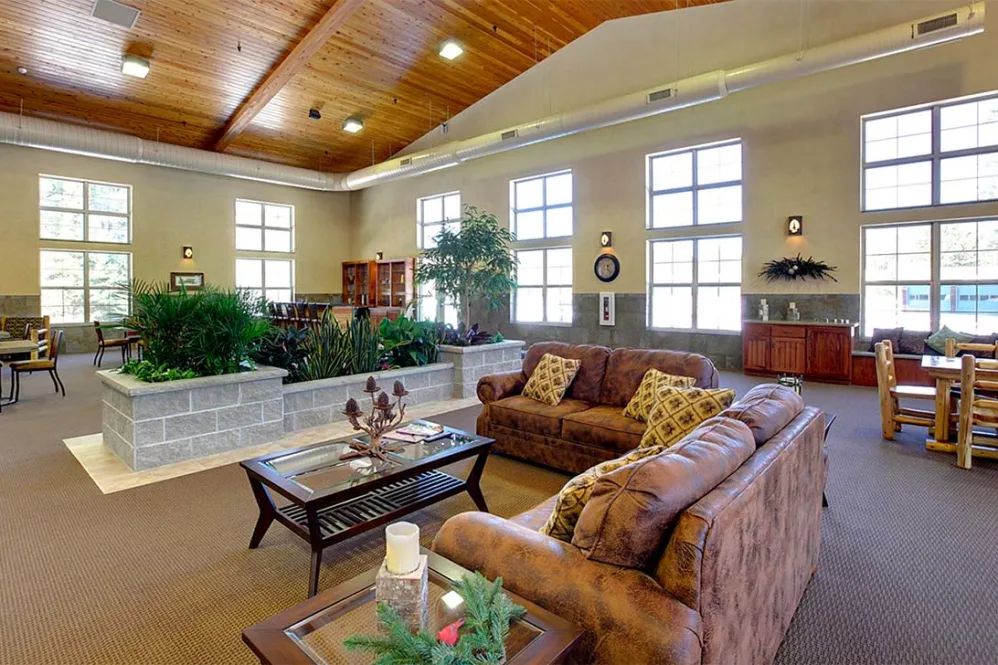
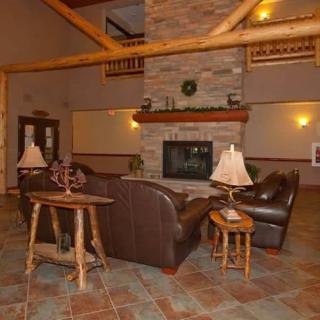
- The facility is beautiful, and residents can bring their dogs.
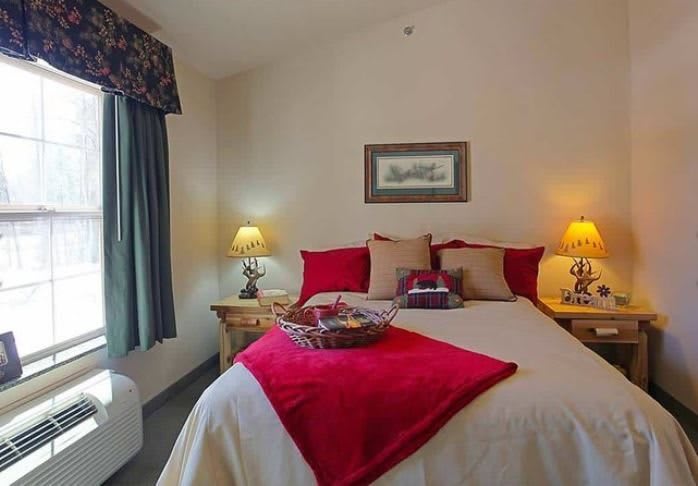
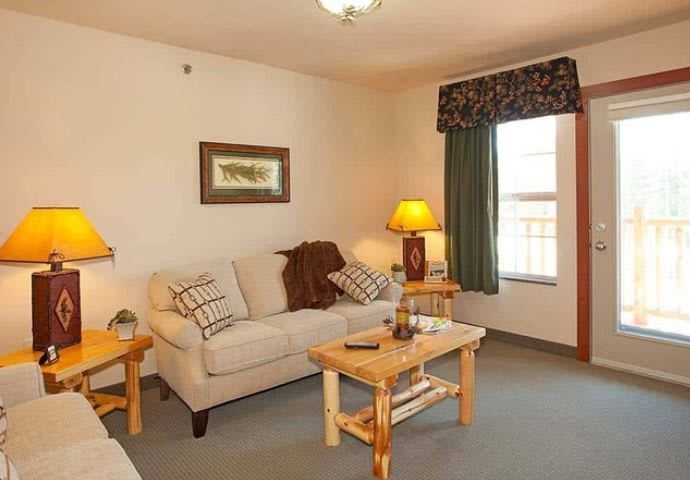
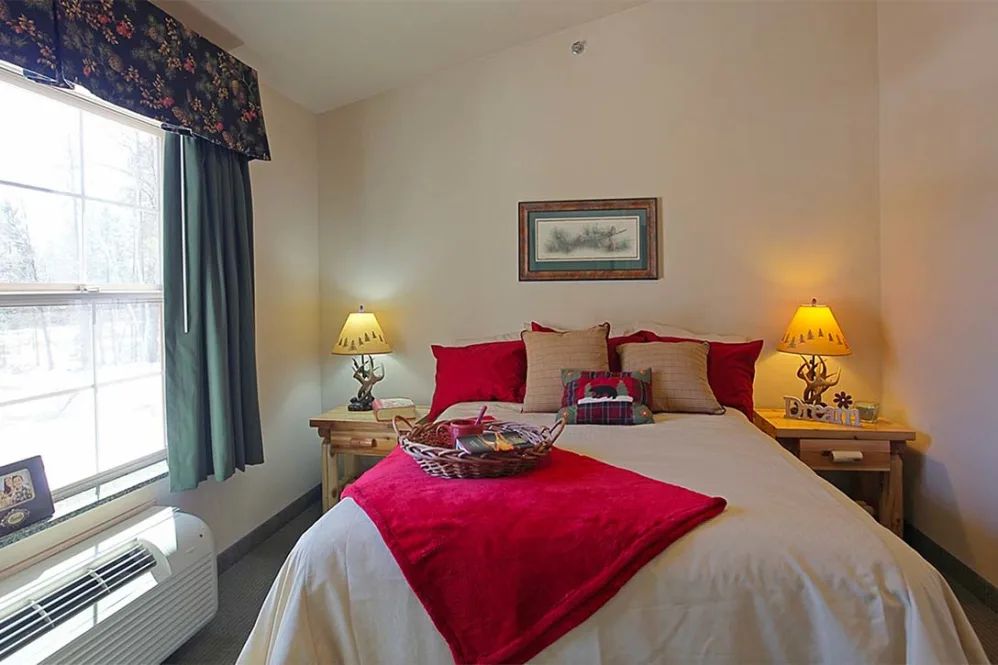
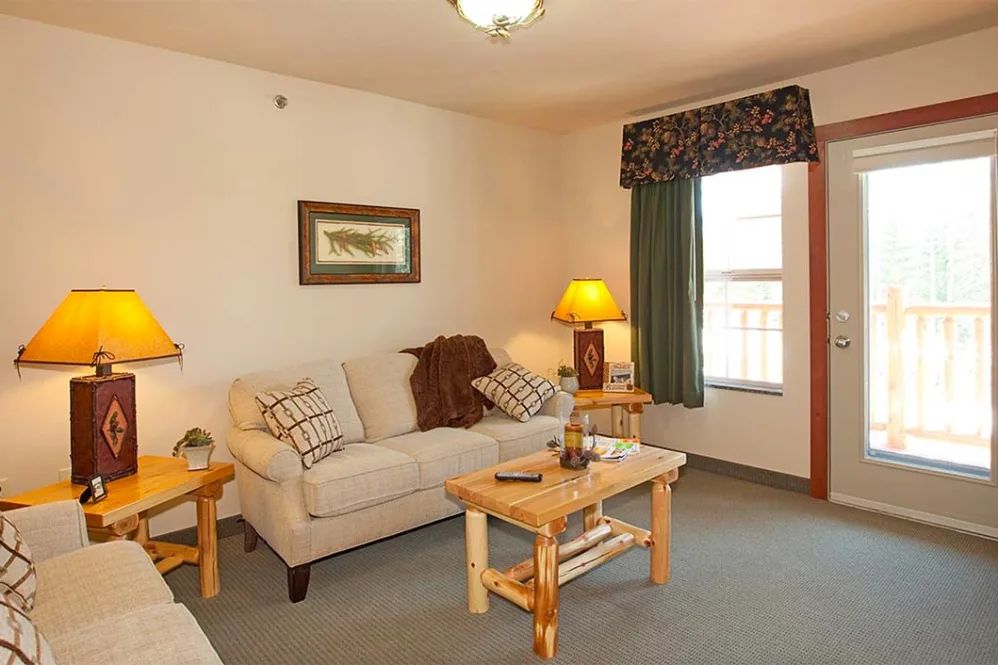
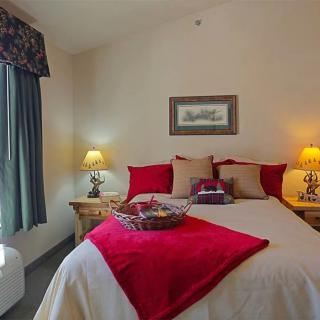
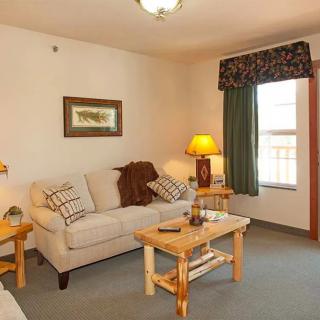
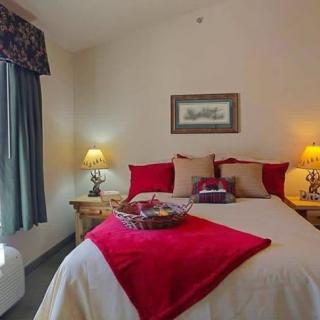
- The rooms are comfortable, including a well-appointed apartment with a walk-in closet, bedroom, kitchenette, and a spacious living room.
- The staff is outstanding—caring, knowledgeable, respectful, honest, and friendly.
- The facility is a dream come true and a wonderful place for seniors.
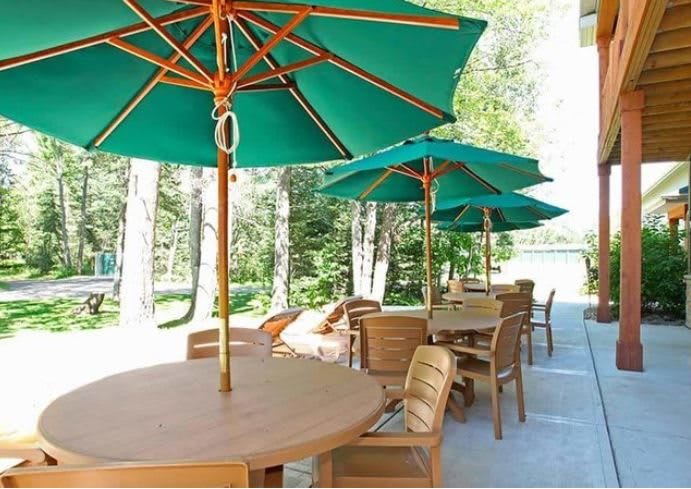
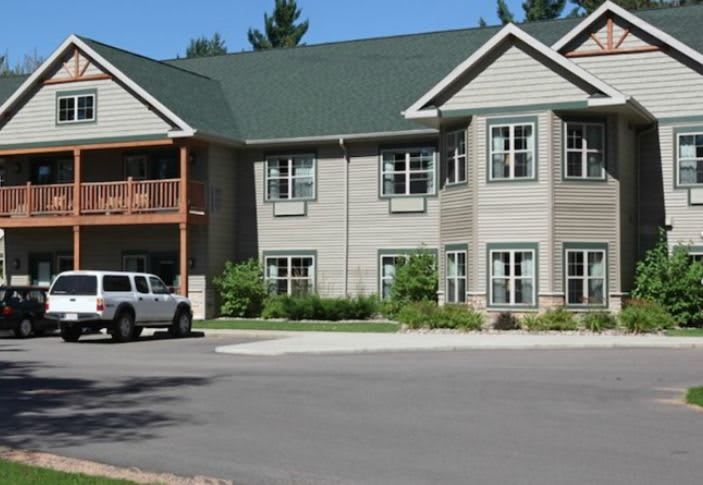
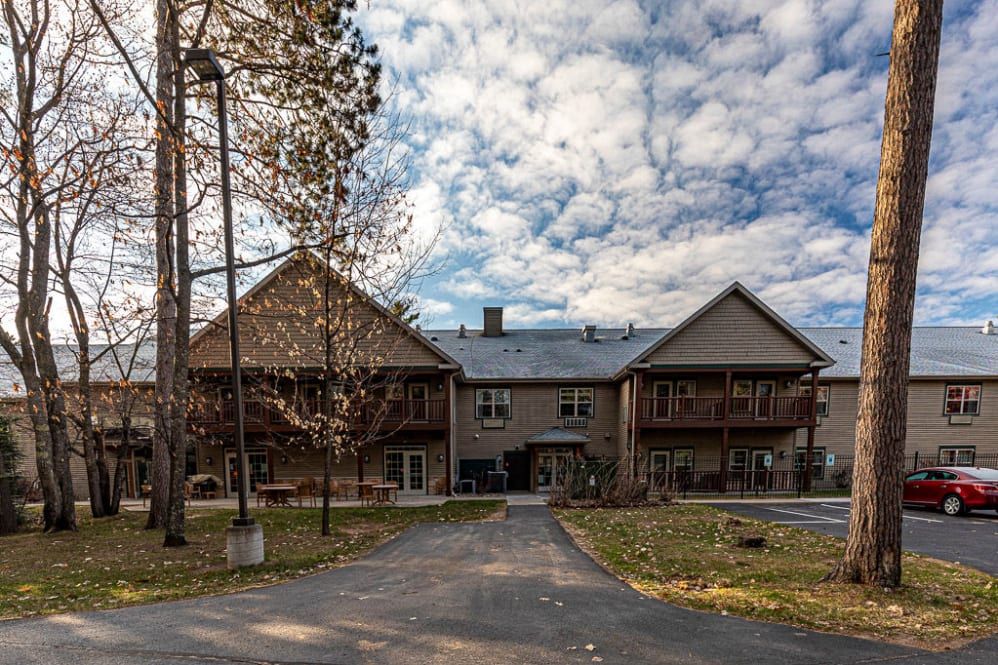
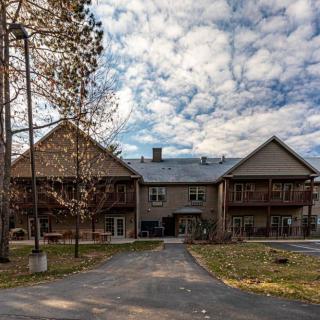
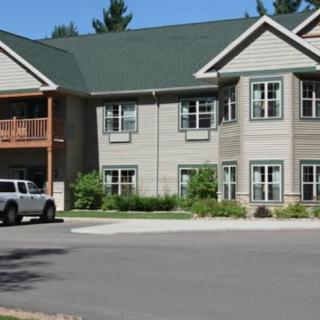
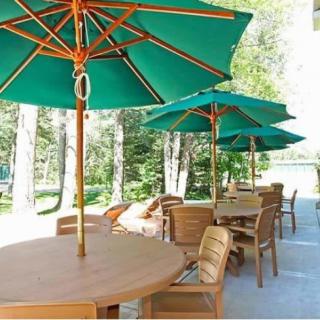
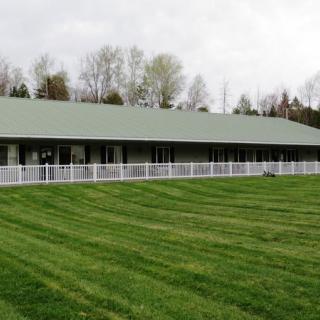
- The exterior is pleasant with beautiful woods surrounding the building.
- The food served is good and nutritious.
- Families appreciate proactive communication and feeling that their loved ones are safe and well cared for.
Cons
 There is no nurse on staff.
- They hire a nurse who comes in once a week and is rarely seen.
- A nurse quit Milestone citing illegal practices and concerns about losing her license.
- There is no one available to help with medical issues.
- The facility is overpriced.
- It is understaffed.
- It is run on a bonus system for management.
- They tell prospective residents anything to boost census for personal bonuses.
Review
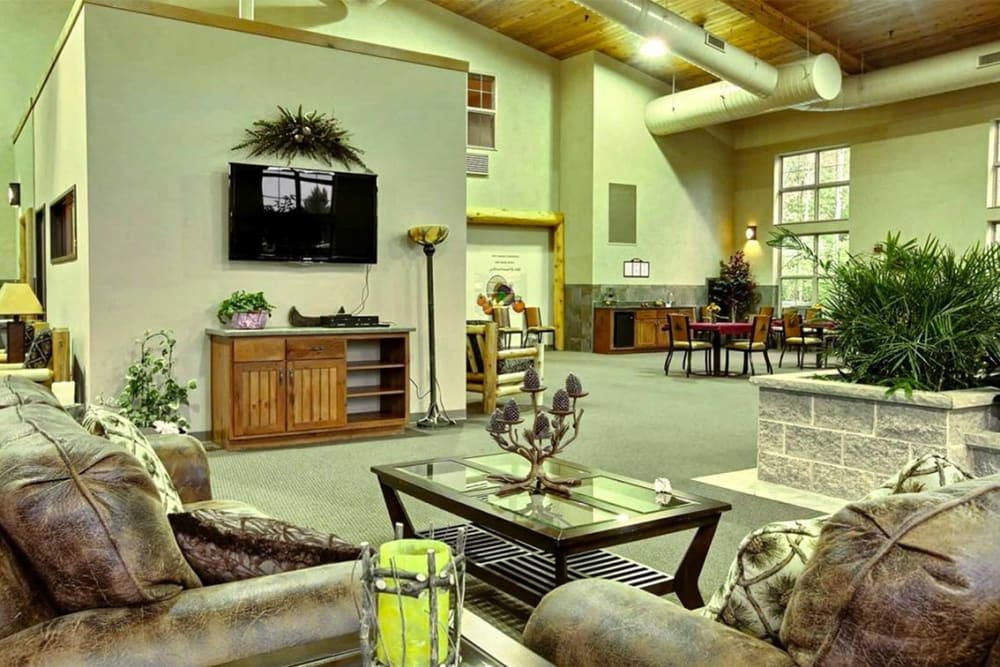
Milestone Senior Living Eagle River is best suited for families seeking a warm, socially active, apartment-style setting where a clearly caring staff can make daily life feel secure. It works well for residents who value independence paired with companionship, appreciate pet-friendly policies (dogs allowed), and want a scenic, wooded setting with pleasant grounds. The community shines for families prioritizing attentive, friendly caregivers, quick problem-solving, and a home-like atmosphere. It is less ideal for those who require consistent in-house medical oversight, rigorous medication management, or guaranteed housekeeping and nutrition programs tied to a fixed budget. For residents with higher medical needs or budget-critical expectations, alternatives with stronger clinical staffing and clearer cost structures merit serious consideration.
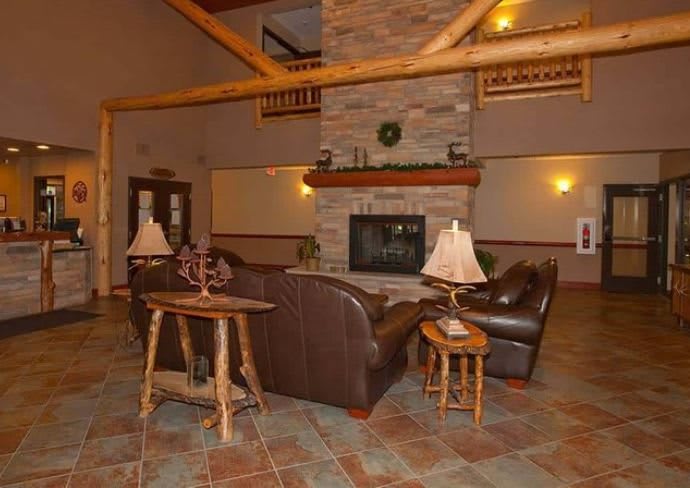
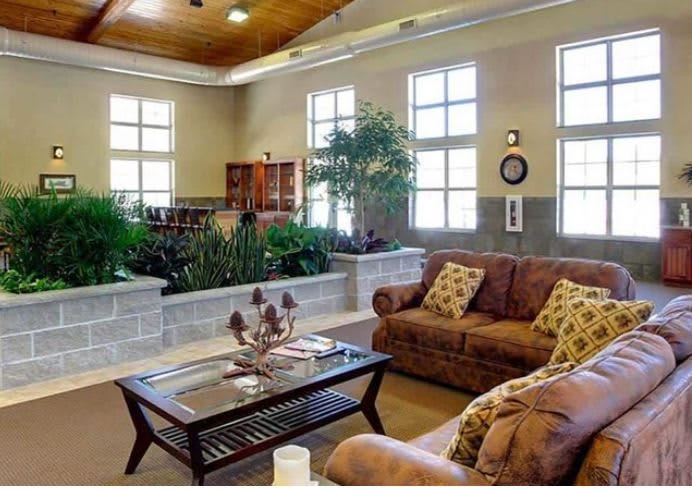
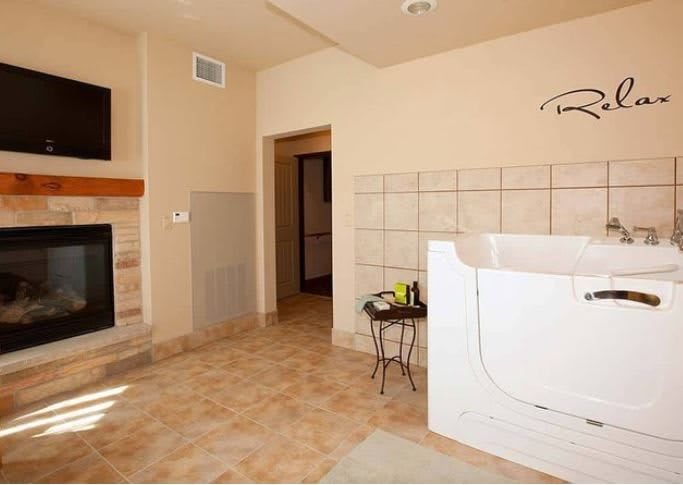
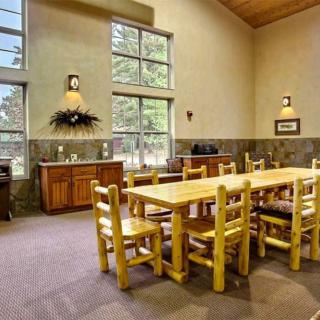
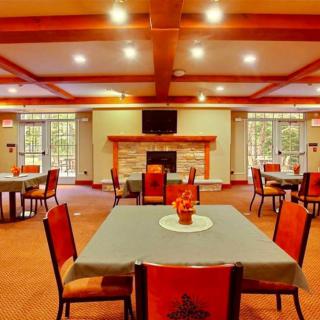
The strongest assets are unmistakable: a culture of genuine care from staff who residents and families describe as compassionate, knowledgeable, and responsive. Families repeatedly highlight how concerns are addressed promptly and how staff interactions feel respectful and trustworthy. The setting itself earns praise, an inviting interior, quality apartment-style living with a kitchenette and walk-in closet, plus exterior grounds that feel restorative. The mix of a pet-friendly policy and the option to customize meals with an alternative menu adds practical flexibility for tastes and routines. When the environment works, it truly works: residents stay socially engaged, feel safe, and sustain a sense of normalcy and belonging.
Yet the most consequential concerns cut to medical and operational realities. There is no in-house nurse on site; care is supported by an external nurse who visits weekly and is not consistently visible to families. That gap matters for anyone with ongoing or complex medical needs, as it complicates timely medication management and medical issue escalation. Several reviews allege medication administration problems and a lack of reliable housekeeping, painting a picture of under-staffing that can undermine everyday safety and cleanliness despite overall facility effort. Reports also point to a cost- and incentive-driven culture, with references to care-point systems and bonuses tied to census, which can raise questions about consistency and prioritization of resident-centered care. Meal quality is mixed in perception, with some praising nutrition and flavor in line with staff efforts, while others call meals unhealthy or insufficiently varied, an important consideration for residents needing dependable, well-balanced nutrition.
These pros and cons must be weighed against one another in practical terms. The proven strength, an empathetic, engaged staff and a welcoming, well-maintained environment, can offset many day-to-day frustrations for independent or lightly assisted residents who do not rely on constant clinical oversight. The beauty of the grounds, the apartment setup, and the ability to bring a beloved pet are tangible quality-of-life boosters that can meaningfully reduce stress and isolation. However, the absence of reliable on-site nursing and the reported housekeeping and meal-oversight weaknesses create real risk for residents who require steady medical follow-up, consistent daily care, or rigorous cleanliness standards. In short, the positives support a strong fit for those who can function with periodic medical review and who value social richness; the negatives push families to scrutinize medical workflows and operational reliability.
Who should consider alternatives? Anyone whose loved one requires reliable, daily nursing presence, strict medication oversight, or guaranteed housekeeping should look elsewhere. Families should also compare total monthly costs against promised services, because the cited pay-for-performance culture and potential under-delivery on meals may erode value for money. Prospective residents with tighter budgets or higher care needs may find better alignment in facilities that promise an on-site nurse, stable housekeeping, and stricter dietary plans. Conversely, for a resident who thrives on community, autonomy, and a homelike setting with flexible dining, Milestone Eagle River remains compelling, provided the care expectations are aligned with the staffing realities.
Practical next steps for families are clear. Schedule a candid tour focused on medical support workflows: ask who washes, administers, and documents medications, and request to meet the person responsible for health plans. Inquire about the weekly nursing arrangement, the process for urgent medical issues, and how communication with families is managed during care transitions. Confirm housekeeping frequency, what is included in the monthly fee, and whether any cleaning lapses have been addressed. Probe the dining program: how the alternative menu works, how meals are prepared, and whether dietary restrictions can be accommodated without penalty. Finally, set expectations on safety, staffing rotas, and resident activity schedules, so the decision rests on a complete picture rather than hopeful impressions alone.
 22 resident community capacity
 Assisted Living
 Memory Care
 Cats allowed
 Dogs allowed
 Activities on-site
 Air-conditioning
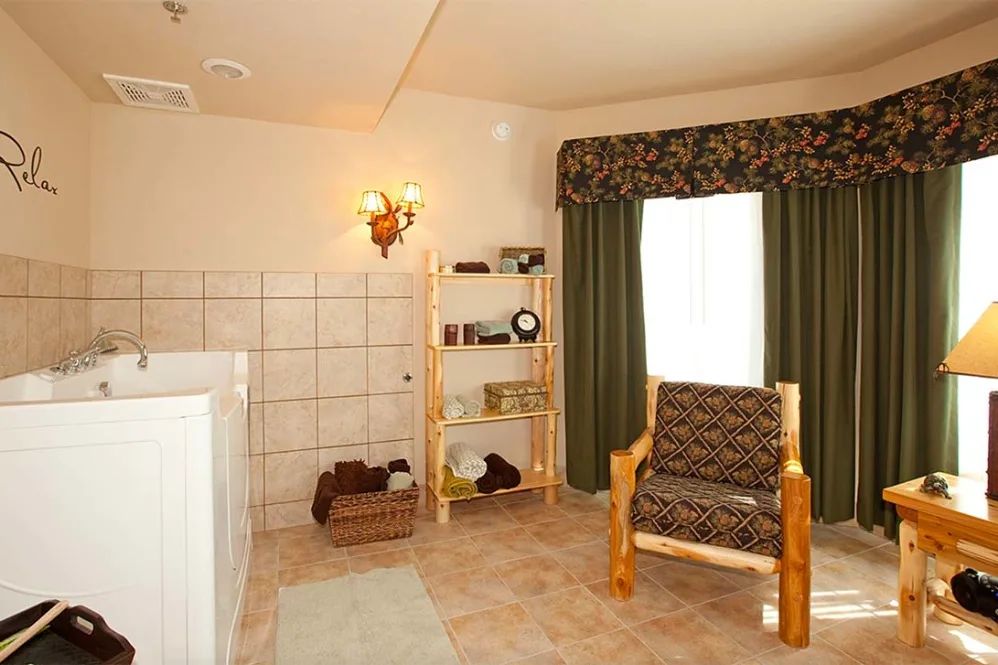
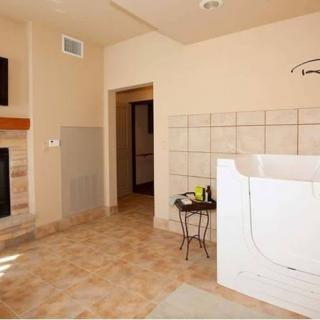
 Bath tubs
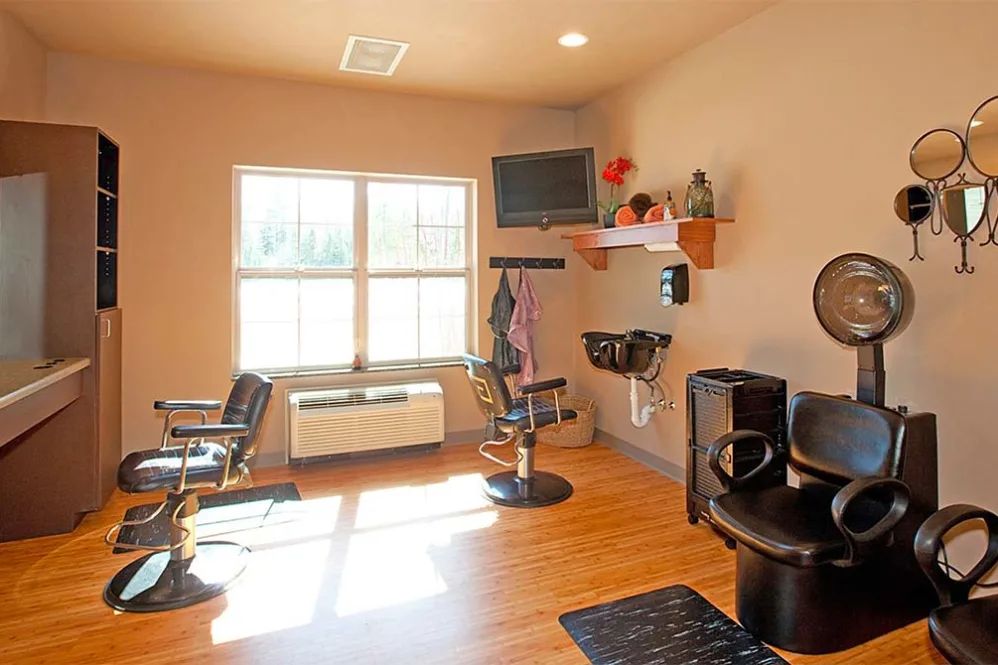
 Beauty salon
 Cable or satellite TV
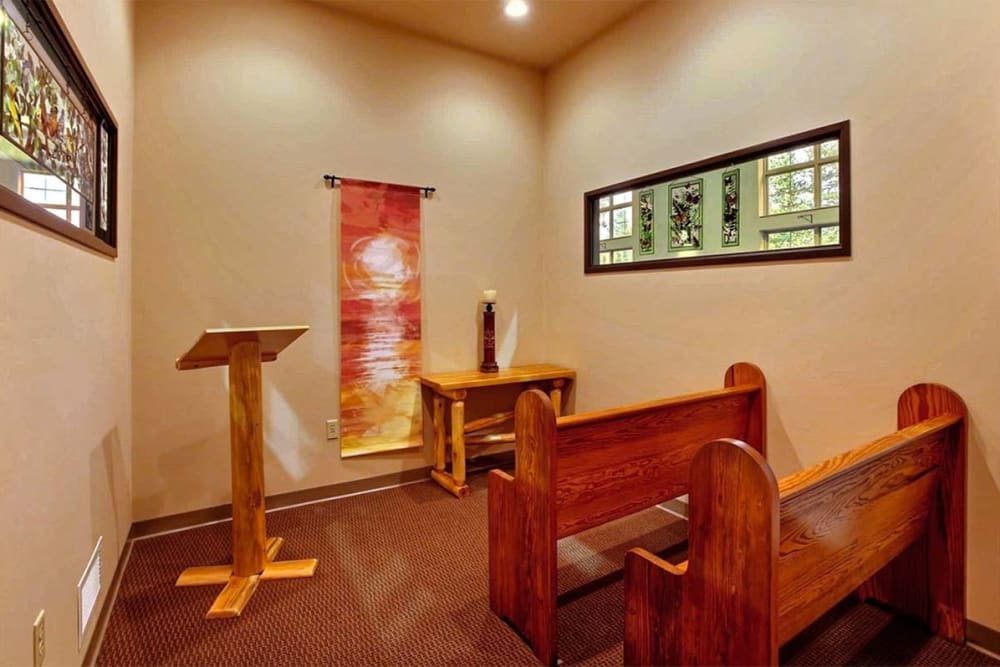
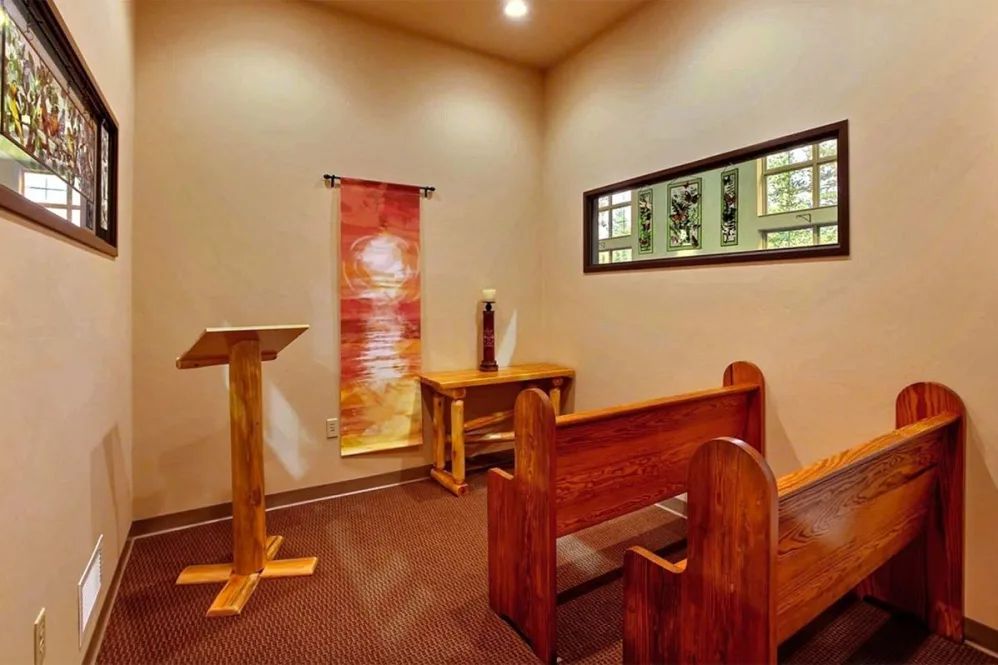
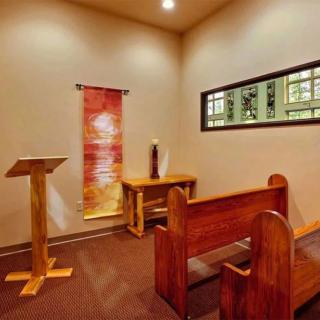
 Devotional services off-site
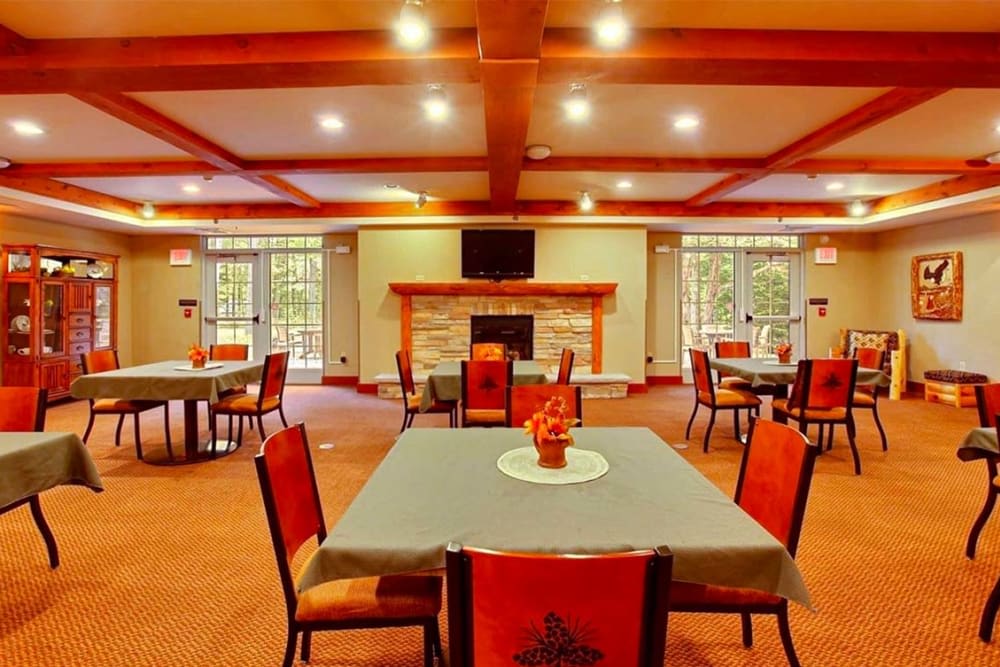
 Dining room
 Fully furnished
 Gaming room
 Garden
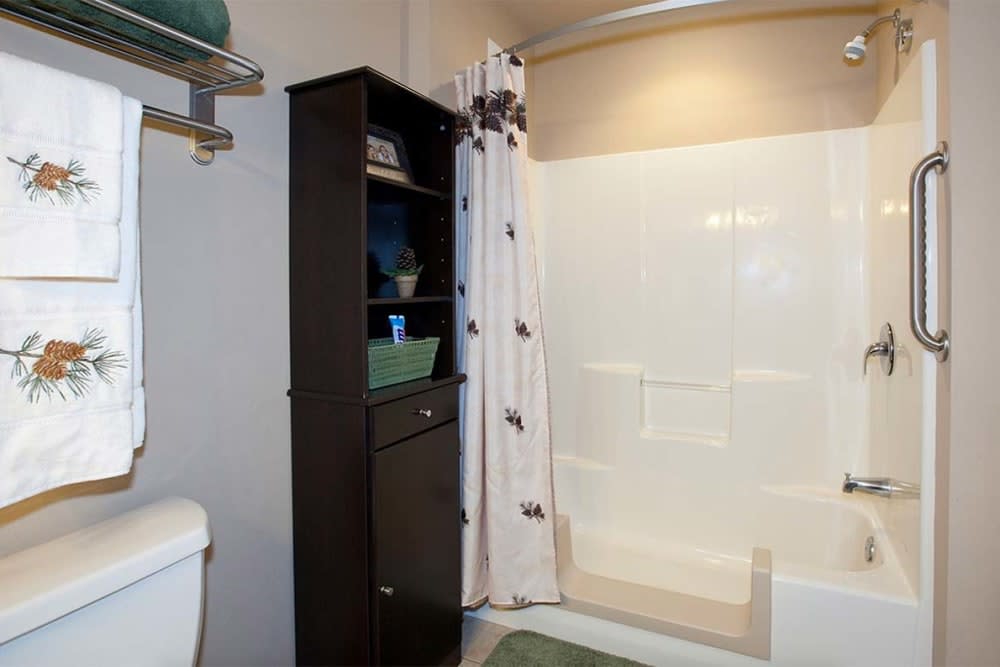
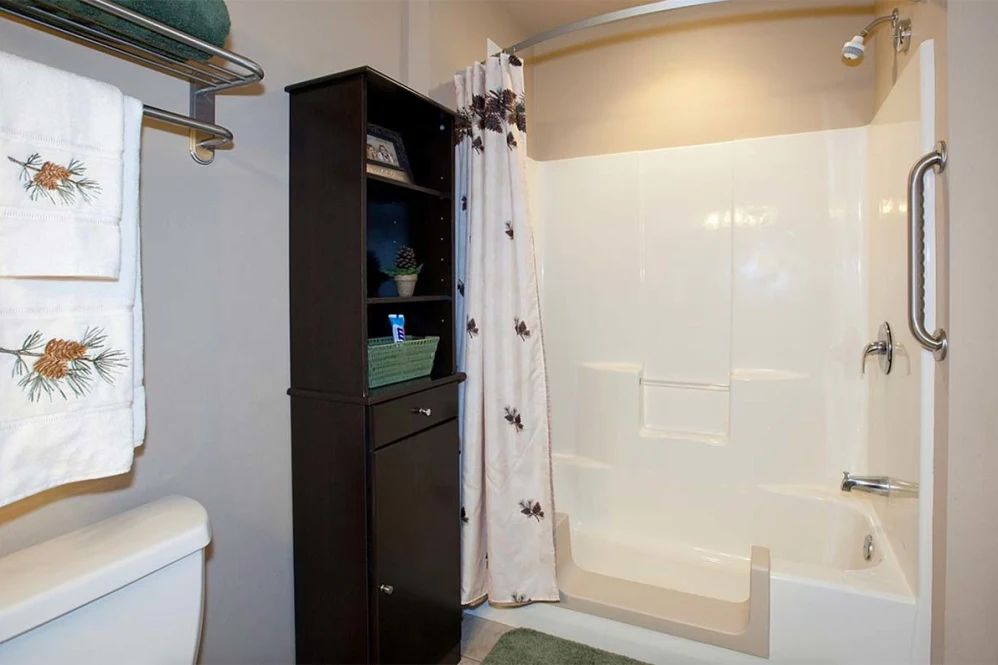
 Handicap accessible
 Housekeeping services
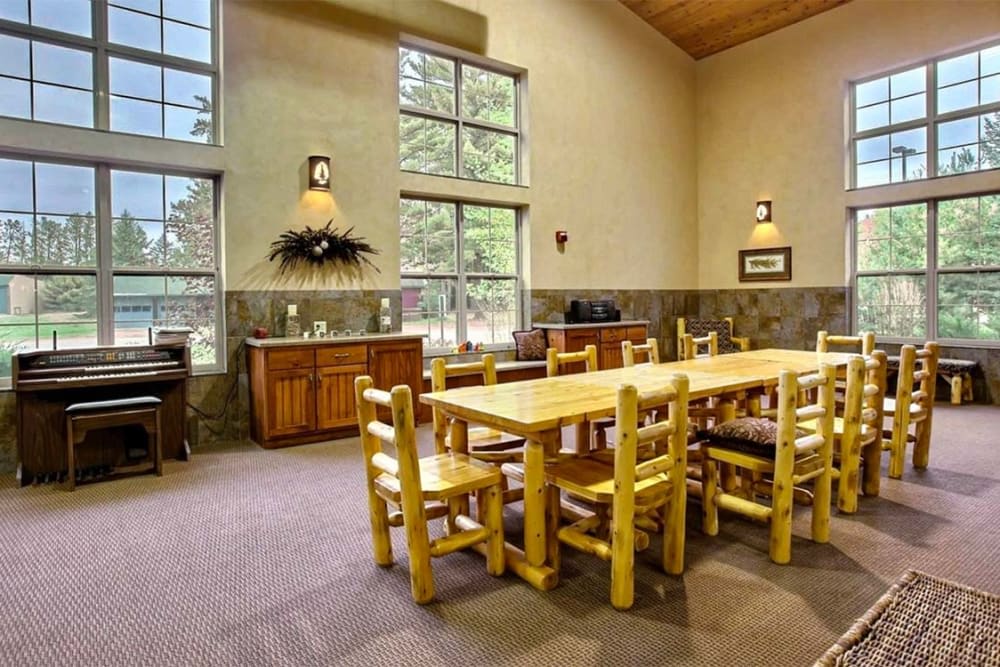
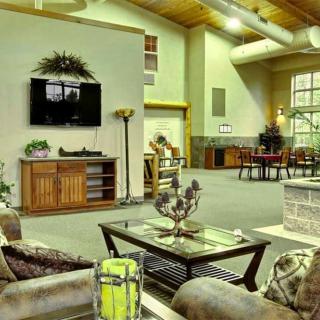
 Indoor common areas
 Kitchenette
 Move-in coordination
 Outdoor space
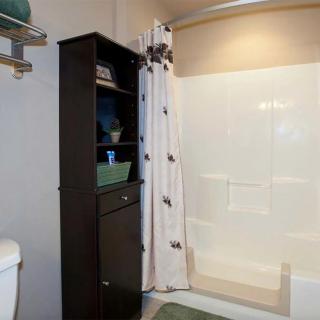
 Private bathrooms
 Private patio, deck, or balcony
 Respite or short term stays offered
 Restaurant-style dining
 Small library
 Telephone
 Wheelchair accessible showers
 Wi-Fi/high-speed internet available
 Rhinelander-Oneida County (23 miles away)
 24-hour call system
 Assistance with bathing
 Assistance with dressing
 Assistance with transfers
 Diabetes diet
 Diabetic care
 High acuity care
 Incontinence care
 Medication management
 Mental wellness program
 Special dietary restrictions
 Art classes
 Bible study group
 Cooking classes
 Day trips and outings
 Happy hour
 Live musical performances
 Live well programs
 Trivia games
 Wine tasting
 Comprehensive Guide to VA Nursing Homes: A Crucial Long-Term Care Resource for Veterans
 Estimating the Expenses of At-Home Dementia Care: A Detailed Exploration
 Comprehensive Insights on the Late Stages of Dementia: What to Expect and How to Provide Care