
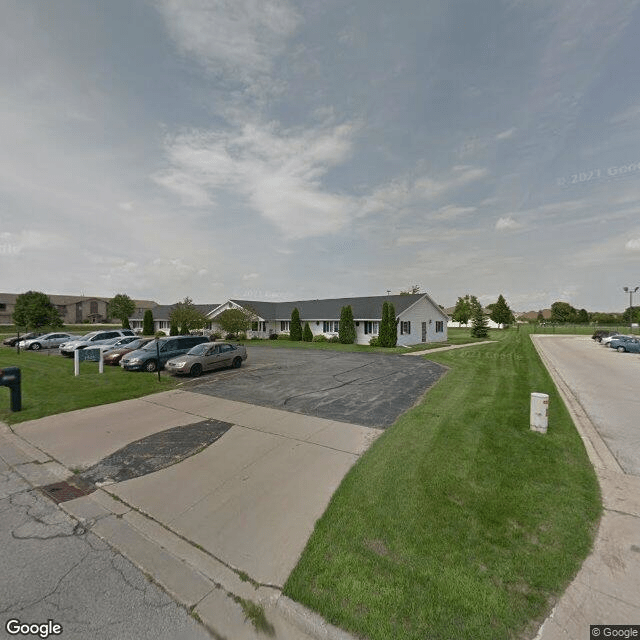
1500-1550 Arcadian Lane, De Pere, WI 54115
To contact a resident: (920) 347-5200
For more information about senior living options: (866) 208-4318
Angels on Arcadian Costs & Pricing
Angels on Arcadian offers a competitive pricing structure for its studio accommodations at $4,200 per month. This rate is slightly below the average for Outagamie County, where monthly costs hover around $4,320, but it remains higher than the state average for Wisconsin, which stands at $3,999. This positioning suggests that while Angels on Arcadian may command a premium compared to statewide benchmarks, it provides value within its local context. Residents can expect an array of amenities and services that enhance their living experience, justifying the investment in their quality of life.
| Floor plans | Angels on Arcadian | Outagamie County | Wisconsin |
|---|---|---|---|
| Studio | $4,200 | $4,320 | $3,999 |
Skilled Nursing Facilities with a similar price nearby
-
from -$200 / mo
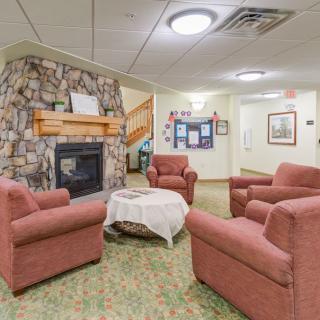
Dimensions Living Green Bay
$4,000 to $4,935 / month6.6 miles away -
from +$795 / mo
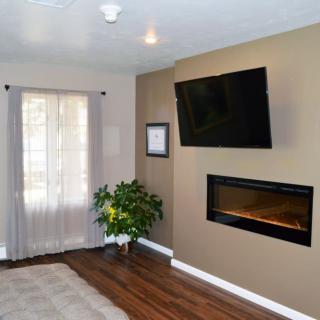
Wyndemere Memory Care
$4,995 / month3.0 miles away -
from +$450 / mo
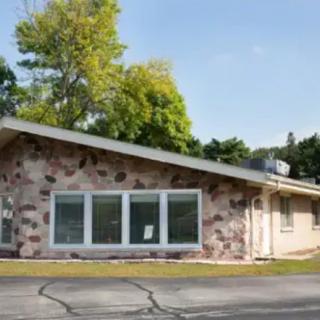
Green Bay Health Services
$4,650 / month7.3 miles away -
from +$600 / mo
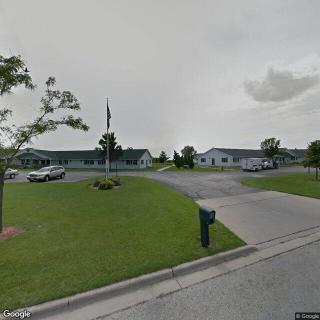
Angels On Arcadian 1
$4,800 / month0.0 miles away -
from +$720 / mo
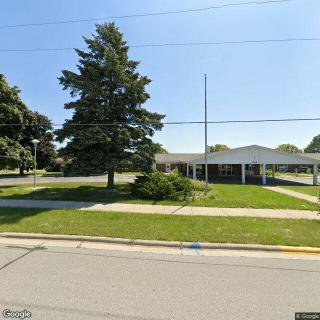
Maple Ridge
$4,920 to $5,000 / month4.4 miles away
Overall Review of Angels on Arcadian
Pros
 The staff at Angels On Arcadian are very friendly and kind to residents.
- Residents have made a lot of new friends with other residents.
- The interiors are beautifully and tastefully decorated.
- The dining room and social areas are spacious and inviting, with daily events.
- The facility feels homey rather than clinical, providing a comfortable atmosphere.
- The facility is located in a quiet, residential area with little noise.
- The staff work closely with residents to assist them and are very cheerful.
- The meals are wholesome.
Cons
 They were going to place him in the incorrect care unit, which would not have helped with his care.
- The rooms were very small.
- The menu looked average.
- The main concern with Angels On Arcadian was the hygiene provided for the residents.
- She is not always clean.
- The community does not keep a record of the times they change the clothing of the residents, or when they take them showers.
- The meals could use some improvement.
- The pain management was a concern.
Review
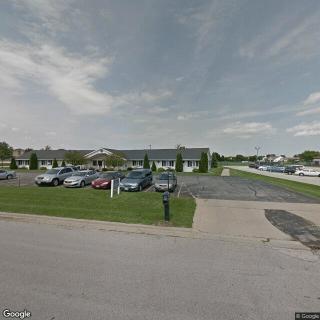
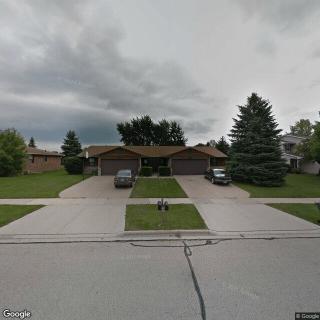
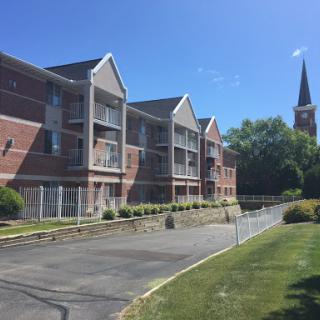
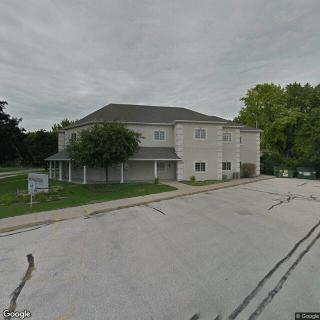
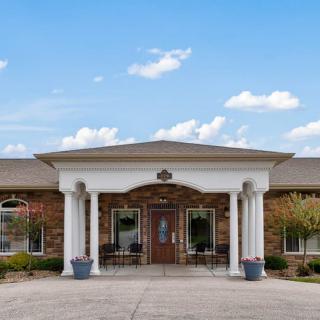
Angels on Arcadian in De Pere is best suited for families seeking a warm, homey, socially active assisted living environment where staff engagement and daily life matter as much as amenities. The campus feels residential and calm, with two buildings that convey care without a clinical glare. Residents quickly form friendships, and the dining room, social spaces, and a steady rhythm of events keep life engaging rather than sterile. The staff’s warmth and personal approach are repeatedly highlighted as a core strength, helping families feel that their loved one is known and treated with respect. For families prioritizing comfort, a sense of belonging, and approachable, neighborly atmosphere, Angels on Arcadian delivers decisively.
That said, some families will want to consider alternatives. Those who cannot tolerate lapses in basic hygiene or gaps in routine documentation should look elsewhere. A few reviews flag concerns about cleanliness and the lack of records for showers or clothing changes, and the meals are described as average rather than standout. Private rooms are relatively small, which matters for residents who require more space or for couples seeking to stay together. In addition, a tour note about a misstep in care-unit placement signals the need for careful verification of how assignments are made and how consistently care plans are aligned with resident needs.
The strongest positives here, staff warmth, resident connections, and a home-like atmosphere, often offset the drawbacks for many families. The two-building layout and tasteful interior design create an inviting backdrop that supports socialization, while spacious common areas and a lively calendar encourage daily activity without feeling institutional. The staff’s ability to work closely with residents, address daily needs with cheer, and engage with families during difficult discussions, especially around pain management and end-of-life concerns, adds depth to the care experience. When a community can combine genuine kindness with a comforting environment, the risk posed by smaller rooms and a modest menu becomes easier to live with, particularly for residents who thrive on routine, personal attention, and neighborhood-like familiarity.
The downsides deserve serious consideration. Hygiene lapses and the absence of documented routines for showers or clothing changes can undermine trust and day-to-day dignity. Meals, while wholesome in intent, do not consistently stand out, which matters for residents who spend the day around dining and social activity. The smaller room footprint can feel restrictive, especially for longer stays or for residents who arrive with more belongings or share a room with a spouse. A past indication of potential care-unit misalignment reinforces the need to verify the current care structure and to insist on transparent, up-to-date care planning before committing to a move-in. These factors collectively tip the balance toward caution for families with stringent cleanliness expectations or space requirements.
During visits, families should press for concrete, verifiable details. Request current staffing ratios and how care plans are updated and communicated, along with a real-time tour of hygiene routines, including shower schedules and clothing changes. Review the menu cycle and ask for dietary accommodations and a sample week’s offerings to gauge consistency and variety. Observe a meal or activity to witness the social fabric firsthand, and talk with current residents about daily life, responsiveness, and the pace of routines. Clarify end-of-life support pathways, private family spaces, and the availability of larger private rooms or dedicated memory-care options if those are priorities. If possible, try a short-term respite stay to test compatibility before a longer commitment.
Ultimately, Angels on Arcadian stands out for families who value a compelling blend of warmth, community, and a home-like feel. The staff’s attentiveness and the energetic social calendar can make a meaningful difference in daily life and peace of mind. For those who must have impeccable hygiene records, more spacious accommodations, and consistently exceptional dining, it is prudent to compare with alternatives that emphasize a stronger clinical footprint or larger private rooms. In the end, the right fit hinges on whether the personal connection and lively, neighborly atmosphere outweigh the operational caveats. A deliberate, question-driven visit will reveal if this community is the right match.
 Assisted Living
 Memory Care
 Skilled Nursing Facility
 Activities on-site
 Beautician on-site
 Devotional services off-site
 Dining room
 Financial aid
 Guest parking
 Housekeeping services
 Indoor common areas
 Laundry
 Outdoor common areas
 Party space
 Respite or short term stays offered
 Wheelchair accessible showers
 Austin Straubel International (6 miles away)
 Transportation & parking
 Assistance with bathing
 Assistance with dressing
 Diabetic care
 High acuity care
 Incontinence care
 Meal preparation and service
 Medication management
 Walking wheelchair assistance
 Special dietary restrictions
 Arts and crafts
 Cooking club
 Fitness programs
 Games
Games Gardening club
 Live musical performances
 Trivia games
 English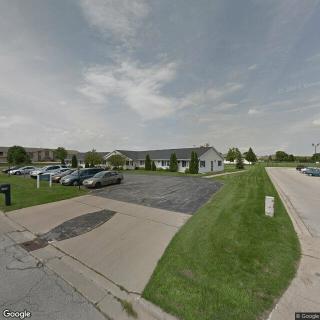


 Delving into the Inner World of Dementia: Insights into Thoughts and Awareness
 Five Subtle Dementia Indicators to Observe: An In-Depth Guide to Understanding “Does My Mom Have Dementia?”
 Dementia, Paranoia, and Caregiver Guidance: Understanding the Connection