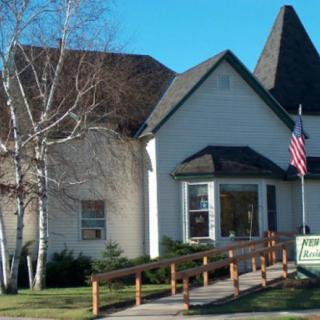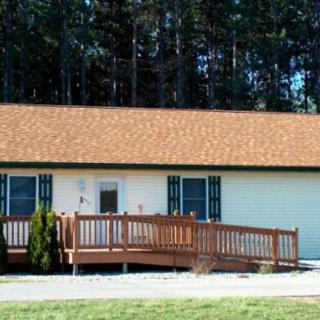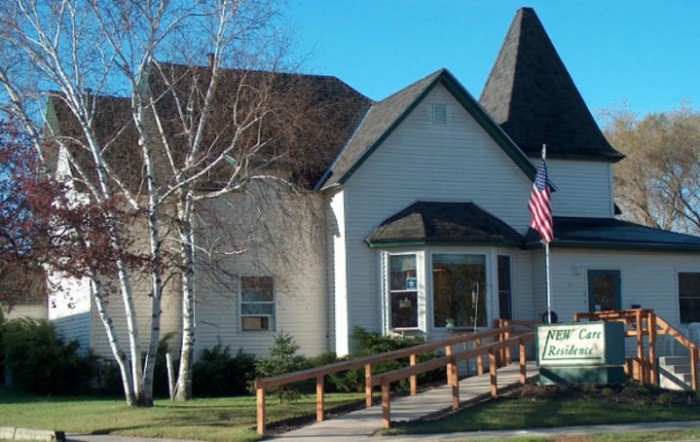
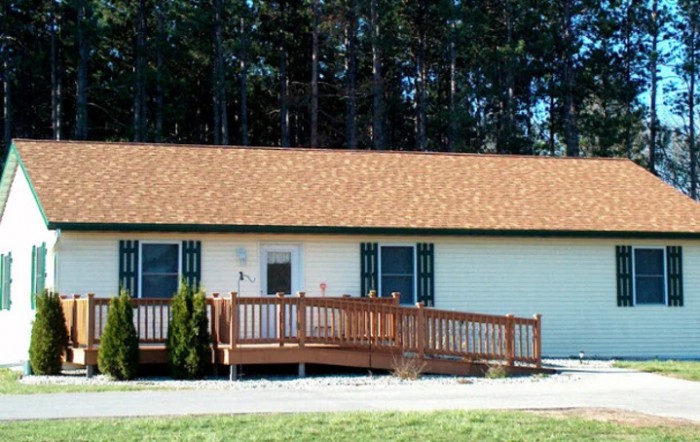
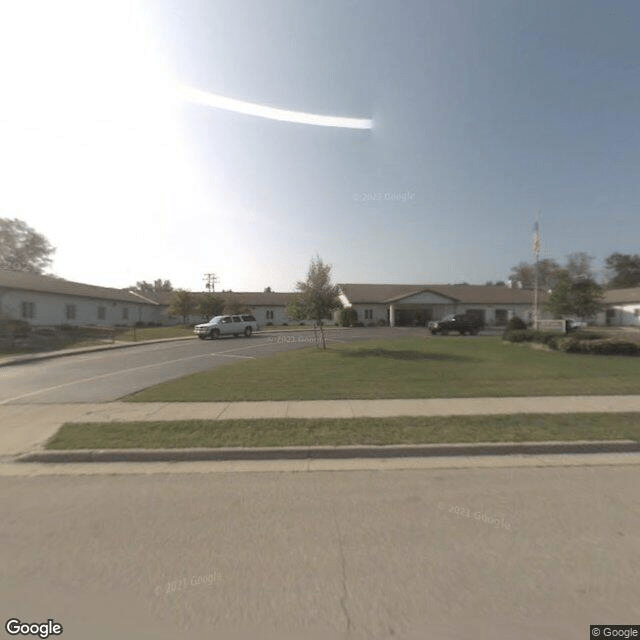
903 Main Avenue, Crivitz, WI 54114
For more information about senior living options: (866) 208-4318
Overall Review of Newcare Residence
Pros
 The staff at NEWCare truly care about the residents.
- The facility is wonderful, with very caring staff.
- The staff inform families about their loved one's care.
- The staff go out of their way to meet residents' needs.
- Everyone is treated with care and compassion.
- The facility accommodates residents at all stages of life, including disabled and elderly, with excellent care.
- The staff provide activities and one-to-one time, supporting independence where possible.
- The facility has skilled workers, is clean, and offers both assisted living and full care.
Review
Newcare Residence in Crivitz, Wisconsin, is best suited for families seeking a small-to-mid‑size community where warmth, safety, and hands‑on resident attention define daily life. The staff are repeatedly described as genuinely caring, with caregivers who know residents by name, explain care plans to families, and respond quickly to needs. Residents can transition within the campus from assisted living to higher levels of support without moving elsewhere, which minimizes disruption. The setting emphasizes steady staffing, a clean environment, and meaningful engagement through activities, one‑to‑one time, holiday events, and in‑house religious services. For families prioritizing steady relationships with caregivers and visible stewardship, this is a compelling option.
Those who may want alternatives include families focusing on luxury amenities, expansive on‑site medical specialties, or aggressively marketed programs. The reviews don’t dwell on dining quality, cost specifics, or transportation options, which are essential decision factors for most buyers. For residents requiring very specialized memory-care therapies or highly advanced medical services beyond what the campus clearly describes, a larger network with broader on‑site partnerships might be preferable. Additionally, families seeking a more urban setting or a facility with a wider array of high-end offerings could consider other options in a different market.
The strongest pros center on the staff’s devotion and the facility’s practical structure. Caregivers consistently demonstrate care and compassion, and families stay informed about their loved one’s progress. Around‑the‑clock staffing reduces anxiety about nighttime or weekend coverage, and the campus’s ability to accommodate a range of ages and abilities supports meaningful engagement. Activities are balanced with opportunities for one‑to‑one time, preserving independence for those who can manage solo tasks. The dual capability as both assisted living and full‑care on one site minimizes transitions and confusion, while security, alarmed exits and a front desk near the lobby, conveys a clear sense of safety. In‑house church services add a spiritual dimension for those who value it, backed by staff longevity that signals continuity.
These strengths offset common concerns by delivering continuity, safety, and relational depth. A stable, familiar caregiver team tends to translate into fewer glitches in daily routines and a deeper understanding of each resident’s preferences. The mix of social programming and personal autonomy reduces isolation and fosters a lived-in community feel, which often improves mood and engagement. The on‑site religious services and comprehensive security measures address both emotional and practical needs, while the blended care model alleviates the stress of moving between levels of support as needs evolve. In practical terms, the package offers reliable daily structure and predictable, attentive care without constant transitions.
Nonetheless, several unspoken factors merit due diligence. Prospective residents should obtain clear information on cost structures, meal quality, and transportation options, as these significantly influence total value. The rural Wisconsin location can matter for families needing easy access to specialists or frequent offsite medical appointments, so confirm proximity to preferred providers. Scrutiny of memory-care capabilities and the availability of specialized therapies is prudent if cognitive decline is a concern. Finally, inquire about staffing ratios, clinical coverage hours, and opportunities for ongoing training to gauge whether staffing stability is likely to endure as resident needs escalate.
Overall, Newcare Residence stands out as a practical, trusted option for families who prioritiz e warmth, accountability, and continuity of care on a single campus. It excels where relationships, safety, and meaningful engagement matter most, delivering a genuine sense of community and steady, compassionate support. The blended assisted‑living/full‑care model reduces disruptive transitions and provides a coherent care trajectory as needs change. The recommended next steps are a formal tour and candid conversations about cost, transportation, and care plans, plus a request for sample daily schedules and an explicit memory-care assessment if that becomes relevant. For families seeking a down‑to‑earth, reliably caring environment with dedicated staff, Newcare Residence earns a confident recommendation.
 20 resident community capacity
 Studio apartments
 Assisted Living
 Board and Care Home
 Memory Care
 Beauty salon
 Cable or satellite TV
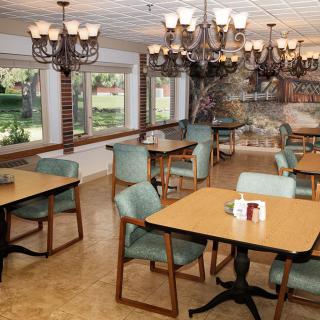
 Dining room
 Fully furnished
 Garden
 Housekeeping services
 Kitchenette
 Laundry
 Move-in coordination
 Outdoor space
 Respite or short term stays offered
 Telephone
 Wi-Fi/high-speed internet available
 Transportation & parking
 24-hour call system
 Activities of daily living assistance
 Assistance with bathing
 Assistance with dressing
 Assistance with transfers
 Diabetes diet
 Hospice care
 Meal preparation and service
 Medication management
 Mental wellness program
 Physical therapy
 Special dietary restrictions
 Transportation arrangement (medical)
 English
 Delirium and Dementia: Unraveling the Key Differences
 Are Dementia and Alzheimer's Disease Lethal? A Comprehensive Exploration
 Exploring the Power of Reminiscence Therapy for Individuals With Dementia