300 Bridgewater Ave, Chippewa Falls, WI 54729
To contact a resident: (715) 723-5566
For more information about senior living options: (866) 208-4318
Rutledge Home For the Aged Costs & Pricing
Rutledge Home For the Aged offers a competitive pricing structure, with its monthly cost for a studio room set at $2,225. This rate is significantly lower than both the average costs in Eau Claire County and across the state of Wisconsin, which are $4,023 and $3,999 respectively. By providing such an affordable option without compromising on quality care, Rutledge Home stands out as an attractive choice for families seeking long-term assistance for their loved ones, ensuring that residents can enjoy a comfortable living environment while remaining financially mindful.
| Floor plans | Rutledge Home For the Aged | Eau Claire County | Wisconsin |
|---|---|---|---|
| Studio | $2,225 | $4,023 | $3,999 |
Assisted Living communities with a similar price nearby
-
from +$164 / mo
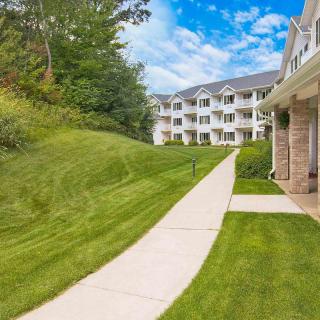
Holiday Oakwood Hills
$2,389 to $4,549 / month12.1 miles away -
from -$188 / mo
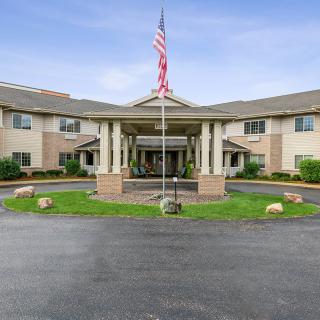
Wissota Place
$2,037 to $4,956 / month2.4 miles away -
from -$425 / mo

Gratus At Southridge 1902 Suites 1 & 2
$1,800 / month24.7 miles away -
About the same
Affinity House
$2,250 to $3,000 / month7.3 miles away -
from +$415 / mo
Northwest Pathways To Independence 6
$2,640 to $3,432 / month12.8 miles away
Overall Review of Rutledge Home For the Aged
Pros
 The staff are wonderful and caring, putting residents first.
- The staff have been supportive, helpful, and dedicated to residents and their families.
- The facility is doing an incredible job, especially during Covid, with precautions to keep everyone safe and healthy.
- The Rutledge Home and its staff are absolutely amazing, showing that caring goes beyond a job.
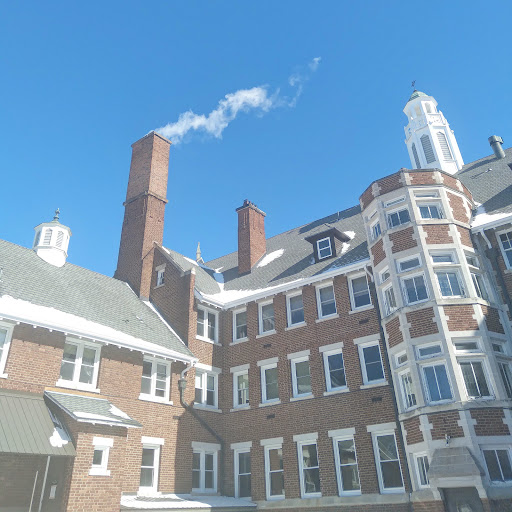
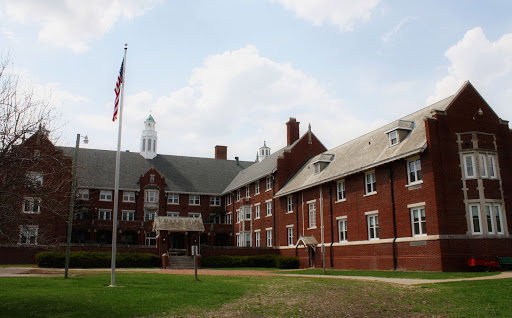
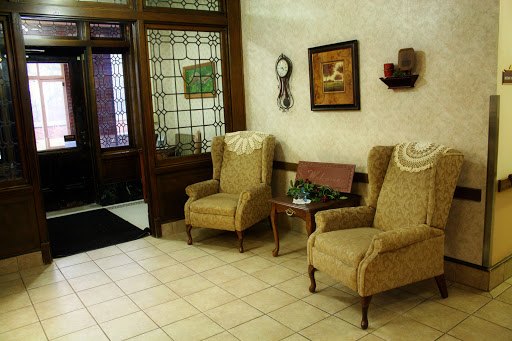
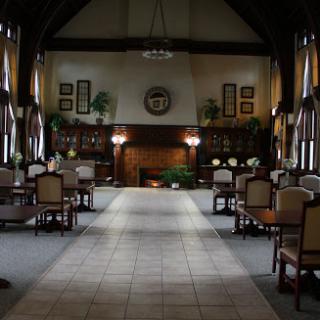
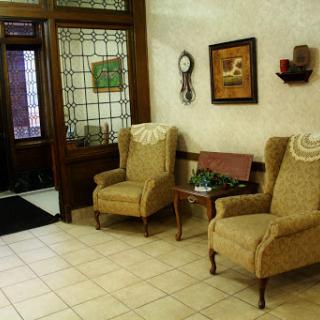
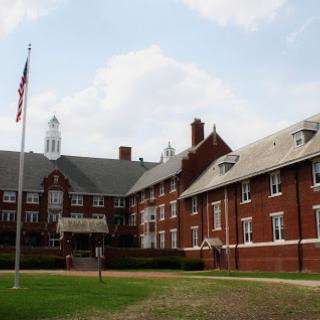
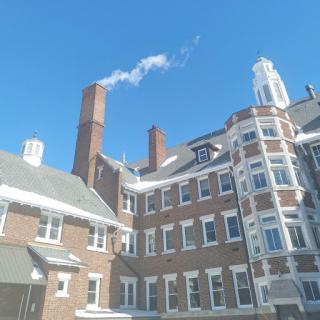
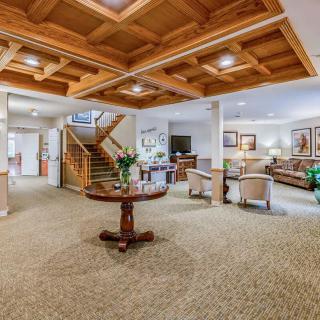
- The building is cool, historic in character, and well maintained.
Cons
 Rutledge Home is secretive about residents' care.
- The facility communicates only through the POA or not at all if there is no legal authority.
- They act as though they own the residents.
- The reviewer was locked out of the mother's room and was not told why due to privacy issues.
- Three confused residents could wander in and out of the mother's room, and she didn’t have the option to move.
- The reviewer was cut out of the mother's care and she never stabilized in their care.
- There was an argument with the former head nurse about taking the mother to the emergency room, with the nurse saying the mother was fine and did not need a nursing home.
- The head nurse implied the reviewer was overreacting and suggested Rutledge would have to pay.
- A nurse claimed that aides were experienced enough to decide whether someone should go to the ER, and the mother later went to the ER and returned in hospice.
- The mother did not eat or drink for over three weeks.
- The reviewer believes Rutledge Home would receive an F rating.
Review
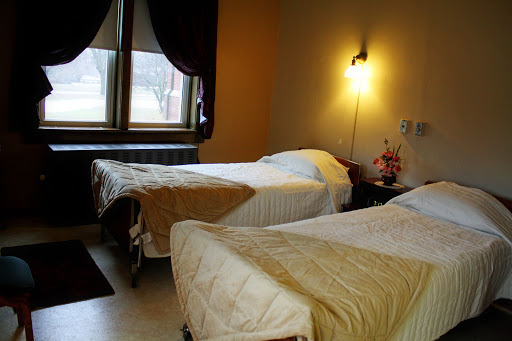
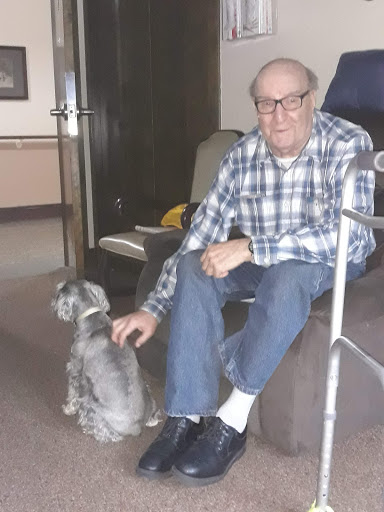
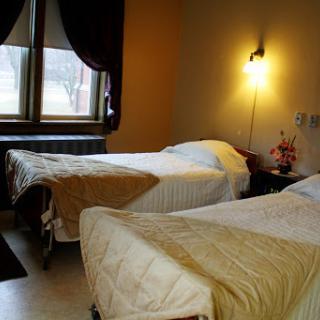
Rutledge Home For the Aged in Chippewa Falls is best suited for families seeking a small, intimate setting where staff truly treats residents like family. It works well for seniors who value personal, hands-on attention and a home-like atmosphere over impersonally clinical environments. The strongest selling point is the demonstrated dedication of the caregiving team: multiple families describe staff as wonderful, caring, and deeply committed to placing the resident’s well-being first. Residents often note contentment with their living arrangements, room quality, and daily interactions, making the community feel like a true domestic setting rather than a sterile institution.
Still, there are clear reasons to consider alternatives. For families that require uncompromising transparency, proactive family involvement, and unambiguous access to care decisions, Rutledge Home may not always meet expectations. One review dramatizes a clash over privacy and governance, describing a perceived overreach by staff, limited family access to the care plan, and a troubling experience around emergency decision-making. That account highlights potential gaps in communication and oversight that could affect timely care and alignment with the family’s wishes. In situations where medical complexity, frequent hospital transfers, or detailed care conferences are routine, a more structured, openly transparent setting could be preferable.
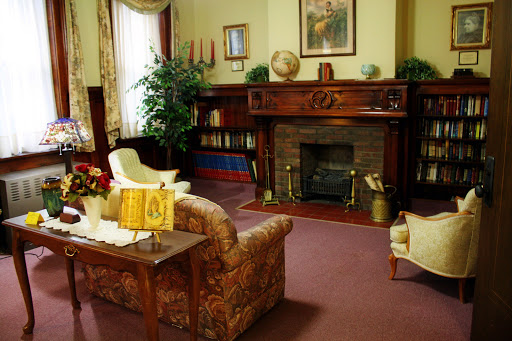
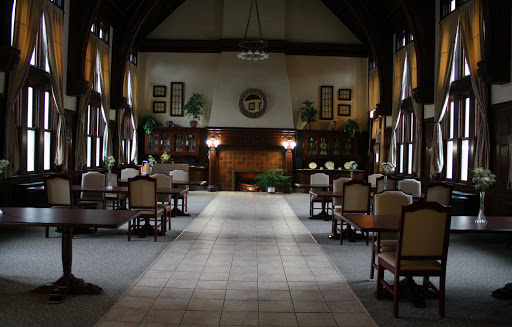
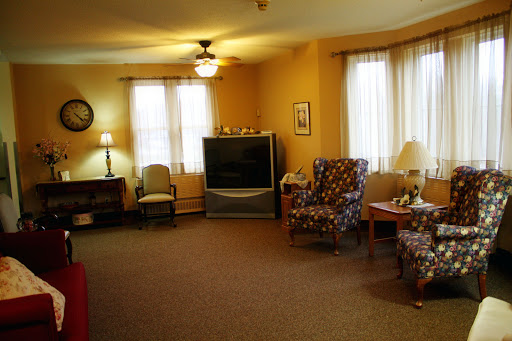
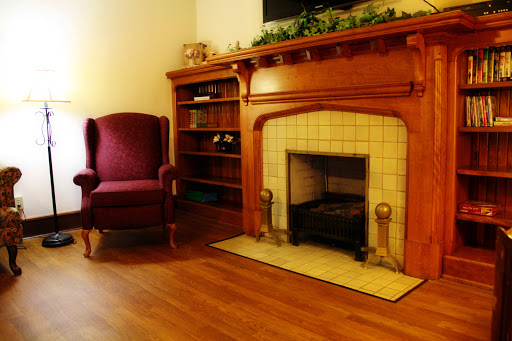
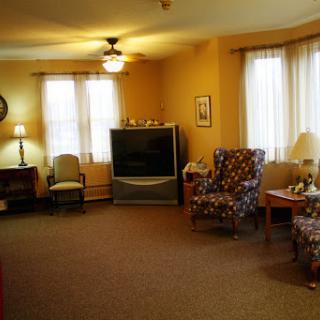
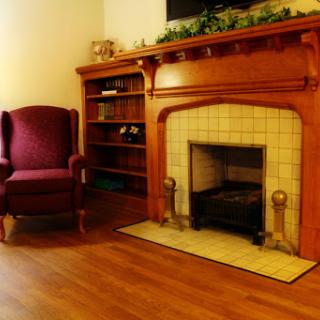
On the positive side, the community earns high marks for the day-to-day experience. Residents generally express satisfaction with the living spaces, noting that the building, an older structure with character, is well maintained and comfortable. The warmth of the staff translates into meaningful daily interactions, with caregivers who appear genuinely invested in residents’ happiness and quality of life. When family members visit, they often report reassurance about staff attentiveness, the effort put into personalization of care, and a sense that the needs and preferences of each resident are acknowledged in practical ways, not merely as routine tasks.
However, the most serious caveat centers on governance and communication. The negative account paints a scenario in which family members felt excluded from critical decisions, experienced barriers to access, and questioned the consistency and appropriateness of medical judgment. The fear expressed in that account is not merely about bureaucratic friction; it touches on timely emergency response, the integrity of care plans, and the ability of loved ones to advocate effectively. Prospective residents must weigh the established kindness of the staff against the potential for opaque channels of information and limited family leverage in care decisions.
In balancing pros and cons, Rutledge Home offers a compelling option for families who can couple warmth and continuity of care with proactive, hands-on family involvement. The strong, resident-first culture can offset many daily stressors of aging in place, particularly for those who prioritize a familiar, domestic environment and consistent personal attention. Yet the concerns raised about privacy, access, and medical decision-making cannot be dismissed. They require a disciplined approach: insist on clear, written policies about family communication, care conferences, access to medical records, and emergency escalation procedures. Before committing, families should demand a transparent care plan, direct access to the administrator or director of nursing, and a concrete protocol for coordinating with outside medical providers and hospice when appropriate.
Ultimately, this community is a strong fit for seniors who value a small, affectionate caregiving team and a homey atmosphere, paired with families willing to engage actively in oversight and ongoing conversations about care planning. It suits those who want a high-touch environment where staff know residents by name and respond with immediacy to daily needs. For families prioritizing open governance, consistent documentation, and unfettered access to medical decisions, alternatives with more formalized family liaison structures may be preferable. A deliberate, in-person tour paired with candid conversations about care coordination, visitation policies, and emergency protocols will clarify whether Rutledge Home can deliver the trusted partnership needed for peace of mind.
 Assisted Living
 Activities on-site
 Devotional services off-site
 Indoor common areas
 Chippewa Valley Regional (7 miles away)
 Ambulatory care
 Diabetic care
 Meals provided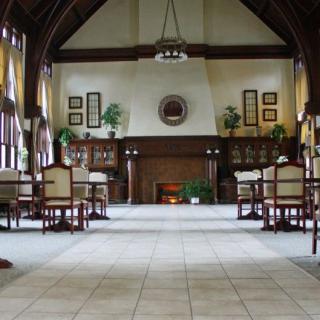
 Senior Transition Services: Understanding Their Role, Cost, and Importance
 Exploring the Path to Senior Living: A Comprehensive Look at Independent Living and Assisted Living
 Is Assisted Living Deductible on Your Taxes? Understanding the Complexities of Assisted Living Expenses and Deductions