


Assisted Living and Memory Care in Chippewa Falls

Save

  • Interior

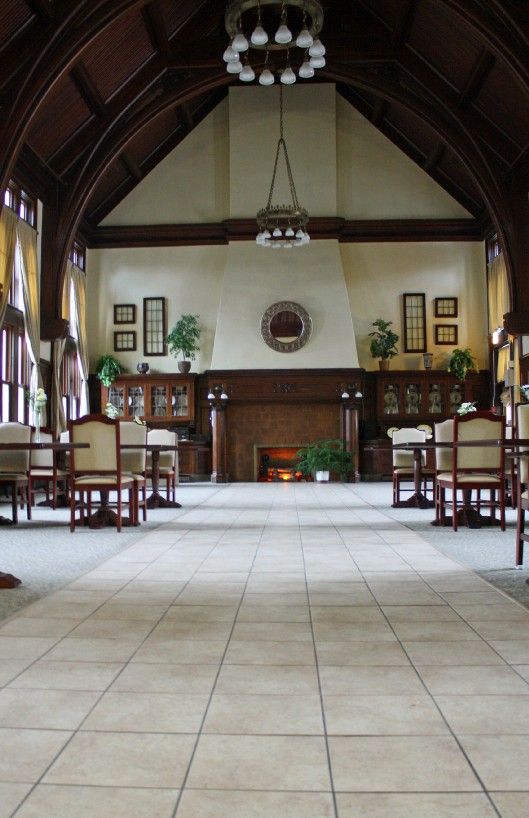
    A spacious, elegantly decorated hall with a central fireplace and high ceilings.
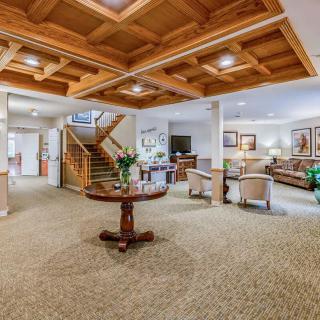
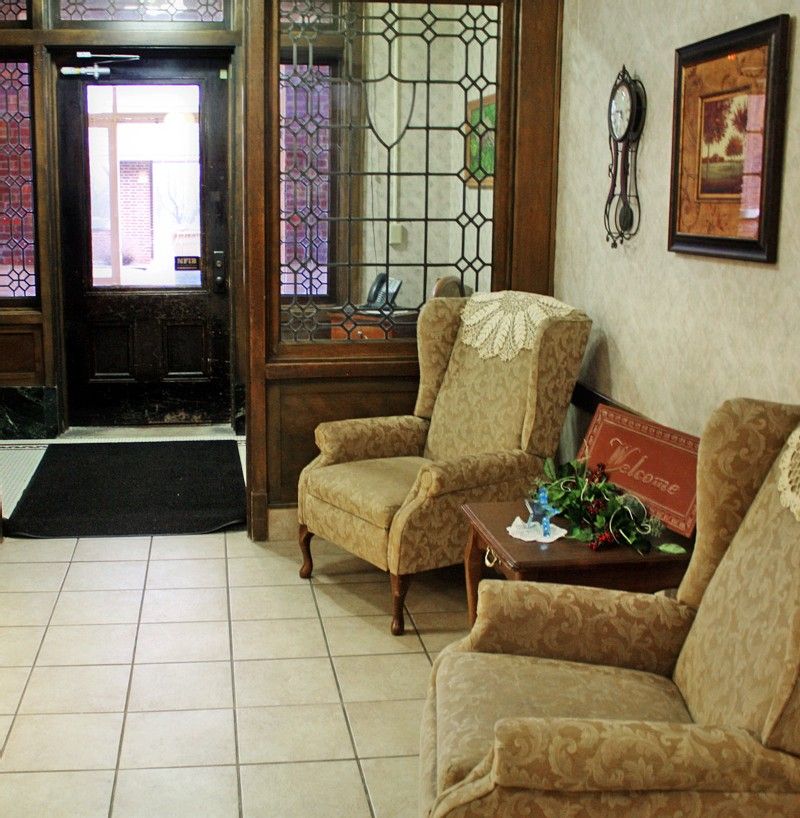
  • Decor

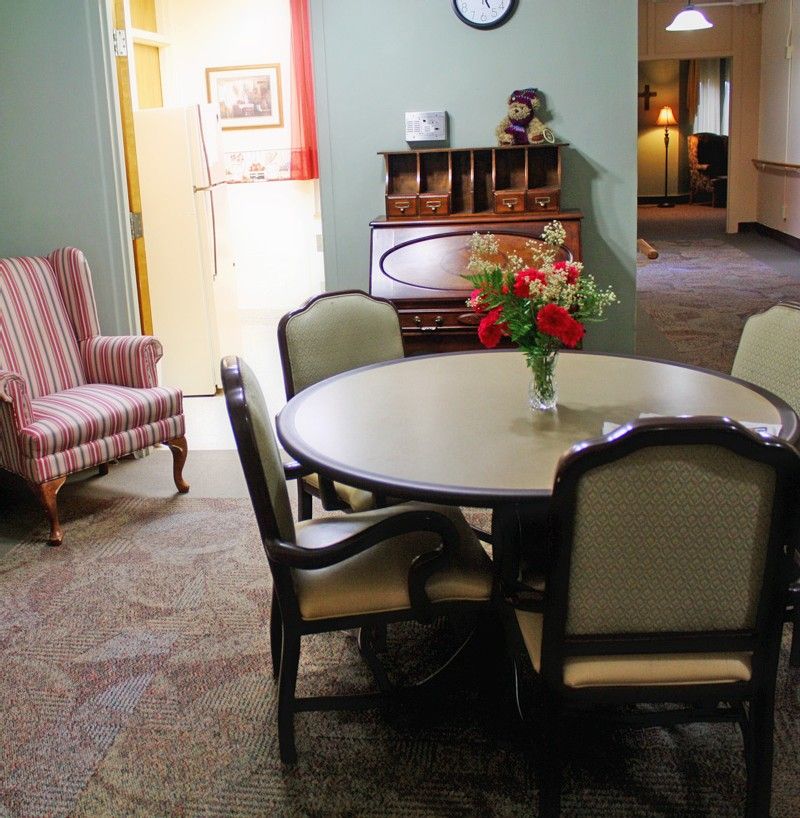
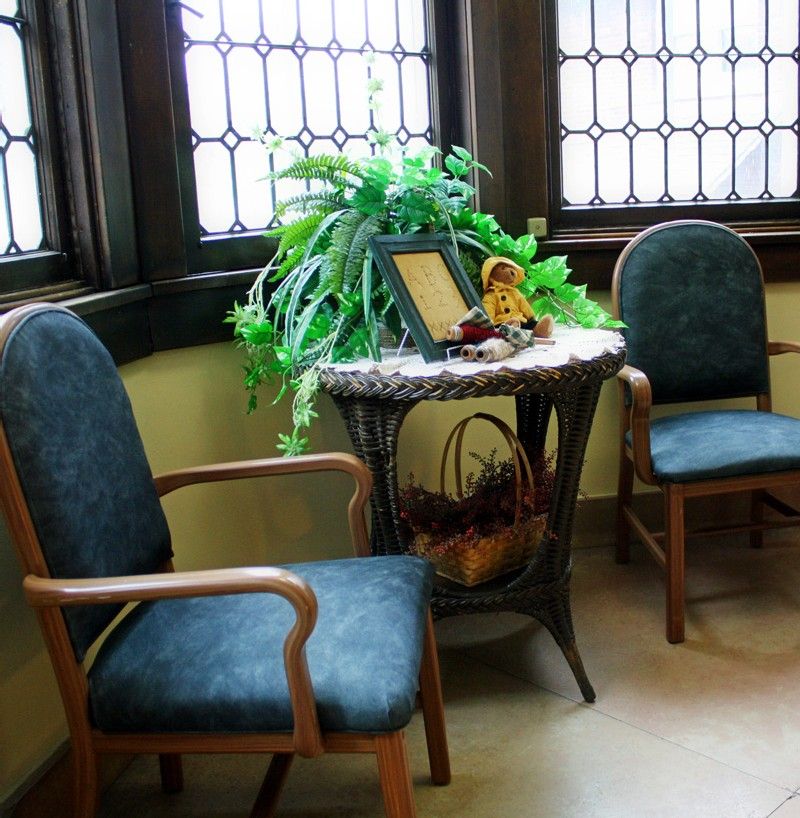
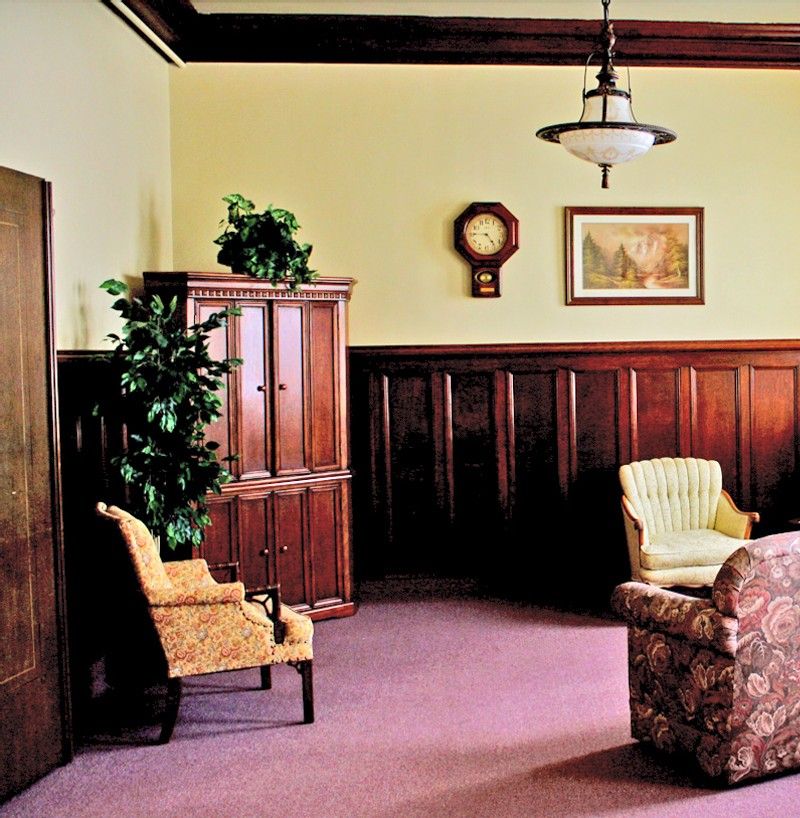
    A cozy lobby area with comfortable chairs and decorative elements.
  • Living Room

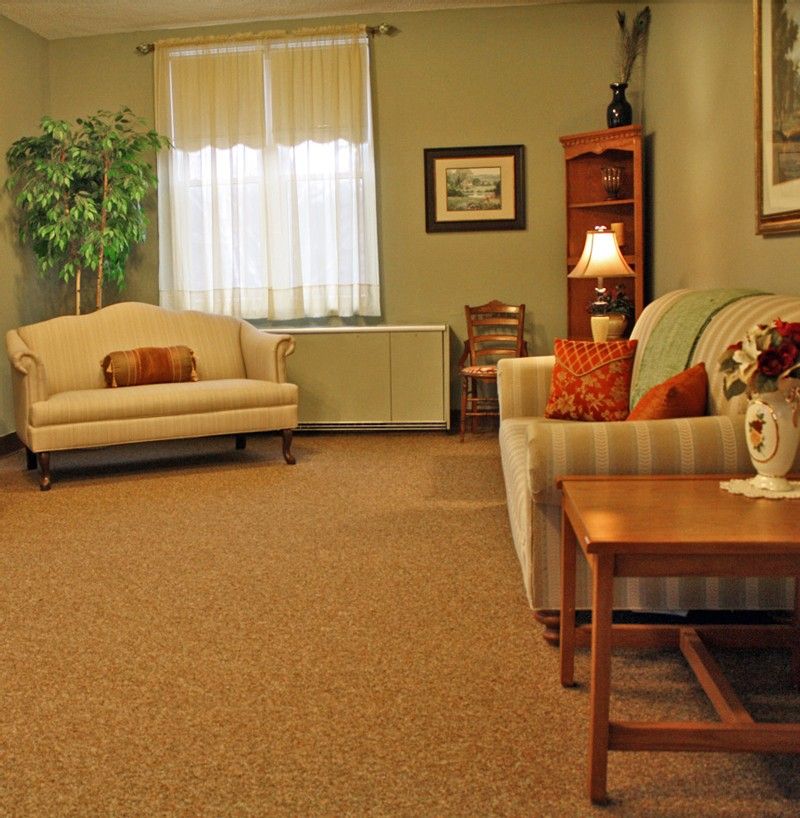
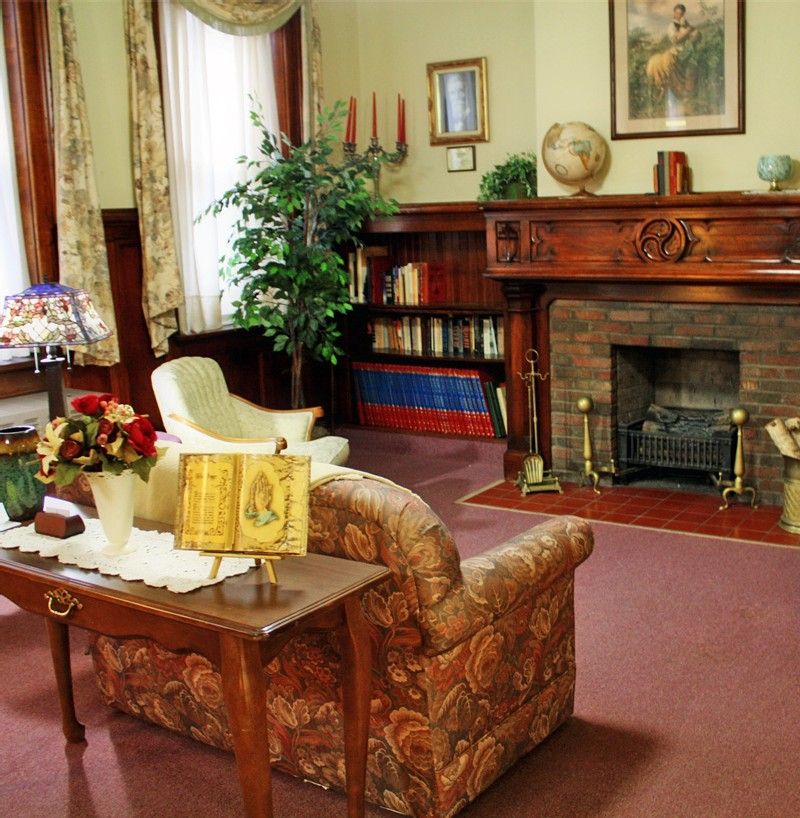
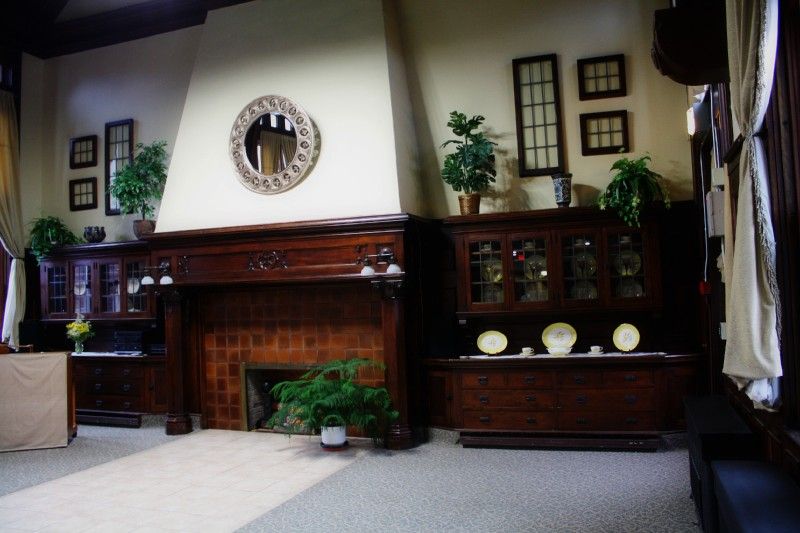
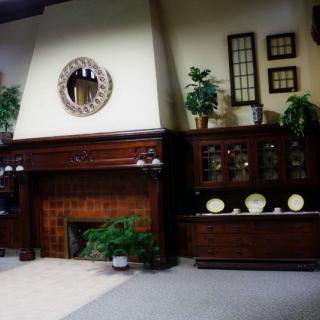
    A cozy living room interior with a wooden paneled fireplace, decorative plates, and lush plants.
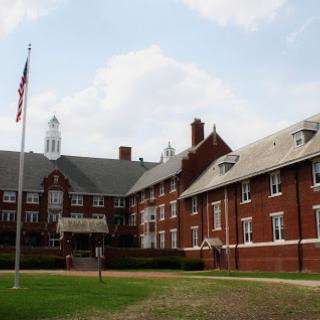
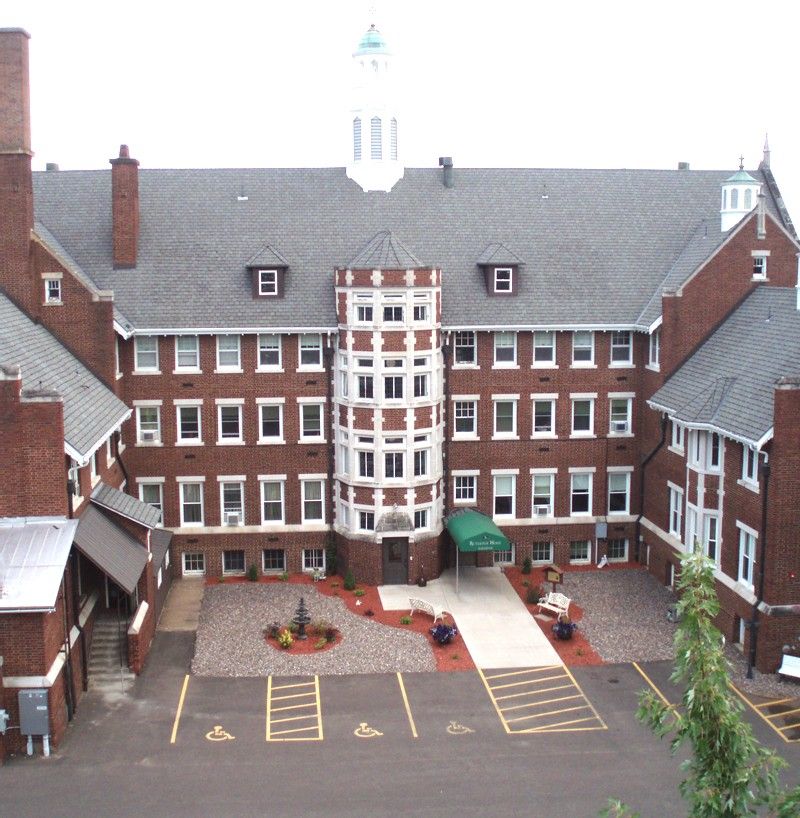
  • Building

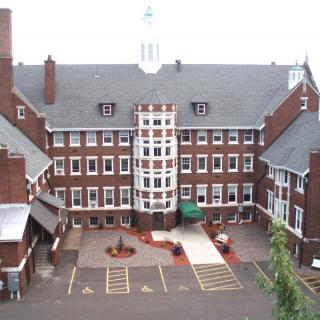
    A large brick building with a central courtyard and numerous windows.
  • Bedroom

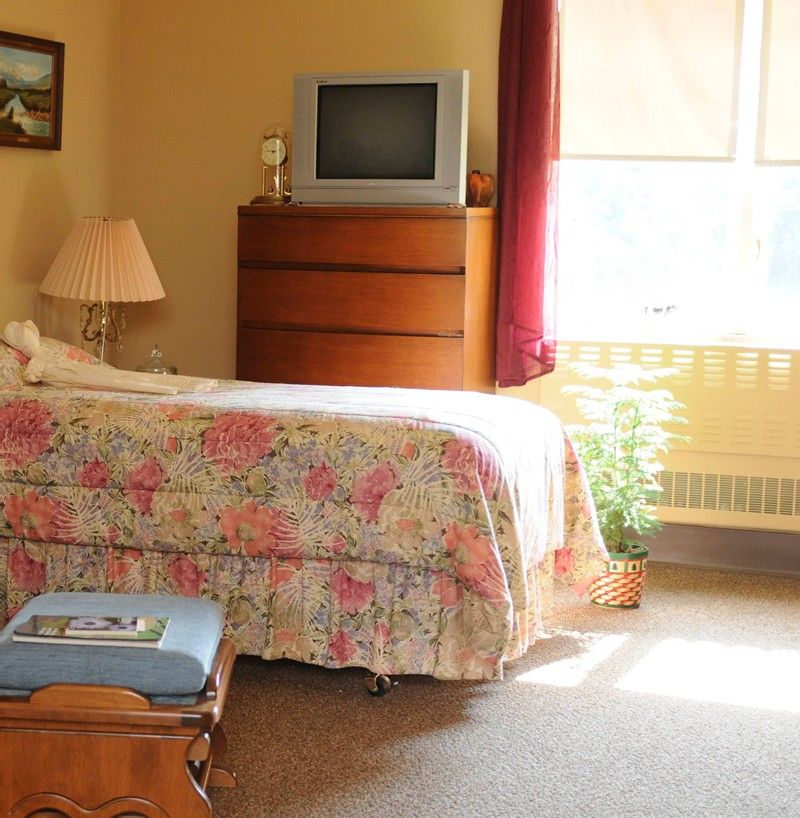
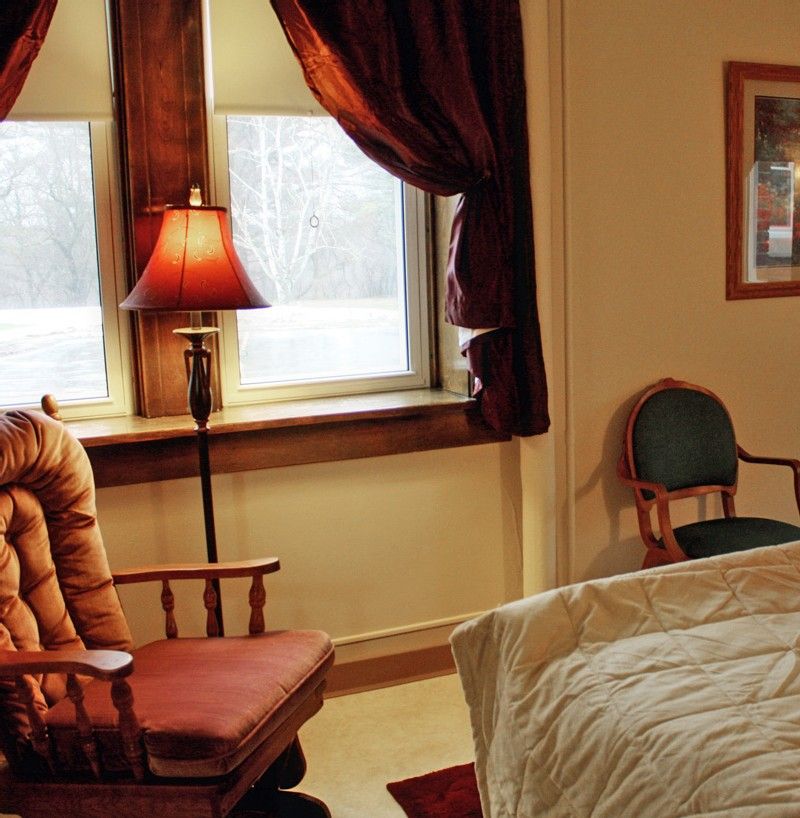
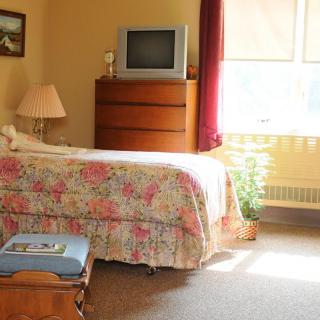
    A cozy bedroom featuring a floral-patterned bed, dresser with a television on top, and a lamp by the window.
  • Windows

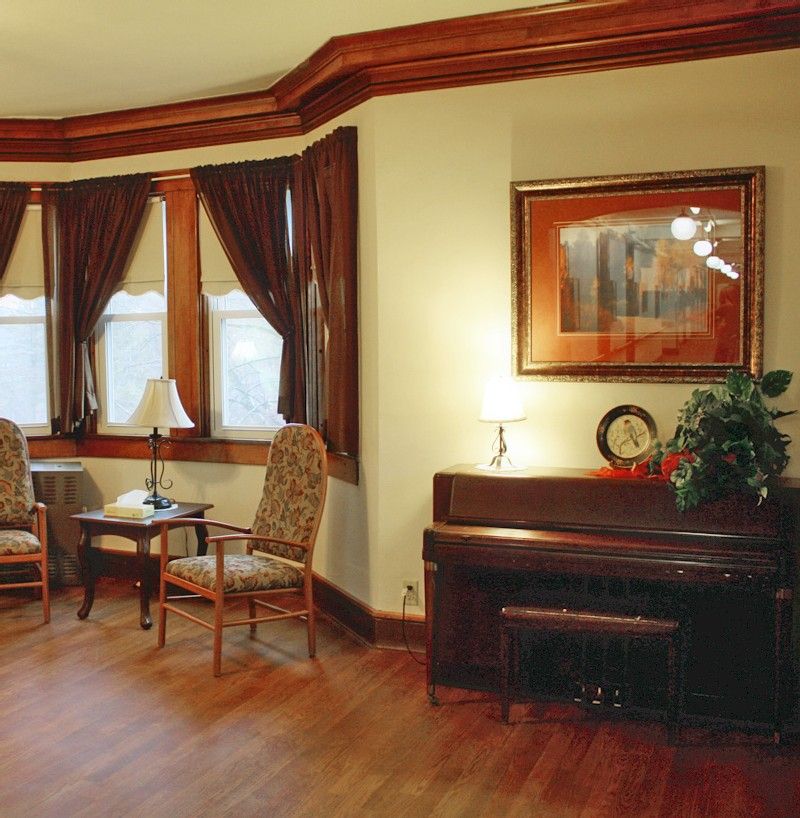
    A dining area with elegant curtains and large windows allowing natural light.
  • Dining

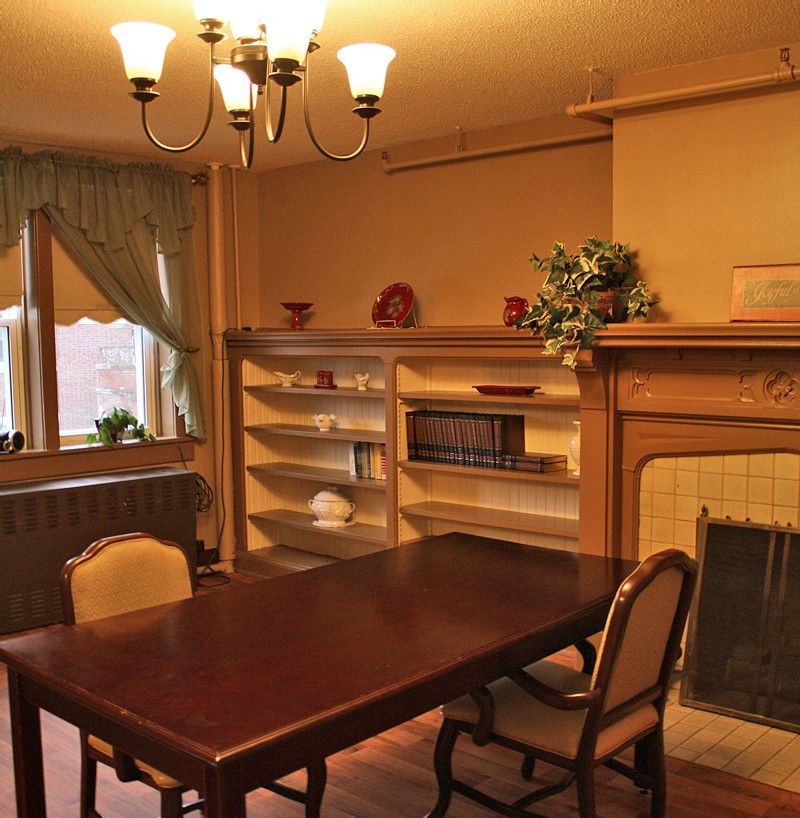
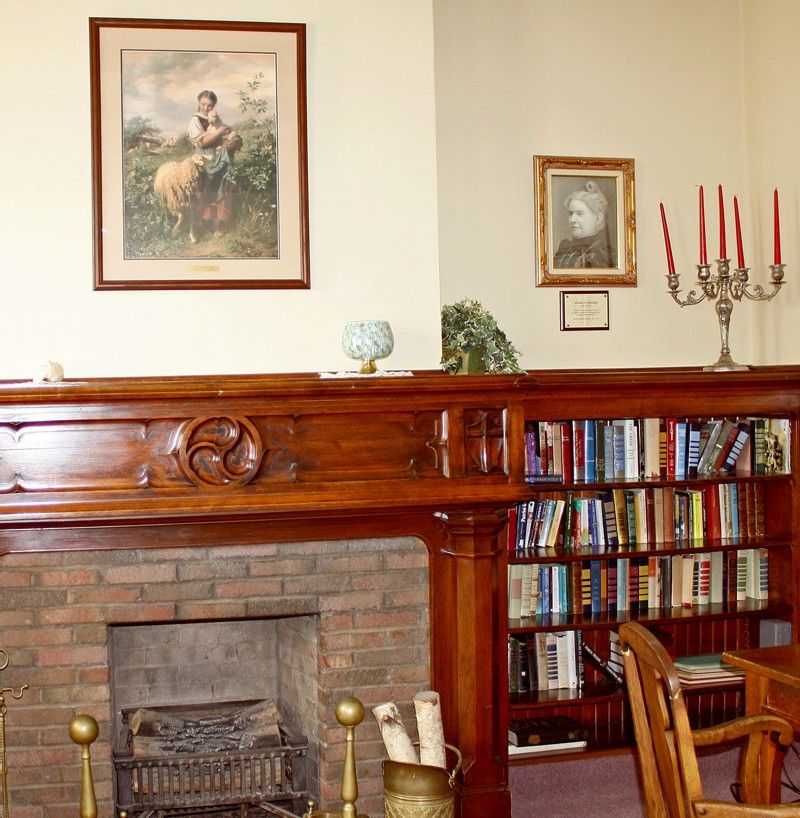
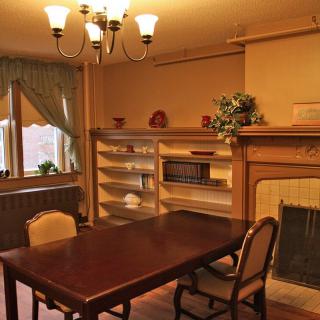
    A cozy dining room with a wooden table, chairs, and a fireplace surrounded by bookshelves.
  • Kitchen

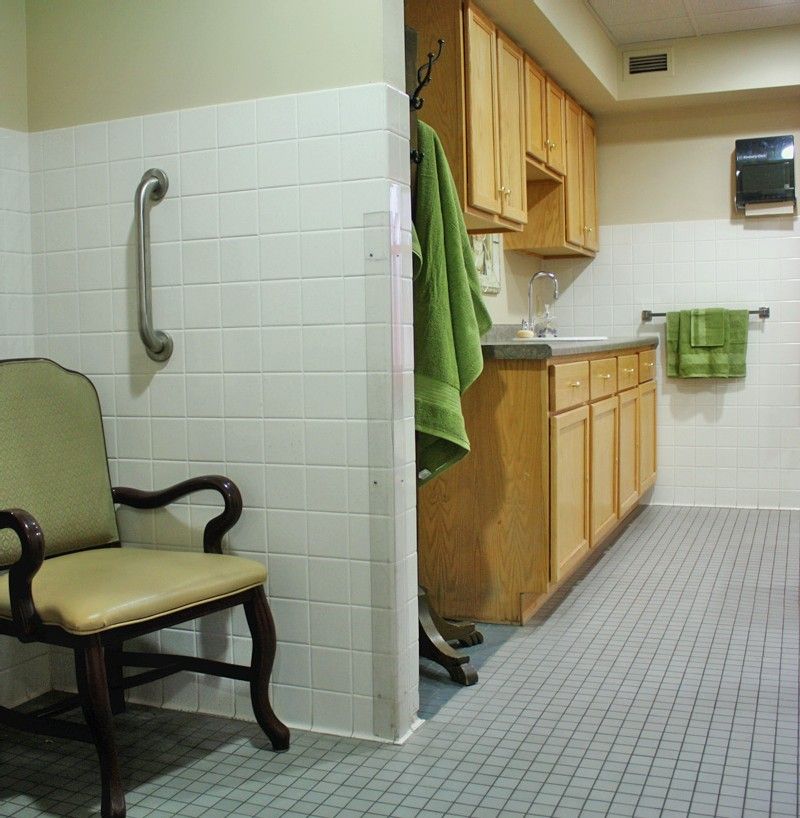
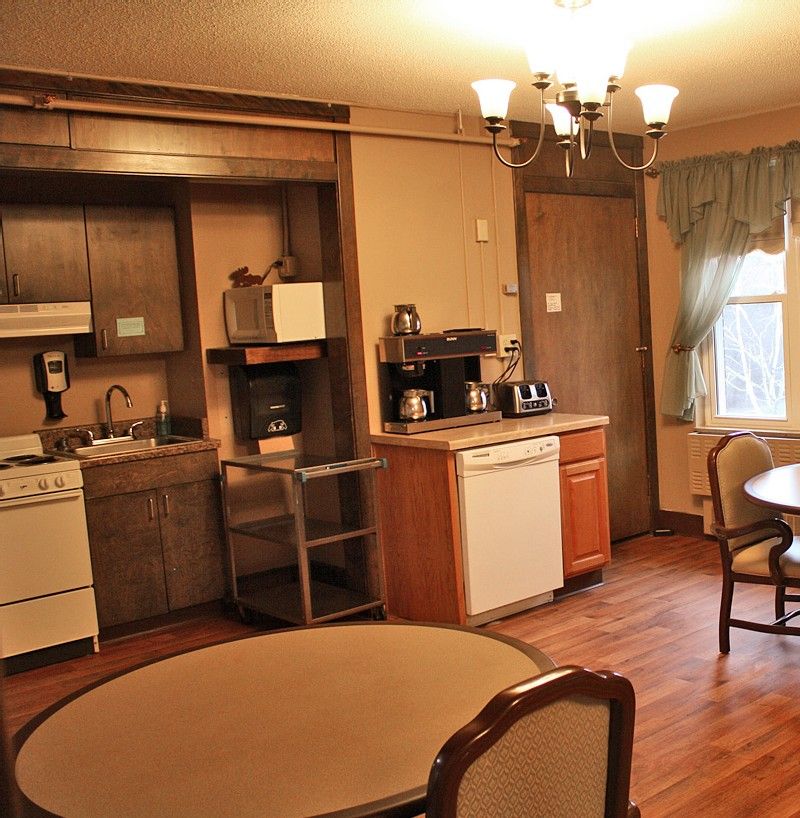
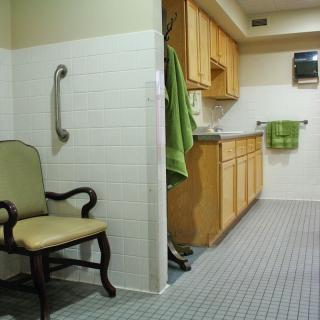
    A combined kitchen and bathroom area with wooden cabinets, a tiled floor, and green towels.
  • Lighting

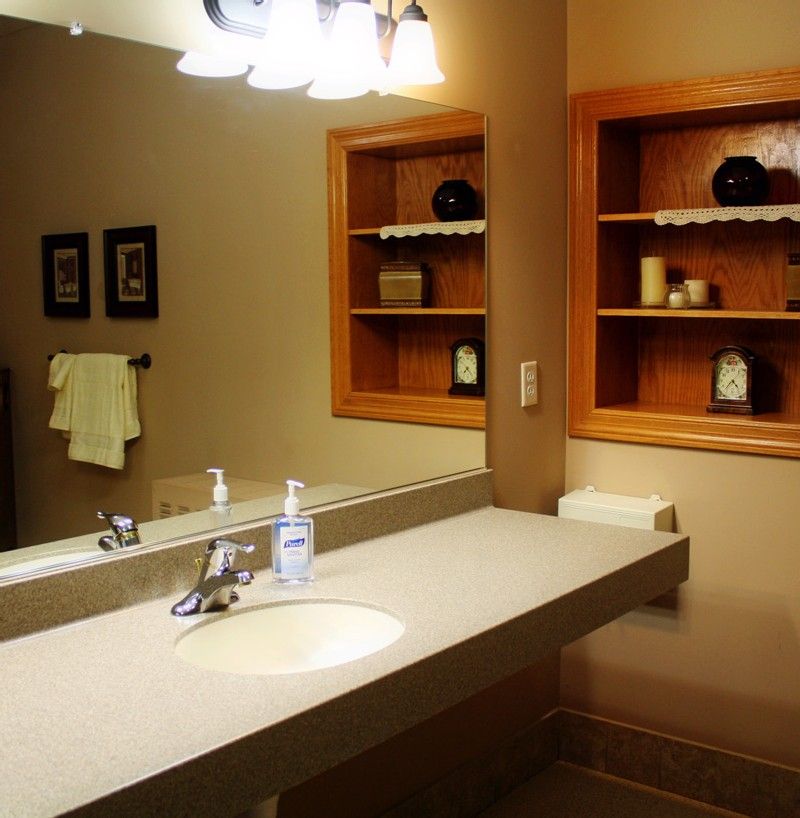
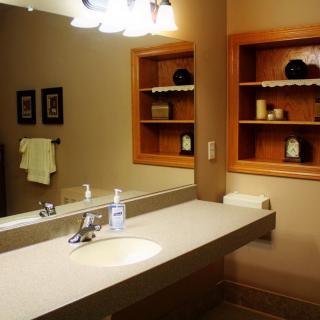
    A well-lit bathroom with a mirror, sink, and organized shelves.
  • Artwork

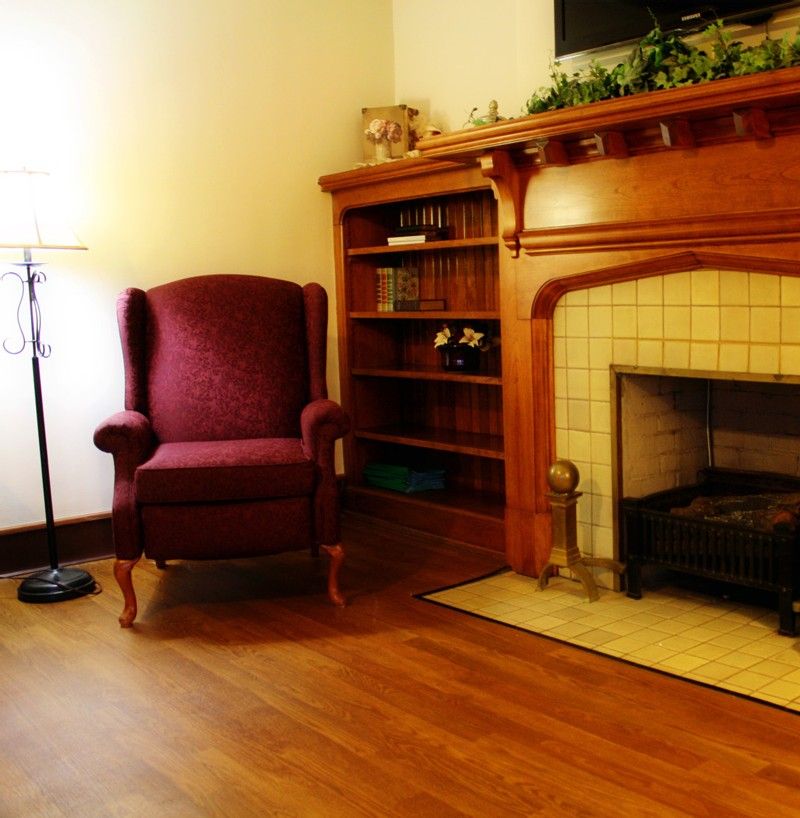
    A vintage living room featuring a leather armchair, fireplace, and bookshelves, adorned with wooden accents and classic decor.
  • Seating Area

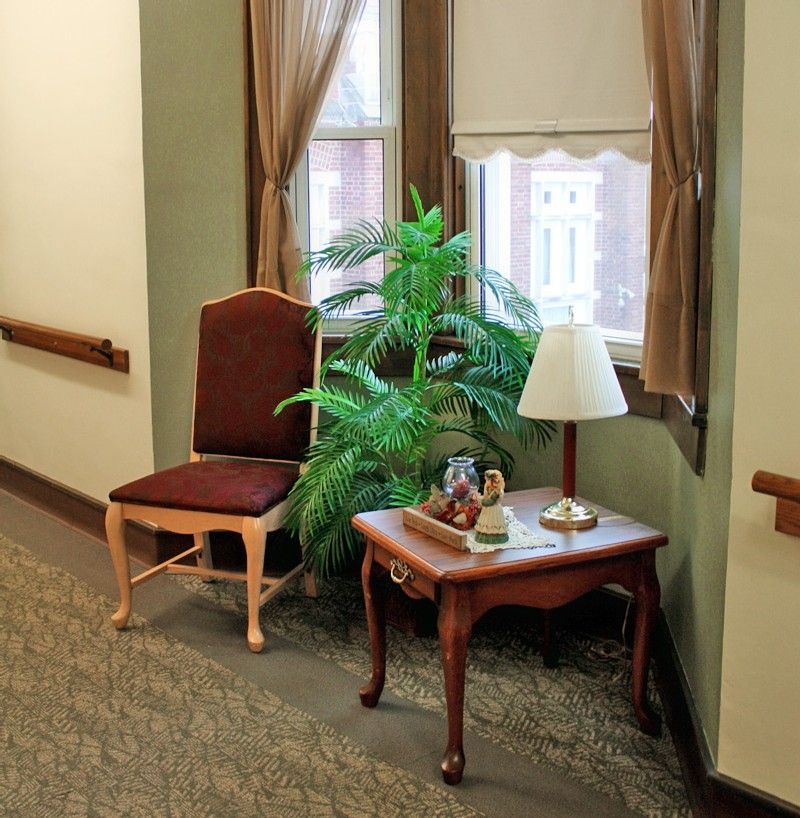
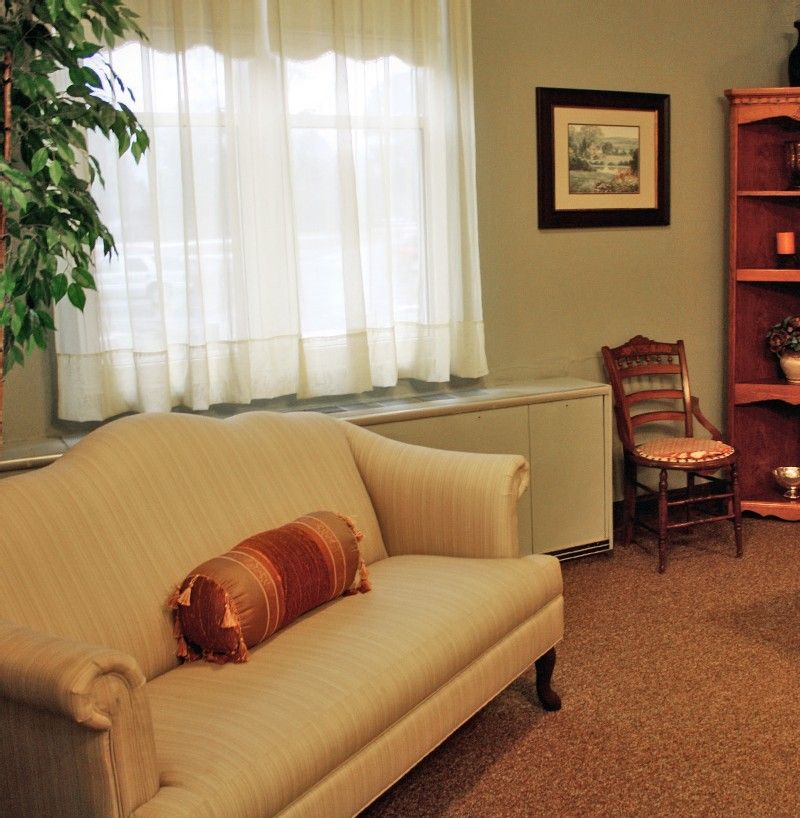
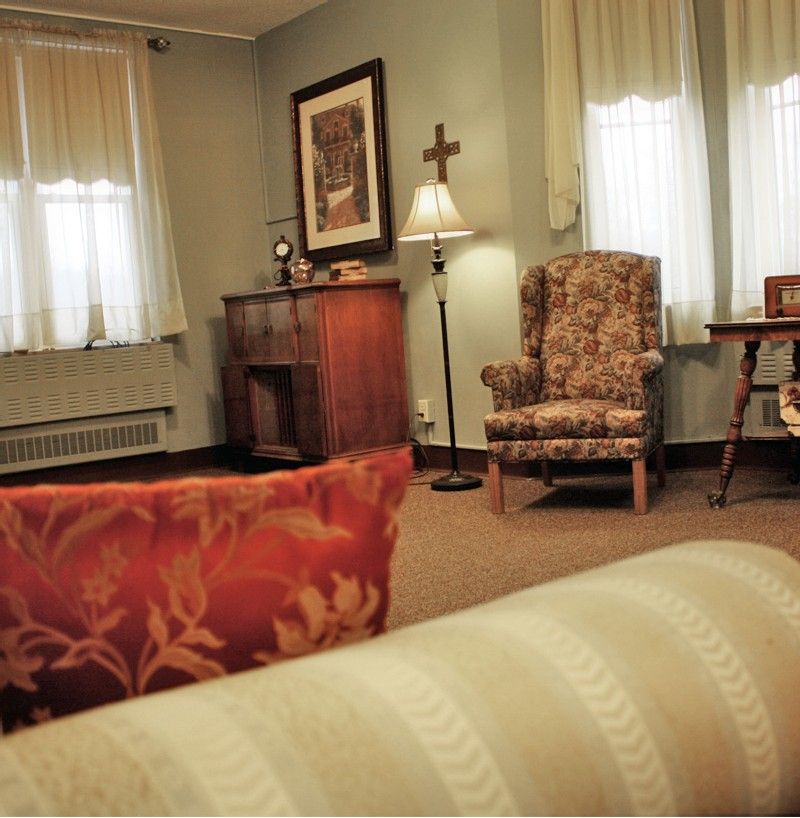
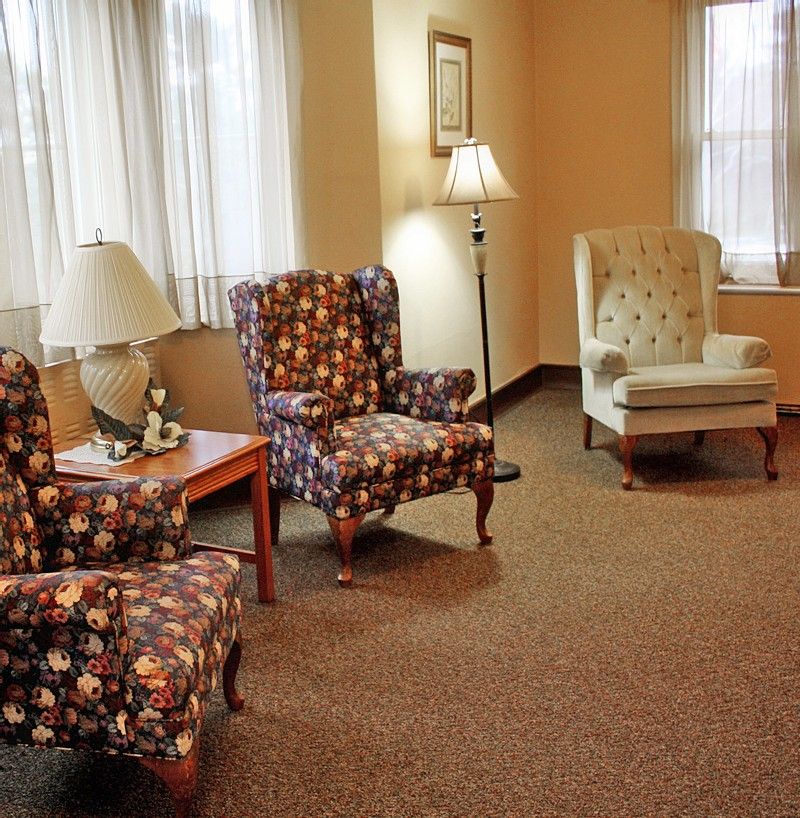
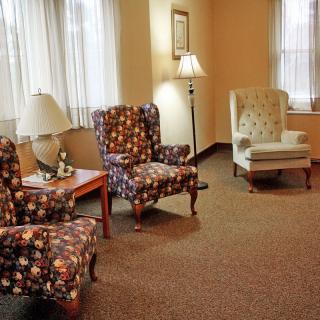
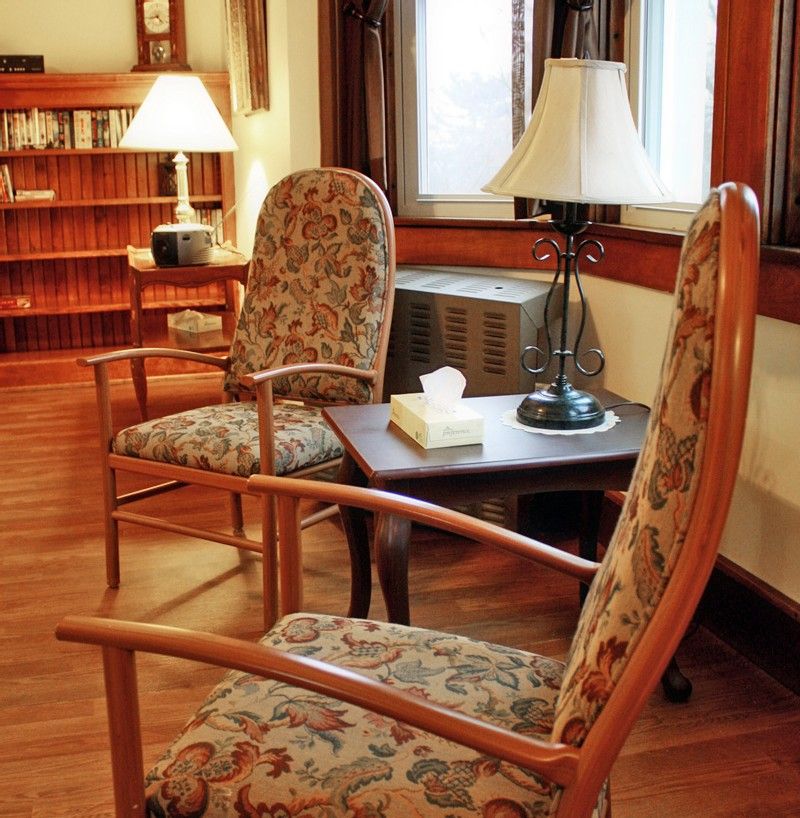
    A cozy seating area with floral upholstered chairs and soft lighting.
  • Fireplace

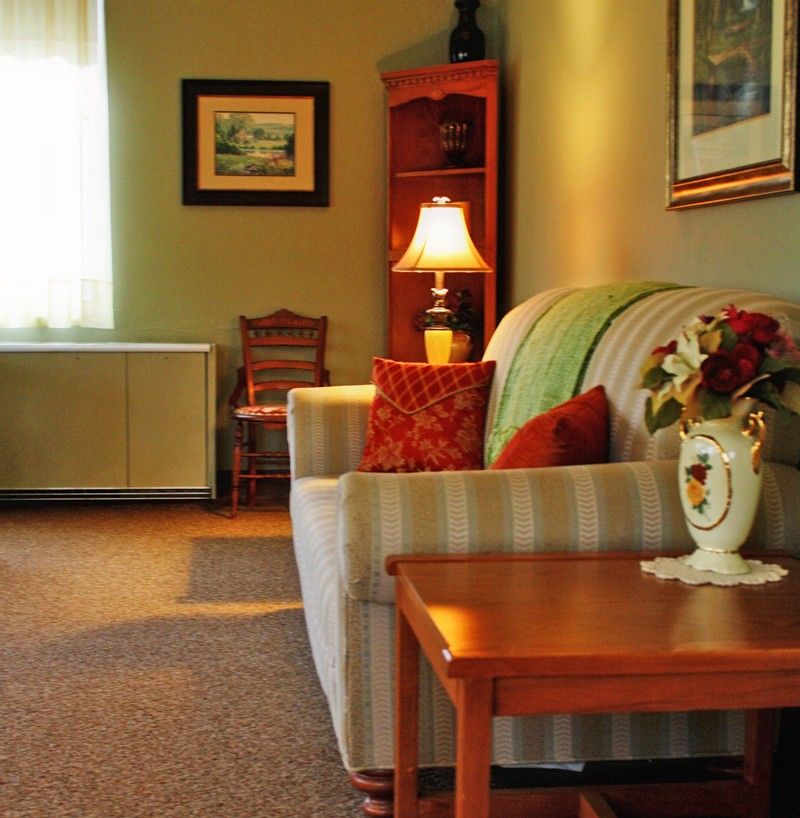
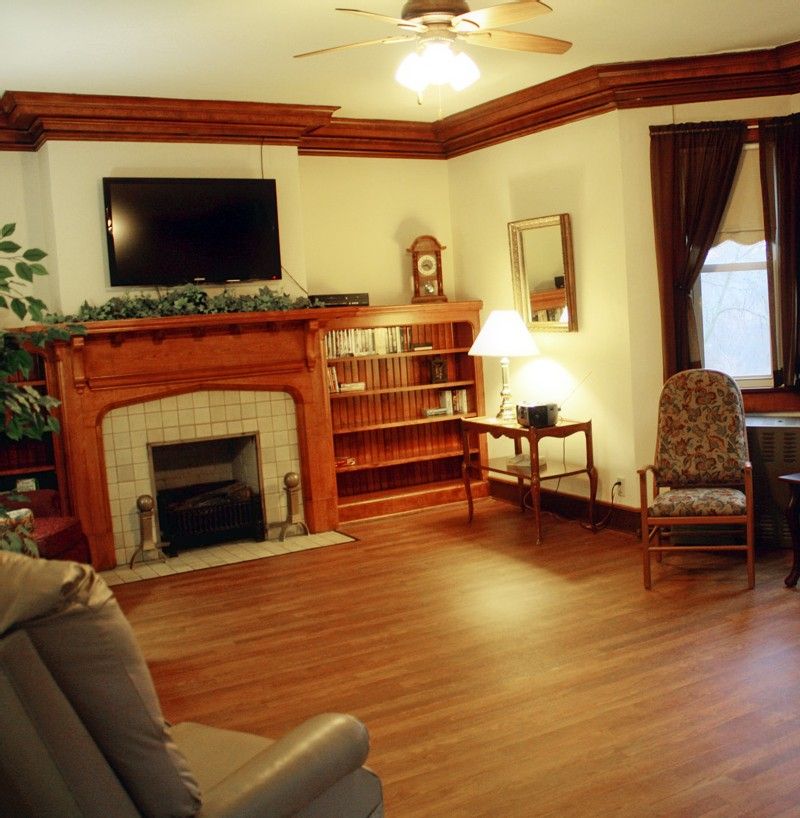
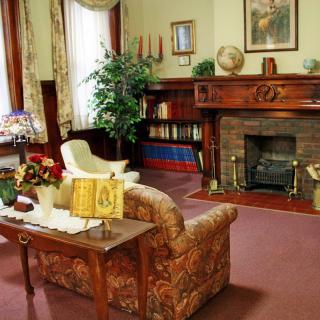
    A cozy vintage living room with a fireplace, bookshelf, and classic furniture.
  • Bathroom

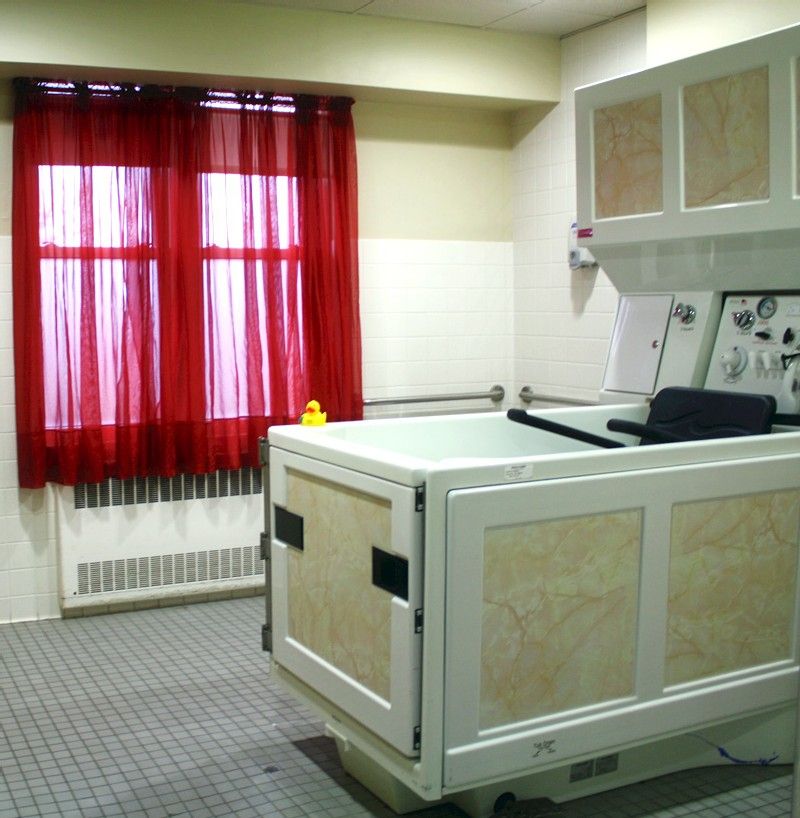
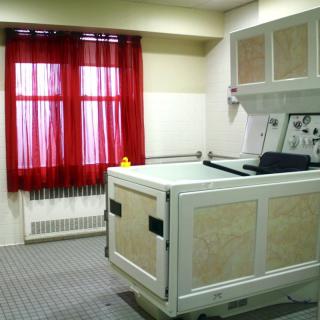
    A room with a bathtub and red curtains covering a window.
  • Television

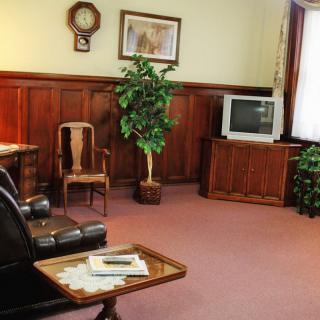
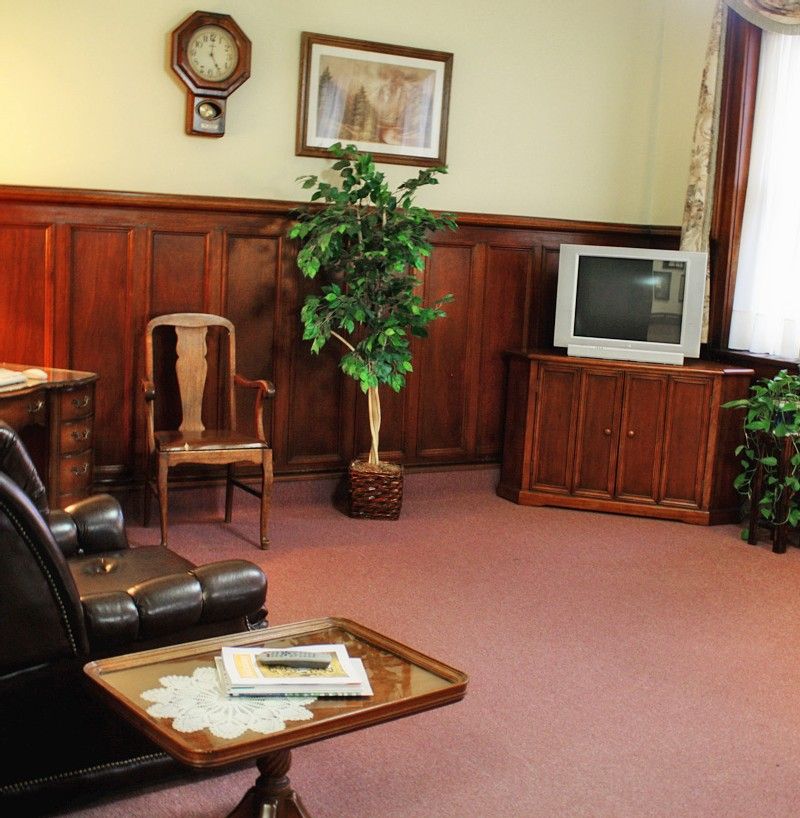
    A vintage-style living room featuring wood paneling, a small television, and traditional furnishings.

Assisted Living and Memory Care in Chippewa Falls

300 Bridgewater Avenue, Chippewa Falls, WI 54729

For more information about senior living options: (844) 490-3973

4.3 from 9 reviews
5 stars
6
4 stars
2
3 stars
0
2 stars
0
1 stars
1

Assisted Living Memory Care Respite Care

What level of care are you interested in?

Assisted Living

Memory Care

Independent Living

Skilled Nursing Facility

Continuing Care Retirement Community (CCRC)CCRC

Other


Request a tour at Assisted Living and Memory Care in Chippewa Falls

    Overall Review of Assisted Living and Memory Care in Chippewa Falls

    Pros

    • pro The staff are wonderful and caring, truly putting residents first.
    • pro They are doing an incredible job during the Covid era and take every precaution to keep families safe and healthy.
    • pro All of the staff members are supportive and helpful.
    • pro The Rutledge Home and its staff are absolutely amazing.
    • pro They clearly care about loved ones and it's more than just a job to them.
    • pro The facility earns a five-star rating and families feel confident in their choice.
    • pro The building is cool and well kept.
    • pro The people are very nice, and the dining staff fix meals and bring them to residents when needed.
    • pro The facility offers a large physical therapy room and engaging activities like cards and puzzles, plus a bright, well-lit library.

    Cons

    • pro The Rutledge Home is very secretive about its residents' care.
    • pro The facility communicates only through the power of attorney, or not at all if there is no legal authority.
    • pro They acted as though they owned the resident.
    • pro The resident was locked out of her room and was not told why due to privacy issues.
    • pro Three confused residents could wander in and out of the resident's room, and the resident did not have the option to move.
    • pro A nurse claimed the aides were so experienced they could decide whether a resident needed to go to the ER.
    • pro The resident ended up in hospice after not eating or drinking for over three weeks.
    • pro The rooms were cold and drafty.

    Review

    This community in Chippewa Falls is best suited for seniors who need assisted living with memory care and who prize a genuinely caring, resident-centered staff culture. It works well for families that want daily warmth, hands-on attention, and steady engagement programs, delivered in a setting that feels personal and familiar rather than clinical. It is a strong fit for residents who flourish with strong relationships with caregivers, who value predictable routines, and who can tolerate an older building with its accompanying comfort quirks in exchange for attentive, ongoing support.

    The standout pros center on people. The staff consistently comes across as wonderful, caring, and truly committed to putting residents first. Family members describe real peace of mind knowing their loved one is cared for with patience, respect, and tangible warmth, often over years rather than months. Residents benefit from attentive dining service, helpful assistance with daily living, and a programming slate that includes physical therapy, social activities, and accessible in-house amenities like a well-lit library and engaging activities. The environment itself supports comfort and routine, with clean spaces and a nicely maintained dining area that reinforces a sense of dignity and normalcy in daily life.

    Yet there are meaningful drawbacks that families must weigh. A prominent, serious concern centers on care governance and family access to information. One review describes a culture of restricted communication and limited family involvement in care decisions, with accusations of staff acting as if the facility owned the resident's care and a painful gap between families and the care team. That perspective is not universal, but it highlights a real tension some families may experience when trying to advocate for a loved one. Add to that the practical downsides of an older building: drafty windows and rooms that can run cold, even as cleanliness and upkeep remain solid. Those climate and transparency issues can overshadow otherwise strong caregiving in the eyes of risk-averse families.

    Those pros can offset the cons when the priority is nurturing, day-to-day stability. Strong, dependable caregiving creates a reliable daily rhythm, reduces anxiety for both residents and families, and supports meaningful activity engagement that can slow decline and sustain mood. The robust memory care and rehabilitation-oriented resources, plus hands-on dining and social programming, contribute real value that might outweigh climate discomfort or governance frictions for many residents. In short, for families seeking a compassionate environment where staff relationships feel authentic and long-term, this community delivers substantial returns that frequently outweigh its weathered infrastructure and governance frictions.

    To navigate a decision, prospective buyers should enter conversations with concrete questions about transparency and care coordination: who is the primary point of contact for care planning, how are family updates delivered, and what is the policy for family access to resident information and room care decisions? Also inquire about the memory care program structure, staff consistency on shifts, and how concerns are escalated and resolved. If the climate of openness and collaborative governance cannot be clearly demonstrated, or if a newer building with more modern climate control and more streamlined family communication is a priority, evaluating alternatives in Chippewa Falls is prudent. The right choice hinges on aligning the environment with the family's expectations for visibility, governance, and comfort.

    Overall, this community stands out for its heartfelt caregiving and engaged activities, delivering meaningful quality of life for many residents. The chief caution is clear: ensure comfort with how care decisions are communicated and who holds responsibility in day-to-day oversight. When families can trust the care leadership and feel welcomed into the planning process, the advantages - staff who truly care, dependable daily structure, and active engagement - often outweigh the limitations of an older physical plant. For those prioritizing warmth and stability in everyday life, this option remains a compelling, practical choice with strong demonstrated value.

    Features

    Housing

    • 63 resident community capacity 63 resident community capacity
    • Studio apartments Studio apartmentsStudio apartments are important for seniors because they offer a smaller, more manageable living space that is easier to navigate and maintain as physical abilities decline. Additionally, studio apartments provide seniors with independence and privacy while still being part of a community that offers support and social opportunities.

    Types of Care

    • Assisted Living Assisted LivingAssisted living facilities provide crucial support and care for seniors who may need help with daily tasks such as medication management, bathing, and meal preparation. These communities offer a safe and comfortable environment where seniors can maintain their independence while receiving the assistance they need to thrive in their golden years.
    • Memory Care Memory CareMemory care is crucial for seniors as it provides specialized support and services for individuals with dementia or Alzheimer's disease. These programs offer a safe and secure environment where residents receive personalized care, cognitive stimulation, and help with daily activities. Memory care helps seniors maintain their independence, quality of life, and dignity while also providing peace of mind for their families.
    • Respite Care Respite CareRespite care provides temporary relief for caregivers, allowing them to recharge and attend to their own needs. It also gives seniors the opportunity to socialize, receive professional care, and experience a change of scenery, promoting overall well-being and reducing feelings of isolation.

    Amenities

    • Air-conditioning Air-conditioningAir conditioning is important for seniors as they are more vulnerable to heat-related illnesses and may have underlying health conditions that make it difficult for them to regulate their body temperature. It helps to keep them comfortable, safe, and healthy in hot weather.
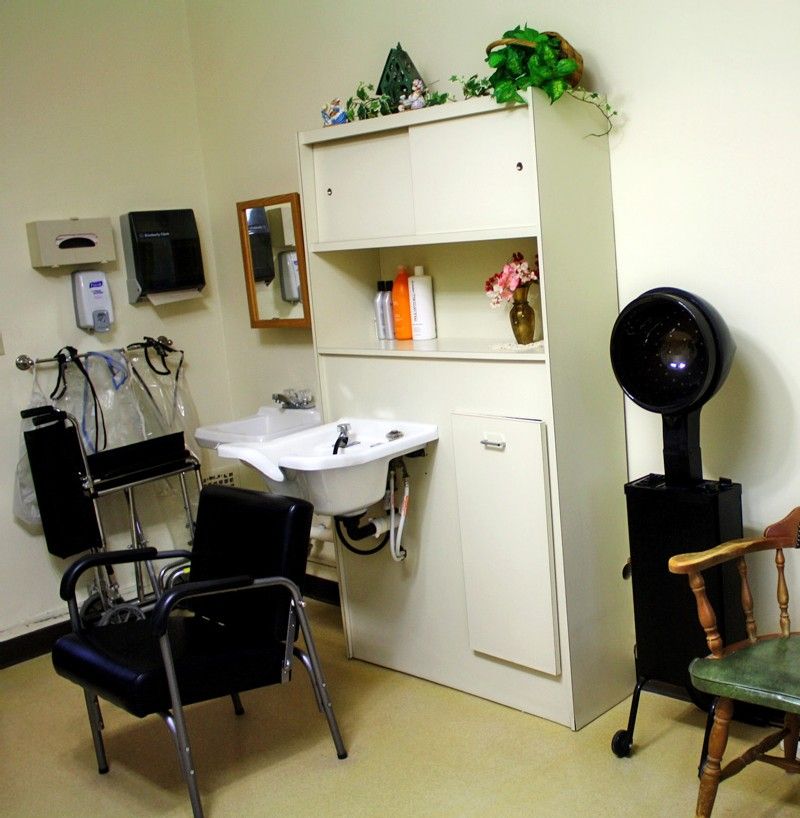
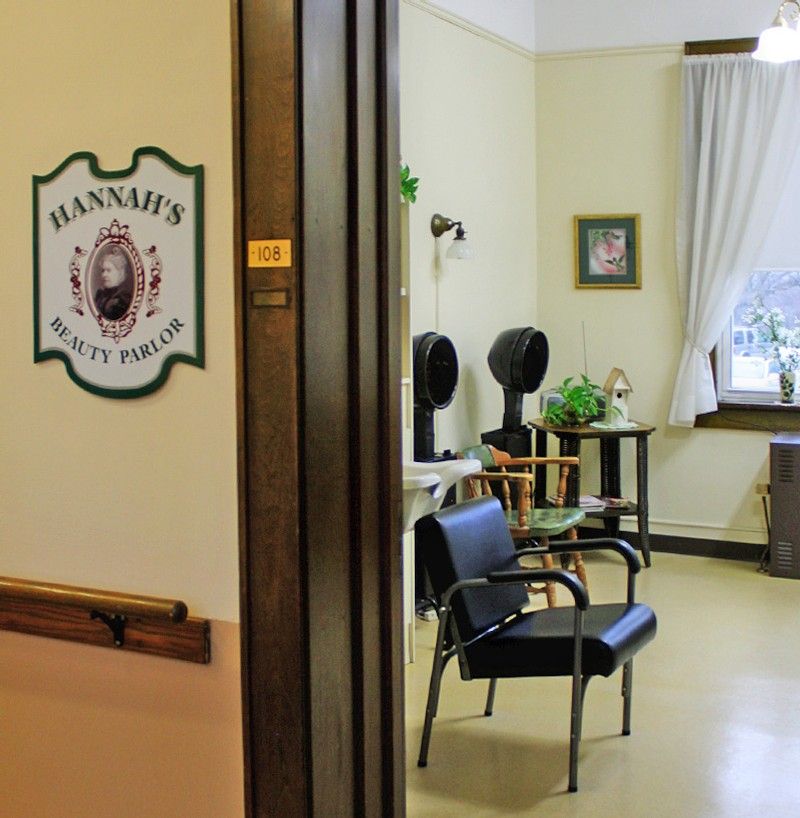
    • Beautician on-site Beautician on-siteHaving a beautician on-site at a senior living community is important for seniors as it allows them to easily access grooming and personal care services, boosting their self-esteem and overall well-being. It also provides convenience and helps seniors maintain their sense of independence and personal style.
    • Beauty salon Beauty salonBeauty salons are important for seniors because they provide a space for them to feel pampered, socialize, and maintain their personal grooming and hygiene. Regular visits to a beauty salon can help boost seniors' self-esteem and overall well-being.
    • Cable or satellite TV Cable or satellite TVCable or satellite TV is important for seniors because it provides entertainment, news, and companionship, helping to combat loneliness and boredom. It also offers a wide range of programming options tailored to different interests and preferences.
    • Computer center Computer centerA computer center is essential for seniors as it provides access to technology, communication tools, and resources that can enhance their daily lives. It allows them to stay connected with loved ones, engage in online activities, and learn new skills, ultimately promoting socialization and mental stimulation.
    • Dining room Dining roomDining rooms are important for seniors as they provide a space for socialization, connection, and nutritious meals. They offer opportunities for residents to bond over shared meals, foster a sense of community, and promote healthy eating habits. Dining rooms also ensure that seniors have access to well-balanced meals tailored to their dietary needs and preferences.
    • Fitness room Fitness roomHaving a fitness room in a senior living community is essential for seniors to stay active, maintain their physical health, and improve their overall well-being. Regular exercise can help prevent falls, reduce the risk of chronic diseases, and promote mental sharpness. It also provides social opportunities for residents to connect with others and enjoy a sense of community.
    • Fully furnished Fully furnishedFully furnished senior living communities are important for seniors because they provide convenience, comfort, and a hassle-free moving experience. Seniors can easily settle into their new living space without the stress of having to buy and move furniture. This allows them to focus on enjoying their new home and community.
    • Gaming room Gaming roomGaming rooms are important for seniors as they provide a fun and engaging environment for socializing, cognitive stimulation, and physical activity. Games can improve memory, problem-solving skills, and overall mental well-being while fostering friendships and reducing feelings of isolation.
    • Garden GardenGardens are important for seniors as they provide a peaceful and therapeutic environment for relaxation, physical activity, and socialization. Being in nature has been shown to reduce stress, improve mood, and promote overall well-being. Gardens also offer opportunities for seniors to engage in gardening activities, which can improve mobility, flexibility, and cognitive function. Additionally, gardens create a sense of community and connection with others who share a passion for plants and outdoor spaces.
    • Guasts at mealtime Guasts at mealtime"Guests at mealtime" offer seniors the opportunity for social interaction, companionship, and a sense of community during meals, which can help combat feelings of loneliness and isolation commonly experienced in senior living environments. It can also enhance their overall dining experience and improve their mental and emotional well-being.
    • Housekeeping services Housekeeping servicesHousekeeping services are important for seniors because they help maintain a clean and safe living environment, promote independence, and reduce the risk of accidents or illnesses. Additionally, having assistance with household chores can alleviate physical strain and allow seniors to focus on other aspects of their well-being.
    • Kitchenette KitchenetteKitchenettes are important for seniors living in senior living communities because they provide the convenience and independence of being able to prepare simple meals and snacks in the comfort of their own living space. This can help promote a sense of autonomy and well-being for seniors, allowing them to maintain some level of control over their dietary choices and daily routines.
    • Laundry LaundryLaundry services are important for seniors as they may have difficulty with physical tasks such as bending, lifting, or carrying heavy loads. Having access to laundry services can help seniors maintain personal hygiene, cleanliness, and independence in their daily lives.
    • Move-in coordination Move-in coordinationMove-in coordination is important for seniors because it helps ease the transition into their new living environment. It ensures that all logistics, such as packing, organizing movers, and setting up utilities are taken care of, allowing seniors to focus on settling in and adjusting to their new home. Having a smooth move-in process can alleviate stress and anxiety, making the transition smoother and more enjoyable for seniors.
    • Outdoor space Outdoor spaceOutdoor spaces are important for seniors as they provide opportunities for physical activity, social interaction, exposure to natural light and fresh air, and a sense of connection to nature. Having access to outdoor spaces can improve overall well-being and quality of life for older adults living in senior communities.
    • Overnight guests Overnight guestsOvernight guests provide companionship, social engagement, and emotional support for seniors in senior living communities. They can help reduce feelings of loneliness, isolation, and boredom, while also promoting mental well-being and overall quality of life. Additionally, overnight guests can offer a sense of familiarity and comfort for seniors who may be transitioning into a new living environment.
    • Private bathrooms Private bathroomsPrivate bathrooms are important for seniors in senior living communities because they provide independence, dignity, and comfort. Having a private bathroom allows seniors to maintain their personal hygiene routines without the need for assistance, promoting a sense of autonomy and privacy. Additionally, private bathrooms help prevent the spread of infections and provide a safe and clean environment for seniors to navigate safely.
    • Respite or short term stays offered Respite or short term stays offeredRespite or short term stays provide seniors with a temporary solution when their regular caregiver is unavailable, offering them the opportunity to receive additional care and support during times of need, while also giving caregivers a chance to rest and recharge.
    • Restaurant-style dining Restaurant-style diningRestaurant-style dining is important for seniors because it allows them to enjoy delicious, nutritious meals in a social and upscale setting. This enhances their dining experience, promotes healthy eating habits, and fosters socialization with fellow residents, ultimately contributing to their overall well-being and quality of life.
    • Small library Small librarySmall libraries are important for seniors as they provide access to a variety of reading materials, including books, newspapers, and magazines. This can help stimulate their minds, keep them engaged, and provide a sense of community through book clubs and other social activities. Additionally, reading has been shown to improve cognitive function and overall mental well-being in older adults.
    • Telephone TelephoneTelephones are important for seniors as they provide a lifeline for communication with loved ones, emergency services, and healthcare providers. They offer a sense of security and independence, enabling seniors to stay connected and access assistance when needed.
    • Wellness center Wellness centerWellness centers are important for seniors because they offer a variety of programs and services that promote physical, mental, and emotional well-being. These centers provide opportunities for exercise, socialization, education, and relaxation, helping seniors maintain their overall health and quality of life.
    • Wi-Fi/high-speed internet available Wi-Fi/high-speed internet availableWi-Fi/high-speed internet is important for seniors to stay connected with loved ones, access online resources, and participate in virtual activities to combat feelings of loneliness and isolation. It also allows them to easily manage healthcare needs, access entertainment, and engage in lifelong learning opportunities.

    Transportation

    • Chippewa Valley Regional (7 miles away) Chippewa Valley Regional (7 miles away)
    • Community operated transportation Community operated transportationCommunity operated transportation is crucial for seniors as it provides them with the means to access essential services, social activities, and medical appointments. It allows seniors to maintain their independence and quality of life by ensuring they can participate in activities outside of their homes. Additionally, community-operated transportation services offer a safe and reliable way for seniors to travel without having to rely on family or friends for assistance.
    • Transportation arrangement Transportation arrangementTransportation arrangements are crucial for seniors as they may face challenges with driving, mobility, or access to public transportation. Having reliable transportation services ensures that seniors can easily attend appointments, social activities, and maintain their independence and quality of life.
    • Transportation arrangement (non-medical) Transportation arrangement (non-medical)Transportation arrangements are essential for seniors as they provide access to essential services, activities, and social interactions outside the home. This service helps maintain independence, mobility, and overall well-being for seniors who may have limited transportation options.
    • Transportation to doctors appointments Transportation to doctors appointmentsTransportation to doctors appointments is crucial for seniors as it ensures they have access to necessary medical care and support, promoting their health and well-being. It allows them to receive timely treatment, monitor existing conditions, and address any new health concerns efficiently. Additionally, transportation services can help seniors maintain their independence and quality of life by enabling them to stay connected with their healthcare providers.

    Care Services

    • 12-16 hour nursing 12-16 hour nursing12-16 hour nursing care is crucial for seniors in order to ensure around-the-clock monitoring, timely medication administration, and prompt response to any health concerns or emergencies. This level of care helps to promote the overall well-being and safety of seniors living in senior living communities.
    • 24-hour call system 24-hour call system24-hour call systems are important for seniors because they provide peace of mind and immediate assistance in case of emergencies. This technology ensures that help is always available, promoting safety and security for elderly individuals living alone or in assisted living facilities.
    • 24-hour supervision 24-hour supervision24-hour supervision is important for seniors to ensure their safety, well-being, and access to immediate assistance in case of emergencies or health issues. This constant support provides peace of mind for both seniors and their loved ones, allowing them to age in place with dignity and security.
    • Activities of daily living assistance Activities of daily living assistanceActivities of daily living assistance are important for seniors because they provide essential support with tasks such as eating, bathing, dressing, and mobility. This assistance helps seniors maintain their independence, dignity, and overall quality of life as they age.
    • Assistance with bathing Assistance with bathingAssistance with bathing is crucial for seniors as it helps maintain personal hygiene, prevents infections, and ensures their overall well-being and comfort. It also provides a sense of dignity and independence for seniors who may struggle with this task on their own.
    • Assistance with dressing Assistance with dressingAssistance with dressing is important for seniors because it helps maintain their independence, promotes personal hygiene, prevents accidents and injuries, and improves overall quality of life. This service ensures that seniors can continue to dress comfortably and confidently, despite any physical limitations they may have.
    • Assistance with transfers Assistance with transfersAssistance with transfers is crucial for seniors as it helps prevent falls and injuries, maintains their independence, and ensures they can safely navigate their living environment. It also provides peace of mind for both seniors and their loved ones.
    • Diabetes diet Diabetes dietA diabetes diet is crucial for seniors as it helps manage blood sugar levels, reduce risks of complications, and improve overall health and well-being. By following a balanced and nutritious diet tailored to their specific needs, seniors can better control their diabetes and enhance their quality of life.
    • Meal preparation and service Meal preparation and serviceMeal preparation and service are crucial for seniors as they may have limited mobility or energy to cook nutritious meals. Having access to healthy and convenient food options can ensure they are getting the proper nutrition needed to maintain their overall health and well-being.
    • Medication management Medication managementMedication management is crucial for seniors to ensure they are taking the right medications at the correct dosages and times. This helps prevent adverse drug interactions, reduces the risk of medication errors, and promotes overall health and well-being. Proactive management also allows for adjustments as needed based on changing health conditions or new prescriptions.
    • Mental wellness program Mental wellness programMental wellness programs are essential for seniors as they promote cognitive stimulation, emotional support, and social engagement. These programs help prevent isolation, depression, and cognitive decline, ultimately enhancing the overall quality of life for older adults.
    • Mild cognitive impairment Mild cognitive impairment"Mild cognitive impairment" is important for seniors because it is an early stage of cognitive decline that can potentially progress to more severe conditions such as dementia. Recognizing and addressing mild cognitive impairment can help seniors receive appropriate care and support to maintain their quality of life and independence for as long as possible.
    • Personal care assistants Personal care assistantsPersonal care assistants are essential for seniors as they provide assistance with daily tasks, such as dressing, bathing, and medication management. They offer crucial support and companionship to help seniors maintain independence and quality of life in their own homes or in senior living communities.
    • Physical therapy Physical therapyPhysical therapy is essential for seniors to maintain and improve their mobility, strength, and overall quality of life. It helps reduce pain, prevent falls, and enhance independence in daily activities. By promoting movement and function, physical therapy can help seniors stay active, healthy, and engaged in their communities.
    • Special dietary restrictions Special dietary restrictionsSpecial dietary restrictions are important for seniors because age-related changes in metabolism and health conditions can make it difficult for their bodies to process certain foods. By following a diet tailored to their specific needs, seniors can maintain their overall health and well-being, manage chronic conditions, and reduce the risk of complications such as malnutrition or food interactions with medications.
    • Specialized memory care programming Specialized memory care programmingSpecialized memory care programming is crucial for seniors with cognitive impairments such as dementia or Alzheimer's disease. These programs provide a safe and supportive environment tailored to the unique needs of individuals with memory loss, helping them maintain their independence, dignity, and quality of life.
    • Walking wheelchair assistance Walking wheelchair assistanceWalking wheelchair assistance is vital for seniors as it helps them maintain their independence and mobility. It provides support and stability, allowing them to safely navigate their surroundings and engage in daily activities without fear of falling or injury. This assistance can significantly improve their quality of life and overall well-being.

    Dining

    • Diabetes diet Diabetes dietA diabetes diet is crucial for seniors as it helps manage blood sugar levels, reduce risks of complications, and improve overall health and well-being. By following a balanced and nutritious diet tailored to their specific needs, seniors can better control their diabetes and enhance their quality of life.
    • Special dietary restrictions Special dietary restrictionsSpecial dietary restrictions are important for seniors because age-related changes in metabolism and health conditions can make it difficult for their bodies to process certain foods. By following a diet tailored to their specific needs, seniors can maintain their overall health and well-being, manage chronic conditions, and reduce the risk of complications such as malnutrition or food interactions with medications.

    Activities

    • Activities off-site Activities off-siteActivities off-site are crucial for seniors as they provide opportunities for socialization, mental stimulation, and physical activity outside of their usual routine. This helps combat feelings of isolation and boredom, promotes overall well-being, and allows seniors to remain engaged in the community.
    • Arts and crafts Arts and craftsEngaging in arts and crafts activities provides seniors with a creative outlet, promotes cognitive function, enhances dexterity and fine motor skills, fosters social interaction, and boosts overall well-being and mental health.
    • Community-sponsored activities Community-sponsored activitiesCommunity-sponsored activities are important for seniors as they provide opportunities for social interaction, mental stimulation, and physical activity. These activities can help improve overall well-being, combat loneliness and isolation, and promote a sense of belonging and purpose among older adults.
    • Concierge services Concierge servicesConcierge services are essential for seniors as they provide assistance with daily tasks and errands, enhance their quality of life by offering convenience and personalized care, and promote a sense of safety and security.
    • Cooking club Cooking clubCooking clubs are important for seniors as they provide social interaction, mental stimulation, and the opportunity to learn new recipes and cooking techniques. These clubs also promote healthy eating habits and can improve overall well-being and quality of life for seniors.
    • Educational speakers / life long learning Educational speakers / life long learningEducational speakers and lifelong learning opportunities are crucial for seniors as they provide mental stimulation, promote social engagement, and contribute to overall well-being. Continuous learning helps seniors stay mentally sharp, build new skills, and maintain a sense of purpose and fulfillment in their lives. It also allows them to stay connected to the world around them and fosters a sense of community within senior living facilities.
    • Fitness programs Fitness programsFitness programs are crucial for seniors as they help improve strength, flexibility, balance, and overall well-being. Staying active can reduce the risk of chronic diseases, improve mental health, and enhance quality of life in older adults.
    • Games GamesGames are an essential part of senior living as they help promote cognitive function, social interaction, and overall well-being. Playing games can improve memory, concentration, and decision-making skills while also providing a fun and engaging way to connect with others. Seniors who participate in games regularly tend to experience higher levels of satisfaction and happiness in their daily lives.
    • Gardening club Gardening clubGardening clubs are important for seniors because they provide a sense of community, promote physical activity and mental well-being, and offer opportunities for socialization and connection with nature. Gardening can also improve cognitive function and overall quality of life for seniors.
    • Live musical performances Live musical performancesLive musical performances can provide seniors with a sense of joy, nostalgia, and connection. Music has the power to evoke emotions and memories, improve mood and cognitive function, and foster social interaction among seniors. It can also serve as a form of therapy and stress relief for older adults, making it an important activity to include in senior living communities.
    • Planned day trips Planned day tripsPlanned day trips are important for seniors because they offer opportunities for socialization, mental stimulation, and physical activity. They provide a change of scenery and help seniors stay engaged and connected to their community, promoting overall well-being and quality of life.
    • Religious services Religious servicesReligious services provide seniors with a sense of community, support, and spiritual fulfillment, which can improve their overall well-being and mental health. It also offers them opportunities for socialization and connection with others who share their beliefs.
    • Resident-run activities Resident-run activitiesResident-run activities are important for seniors as they encourage social interaction, creativity, and a sense of autonomy. These activities empower seniors to stay engaged and active in their community while fostering meaningful connections with their peers.
    • Scheduled daily activities Scheduled daily activitiesScheduled daily activities are important for seniors because they provide structure, socialization, mental stimulation, and physical activity. Engaging in regular activities can improve overall well-being and quality of life for seniors living in a community setting.
    • Wii bowling Wii bowlingWii bowling is important for seniors as it provides a fun and engaging way to stay active, socialize, and improve hand-eye coordination. It can help prevent isolation, boost mental well-being, and promote physical fitness in a safe and accessible manner.

    Languages Spoken

    • English EnglishEnglish is important for seniors as it allows them to communicate effectively with healthcare providers, understand important information related to their health and medications, stay connected with loved ones, and engage in social activities within their communities. It also opens up opportunities for lifelong learning and intellectual stimulation.

    Description

    The assisted living and memory care community in Chippewa Falls, WI offers a range of services and amenities to cater to the needs of residents. With a focus on memory care and respite care, this community provides assistance with activities of daily living such as bathing, dressing, and transfers. Personal care assistants are available around the clock to ensure the safety and well-being of residents.

    The community boasts a variety of amenities to enhance the quality of life for its residents. A beautician is located on-site to provide grooming services, while a beauty salon allows for pampering and relaxation. Residents can enjoy their favorite shows with cable or satellite TV in their fully furnished accommodations.

    For socialization and recreation, the community offers numerous options. A dining room provides restaurant-style dining experiences with special dietary restrictions taken into consideration. Resident-run activities and scheduled daily activities keep residents engaged, while arts and crafts, fitness programs, games, and Wii bowling provide entertainment.

    Outdoor spaces such as gardens offer opportunities for fresh air and relaxation. Transportation is readily available for non-medical purposes like community-operated transportation or transportation arrangements to doctors' appointments. The computer center allows residents to stay connected with loved ones or pursue personal interests online through Wi-Fi/high-speed internet access.

    Care services are comprehensive, including 24-hour call systems for prompt assistance whenever needed. Medication management ensures that medications are taken correctly while physical therapy is provided to maintain mobility and independence. Specialized memory care programming caters specifically to those with cognitive impairments.

    Located conveniently near various amenities in Chippewa Falls, there are parks, pharmacies, physicians' offices, restaurants, places of worship, theaters, and hospitals within close proximity. This assisted living community provides a comfortable and supportive environment where residents can enjoy their golden years while receiving the necessary care they require.

    Nearby Places of Interest

    Parks

    • Irvine Park (0.3 miles)
    • Northern Wisconsin State Fairgrounds (0.4 miles)
    • Marshall Park (0.4 miles)
    • Chippewa County Forest & Parks (0.6 miles)
    • Allen Park (1 miles)
    • Jeffers Park (8.7 miles)
    • River Prairie Park (9 miles)

    Restaurants

    • West Hill Bar (0.3 miles)
    • Jacob Leinenkugel Brewing Co. (0.5 miles)
    • Oktoberfest (0.5 miles)
    • Fill-Inn Station (0.8 miles)
    • Falls Bowl (0.8 miles)
    • Casa Mexicana (0.8 miles)
    • Tomahawk Room (0.8 miles)

    Places of Worship

    • Zion United Methodist Church (0.4 miles)
    • Saint Charles Parish (0.5 miles)
    • Central Lutheran Church (0.8 miles)
    • Diocese of La Crosse (0.8 miles)
    • Zion Lutheran Church-Missouri Synod (0.8 miles)
    • Valley Vineyard Church (0.9 miles)
    • First Presbyterian Church-Chippewa Falls (0.9 miles)

    Physicians

    • The Cosmetic Laser Center (0.5 miles)
    • Veterans Administration Clinic (1.9 miles)
    • Family Health Associates (2.1 miles)
    • Family Health (2.1 miles)
    • Marshfield Clinic Chippewa Falls Center (2.1 miles)
    • Chippewa Valley Orthopedics & Sports Medicine (2.1 miles)
    • Prevea Chippewa Falls Health Center (2.1 miles)

    Pharmacies

    • RXLTC (0.6 miles)
    • Medicine Shoppe (0.6 miles)
    • Konsella Drug Store (0.8 miles)
    • Walgreens (2.2 miles)
    • Walmart Pharmacy (4.3 miles)
    • Achieve Wellness Add to Favorites (8.9 miles)

    Theaters

    • Micon Cinemas (1.9 miles)

    Hospitals

    • HSHS St. Joseph's Hospital (2.2 miles)

    Transportation

    • U-Haul Moving & Storage (2.3 miles)
    • Mr Cab (6 miles)
    • United Airlines (6.8 miles)
    • Budget Car Rental (6.8 miles)

    Cafes

    • The Nostalgic Bean (9.7 miles)

    Frequently Asked Questions

    What floor plans and room types does Assisted Living and Memory Care in Chippewa Falls offer?
    Where is Assisted Living and Memory Care in Chippewa Falls?
    Does Assisted Living and Memory Care in Chippewa Falls provide care for residents with dementia or Alzheimer's disease?
    What photos are available for Assisted Living and Memory Care in Chippewa Falls in Chippewa Falls, Wisconsin?

    Nearby Communities

    • Rutledge Home For the Aged

      Rutledge Home For the Aged

      Chippewa Falls, WI

      4.4 from 8 reviews
      $2,225 / month

      pro Affordable studio pricing with diabetic care and on-site activities.

    • Make A Difference Homes Bridgewater

      Make A Difference Homes Bridgewater

      Chippewa Falls, WI

      3 from 2 reviews
       

      pro Small, personalized setting with 24/7 supervision and comprehensive care.

    • Brotoloc North New Hope II

      Brotoloc North New Hope II

      Chippewa Falls, WI


      pro Specialized diabetic care; off-site devotional services; indoor common areas; meals provided; convenient access to parks, pharmacies, physicians, restaurants, transportation, places of worship, theaters, and hospitals nearby.

    • Linden House

      Linden House

      Chippewa Falls, WI

      3 from 2 reviews
       

      pro Small, fully furnished assisted living with comprehensive care and coordinated transport.

    • Gudmanson - AFH

      Gudmanson - AFH

      Chippewa Falls, WI


      pro Small, intimate four-resident community with all-inclusive care (meals, housekeeping, medication management, daily activities) and on-site coordination of health services.

    • Forster Adult Family Home

      Forster Adult Family Home

      Chippewa Falls, WI


      pro 24/7 supervision with meals, meds management, ADL support, and care coordination; plus outdoor space.

    • Oak Gardens Place

      Oak Gardens Place

      Altoona, WI

      4.6 from 84 reviews
      $2,948 to $4,438 / month

      pro Homey, caring staff; clean, welcoming environment; smaller community with personalized attention; studio pricing is comparatively affordable.

    • Beehive Homes Of Eau Claire

      Beehive Homes Of Eau Claire

      Eau Claire, WI

      5 from 3 reviews
      $4,700 / month

      pro Caring, friendly staff; clean facility with varied activities and high-quality meals.

    • Meadowbrook at Bloomer

      Meadowbrook at Bloomer

      Bloomer, WI

      4.5 from 96 reviews
      $6,450 to $7,350 / month

      pro Compassionate staff and an engaged administrator create a welcoming, family-like environment.

    Related Resources

    • when to move from assisted living to nursing home8 Key Indicators That Suggest It May Be Time to Transition from Assisted Living to Skilled Nursing Care

      The transition from assisted living to skilled nursing care is often prompted by complex medical needs that assisted living cannot meet, with key indicators including frequent health declines, increased falls, severe memory issues, and caregiver burnout. Families should recognize these signs early to discuss options with healthcare providers and prepare for the emotional and logistical aspects of moving to a facility that offers comprehensive medical support.

    • best foods for dementia patients to eatNourishing the Mind: Essential Dietary Approaches for Dementia

      Dementia is characterized by cognitive decline, with nutrition playing a vital role in brain health; while no specific diet can prevent or reverse it, a nutrient-dense diet rich in antioxidants and healthy fats may support cognitive function. The MIND diet, which emphasizes beneficial foods and limits processed items, along with proper hydration and individualized meal strategies, can enhance the well-being of dementia patients.

    • dementia behaviorsUnderstanding Dementia Behaviors: Practical Insights and Strategies for Caregivers
      Dementia affects memory and cognitive function in older adults, presenting challenges for caregivers due to behavioral changes such as confusion and mood swings. Compassionate, person-centered care that considers individual history and preferences, along with effective communication and environmental modifications, is essential for supporting both patients and their caregivers.


    Get Pricing Ask A Question Schedule A Tour Contact Senior Advisor