
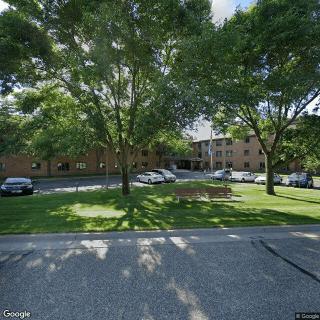
4127 113Th Street, Chippewa Falls, WI 54729
For more information about senior living options: (866) 208-4318
Overall Review of Northwest Pathways To Independence 5
Cons
 Karen lied too much.
- Karen covered up symptoms of serious health problems.
- Karen’s bad behaviors were harmful to residents.
- They were glad to have gotten rid of Karen and John.
Review
Northwest Pathways To Independence 5 in Chippewa Falls, WI is best suited for seniors who prize autonomy within a security-forward community. It reads as a place where independence can be maintained while walls are kept up around resident safety and well-being. The clearest signal from the available feedback is a management posture that will not tolerate disruptive behavior or deceptive health concerns that endanger others, and will take decisive steps to remove individuals who compromise the group. For families, this translates into a setting that values a calm, orderly environment, where inappropriate conduct is addressed quickly and residents can trust that questionable influences won’t linger. In short, it is most compelling for residents who want to stay self-directed but require a visible commitment to protecting the community.
Potential buyers who need robust medical oversight or a higher level of assisted living should be cautious. The limited public details about day-to-day programming, care offerings, and staff stability mean uncertainties about how daily needs are met, how care plans are monitored, or how quickly medical concerns would be escalated. If a resident requires regular hands-on help with daily tasks, complex medications, or memory-care support, alternatives with clearly defined medical services and transparent communication structures will likely serve better. Without those assurances, the fit risks feeling incomplete for anyone who anticipates professional care as a routine part of daily life.
On the upside, the strongest documented pro is a safety-forward, action-oriented leadership stance. The ability to remove problematic individuals quickly signals a culture that prioritizes resident protection and a predictable social climate. That pro offsets concerns about chaos or manipulation within the community, because there is evidence that the management will not tolerate behavior that endangers others. The obvious caveat is the lack of granular information about how staff interactions occur on a typical day, how resident concerns are handled beyond dramatic incidents, and whether turnover or morale issues are affecting consistency of care. Without that context, the decision hinges on whether decisive governance translates into genuine daily reliability.
Given the “Pathways To Independence” framing, the community likely aims to preserve resident autonomy while offering optional support structures. Families should confirm what independence means in practice, are meals, housekeeping, and transportation included? Is there on-site personal assistance, wellness checks, or access to medical staff when needed? If independence is truly the core, ensure that the level of supervision matches current or anticipated needs, and that there is a clear path for increasing support if health declines. A lack of clarity here can turn a strong safety signal into a mismatch for someone who wants more hands-on help or more transparent service details.
During visits, focus on concrete data rather than impressions alone: ask about staffing patterns, turnover, and how incidents are documented and resolved; request demonstrations of safety systems and emergency response; review menus, activity calendars, and transportation options to gauge daily life quality; inquire about resident governance, feedback channels, and how decisions are communicated to families. Seek written samples of policy handbooks, care addenda, and a current statement of services with associated costs. If possible, speak with current residents or family members about stability, responsiveness, and perceived fairness of how concerns were handled. The aim is to verify that the decisive leadership actually translates into predictable, person-centered care.
Bottom line: Northwest Pathways To Independence 5 stands out for families prioritizing safety, order, and a clear boundary between acceptable and unacceptable behavior within an independence-oriented setting. It is a compelling choice for residents who want to maintain autonomy while knowing that management will step in to remove hazards to the community. Those whose needs include deeper medical support, transparent programming, or more ordinary day-to-day consistency may find alternatives more aligned with expectations. With targeted diligence and a candid briefing from management, a well-informed decision can be made about whether this community fits the resident’s trajectory and family goals.
 4 resident community capacity
 Assisted Living
 Cable or satellite TV
 Dining room
 Fully furnished
 Garden
 Housekeeping services
 Move-in coordination
 Outdoor space
 Telephone
 Wi-Fi/high-speed internet available
 Chippewa Valley Regional (3 miles away)
 24-hour supervision
 Activities of daily living assistance
 Assistance with bathing
 Assistance with dressing
 Assistance with transfers
 Diabetes diet
 Meal preparation and service
 Medication management
 Special dietary restrictions
 Transportation arrangement (medical)
 Transportation to doctors appointments
 Fully furnished living spaces with dining, housekeeping, medical transportation, and a garden setting.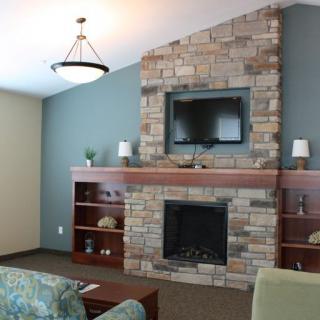
 Vibrant Senior Living: A Comprehensive Guide for Active Older Adults
 When to Transition from Assisted Living to Memory Care: Key Indicators, Steps, and Finding the Right Community
 Assisted Living and Memory Care: Understanding Their Core Differences