
1022 1 Street Avenue, Chippewa Falls, WI 54729
For more information about senior living options: (866) 208-4318
Overall Review of Chippewa Valley Group Home
Pros
 The owners care for and continue to treat all residents and their families with utmost respect and kindness.
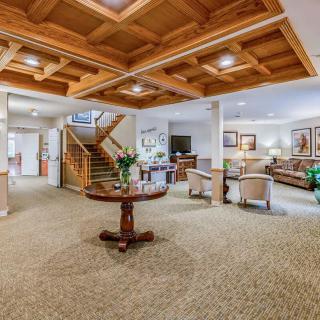
- The home is welcoming, warm, friendly, and a loving environment.
- The residents enjoy working at CRI in Chippewa Falls.
- The work provides them with a reason to get up in the morning and fosters pride and a sense of worth.
- They look forward to Fridays because payday allows them to see the results of their work, buy clothes, and participate in outings.
- The reviewer recommends Chippewa Valley group home for those not seeking an institution to provide for their loved ones.
Review
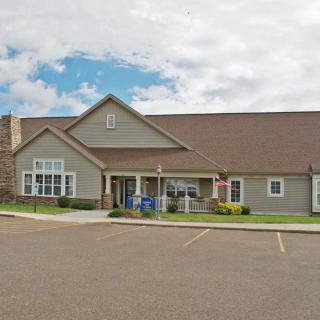
Chippewa Valley Group Home in Chippewa Falls is best suited for seniors who want a warm, family-like living environment rather than an institutional setting. The community earns trust through clearly supportive leadership, with the owners described as deeply caring and respectful toward residents and their families. The home feels welcoming, with a vibe of genuine kindness that helps residents settle in and feel valued from day one. A distinctive strength is daily life anchored by meaningful activity, residents work at CRI and experience a tangible sense of purpose. For families prioritizing personal attention, relationship-driven care, and a true sense of belonging, this setting stands out as a practical match.
Those who should consider alternatives are families seeking higher medical oversight, 24/7 skilled nursing, or memory-care specialized programs. The small, home-like model can limit access to intensive clinical services and advanced monitoring requirements. If a more structured, campus-style environment with broader amenities and formal programming is desired, or if privacy and independence demand a different balance of staff-to-resident support, other options may be a better fit. In short, the community shines where warmth, respect, and meaningful daily life matter most, but may not meet the needs of residents with complex medical or rehabilitative requirements.
The strongest pro is the culture of care. Residents are treated with utmost respect, and families sense steady, personal engagement from the owners. The environment is consistently described as welcoming, warm, and loving, which reduces stress for both residents and their loved ones. The employment-like aspect of life, working at CRI and earning pay, provides dignity, routine, and social purpose, turning everyday tasks into meaningful contributions. Outings and purchases with earned dollars create tangible incentives to participate, reinforcing a sense of autonomy and belonging. This combination of intimate attention and purposeful activity often translates into higher satisfaction and steadier engagement than larger, more impersonal settings.
Despite the positives, the small scale entails trade-offs. A limited staff pool can mean constrained coverage during busy periods or after hours, and the site may offer fewer options for specialized therapies on demand. The emphasis on work and social outings, while empowering, may place pressure on residents to participate or may not suit those with health limitations that preclude regular involvement in work-like activities. Privacy can be more limited in a home-like footprint where spaces are shared, and the absence of a large, campus-style menu of services could leave certain medical or rehabilitative needs unmet for some residents.
However, these trade-offs are offset by the care philosophy in practice. The intimate, relationship-driven approach enables staff to tailor routines to individual abilities and tastes, reducing confusion and anxiety that often accompany larger facilities. The sense of purpose derived from work-like activities fosters ongoing social engagement, counteracting isolation even when clinical oversight is lighter. The owners’ ongoing involvement tends to yield consistent standards and swift responsiveness, smoothing transitions and adapting plans as needs evolve. For families prioritizing dignity, respect, and daily meaning over a full medical resort of services, the strengths in care culture and resident empowerment can far outweigh the absence of hospital-like resources.
Decision-ready families will find Chippewa Valley Group Home an excellent fit when the priority is a homey, respectful environment where residents are seen, heard, and valued, with daily life anchored by purposeful activity and community ties. It works especially well for seniors who thrive on social connection, predictable routines, and personal attention from a close-knit team. Those with complex medical needs, memory-care requirements, or a preference for a large, highly resourced campus should consider alternatives offering stronger clinical services and specialized programming. In practice, prospective families should visit with questions about post-hours staffing, the scope of medical support, and how work activities are structured to align with individual capabilities and safety.
 8 resident community capacity
 Assisted Living
 Board and Care Home
 Cable or satellite TV
 Dining room
 Fully furnished
 Garden
 Housekeeping services
 Move-in coordination
 Outdoor space
 Telephone
 Wi-Fi/high-speed internet available
 Chippewa Valley Regional (8 miles away)
 24-hour supervision
 Activities of daily living assistance
 Assistance with bathing
 Assistance with dressing
 Assistance with transfers
 Diabetes diet
 Meal preparation and service
 Medication management
 Special dietary restrictions
 Transportation arrangement (medical)
 Transportation to doctors appointments

 Comprehensive Insights into Activities of Daily Living (ADLs) and Their Assessment
 Guiding Elderly Parents Who Refuse Assisted Living: 6 Practical Steps
 Your Comprehensive Guide to Luxury Assisted Living: Elevated Facilities, Amenities, and Costs