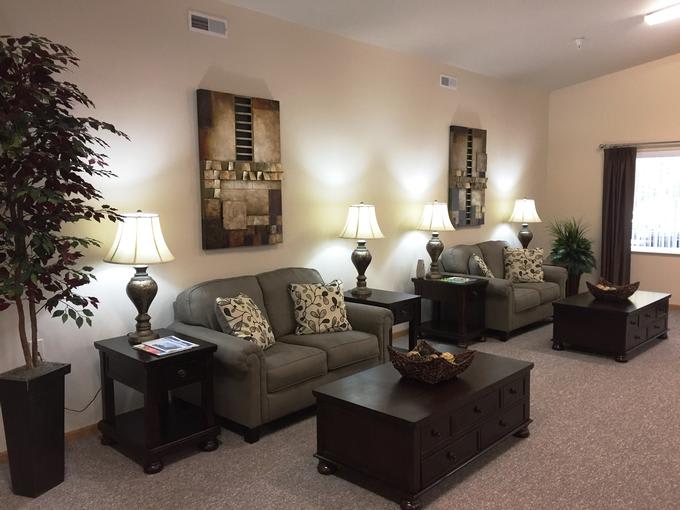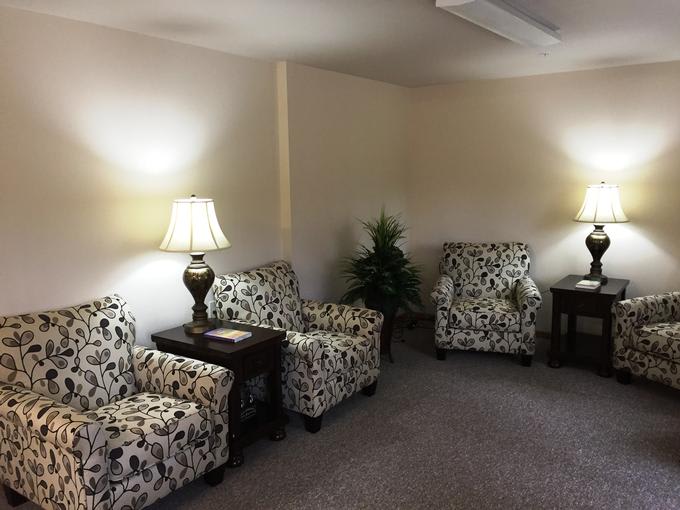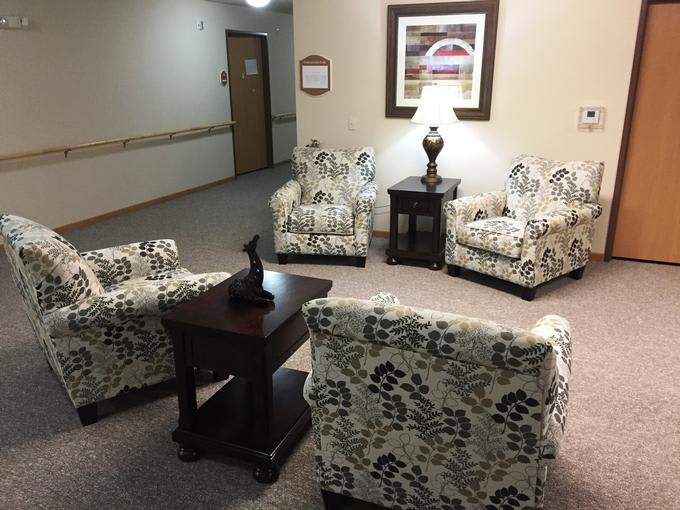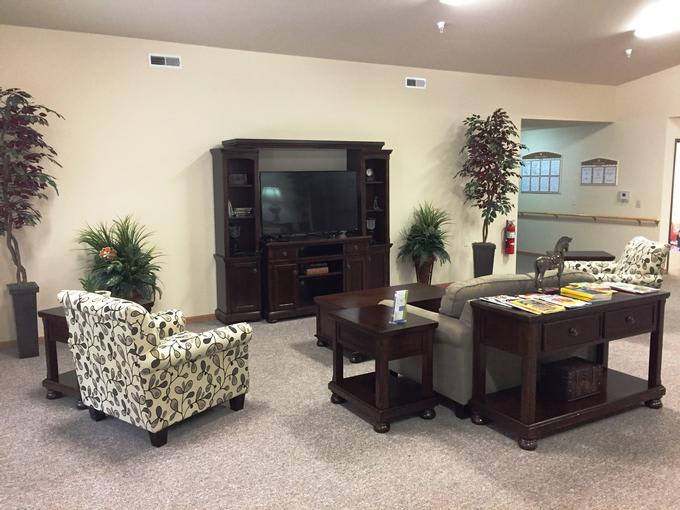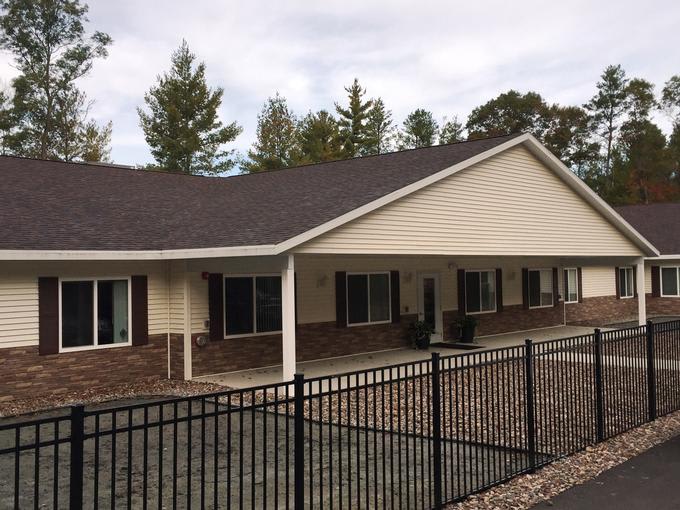
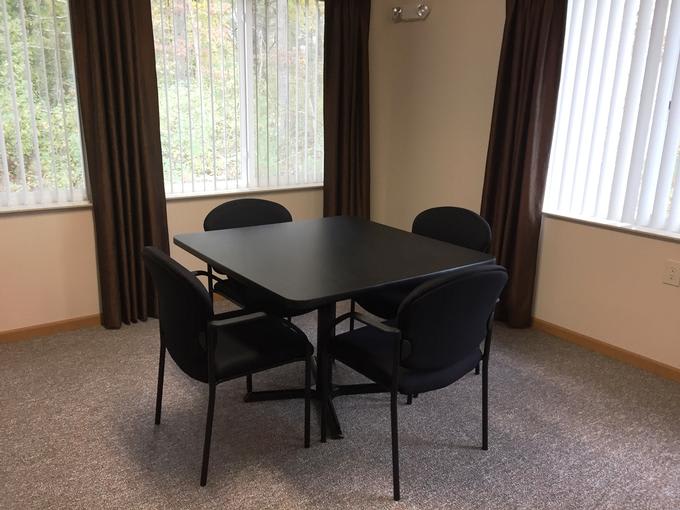
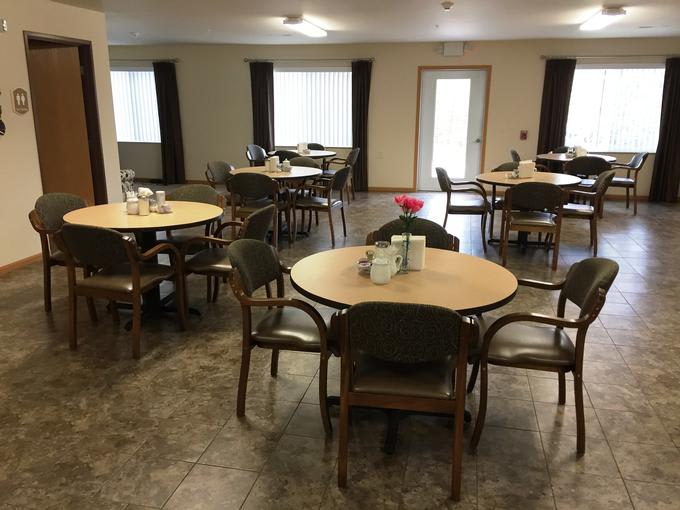

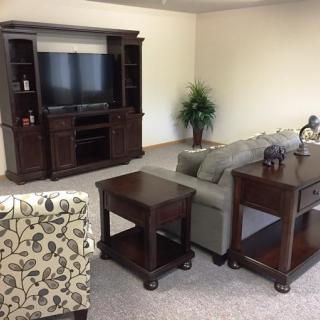
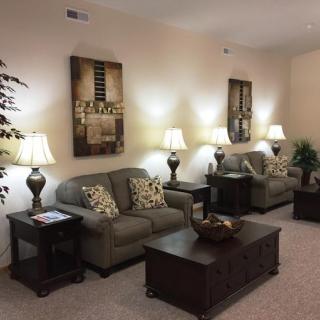
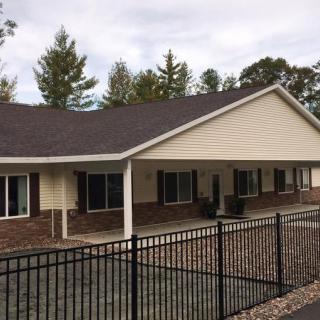
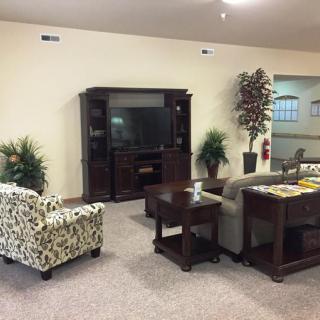
642 E 3rd St, Black River Falls, WI 54615
To contact a resident: (715) 670-0675
For more information about senior living options: (866) 208-4318
Country Terrace Assisted Living II - Black River Falls Costs & Pricing
Country Terrace Assisted Living II in Black River Falls offers competitive pricing for its studio accommodations, with a monthly cost of $4,200. This rate is notably lower than the average for Monroe County, which stands at $4,614, and is also above the average state cost of $3,999 for similar facilities across Wisconsin. By providing an attractive option that sits between county and state averages, Country Terrace Assisted Living II positions itself as a viable choice for those seeking quality assisted living care that balances affordability with essential services.
| Floor plans | Country Terrace Assisted Living II - Black River Falls | Monroe County | Wisconsin |
|---|---|---|---|
| Studio | $4,200 | $4,614 | $3,999 |
Assisted Living communities with a similar price nearby
-
About the same
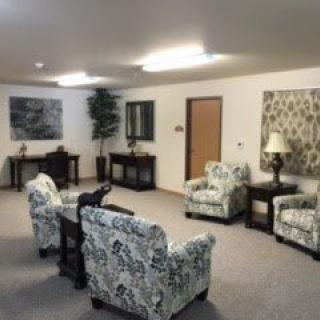
Country Terrace Assisted Living-CT6
$4,200 / month0.6 miles away
Overall Review of Country Terrace Assisted Living II - Black River Falls
Pros
 Two staff members helped her grandmother.
- The brother-in-law is very well cared for.
- The staff treats him with respect and kindness.
- The reviewer described the facility as great.
Cons
 A particular resident acted as though she was the only one who needed assistance.
- She expected the staff to drop everything to attend to her.
- If staff didn’t come right away because they were caring for other residents, she would get mad.
- The worst thing was that staff catered to her.
- The director was described as disrespectful and unprofessional, raising questions about why she was hired.
- The director yelled in a visitor's face and told them they weren’t welcome.
Review
Country Terrace Assisted Living II in Black River Falls is best suited for families seeking a compact, hands-on care environment where frontline staff can provide attentive assistance when the team is stable and leadership is consistent. This community rewards families that value daily, personal interactions with caregivers who know residents by name and can respond quickly when tasks are clear. It suits residents who need assistance with activities of daily living but still benefit from a home-like atmosphere and a smaller campus where staff stay relatively close to each resident. In practice, the strongest signals of fit come when the caregiving team is cohesive and able to coordinate care without obstruction from leadership turmoil.
However, those who prioritize a consistently professional administrative culture should consider alternatives. The reviews reveal tensions with management: a change in directors that left some family members feeling disrespected, including an incident where a visitor was dismissed loudly. Such experiences suggest that leadership quality can swing, and with it, the tone of the entire facility. For families with relatives who are sensitive to how they are treated or who expect uniformly smooth communications, this volatility is a red flag. Also, if a loved one requires multiple staff for safety and attention on a regular basis, the risk of delays or gaps due to staff stacking with other residents becomes a real consideration.
On the positive side, there are clear pockets of strong, compassionate care. A resident’s family noted staff who were attentive and respectful when they could attend to her needs, and another resident’s relative was described as well cared for with consistent kindness. When the line of sight between administration and frontline caregivers is clear, the care quality appears capable of meeting basic expectations and even delivering moments of genuine warmth. The caveat is that these moments hinge on staffing and the current director’s priorities; when the team is stretched or leadership is abrasive, exemplary care recedes.
The main con, the leadership friction, does not erase the potential advantages of the staff who show up ready to help, but it does dampen them. The same caregivers who can be patient and attentive under one manager may feel used-up under another who sets a harsher tone. This dynamic helps explain why some families feel the place works well for a relative who is easygoing or easy to place with a dependable routine, while others have a loud warning signal about the administrative climate. The upside is: good staff interactions and a family-friendly atmosphere in the right shifts can deliver meaningful daily living support, social engagement, and a sense of belonging.
For families evaluating this community, a practical playbook helps separate fit from misfit. Schedule a face-to-face tour focusing on how staff interact with residents and how management handles concerns. Ask about staffing ratios, how care needs requiring two aides are scheduled, and what changes accompanied the director transition. Try to speak with current residents or families who’ve navigated the system, and specifically inquire about consistency across shifts and the current director’s approach to resident dignity and visitor access. If the current climate shows steady leadership and consistently kind caregiving, Country Terrace II can be a solid choice; if not, keep scouting.
Bottom line: this community is not a universal fit. It rewards families who can stay engaged, advocate effectively, and tolerate some administrative inconsistency in exchange for genuine frontline care when the team is aligned. For those prioritizing steady, respectful leadership and predictable service, alternatives with proven management stability may be wiser. Yet for families willing to invest time in oversight and who value small-scale, person-centered care, Country Terrace II remains a viable option, provided the right staffing and leadership dynamic is in place.
 Assisted Living
 Activities off-site
 Beautician on-site
 Devotional services off-site
 Indoor common areas
 Respite or short term stays offered
 Wheelchair accessible showers
 Diabetic care
 Incontinence care
 Medication management
 Meals provided
 Visiting chaplain or priest

 Senior Transition Services: Understanding Their Role, Cost, and Importance
 Exploring the Path to Senior Living: A Comprehensive Look at Independent Living and Assisted Living
 Is Assisted Living Deductible on Your Taxes? Understanding the Complexities of Assisted Living Expenses and Deductions