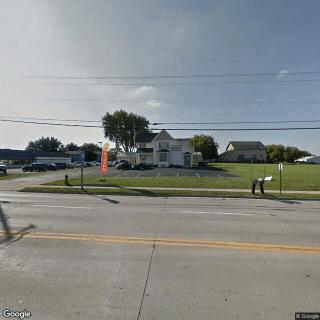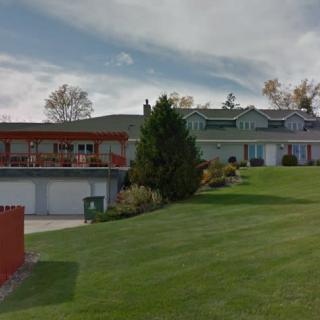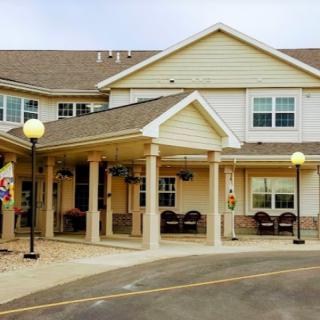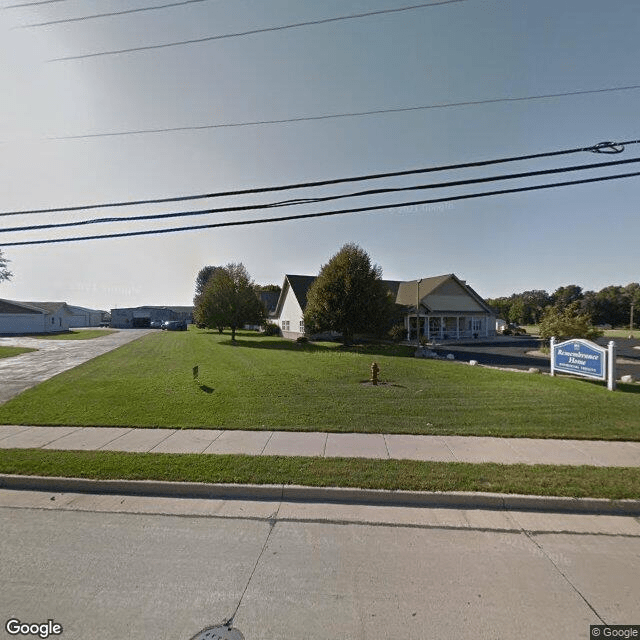
Remembrance Home in Beaver Dam, WI

Save
Remembrance Home

Remembrance Home in Beaver Dam, WI

1810 North Spring Street, Beaver Dam, WI 53916

For more information about senior living options: (844) 490-3973

4.7 from 3 reviews
5 stars
2
4 stars
1
3 stars
0
2 stars
0
1 stars
0

Assisted Living Memory Care

Overall Review of Remembrance Home

Pros

  • pro Remembrance Home is described as small with a circular layout that helps residents stay oriented.
  • pro It provides a non-denominational pastor and offers both a mass service and a Sunday service.
  • pro There is a salon area, and residents are seen reading, indicating a calm, engaging environment.
  • pro The home features a large open concept with private rooms and individual bathrooms.
  • pro The staff greet visitors warmly and answer questions cheerfully and effectively.
  • pro There are activities to help residents interact and maintain their physical well-being, and the caregiver-to-resident ratio is excellent.
  • pro Common spaces support semi-private interactions and allow families to share meals with residents.
  • pro The reviewer would give more than five stars if possible.

Cons

  • pro The place was very nice, but it was not suitable for her grandmother.
  • pro She could not bring her own furniture.
  • pro The layout is circular, so she would always end up back at the same place she started.

Review

Remembrance Home in Beaver Dam is best suited for families seeking a tight-knit, service-oriented setting where warmth from staff and structured routines anchor daily life. This community excels when residents appreciate a small, navigable environment - one that reduces confusion and helps residents move confidently from space to space without getting lost. The appeal is strongest for seniors who value social engagement, purposeful programming, and spiritual breadth, including access to a non-denominational pastor, regular mass services, and a Sunday worship option. Families that want easy access for visits, and the comfort of a salon and reading-friendly atmosphere, will find this residence genuinely reassuring. In short, it serves well those who prioritize meaningful interaction, consistent staff care, and a community that feels personally attentive.

However, several caveats suggest alternatives may be worth exploring for certain needs. Individuals who insist on personalizing a living space with familiar furniture may be disappointed, because rooms are not set up for resident-owned furnishings. The insistence on a uniform room design can feel impersonal to those who prize a homey, deeply personalized environment. Additionally, the layout, though described as intimate in some accounts, may not align with expectations of a more expansive or homelike residential feel. For residents whose care needs verge toward more specialized memory care, or who require greater privacy or larger private space, other options in the area may offer a better fit. Those who need a setting that prioritizes a high degree of in-room customization should look elsewhere.

From a practical perspective, the strongest positives lie in the care culture and daily life scaffolding. The staff-to-resident ratio is widely praised, and the team is described as consistently warm, capable, and responsive to questions - an essential factor when evaluating any assisted living option. The treatment of residents is cited as respectful and professional, with routines designed to support physical well-being and social interaction. Enrichment opportunities abound: group activities that encourage participation, accessible common areas for semi-private family time, and an openness to families sharing meals as a courtesy option. The spiritual program, inclusive of both non-denominational and traditional worship options, adds a meaningful dimension for residents who value regular opportunities for reflection and community.

Yet the main drawbacks tie back to the same structure that makes the place distinctive. The inability to bring personal furniture can blunt the sense of ownership so important to many seniors and their families. A resident who expects a more homelike, customizable space may find this constraint a primary hurdle. The open-concept design, while promoting social interaction, can also feel expansive and less intimate for those who prefer a cozier, more private atmosphere. For families balancing safety with autonomy, this tension between a well-organized flow and a desire for personal touches will shape the decision.

When weighing the pros against the cons, the core trade-off becomes clear: Remembrance Home offsets its personalization limitations with a proven culture of attentive care and robust life-enrichment. The combination of strong staffing, respectful treatment, and engaging activities tends to deliver meaningful quality of life gains that often trump the lack of furniture flexibility. The ability to enjoy coordinated programming, worship options, and convenient family engagement (including meal-sharing at a modest cost) amplifies the sense of community and belonging, which many families deem decisive.

For households evaluating options, the next step is to align expectations with resident needs. If a resident values consistent, compassionate care, strong social programming, and a visible, caring staff, Remembrance Home deserves serious consideration. If a resident requires highly personalized in-room decor, a larger private living footprint, or specialized memory-care features not evidently described here, exploring alternatives - perhaps with more flexible room policies or different layout philosophies - is prudent. Tours should focus on the room setup, the current availability, and the exact care strengths that align with the resident's daily routines and preferences. This community presents a compelling, well-supported choice for families prioritizing warmth, structure, and active engagement over personalization freedoms.

Features

Housing

  • 19 resident community capacity 19 resident community capacity

Types of Care

  • Assisted Living Assisted LivingAssisted living facilities provide crucial support and care for seniors who may need help with daily tasks such as medication management, bathing, and meal preparation. These communities offer a safe and comfortable environment where seniors can maintain their independence while receiving the assistance they need to thrive in their golden years.
  • Memory Care Memory CareMemory care is crucial for seniors as it provides specialized support and services for individuals with dementia or Alzheimer's disease. These programs offer a safe and secure environment where residents receive personalized care, cognitive stimulation, and help with daily activities. Memory care helps seniors maintain their independence, quality of life, and dignity while also providing peace of mind for their families.

Amenities

  • Activities on-site Activities on-siteActivities on-site are important for seniors because they provide opportunities for socialization, mental stimulation, physical activity, and overall well-being. Engaging in activities can help seniors stay active, maintain their independence, and improve their quality of life.
  • Cable or satellite TV Cable or satellite TVCable or satellite TV is important for seniors because it provides entertainment, news, and companionship, helping to combat loneliness and boredom. It also offers a wide range of programming options tailored to different interests and preferences.
  • Devotional services off-site Devotional services off-siteDevotional services off-site are important for seniors as they provide spiritual nourishment, social engagement, and a sense of community outside of the senior living facility. This can enhance overall well-being and help combat feelings of isolation and loneliness often experienced by older adults.
  • Dining room Dining roomDining rooms are important for seniors as they provide a space for socialization, connection, and nutritious meals. They offer opportunities for residents to bond over shared meals, foster a sense of community, and promote healthy eating habits. Dining rooms also ensure that seniors have access to well-balanced meals tailored to their dietary needs and preferences.
  • Fully furnished Fully furnishedFully furnished senior living communities are important for seniors because they provide convenience, comfort, and a hassle-free moving experience. Seniors can easily settle into their new living space without the stress of having to buy and move furniture. This allows them to focus on enjoying their new home and community.
  • Garden GardenGardens are important for seniors as they provide a peaceful and therapeutic environment for relaxation, physical activity, and socialization. Being in nature has been shown to reduce stress, improve mood, and promote overall well-being. Gardens also offer opportunities for seniors to engage in gardening activities, which can improve mobility, flexibility, and cognitive function. Additionally, gardens create a sense of community and connection with others who share a passion for plants and outdoor spaces.
  • Housekeeping services Housekeeping servicesHousekeeping services are important for seniors because they help maintain a clean and safe living environment, promote independence, and reduce the risk of accidents or illnesses. Additionally, having assistance with household chores can alleviate physical strain and allow seniors to focus on other aspects of their well-being.
  • Indoor common areas Indoor common areasIndoor common areas are crucial for seniors as they provide a space for socialization, recreation, and community engagement, promoting overall well-being and reducing feelings of isolation and loneliness.
  • Move-in coordination Move-in coordinationMove-in coordination is important for seniors because it helps ease the transition into their new living environment. It ensures that all logistics, such as packing, organizing movers, and setting up utilities are taken care of, allowing seniors to focus on settling in and adjusting to their new home. Having a smooth move-in process can alleviate stress and anxiety, making the transition smoother and more enjoyable for seniors.
  • Outdoor space Outdoor spaceOutdoor spaces are important for seniors as they provide opportunities for physical activity, social interaction, exposure to natural light and fresh air, and a sense of connection to nature. Having access to outdoor spaces can improve overall well-being and quality of life for older adults living in senior communities.
  • Telephone TelephoneTelephones are important for seniors as they provide a lifeline for communication with loved ones, emergency services, and healthcare providers. They offer a sense of security and independence, enabling seniors to stay connected and access assistance when needed.
  • Wi-Fi/high-speed internet available Wi-Fi/high-speed internet availableWi-Fi/high-speed internet is important for seniors to stay connected with loved ones, access online resources, and participate in virtual activities to combat feelings of loneliness and isolation. It also allows them to easily manage healthcare needs, access entertainment, and engage in lifelong learning opportunities.

Care Services

  • 24-hour supervision 24-hour supervision24-hour supervision is important for seniors to ensure their safety, well-being, and access to immediate assistance in case of emergencies or health issues. This constant support provides peace of mind for both seniors and their loved ones, allowing them to age in place with dignity and security.
  • Activities of daily living assistance Activities of daily living assistanceActivities of daily living assistance are important for seniors because they provide essential support with tasks such as eating, bathing, dressing, and mobility. This assistance helps seniors maintain their independence, dignity, and overall quality of life as they age.
  • Ambulatory care Ambulatory care"Ambulatory care services provide essential medical support and treatment to seniors without requiring hospitalization, allowing them to maintain their independence and quality of life while managing chronic conditions or receiving routine medical care."
  • Assistance with bathing Assistance with bathingAssistance with bathing is crucial for seniors as it helps maintain personal hygiene, prevents infections, and ensures their overall well-being and comfort. It also provides a sense of dignity and independence for seniors who may struggle with this task on their own.
  • Assistance with dressing Assistance with dressingAssistance with dressing is important for seniors because it helps maintain their independence, promotes personal hygiene, prevents accidents and injuries, and improves overall quality of life. This service ensures that seniors can continue to dress comfortably and confidently, despite any physical limitations they may have.
  • Assistance with transfers Assistance with transfersAssistance with transfers is crucial for seniors as it helps prevent falls and injuries, maintains their independence, and ensures they can safely navigate their living environment. It also provides peace of mind for both seniors and their loved ones.
  • Coordination with health care providers Coordination with health care providersCoordination with health care providers is crucial for seniors to ensure proper medical care, medication management, and overall well-being. This collaboration helps prevent overlapping treatments, track progress more effectively, and provide comprehensive support tailored to individual needs.
  • Diabetes diet Diabetes dietA diabetes diet is crucial for seniors as it helps manage blood sugar levels, reduce risks of complications, and improve overall health and well-being. By following a balanced and nutritious diet tailored to their specific needs, seniors can better control their diabetes and enhance their quality of life.
  • Diabetic care Diabetic careDiabetic care is crucial for seniors as they are more susceptible to developing diabetes due to aging and other health conditions. Proper management of diabetes can help prevent complications such as heart disease, vision loss, and nerve damage, improving the overall quality of life for seniors in senior living communities.
  • Meal preparation and service Meal preparation and serviceMeal preparation and service are crucial for seniors as they may have limited mobility or energy to cook nutritious meals. Having access to healthy and convenient food options can ensure they are getting the proper nutrition needed to maintain their overall health and well-being.
  • Medication management Medication managementMedication management is crucial for seniors to ensure they are taking the right medications at the correct dosages and times. This helps prevent adverse drug interactions, reduces the risk of medication errors, and promotes overall health and well-being. Proactive management also allows for adjustments as needed based on changing health conditions or new prescriptions.
  • Special dietary restrictions Special dietary restrictionsSpecial dietary restrictions are important for seniors because age-related changes in metabolism and health conditions can make it difficult for their bodies to process certain foods. By following a diet tailored to their specific needs, seniors can maintain their overall health and well-being, manage chronic conditions, and reduce the risk of complications such as malnutrition or food interactions with medications.
  • Transportation arrangement (medical) Transportation arrangement (medical)Transportation arrangements for medical purposes are essential for seniors as they may have difficulty driving themselves to appointments or accessing public transportation. Having reliable and safe transportation options ensures that seniors can receive timely medical care and maintain their health and well-being.
  • Transportation to doctors appointments Transportation to doctors appointmentsTransportation to doctors' appointments is crucial for seniors as it ensures they have access to necessary medical care and support for their health needs. Without reliable transportation, seniors may struggle to attend important appointments, leading to potential delays in treatment and health complications. Providing transportation services helps seniors maintain their overall well-being and quality of life.
Dining

  • Diabetes diet Diabetes dietA diabetes diet is crucial for seniors as it helps manage blood sugar levels, reduce risks of complications, and improve overall health and well-being. By following a balanced and nutritious diet tailored to their specific needs, seniors can better control their diabetes and enhance their quality of life.
  • Meals provided Meals provided"Meals provided" are crucial for seniors in assisted living communities as it ensures they have access to nutritious, balanced meals without the stress of meal planning and preparation. This can help promote overall health and well-being for seniors who may have limited mobility or cognitive abilities.
  • Special dietary restrictions Special dietary restrictionsSpecial dietary restrictions are important for seniors because age-related changes in metabolism and health conditions can make it difficult for their bodies to process certain foods. By following a diet tailored to their specific needs, seniors can maintain their overall health and well-being, manage chronic conditions, and reduce the risk of complications such as malnutrition or food interactions with medications.

Activities

  • Activities on-site Activities on-siteActivities on-site are important for seniors because they provide opportunities for socialization, mental stimulation, physical activity, and overall well-being. Engaging in activities can help seniors stay active, maintain their independence, and improve their quality of life.
  • Community-sponsored activities Community-sponsored activitiesCommunity-sponsored activities are important for seniors as they provide opportunities for social interaction, mental stimulation, and physical activity. These activities can help improve overall well-being, combat loneliness and isolation, and promote a sense of belonging and purpose among older adults.
  • Devotional activities offsite Devotional activities offsiteDevotional activities offsite are important for seniors because they provide social engagement, spiritual growth, and a sense of community outside of their living environment. This can improve overall well-being, mental health, and combat feelings of isolation or loneliness.
  • Scheduled daily activities Scheduled daily activitiesScheduled daily activities are important for seniors because they provide structure, socialization, mental stimulation, and physical activity. Engaging in regular activities can improve overall well-being and quality of life for seniors living in a community setting.

Description

Remembrance Home in Beaver Dam, WI is a specialized assisted living community that focuses on providing exceptional memory care services. Our aim is to create a comfortable and supportive environment for individuals with memory impairments, ensuring their safety and well-being.

Our community offers various amenities to enhance the quality of life for our residents. Each room is fully furnished and equipped with cable or satellite TV, telephone, and Wi-Fi/high-speed internet. Our indoor common areas are designed for socializing and relaxation, while our beautiful garden offers a serene outdoor space for residents to enjoy nature. Housekeeping services are provided to keep the community clean and well-maintained.

We understand the importance of maintaining spiritual connections, so we offer devotional services off-site for residents who wish to practice their faith. Our dining room provides delicious meals tailored to meet special dietary restrictions, ensuring that residents receive proper nutrition.

At Remembrance Home, our dedicated staff is trained in providing assistance with activities of daily living such as bathing, dressing, and transfers. We also help coordinate with healthcare providers to ensure comprehensive care for our residents. For those with diabetes, we offer specialized care including diabetic diets and medication management.

Transportation arrangements can be made for medical appointments or other needs, making it convenient for residents to access healthcare services. In addition to professional care services, we strive to create a vibrant social environment by organizing scheduled daily activities and community-sponsored events.

Located in Beaver Dam, WI, our community benefits from its proximity to several amenities. There are three cafes nearby where residents can enjoy a cup of coffee or grab a quick bite. Nine parks provide opportunities for outdoor recreation and leisurely walks. Five pharmacies ensure easy access to medications when needed. With eight physicians located nearby, residents have convenient access to medical professionals should the need arise.

For dining out or entertaining guests, there are 19 restaurants in the vicinity offering various cuisine options. Additionally, there is reliable transportation available nearby.

For those looking to maintain their spiritual connections, there are seven places of worship located nearby. In case of medical emergencies, two hospitals are within close proximity.

At Remembrance Home in Beaver Dam, WI, we strive to create a warm and caring community where individuals with memory impairments can live with dignity and receive the exceptional care they deserve.

Nearby Places of Interest

This area of Beaver Dam, Wisconsin offers a convenient and diverse range of amenities for seniors considering living in the area. With several parks nearby, such as Edgewater Dog Park and Waterworks Park, residents can enjoy leisurely walks or outdoor activities. There are also various dining options within close proximity, including Applebee's and Culver's, providing easy access to tasty meals. For medical needs, there are several physicians and pharmacies nearby, ensuring that residents have access to healthcare services. Places of worship such as Cornerstone Baptist Church and Peace Lutheran Church offer spiritual support and community connections. Additionally, transportation options like Tails Wildlife Studio and Wisconsin Aviation provide accessibility for travel needs. With hospitals like Beaver Dam Community Hospital in the vicinity, residents can have peace of mind knowing that healthcare facilities are easily accessible in case of emergencies.

Parks

  • Edgewater Dog Park (0.2 miles)
  • Edgewater Park (1.3 miles)
  • Waterworks Park (1.4 miles)
  • Lincoln Park (1.5 miles)
  • Lakeview Park (1.8 miles)
  • Beaver Dam Parks & Recreation (2 miles)
  • Beaver Dam Disc (2 miles)

Restaurants

  • Applebee's (0.4 miles)
  • Paradise Ice Co. (0.4 miles)
  • McDonald's (0.5 miles)
  • Chang Jiang Buffet (0.5 miles)
  • Culver's (0.7 miles)
  • Arby's (0.7 miles)
  • Ponderosa Steakhouse (0.7 miles)

Physicians

  • Colleen Cassidy, MD (0.6 miles)
  • Community Pediatrics (2.3 miles)
  • Bert C Callahan (2.3 miles)
  • Dean Specialty Clinic-Beaver Dam (2.3 miles)
  • Excel Orthopedics (2.3 miles)
  • Medical Associates-Beaver Dam (2.3 miles)
  • Beaver Dam Family Hearing Care (2.3 miles)

Cafes

  • Nunatak Coffee (0.6 miles)
  • Park Avenue Sports Cafe (1.8 miles)
  • Black Waters Coffee (2.2 miles)

Pharmacies

  • Walmart Pharmacy (0.7 miles)
  • Home Town Pharmacy (1.6 miles)
  • Thrifty White Pharmacy (1.6 miles)
  • Green Acres CBD (1.6 miles)
  • Walgreens (1.8 miles)
  • Marshland Pharmacy (9 miles)
  • Randolph Hometown Pharmacy (10.1 miles)

Places of Worship

  • Cornerstone Baptist Church (1.1 miles)
  • Key William (1.9 miles)
  • Change of Heart Ministry Center (2 miles)
  • Peace Lutheran Church (2 miles)
  • Wels (2.1 miles)
  • Crosswalk Community Church (2.1 miles)
  • Church of Christ (2.6 miles)

Transportation

  • Tails Wildlife Studio (1.5 miles)
  • Wisconsin Aviation (7.2 miles)
  • Dodge County Airport (UNU) (7.2 miles)
  • Wis & Southern Railroad Co. (9.4 miles)

Hospitals

  • Beaver Dam Community Hospital (2.3 miles)
  • Stone Terrace Residential Care Apartment Complex (2.4 miles)
  • INTEGRATED Repair & Info Service (10.2 miles)
  • Waupun Memorial Hospital (11 miles)
  • Agneian Health Care (11.1 miles)

Frequently Asked Questions

Where is Remembrance Home?
Does Remembrance Home provide care for residents with dementia or Alzheimer's disease?

Nearby Communities

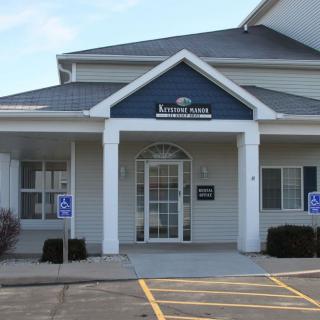
  • Keystone Manor Apartments

    Keystone Manor Apartments

    Beaver Dam, WI

    5 from 6 reviews
    $650 to $695 / month

    pro Affordable pricing for 1- and 2-bedroom units with strong on-site amenities.

  • Prairie Ridge Assisted Living

    Prairie Ridge Assisted Living

    Beaver Dam, WI

    4.4 from 48 reviews
    $2,200 / month

    pro Clean facility with caring staff and engaging activities.

  • Home Instead - Beaver Dam,  WI

    Home Instead - Beaver Dam, WI

    Beaver Dam, WI


    pro Excellent proximity to healthcare, pharmacies, parks, restaurants, and other amenities.

  • Hillcrest Home

    Hillcrest Home

    Beaver Dam, WI


    pro Close to multiple amenities (cafes, parks, pharmacies, doctors, restaurants, places of worship, hospitals).

  • Charlton House Adult Family Home

    Charlton House Adult Family Home

    Beaver Dam, WI


    pro Intimate 4-resident setting with comprehensive ADL support, 24/7 supervision, and diabetes-friendly dining.

  • Sylvan Crossings At Hunter Ridge

    Sylvan Crossings At Hunter Ridge

    Beaver Dam, WI

    3.5 from 15 reviews
    $3,585 / month

    pro Friendly, caring staff with strong family communication in a pleasant, well-kept environment.

  • Eagle's Wings

    Eagle's Wings

    Beaver Dam, WI

    4.5 from 2 reviews
     

    pro Beautiful grounds and engaging common spaces.

  • Marvin's Manor IV

    Marvin's Manor IV

    Waupun, WI

    3.4 from 5 reviews
    $2,250 to $2,750 / month

    pro Friendly staff during tour; room options; convenient location near Culver's.

  • The Meadows Of Fall River

    The Meadows Of Fall River

    Fall River, WI

    4.7 from 51 reviews
     

    pro Clean, well-maintained facility with attentive staff and engaging memory-care options.

Related Resources

  • dementia stagesUnderstanding Dementia Through Its Seven Stages: A Comprehensive Look at Progression and Expectations

    Dementia encompasses a range of cognitive impairments characterized by types such as Alzheimer's and vascular dementia, and follows a seven-stage progression model known as the Global Deterioration Scale (GDS), highlighting varying symptoms and decline timelines. Early detection allows for lifestyle adjustments to potentially slow progression, while caregivers need support and resources to manage the challenges involved in caring for affected individuals.

  • how to prevent memory loss in old ageSafeguarding Your Memory Through the Golden Years: Eight Ways to Preserve Cognitive Health

    The article presents eight strategies for preserving cognitive health and memory in older adults, emphasizing a nutrient-rich diet, regular exercise, intellectually stimulating activities, adequate sleep, social connections, stress management techniques, limiting harmful substances, and regular medical checkups to mitigate age-related memory decline.

  • activities of daily livingComprehensive Insights into Activities of Daily Living (ADLs) and Their Assessment

    Activities of Daily Living (ADLs) are fundamental tasks vital for an individual's independence, particularly in older adults over 85, and include functions like bathing and dressing; assessing ADLs alongside Instrumental Activities of Daily Living (IADLs) helps determine the level of required assistance due to age-related health challenges. Tailored support plans, involving family and community resources, are essential for maintaining dignity and autonomy in assisted living environments.