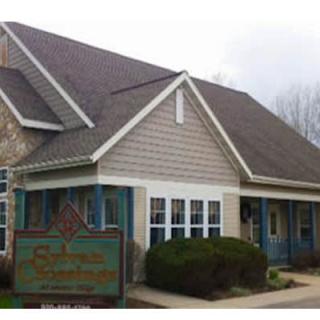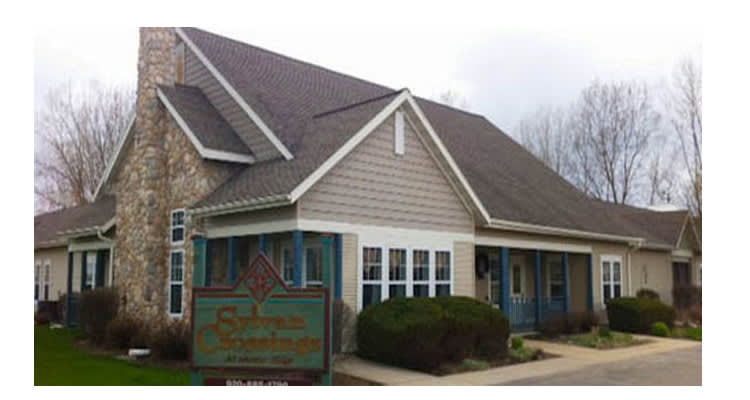
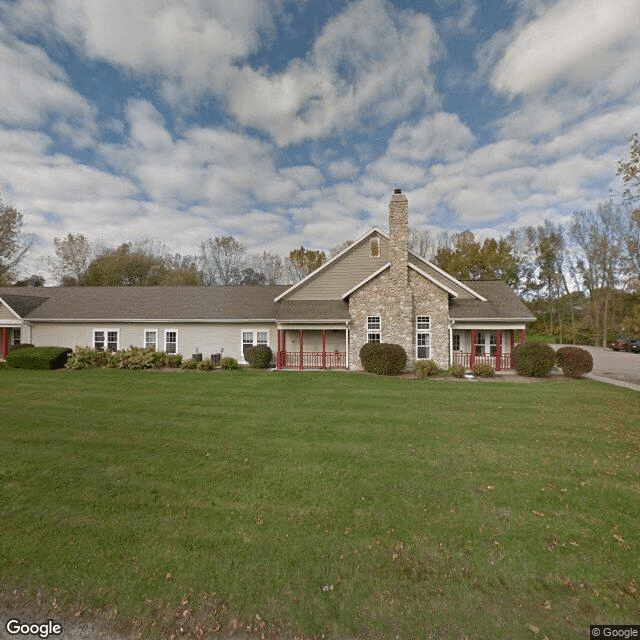
626 Monroe Street, Beaver Dam, WI 53916
For more information about senior living options: (866) 208-4318
Sylvan Crossings At Hunter Ridge Costs & Pricing
Sylvan Crossings At Hunter Ridge offers competitive pricing for its studio accommodations, with a monthly cost of $3,585. This rate is slightly higher than the average for Dodge County, which stands at $3,563, but remains more affordable compared to the overall state average in Wisconsin of $3,999. This positioning indicates that residents can enjoy quality services and care at Sylvan Crossings while benefiting from a cost-effective alternative within the region.
| Floor plans | Sylvan Crossings At Hunter Ridge | Dodge County | Wisconsin |
|---|---|---|---|
| Studio | $3,585 | $3,563 | $3,999 |
Memory care communities with a similar price nearby
-
from -$385 / mo
Larson House
$3,200 to $3,700 / month12.7 miles away -
from -$435 / mo
The Meadows of Fall River
$3,150 to $4,300 / month12.1 miles away -
from +$690 / mo
The Waterford at Hartford
$4,275 to $7,400 / month24.7 miles away -
from +$265 / mo
So Close To Home
$3,850 to $6,112 / month22.3 miles away -
from +$538 / mo
Highland House
$4,123 / month18.3 miles away
Overall Review of Sylvan Crossings At Hunter Ridge
Pros
 The meals are very good.
- Communication with families is great.
- The move-in process is smooth and good.
- It offers a warm, caring family atmosphere.
- The staff are friendly, accommodating, and attentive.
- The facility is clean, well-kept, and inviting.
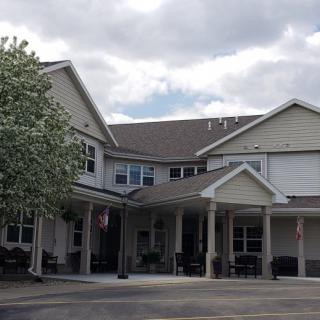
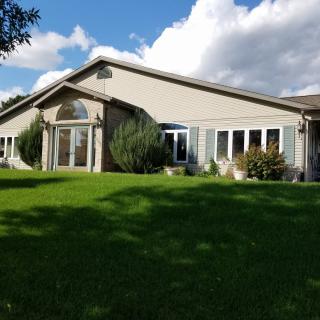
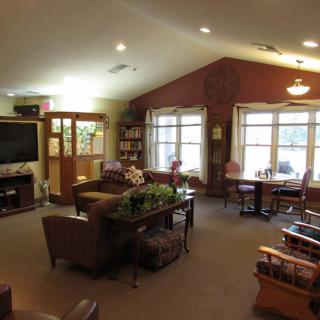
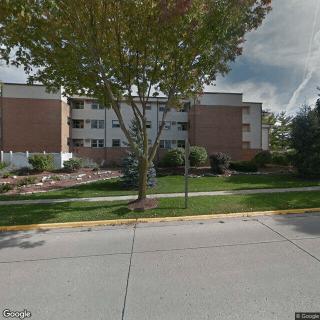
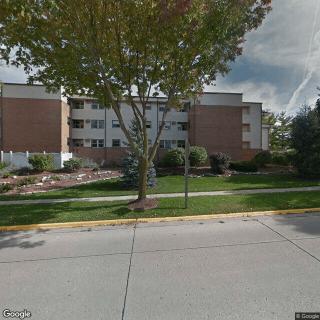
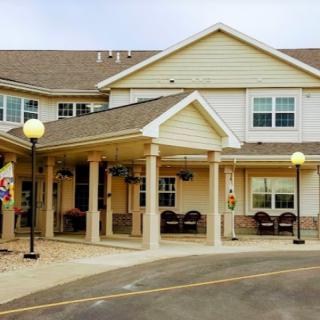
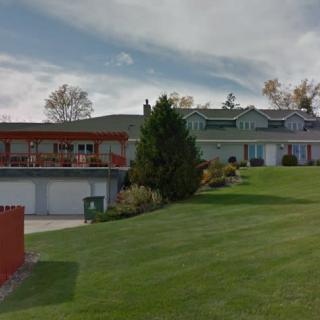
- The exterior is gorgeous and the common areas are appealing.
- Residents feel safe and well cared for in a clean, secure environment.
- The director and staff are exceptional and dedicated.
- Activities are stimulating and varied, including exercise classes, book readings, and arts and crafts.
Cons
 There has been too much turnover in staff.
- Laundry is not done in a timely manner and is often behind.
- Staffing is difficult at most assisted living facilities.
- There is concern that the great staff will leave if overtime continues.
- The facility looked rundown.
- It appeared to be an older building.
- The facility never returned the caller's call after the tour.
- The driveway isn’t plowed.
- The activities are nearly non-existent and the meals do not look appealing.
- The place did not seem clean and staff were gossiping.
- They would not put their mother there.
Review
Sylvan Crossings at Hunter Ridge is best suited for families seeking a warm, home-like assisted living experience in Beaver Dam, where daily life centers on meals, social programming, and a staff oriented toward personal warmth. This community works well for residents who need regular daily assistance but do not require high-acuity medical oversight. For families valuing a welcoming, familial atmosphere, reliable routines, and opportunities to stay engaged through activities and social events, Sylvan Crossings offers a compelling, down-to-earth option that feels like a small, caring community rather than a clinical setting.
Those most likely to want alternatives are families prioritizing pristine cleanliness, perfectly consistent staffing, and highly proactive, independent communication. If a resident requires near-constant clinical supervision, or if turnover and overtime pressure have caused instability in care delivery, another community with deeper staffing stability may be more reliable. Also, if a robust, uninterrupted activity calendar and consistently well-maintained facilities are essential, some other options may deliver a steadier-Day-to-day experience.
On the positive side, the community earns points for strong family communication and a move-in process that can go smoothly, which helps reduce initial anxiety for families. The meals are frequently praised as appealing and well-prepared, and the staff generally comes across as friendly and responsive when issues arise. Several families highlight meaningful opportunities for social engagement, arranged activities, a library, beauty services, and even a Sunday church gathering, creating a sense of belonging and normalcy. When leadership or a caregiver team is aligned with a resident’s needs, daily care and safety feel solid, and the atmosphere can feel genuinely home-like.
The principal concerns center on staffing consistency and building upkeep. Reviewers repeatedly flag ongoing turnover and overtime pressures, which can disrupt continuity of care and complicate scheduling. A number of accounts mention delays with housekeeping or care tasks and worry that overworked staff may not sustain the same level of attentiveness over time. The building itself is described by some visitors as dated or showing signs of age, and at least a few observations cite cleanliness or tidiness inconsistencies. In several visits, impressions of a less-than-pristine environment or a rushed tour experience left families unsure about what to expect day to day.
Despite the real strengths, the key pros do not completely neutralize the cons unless staffing stabilizes and maintenance standards improve. A calm, connected feel and strong family communication can offset occasional lapses in speed or polish, especially when a capable director coordinates responsive care. When activity programming is visible and well-supported, residents can thrive emotionally and socially, mitigating some concerns about routine rigidity. However, persistent turnover and cleanliness questions threaten reliability, and that risk can weigh heavily for families prioritizing predictability and seamless daily functioning.
For families seriously weighing Sylvan Crossings, approach the decision with a practical, stepwise plan. Schedule extended in-person time with the director to review current staffing ratios, turnover rates, and any overtime policies. Request a current activity calendar, a sample week of meals, and a walk-through of recent housekeeping standards. Meet front-line caregivers and, if possible, speak with current residents and their families about consistency and responsiveness. Check the cleanliness and safety of common areas and private rooms, and observe how staff respond to a simulated care need. If the answers align with expectations and the positives, warmth, meals, and engaging programming, hold steady, Sylvan Crossings can be a sound choice. If the gaps feel persistent or unmanaged, keep exploring other communities with a clearer track record of stability and pristine upkeep.
 21 resident community capacity
 Studio apartments
 Assisted Living
 Memory Care
 Cats allowed
 Activities off-site
 Bath tubs
 Beautician on-site
 Cable or satellite TV
 Devotional services off-site
 Dining room
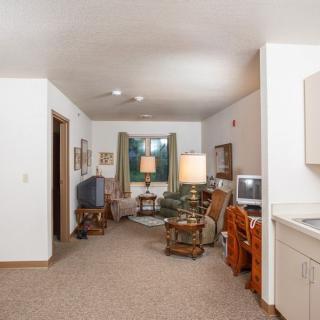
 Fully furnished
 Garden
 Housekeeping services
 Indoor common areas
 Kitchenette
 Move-in coordination
 Outdoor common areas
 Party space
 Restaurant-style dining
 Small library
 Telephone
 Wheelchair accessible showers
 Wi-Fi/high-speed internet available
 Transportation & parking
 24-hour call system
 Assistance with bathing
 Assistance with dressing
 Assistance with transfers
 Diabetes diet
 Diabetic care
 Incontinence care
 Medication management
 Mental wellness program
 Special dietary restrictions
 Walking wheelchair assistance
 BBQs or picnics
 Live dance or theater performances
 Live musical performances
 English

 When to Transition from Assisted Living to Memory Care: Key Indicators, Steps, and Finding the Right Community
 Understanding the Distinctions: Assisted Living and Memory Care Explained
 How to Communicate with a Loved One Living with Dementia: 10 Supportive Strategies