Landmark At Charleston House Cbrf in Beaver Dam, WI

Save

  • Interior

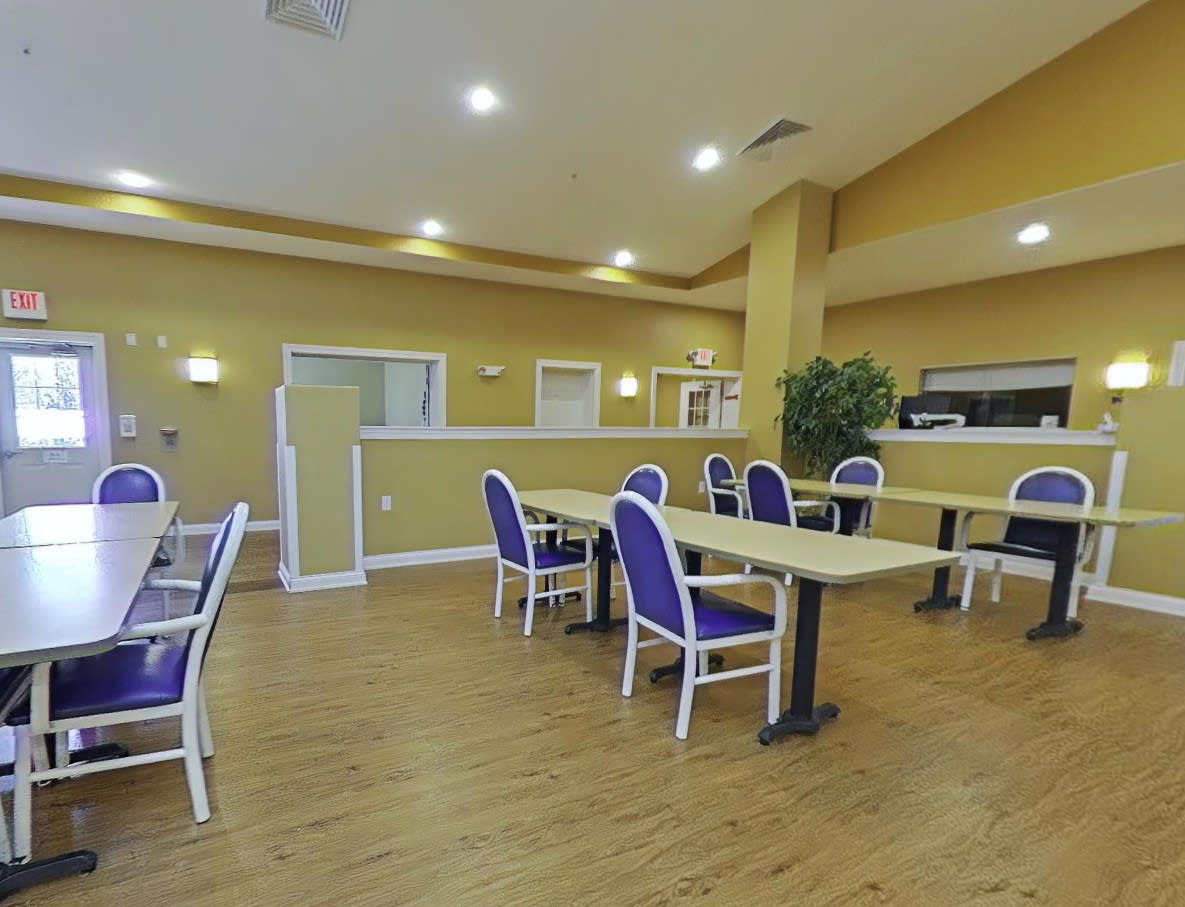
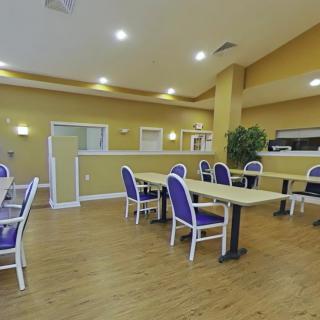
    A spacious dining area with wooden flooring, featuring multiple tables and chairs under bright lighting.
  • Decor

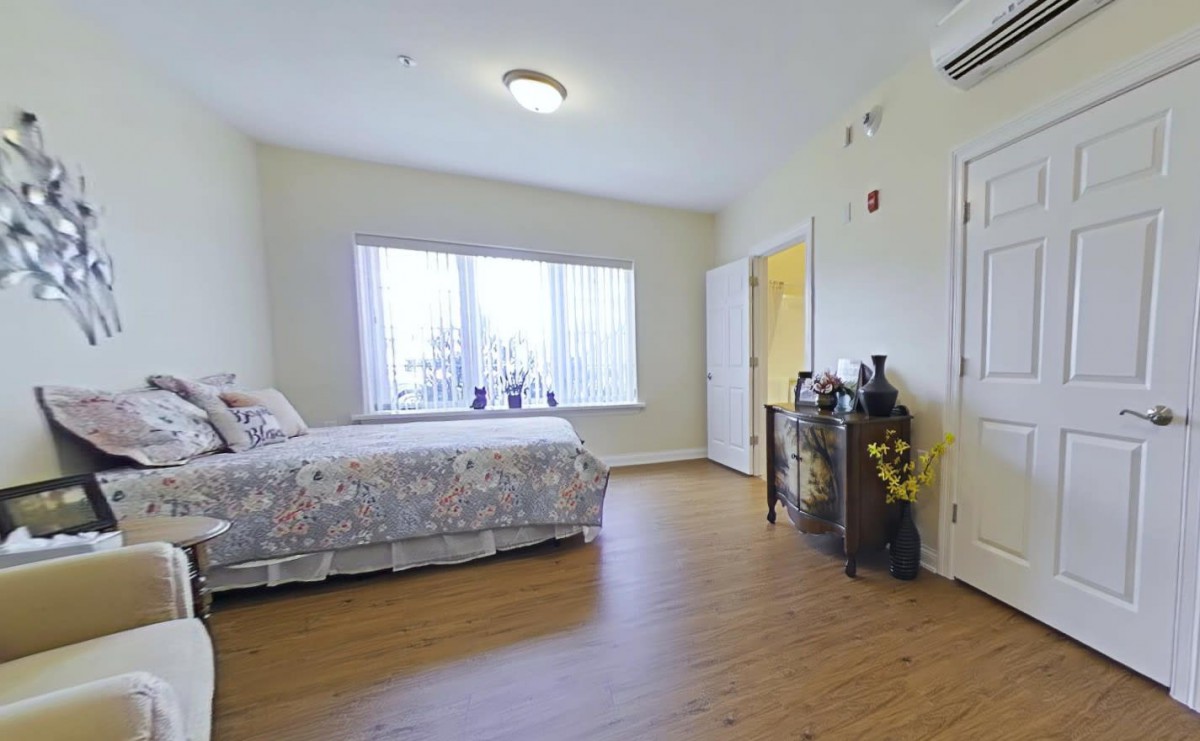
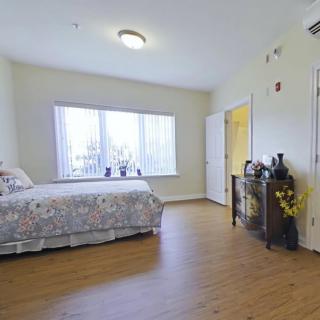
    A spacious bedroom with a single bed, large window, and wooden flooring.
  • Living Room

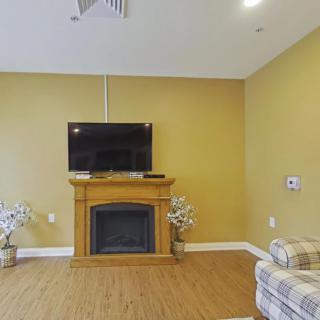
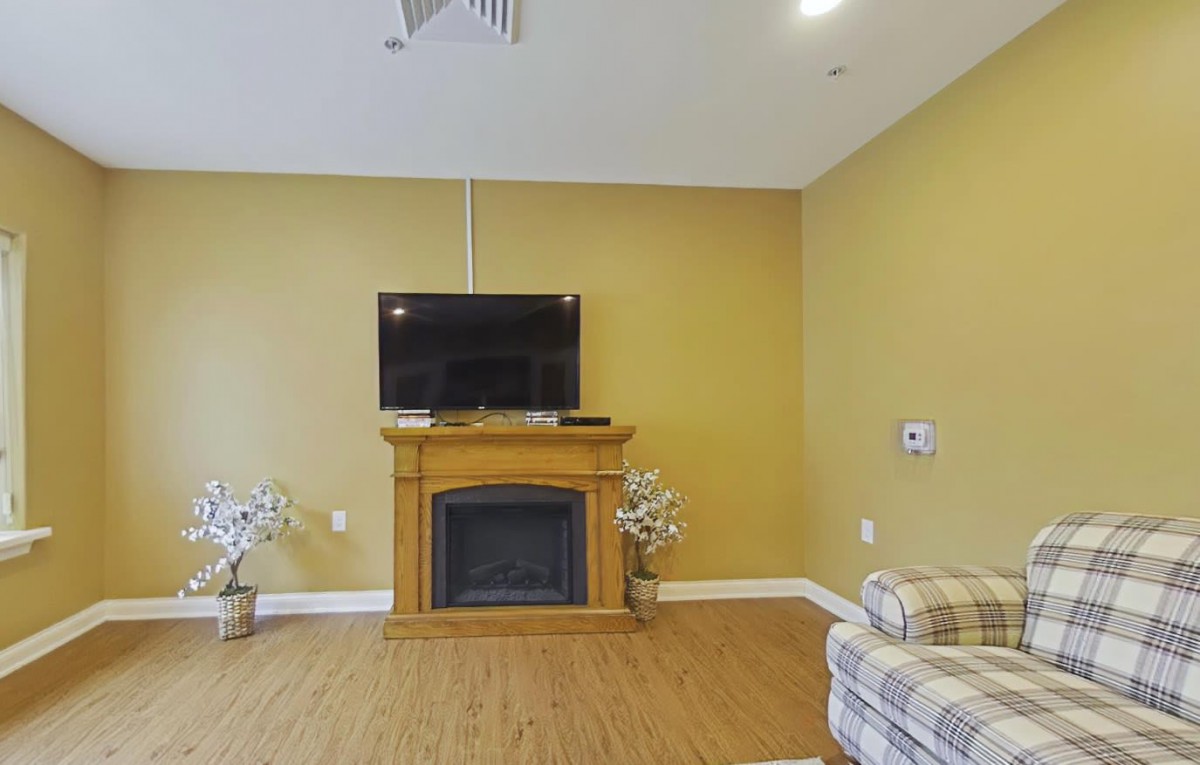
    A cozy living room with a wall-mounted television above a wooden fireplace, surrounded by classic decor and a comfortable sofa.
  • Building

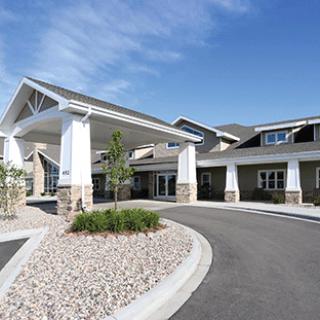
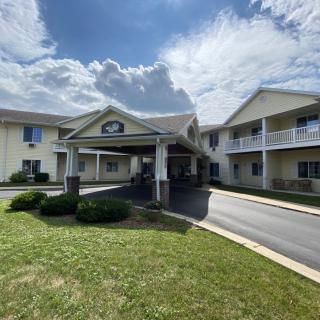
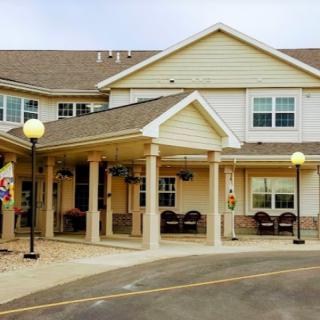
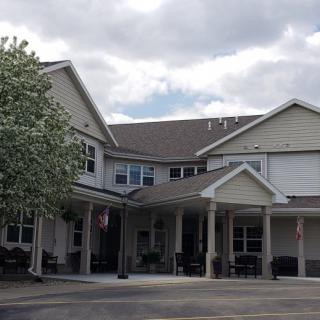
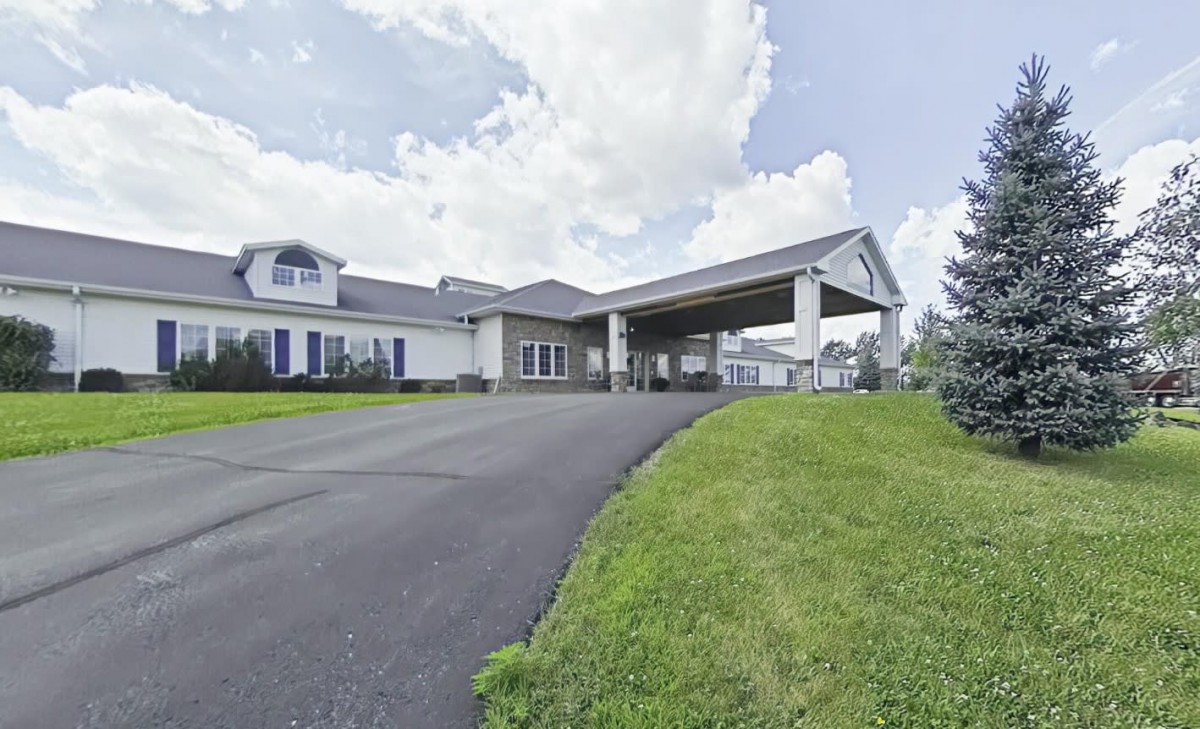
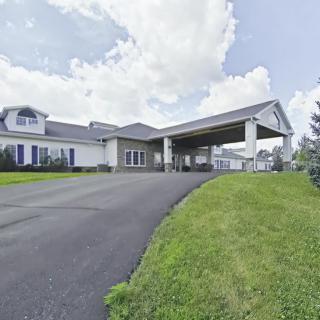
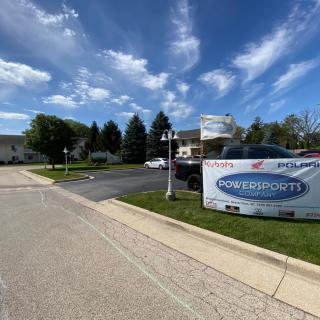
    A large building with a covered entrance and a wide driveway, surrounded by green lawns under a cloudy sky.
  • Lighting

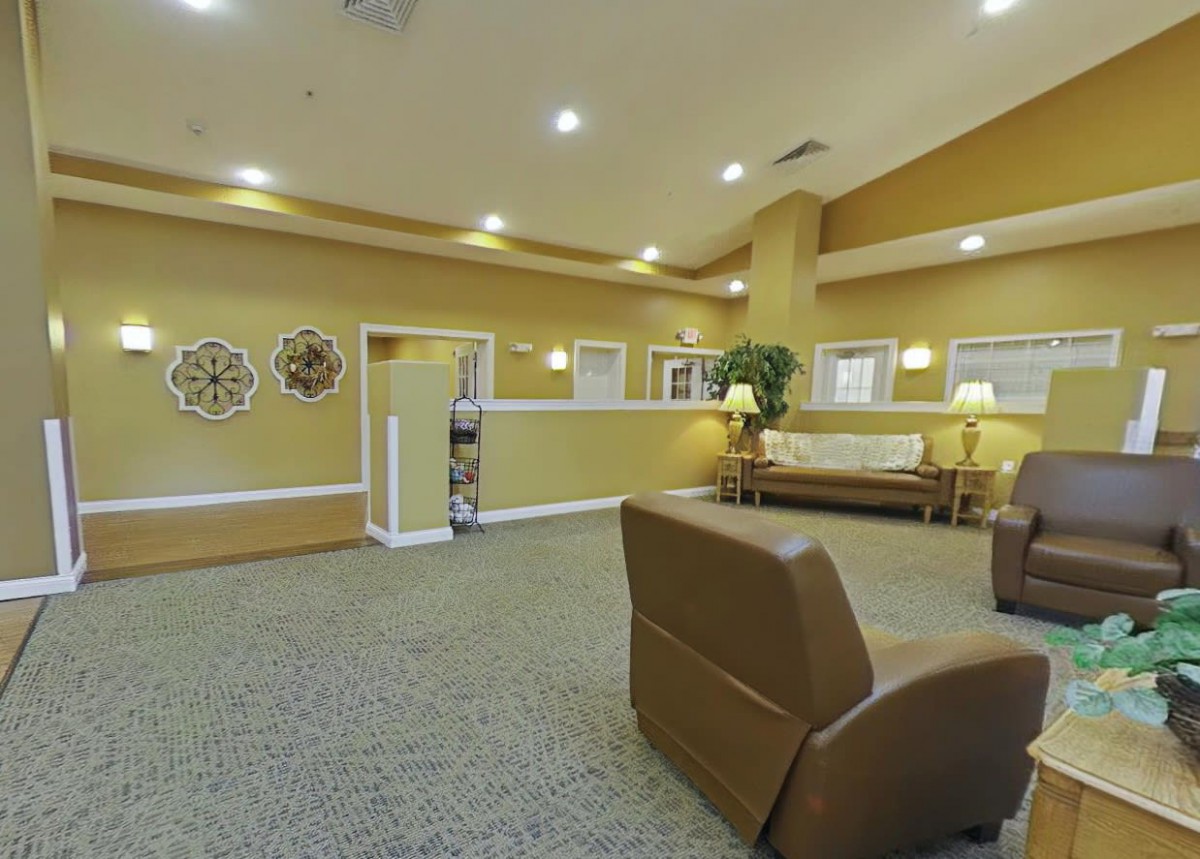
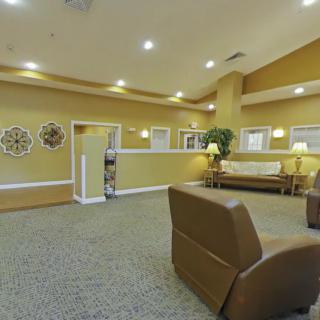
    A spacious and well-lit lobby featuring comfortable seating and decorative elements.
  • Floor Plan

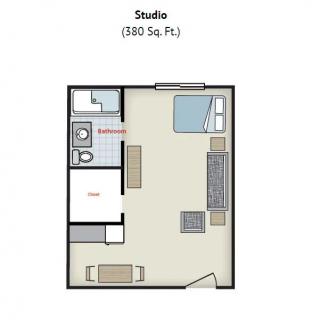
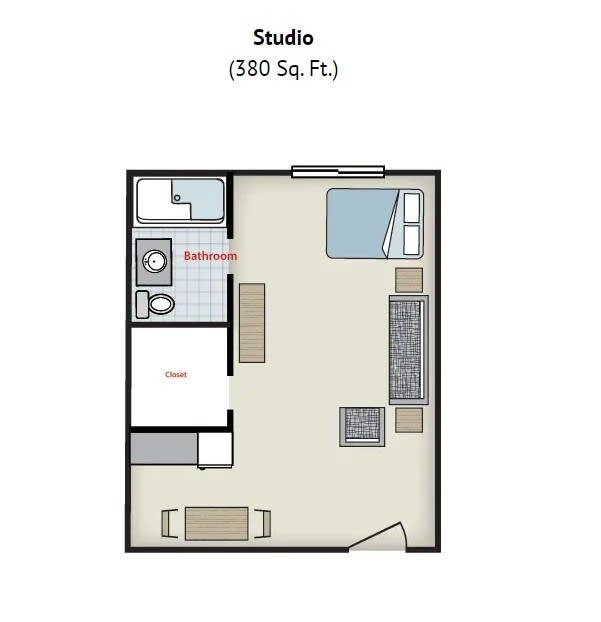
    Studio apartment floor plan (380 Sq. Ft.)
  • Outdoor

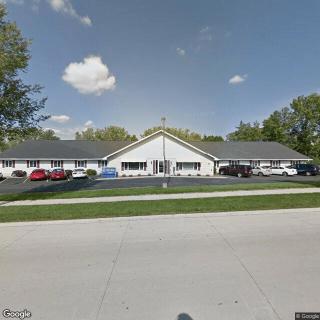
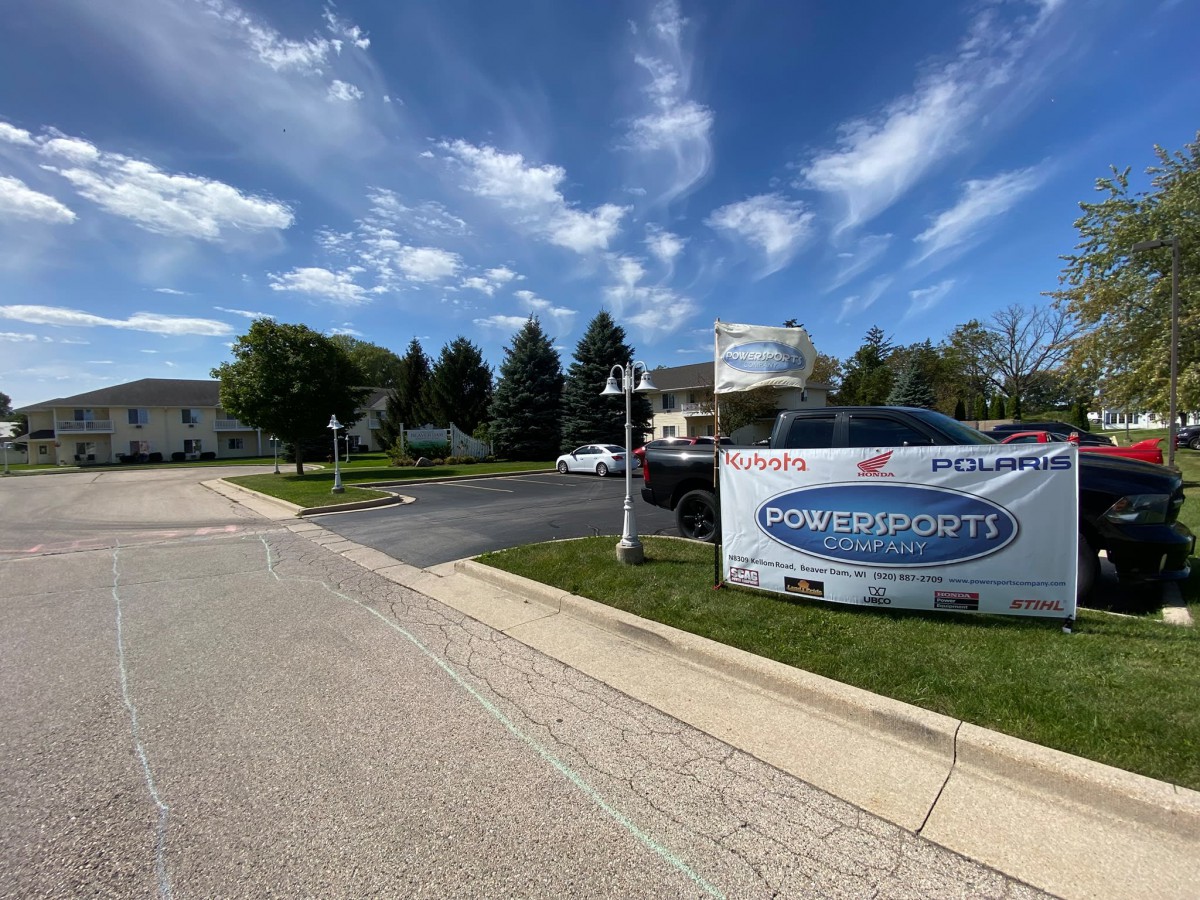
    An outdoor view of a healthcare clinic with a parking lot and clear blue skies.

Landmark At Charleston House Cbrf in Beaver Dam, WI

129 Evergreen Lane, Beaver Dam, WI 53916

For more information about senior living options: (844) 490-3973

4.1 from 8 reviews
5 stars
2
4 stars
5
3 stars
1
2 stars
0
1 stars
0

Assisted Living Memory Care

Landmark At Charleston House Cbrf Costs & Pricing

At Landmark At Charleston House CBRF, the monthly costs for care reflect a premium level of service and amenities compared to both Dodge County and the broader state of Wisconsin. For a semi-private room, residents can expect to pay $6,500 per month, which is significantly higher than the Dodge County average of $5,342 and substantially exceeds the state average of $3,977. Meanwhile, the cost for a one-bedroom unit stands at $8,000 per month, diverging even further from local and state averages - Dodge County records an average of $3,741 for similar accommodations, while Wisconsin's average is slightly lower at $3,412. This pricing indicates that Landmark At Charleston House positions itself as a provider focused on delivering high-quality care and an enriching living experience.

Floor plansLandmark At Charleston House CbrfDodge CountyWisconsin
Semi-Private$6,500$5,342$3,977
1 Bedroom$8,000$3,741$3,412

Overall Review of Landmark At Charleston House Cbrf

Pros

  • pro The caregivers are very good, and most of the staff are as well.
  • pro The facility is a very nice place.
  • pro The staff is tremendous in all aspects, and the atmosphere is great.
  • pro The apartments are clean and spacious.
  • pro Most staff are friendly and helpful.
  • pro The facility and grounds are absolutely beautiful and well kept.
  • pro The activity program has a lot going on and residents seem happy.

Cons

  • pro They need to hire more staff in several areas.
  • pro The interior is very dark and would benefit from a brightening paint job.
  • pro Not many meals or activities were offered.
  • pro The activity coordinator passes responsibilities to residents and favoritism is shown in games.
  • pro More staff are needed.
  • pro Communication is not very good and staff are hard to reach.
  • pro The reviewer would only recommend the community because of staffing issues.

Review

Landmark At Charleston House Cbrf in Beaver Dam is best suited for families seeking memory-care forward assisted living with consistently praised frontline caregiving, in a newer, clean, well-maintained environment that supports daily routines and social engagement. It fits residents who require dependable supervision and thoughtful care, and families who want transparent access to management and regular updates. The building's fresher condition and structured activities appeal to those who value a sanitary, orderly setting and a steady calendar of events, provided expectations about staffing levels are clearly aligned with reality. This community works best when there is a preference for a comparatively intimate atmosphere that centers on personal attention rather than sprawling, impersonal campuses.

Among the strongest positives are the caregivers and staff, who repeatedly receive high marks for capability and compassion. Families describe a team that shows genuine concern for residents, is responsive to questions, and maintains a respectful, supportive tone. Clean, spacious apartments and a generally welcoming environment reinforce the impression of a well-kept property. The activity program is described as active and varied, with opportunities for outings and on-site events, and management is typically accessible for conversations about concerns. The price point is perceived as favorable for the level of service, and the campus benefits from a newer, well-maintained setting that signals leadership pride. Taken together, these factors provide tangible daily comfort and predictability for residents and families alike.

Still, the most frequent caveat centers on staffing. Several reviewers urge a larger staff across departments, warning that overwork can dampen responsiveness and affect consistency of care. Communication gaps also surface - getting timely updates or reaching a caregiver can be challenging - and some feedback notes that day-to-day activity roles or scheduling are not as consistently organized as hoped. Ambient ambience matters too; dark interior tones and the call for a brighter paint refresh affect mood and perceived livability, even if they do not change care quality. Together, these issues create a risk that requires active management to prevent strain on both residents and families, especially in memory-care scenarios where timely, clear communication is crucial.

Those evaluating options should compare this campus with other Beaver Dam choices, particularly for families who prize steady, proactive communication and dependable staffing. A nearby facility - operated by a different owner - has earned praise for turnkey care, consistent staff availability, a robust activity calendar, and high-quality meals, setting a benchmark for what families might expect elsewhere. In short, if the priority is flawless access to staff, a consistently bright ambience, and strong day-to-day programming, it is reasonable to explore alternatives that regularly deliver on those dimensions. Landmark delivers solid core care and a supportive environment, but staffing consistency and communication remain legitimate reasons to look further.

When the caregiving team is praised for compassion and reliability, those strengths can offset the limitations caused by lean staffing at times. Families facing scheduling or communication hiccups often find relief in open management channels and transparent pricing, plus the peace of mind provided by a clean, secure setting. The fresh campus, predictable routines, and an active calendar offer meaningful engagement that reduces isolation and builds familiarity for residents. For memory care, where routine and trust are everything, the combination of attentive caregivers and a calm, well-maintained environment can outweigh periodic staffing strains, especially if leadership steps in to adjust staffing patterns as needed.

For families evaluating Landmark At Charleston House Cbrf, the prudent move is to verify current staffing levels, request a focused tour of memory-care supports, and ask about contingency plans during shifts with higher needs. Seek to speak with a front-line caregiver and, if possible, a family member of a current resident to understand real-time responsiveness. Inquire about bed availability, the specifics of the activities schedule, and how progress notes and family updates are communicated. If consistent access to staff, clear communication, and a bright, vibrant ambience are non-negotiables, consider alternatives; otherwise, this campus offers strong foundational care, a welcoming environment, and a value-forward price that can meet those stated priorities.

Features

Housing

  • 50 resident community capacity 50 resident community capacity

Types of Care

  • Assisted Living Assisted LivingAssisted living facilities provide crucial support and care for seniors who may need help with daily tasks such as medication management, bathing, and meal preparation. These communities offer a safe and comfortable environment where seniors can maintain their independence while receiving the assistance they need to thrive in their golden years.
  • Memory Care Memory CareMemory care is crucial for seniors as it provides specialized support and services for individuals with dementia or Alzheimer's disease. These programs offer a safe and secure environment where residents receive personalized care, cognitive stimulation, and help with daily activities. Memory care helps seniors maintain their independence, quality of life, and dignity while also providing peace of mind for their families.

Pets

  • Cats allowed Cats allowed"Pet friendly" senior living communities are important for seniors because pets provide companionship, reduce feelings of loneliness and depression, promote physical activity and mental stimulation, and offer a sense of purpose and responsibility. Pets can improve overall well-being and quality of life for seniors in many ways.
  • Dogs allowed Dogs allowed"Pet friendly" senior living communities are important for seniors because pets provide companionship, reduce feelings of loneliness and depression, promote physical activity and mental stimulation, and offer a sense of purpose and responsibility. Pets can improve overall well-being and quality of life for seniors in many ways.

Amenities

  • Activities off-site Activities off-siteEngaging in off-site activities is crucial for seniors to maintain social connections, stay active, and stimulate their minds. It promotes overall well-being and helps combat feelings of isolation and loneliness.
  • Activities on-site Activities on-siteActivities on-site are important for seniors because they provide opportunities for socialization, mental stimulation, physical activity, and overall well-being. Engaging in activities can help seniors stay active, maintain their independence, and improve their quality of life.
  • Air-conditioning Air-conditioningAir conditioning is important for seniors as they are more vulnerable to heat-related illnesses and may have underlying health conditions that make it difficult for them to regulate their body temperature. It helps to keep them comfortable, safe, and healthy in hot weather.
  • Beautician on-site Beautician on-siteHaving a beautician on-site at a senior living community is important for seniors as it allows them to easily access grooming and personal care services, boosting their self-esteem and overall well-being. It also provides convenience and helps seniors maintain their sense of independence and personal style.
  • Beauty salon Beauty salonBeauty salons are important for seniors because they provide a space for them to feel pampered, socialize, and maintain their personal grooming and hygiene. Regular visits to a beauty salon can help boost seniors' self-esteem and overall well-being.
  • Cable or satellite TV Cable or satellite TVCable or satellite TV is important for seniors because it provides entertainment, news, and companionship, helping to combat loneliness and boredom. It also offers a wide range of programming options tailored to different interests and preferences.
  • Devotional services on-site Devotional services on-siteDevotional services on-site provide seniors with spiritual support and a sense of community, as well as an opportunity for reflection and guidance during their senior living experience. This can promote emotional well-being and connection to others, leading to a more fulfilling and enriching lifestyle in their later years.
  • Dining room Dining roomDining rooms are important for seniors as they provide a space for socialization, connection, and nutritious meals. They offer opportunities for residents to bond over shared meals, foster a sense of community, and promote healthy eating habits. Dining rooms also ensure that seniors have access to well-balanced meals tailored to their dietary needs and preferences.
  • Fully furnished Fully furnishedFully furnished senior living communities are important for seniors because they provide convenience, comfort, and a hassle-free moving experience. Seniors can easily settle into their new living space without the stress of having to buy and move furniture. This allows them to focus on enjoying their new home and community.
  • Garden GardenGardens are important for seniors as they provide a peaceful and therapeutic environment for relaxation, physical activity, and socialization. Being in nature has been shown to reduce stress, improve mood, and promote overall well-being. Gardens also offer opportunities for seniors to engage in gardening activities, which can improve mobility, flexibility, and cognitive function. Additionally, gardens create a sense of community and connection with others who share a passion for plants and outdoor spaces.
  • Ground floor units Ground floor unitsGround floor units are important for seniors because they provide easy accessibility, reduced risk of falls and injuries, and convenience for those with mobility issues. Seniors can avoid climbing stairs or using elevators, making daily tasks and activities more manageable and enjoyable.
  • Handicap accessible Handicap accessible"Handicap accessible" amenities are crucial for seniors to ensure they can easily navigate and access facilities, services, and activities without barriers or limitations due to physical impairments. This promotes independence, safety, and inclusivity for seniors in senior living communities.
  • Housekeeping services Housekeeping servicesHousekeeping services are important for seniors because they help maintain a clean and safe living environment, promote independence, and reduce the risk of accidents or illnesses. Additionally, having assistance with household chores can alleviate physical strain and allow seniors to focus on other aspects of their well-being.
  • Indoor common areas Indoor common areasIndoor common areas are crucial for seniors as they provide a space for socialization, recreation, and community engagement, promoting overall well-being and reducing feelings of isolation and loneliness.
  • Kitchenette KitchenetteKitchenettes are important for seniors living in senior living communities because they provide the convenience and independence of being able to prepare simple meals and snacks in the comfort of their own living space. This can help promote a sense of autonomy and well-being for seniors, allowing them to maintain some level of control over their dietary choices and daily routines.
  • Move-in coordination Move-in coordinationMove-in coordination is important for seniors because it helps ease the transition into their new living environment. It ensures that all logistics, such as packing, organizing movers, and setting up utilities are taken care of, allowing seniors to focus on settling in and adjusting to their new home. Having a smooth move-in process can alleviate stress and anxiety, making the transition smoother and more enjoyable for seniors.
  • Outdoor common areas Outdoor common areasOutdoor common areas are important for seniors as they provide a space for socialization, physical activity, and relaxation. Being outside in nature can improve mood and overall well-being, while also encouraging movement and engagement with others. These spaces can help combat feelings of isolation and promote a sense of community among residents.
  • Outdoor space Outdoor spaceOutdoor spaces are important for seniors as they provide opportunities for physical activity, social interaction, exposure to natural light and fresh air, and a sense of connection to nature. Having access to outdoor spaces can improve overall well-being and quality of life for older adults living in senior communities.
  • Restaurant-style dining Restaurant-style diningRestaurant-style dining is important for seniors because it allows them to enjoy delicious, nutritious meals in a social and upscale setting. This enhances their dining experience, promotes healthy eating habits, and fosters socialization with fellow residents, ultimately contributing to their overall well-being and quality of life.
  • Small library Small librarySmall libraries are important for seniors as they provide access to a variety of reading materials, including books, newspapers, and magazines. This can help stimulate their minds, keep them engaged, and provide a sense of community through book clubs and other social activities. Additionally, reading has been shown to improve cognitive function and overall mental well-being in older adults.
  • Telephone TelephoneTelephones are important for seniors as they provide a lifeline for communication with loved ones, emergency services, and healthcare providers. They offer a sense of security and independence, enabling seniors to stay connected and access assistance when needed.
  • Wheelchair accessible showers Wheelchair accessible showersWheelchair accessible showers are crucial for seniors as they provide a safe and independent bathing option for those with mobility challenges. These showers help prevent falls and allow seniors to maintain their dignity and autonomy while ensuring they can bathe comfortably.
  • Wi-Fi/high-speed internet available Wi-Fi/high-speed internet availableWi-Fi/high-speed internet is important for seniors to stay connected with loved ones, access online resources, and participate in virtual activities to combat feelings of loneliness and isolation. It also allows them to easily manage healthcare needs, access entertainment, and engage in lifelong learning opportunities.

Care Services

  • 24-hour call system 24-hour call system24-hour call systems are important for seniors because they provide peace of mind and immediate assistance in case of emergencies. This technology ensures that help is always available, promoting safety and security for elderly individuals living alone or in assisted living facilities.
  • 24-hour supervision 24-hour supervision24-hour supervision is important for seniors to ensure their safety, well-being, and access to immediate assistance in case of emergencies or health issues. This constant support provides peace of mind for both seniors and their loved ones, allowing them to age in place with dignity and security.
  • Activities of daily living assistance Activities of daily living assistanceActivities of daily living assistance are important for seniors because they provide essential support with tasks such as eating, bathing, dressing, and mobility. This assistance helps seniors maintain their independence, dignity, and overall quality of life as they age.
  • Assistance with bathing Assistance with bathingAssistance with bathing is crucial for seniors as it helps maintain personal hygiene, prevents infections, and ensures their overall well-being and comfort. It also provides a sense of dignity and independence for seniors who may struggle with this task on their own.
  • Assistance with dressing Assistance with dressingAssistance with dressing is important for seniors because it helps maintain their independence, promotes personal hygiene, prevents accidents and injuries, and improves overall quality of life. This service ensures that seniors can continue to dress comfortably and confidently, despite any physical limitations they may have.
  • Assistance with transfers Assistance with transfersAssistance with transfers is crucial for seniors as it helps prevent falls and injuries, maintains their independence, and ensures they can safely navigate their living environment. It also provides peace of mind for both seniors and their loved ones.
  • Diabetes diet Diabetes dietA diabetes diet is crucial for seniors as it helps manage blood sugar levels, reduce risks of complications, and improve overall health and well-being. By following a balanced and nutritious diet tailored to their specific needs, seniors can better control their diabetes and enhance their quality of life.
  • Diabetic care Diabetic careDiabetic care is crucial for seniors as they are more susceptible to developing diabetes due to aging and other health conditions. Proper management of diabetes can help prevent complications such as heart disease, vision loss, and nerve damage, improving the overall quality of life for seniors in senior living communities.
  • Incontinence care Incontinence careIncontinence care is essential for seniors to maintain their dignity, hygiene, and overall quality of life. By addressing incontinence issues promptly and effectively, seniors can enjoy a sense of independence and comfort in their daily activities.
  • Meal preparation and service Meal preparation and serviceMeal preparation and service are crucial for seniors as they may have limited mobility or energy to cook nutritious meals. Having access to healthy and convenient food options can ensure they are getting the proper nutrition needed to maintain their overall health and well-being.
  • Medication management Medication managementMedication management is crucial for seniors to ensure they are taking the right medications at the correct dosages and times. This helps prevent adverse drug interactions, reduces the risk of medication errors, and promotes overall health and well-being. Proactive management also allows for adjustments as needed based on changing health conditions or new prescriptions.
  • Mental wellness program Mental wellness programMental wellness programs are essential for seniors as they promote cognitive stimulation, emotional support, and social engagement. These programs help prevent isolation, depression, and cognitive decline, ultimately enhancing the overall quality of life for older adults.
  • Mild cognitive impairment Mild cognitive impairment"Mild cognitive impairment" is important for seniors because it is an early stage of cognitive decline that can potentially progress to more severe conditions such as dementia. Recognizing and addressing mild cognitive impairment can help seniors receive appropriate care and support to maintain their quality of life and independence for as long as possible.
  • Special dietary restrictions Special dietary restrictionsSpecial dietary restrictions are important for seniors because age-related changes in metabolism and health conditions can make it difficult for their bodies to process certain foods. By following a diet tailored to their specific needs, seniors can maintain their overall health and well-being, manage chronic conditions, and reduce the risk of complications such as malnutrition or food interactions with medications.
  • Specialized memory care programming Specialized memory care programmingSpecialized memory care programming is crucial for seniors with cognitive impairments such as dementia or Alzheimer's disease. These programs provide a safe and supportive environment tailored to the unique needs of individuals with memory loss, helping them maintain their independence, dignity, and quality of life.

Dining

  • Diabetes diet Diabetes dietA diabetes diet is crucial for seniors as it helps manage blood sugar levels, reduce risks of complications, and improve overall health and well-being. By following a balanced and nutritious diet tailored to their specific needs, seniors can better control their diabetes and enhance their quality of life.
  • Guest meals Guest mealsGuest meals are important for seniors living in senior living communities because they provide an opportunity for socialization and companionship. Sharing a meal with friends, family, or new acquaintances can help combat feelings of loneliness and isolation, promote a sense of community, and enhance overall well-being. Additionally, guest meals allow seniors to enjoy delicious food in a comfortable setting without the hassle of cooking or cleaning up, making dining a pleasurable and stress-free experience.
  • Low / no sodium Low / no sodiumLow/no sodium options are important for seniors because excessive sodium intake can lead to high blood pressure, heart disease, and other health issues commonly experienced by older adults. By choosing low/no sodium foods, seniors can better manage their health and reduce their risk of developing these conditions.
  • Meals provided Meals provided"Meals provided" are crucial for seniors in assisted living communities as it ensures they have access to nutritious, balanced meals without the stress of meal planning and preparation. This can help promote overall health and well-being for seniors who may have limited mobility or cognitive abilities.
  • No Sugar No SugarNo sugar diets are important for seniors because they can help prevent or manage chronic conditions such as diabetes, heart disease, and obesity. Sugar can also contribute to cognitive decline and inflammation in the body, so reducing sugar intake can lead to overall improved health and well-being in older adults.
  • Professional chef Professional chefProfessional chefs are important for seniors living in senior living communities because they provide nutritious and delicious meals that cater to their dietary needs and preferences. A professional chef can ensure that seniors are receiving balanced, flavorful meals that support their overall health and well-being.
  • Restaurant style dining Restaurant style diningRestaurant style dining is important for seniors as it offers them a social and enjoyable dining experience, promotes healthy eating habits, and provides personalized menu options to cater to their dietary needs and preferences. This type of dining setting can enhance their overall quality of life and create a sense of community within the senior living facility.
  • Special dietary restrictions Special dietary restrictionsSpecial dietary restrictions are important for seniors because age-related changes in metabolism and health conditions can make it difficult for their bodies to process certain foods. By following a diet tailored to their specific needs, seniors can maintain their overall health and well-being, manage chronic conditions, and reduce the risk of complications such as malnutrition or food interactions with medications.

Activities

  • Art classes Art classesArt classes are important for seniors because they provide a creative outlet, improve cognitive function, reduce stress and anxiety, promote socialization, and enhance overall well-being and quality of life.
  • Brain fitness Brain fitnessBrain fitness is important for seniors as it helps to maintain cognitive function, memory, and overall mental well-being. Engaging in activities that challenge the brain can help prevent cognitive decline and promote a healthier, more fulfilling quality of life in older adults.
  • Community-sponsored activities Community-sponsored activitiesCommunity-sponsored activities are important for seniors as they provide opportunities for social interaction, mental stimulation, and physical activity. These activities can help improve overall well-being, combat loneliness and isolation, and promote a sense of belonging and purpose among older adults.
  • Day trips and outings Day trips and outingsDay trips and outings are important for seniors as they provide opportunities for socialization, mental stimulation, physical activity, and a break from daily routines. These experiences can enhance overall well-being and quality of life for older adults living in senior communities.
  • Devotional activities on-site Devotional activities on-siteDevotional activities on-site provide seniors with a sense of community, spiritual fulfillment, and emotional support, promoting overall well-being and a positive sense of purpose in their lives.
  • Educational speakers / life long learning Educational speakers / life long learningEducational speakers and lifelong learning opportunities are crucial for seniors as they provide mental stimulation, promote social engagement, and contribute to overall well-being. Continuous learning helps seniors stay mentally sharp, build new skills, and maintain a sense of purpose and fulfillment in their lives. It also allows them to stay connected to the world around them and fosters a sense of community within senior living facilities.
  • Karaoke KaraokeKaraoke provides seniors with a fun and social activity that can boost mood, confidence, and cognitive function. It encourages social interaction, physical movement, and creative expression, making it an important form of entertainment for senior living communities.
  • Live dance or theater performances Live dance or theater performancesLive dance or theater performances are important for seniors because they provide opportunities for socialization, mental stimulation, and emotional engagement. These performances can help combat feelings of isolation and loneliness, while also offering a sense of connection to the arts and culture. Additionally, watching live performances can bring joy and create lasting memories for seniors in their later years.
  • Live musical performances Live musical performancesLive musical performances can provide seniors with a sense of joy, nostalgia, and connection. Music has the power to evoke emotions and memories, improve mood and cognitive function, and foster social interaction among seniors. It can also serve as a form of therapy and stress relief for older adults, making it an important activity to include in senior living communities.
  • Other religious services Other religious servicesOther religious services are important for seniors as they provide a sense of community, spiritual comfort, and opportunities for socializing. These services can help seniors feel connected to their faith and maintain a sense of purpose and belonging in their later years.
  • Resident-run activities Resident-run activitiesResident-run activities are important for seniors as they encourage social interaction, creativity, and a sense of autonomy. These activities empower seniors to stay engaged and active in their community while fostering meaningful connections with their peers.
  • Scheduled daily activities Scheduled daily activitiesScheduled daily activities are important for seniors because they provide structure, socialization, mental stimulation, and physical activity. Engaging in regular activities can improve overall well-being and quality of life for seniors living in a community setting.
  • Stretching classes Stretching classesStretching classes are important for seniors because they help improve flexibility, reduce the risk of injury, and promote overall health and well-being. Regular stretching can also help alleviate joint pain and stiffness, enhance balance and coordination, and increase range of motion.
  • Trivia games Trivia gamesTrivia games are important for seniors because they provide mental stimulation, social interaction, and a fun way to keep the mind sharp. They can help improve memory, cognitive function, and overall well-being in older adults.

Description

Landmark At Charleston House Cbrf in Beaver Dam, WI is an assisted living community that specializes in Memory Care. Our dedicated staff provides 24-hour supervision and assistance with activities of daily living, including bathing, dressing, and transfers. We offer specialized memory care programming for individuals with mild cognitive impairment and provide diabetic care and a diabetes diet.

At Landmark At Charleston House Cbrf, we believe in providing a comfortable and enjoyable environment for our residents. Our fully furnished apartments are designed to be handicap accessible and feature air-conditioning, cable or satellite TV, and Wi-Fi/high-speed internet. We also have ground floor units available for convenience.

Our community offers a variety of amenities to enhance the lives of our residents. We have a range of activities on-site to keep our residents engaged and entertained, such as brain fitness exercises, live dance or theater performances, trivia games, and stretching classes. Residents can enjoy the outdoors in our garden and outdoor common areas or relax indoors in our indoor common areas or small library.

Meals at Landmark At Charleston House Cbrf are prepared by a professional chef and served restaurant-style in our dining room. We accommodate special dietary restrictions such as low/no sodium, no sugar, and provide meal preparation services. Guest meals are also available for family and friends to join.

Our community is conveniently located near various amenities such as cafes, parks, pharmacies, physicians' offices, restaurants, transportation options, places of worship, and hospitals.

At Landmark At Charleston House Cbrf, we strive to provide exceptional memory care services while promoting mental wellness and offering a vibrant social environment for our residents.

Nearby Places of Interest

This part of Beaver Dam, Wisconsin, offers a variety of amenities and services that cater to seniors looking to enjoy a comfortable and convenient lifestyle. With several restaurants, cafes, and pharmacies within close proximity, residents have easy access to dining options and essential healthcare needs. Additionally, there are multiple places of worship in the area for those seeking spiritual fulfillment. For those who enjoy outdoor activities, there are several parks nearby for leisurely walks or picnics. Medical services are readily available with physicians' offices and a hospital located within a short distance. Transportation options such as airports and railroads offer connectivity for travel needs. Overall, this part of Beaver Dam presents a well-rounded community where seniors can find support and enjoyment in their daily lives.

Restaurants

  • Bayside Supper Club (0.4 miles)
  • Johnny's Lounge (0.5 miles)
  • Ming's Garden (1 miles)
  • Boy Blue Dairy Treat Store (1.2 miles)
  • Voelker's Steak House (1.3 miles)
  • Bell (1.7 miles)
  • La Tapatia (1.8 miles)

Places of Worship

  • Crosswalk Community Church (0.8 miles)
  • Wels (0.9 miles)
  • Change of Heart Ministry Center (1.1 miles)
  • Key William (1.1 miles)
  • Church of Christ (1.3 miles)
  • Peace Lutheran Church (1.6 miles)
  • Cornerstone Baptist Church (2.1 miles)

Cafes

  • Black Waters Coffee (0.9 miles)
  • Park Avenue Sports Cafe (1.8 miles)
  • Nunatak Coffee (3.5 miles)

Parks

  • Beaver Dam Parks & Recreation (1.2 miles)
  • Swan Park (1.3 miles)
  • Lakeview Park (1.4 miles)
  • Lincoln Park (1.5 miles)
  • Waterworks Park (1.8 miles)
  • Beaver Dam Disc (2.7 miles)
  • Edgewater Dog Park (3.1 miles)

Physicians

  • Beaver Dam Family Hearing Care (1.3 miles)
  • Uw Health (1.3 miles)
  • Excel Orthopedics (1.3 miles)
  • Medical Associates-Beaver Dam (1.3 miles)
  • Bert C Callahan (1.3 miles)
  • Dean Specialty Clinic-Beaver Dam (1.4 miles)
  • Community Pediatrics (1.6 miles)

Hospitals

  • Stone Terrace Residential Care Apartment Complex (1.3 miles)
  • Beaver Dam Community Hospital (1.4 miles)
  • INTEGRATED Repair & Info Service (11.4 miles)

Pharmacies

  • Thrifty White Pharmacy (1.4 miles)
  • Home Town Pharmacy (1.4 miles)
  • Walgreens (1.7 miles)
  • Green Acres CBD (1.9 miles)
  • Walmart Pharmacy (3.6 miles)
  • Village Pharmacy (9.9 miles)
  • Randolph Hometown Pharmacy (9.9 miles)

Transportation

  • Tails Wildlife Studio (1.5 miles)
  • Wisconsin Aviation (8 miles)
  • Dodge County Airport (UNU) (8 miles)
  • Riverview Taxidermy (10 miles)
  • Wis & Southern Railroad Co. (10.8 miles)
  • Amtrak (10.8 miles)

Frequently Asked Questions

How much does it cost to live at Landmark At Charleston House Cbrf in Beaver Dam, WI?
Where is Landmark At Charleston House Cbrf?
Does Landmark At Charleston House Cbrf provide care for residents with dementia or Alzheimer's disease?
Does Landmark At Charleston House Cbrf allow residents to have pets?
What photos are available for Landmark At Charleston House Cbrf in Beaver Dam, Wisconsin?

Nearby Communities

  • Charleston House Assisted Living

    Charleston House Assisted Living

    Beaver Dam, WI

    4.5 from 50 reviews
    $3,800 to $4,400 / month

    pro Friendly, attentive staff with a strong activity program and clean, comfortable spaces.

  • Beaver Dam Assisted Living

    Beaver Dam Assisted Living

    Beaver Dam, WI


  • Arcadia Communities

    Arcadia Communities

    Beaver Dam, WI

    4.7 from 7 reviews
     

    pro 24/7 supervision with comprehensive memory care and engaging activities.

  • Bay Harbor at Arcadia Memory Care & Assisted Living

    Bay Harbor at Arcadia Memory Care & Assisted Living

    Beaver Dam, WI

    4.3 from 13 reviews
    $4,500 to $6,000 / month

    pro Caring, attentive staff in a clean, quiet setting with an involved director.

  • Trosten Haus

    Trosten Haus

    Beaver Dam, WI


    pro Specialized memory care with 24-hour supervision, medication management, and engaging activities in a comfortable, amenities-rich setting.

  • Charlton House Adult Family Home

    Charlton House Adult Family Home

    Beaver Dam, WI


    pro Intimate 4-resident setting with comprehensive ADL support, 24/7 supervision, and diabetes-friendly dining.

  • Eagle's Wings

    Eagle's Wings

    Beaver Dam, WI

    4.5 from 2 reviews
     

    pro Beautiful grounds and engaging common spaces.

  • The Meadows Of Fall River

    The Meadows Of Fall River

    Fall River, WI

    4.7 from 51 reviews
     

    pro Clean, well-maintained facility with attentive staff and engaging memory-care options.

  • The Meadows of Fall River

    The Meadows of Fall River

    Fall River, WI

    4.8 from 93 reviews
    $3,150 to $4,300 / month

    pro Friendly, attentive staff with engaging activities in a homey, well-maintained environment.

Related Resources

  • how to talk to someone with dementiaHow to Communicate with a Loved One Living with Dementia: 10 Supportive Strategies
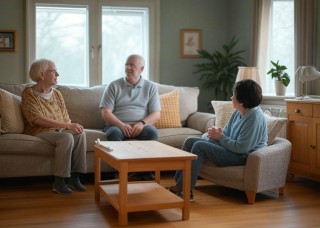
    The article outlines effective communication strategies for interacting with loved ones with dementia, highlighting the need for empathy, patience, and understanding while emphasizing supportive approaches like using simple language, minimizing distractions, and focusing on feelings over facts to maintain dignity and foster connection. It also suggests seeking professional guidance when needed as communication challenges evolve.

  • va nursing homeComprehensive Guide to VA Nursing Homes: A Crucial Long-Term Care Resource for Veterans

    VA nursing homes, or Community Living Centers (CLCs), offer tailored long-term care for veterans, featuring medical attention and rehabilitation in a supportive environment. The guide covers facility types, eligibility criteria, financial assistance options, quality of care standards, and alternatives to full-time nursing home placement.

  • in home dementia care costsEstimating the Expenses of At-Home Dementia Care: A Detailed Exploration
    At-home dementia care expenses vary widely based on care levels, location, and caregiver expertise, with monthly costs for home health aides exceeding $4,500 and specialized care potentially surpassing $100,000 annually. While families favor in-home care for its comfort and personalized attention, they must consider financial planning and the challenges of caregiver fatigue.