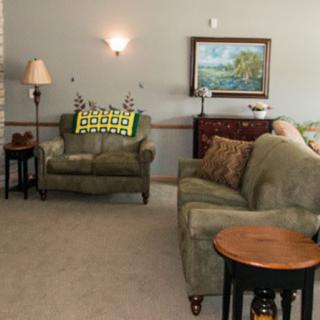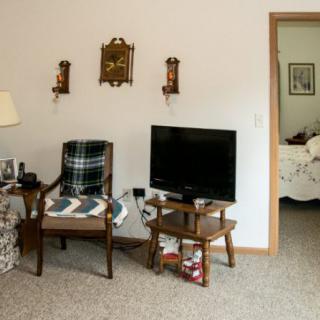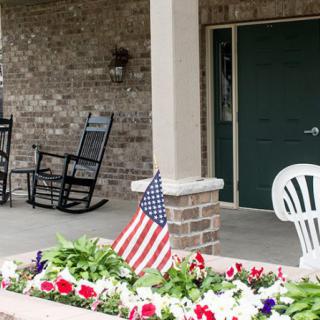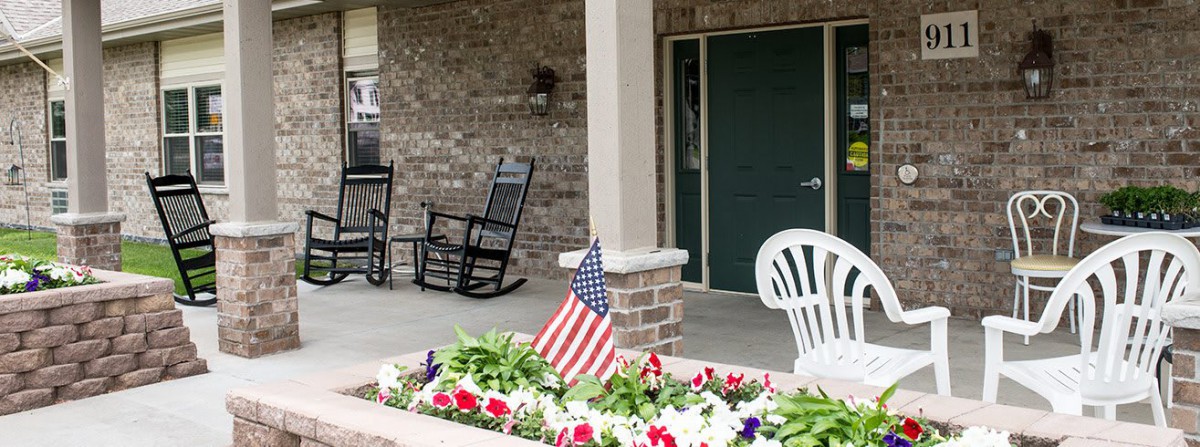
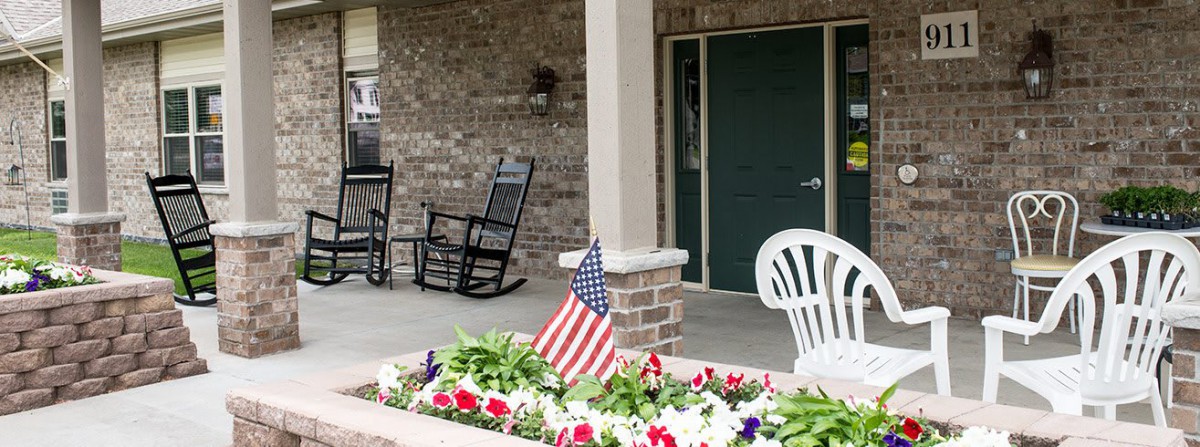
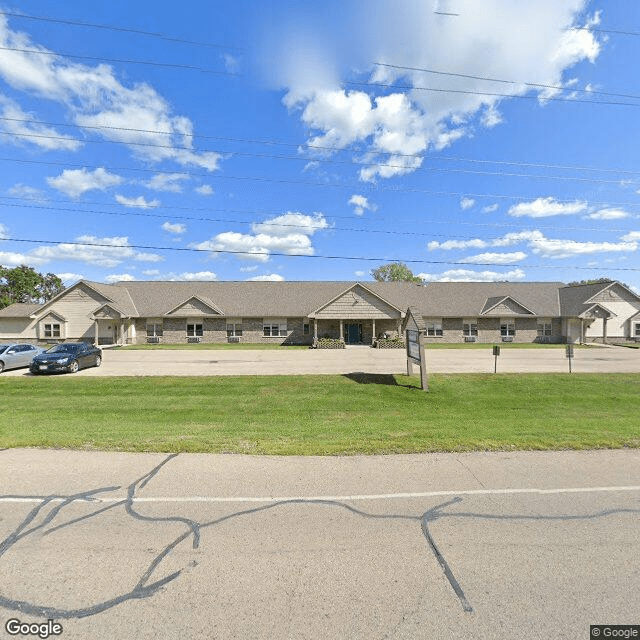
911 S Center St, Beaver Dam, WI 53916
To contact a resident: (920) 219-9517
For more information about senior living options: (866) 208-4318
Bay Harbor at Arcadia Memory Care & Assisted Living Costs & Pricing
Bay Harbor at Arcadia Memory Care & Assisted Living offers a competitive pricing structure for its residents, particularly when compared to the broader market in Dodge County and Wisconsin. For a studio room, the monthly rate is $4,500, which is notably higher than the county average of $3,563 and the state average of $3,999. This premium could be indicative of enhanced services or amenities provided at Bay Harbor. In terms of one-bedroom accommodations, the cost rises to $6,000, significantly surpassing both Dodge County's rate of $3,741 and Wisconsin's average of $3,412. While these rates may reflect a higher investment in quality care or specialized services tailored for residents with memory care needs, they also position Bay Harbor as a distinctive choice within the region's assisted living landscape.
| Floor plans | Bay Harbor at Arcadia Memory Care & Assisted Living | Dodge County | Wisconsin |
|---|---|---|---|
| Studio | $4,500 | $3,563 | $3,999 |
| 1 Bedroom | $6,000 | $3,741 | $3,412 |
Memory care communities with a similar price nearby
-
from -$650 / mo
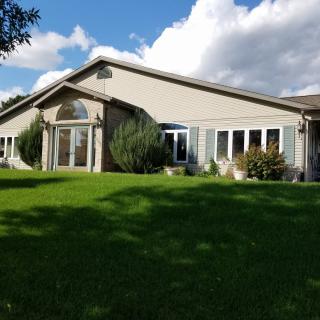
So Close To Home
$3,850 to $6,112 / month21.2 miles away -
from -$800 / mo
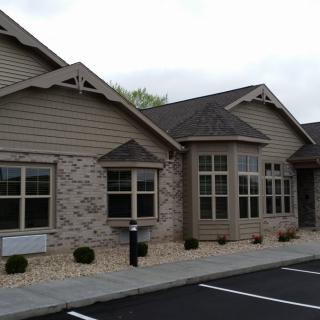
Lilac Springs Assisted Living
$3,700 to $7,000 / month24.9 miles away -
from +$400 / mo

Sunset Ridge Assisted Living
$4,900 to $5,645 / month24.5 miles away -
from -$377 / mo
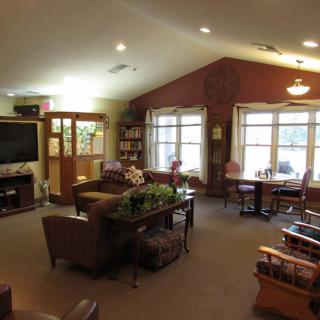
Highland House
$4,123 / month18.4 miles away -
About the same
Touchstone of Mayville
$4,500 / month15.1 miles away
Overall Review of Bay Harbor at Arcadia Memory Care & Assisted Living
Pros
 The community is very welcoming, eager to help, and friendly, with great communication.
- The facility has an amazing staff.
- The facility exudes trust, with staff invested in residents' care and a warm director who motivates the team.
- The staff are attentive, caring, and respectful, and the facility is clean and comforting.
- Bay Harbor shows positivity, with a team that works hard to keep residents happy and comfortable, making every day great.
- Autumn and the caregivers are terrific, with a high caregiver-to-resident ratio and well-trained, long-serving staff.
- Arcadia is a clean, quiet facility with very nice staff and excellent care.
Cons
 The reviewer was not impressed with the facility; cleanliness and the overall layout were unattractive, with a bed on the floor, carpet stains, and a running toilet, and staff did not greet them upon entry.
- The reviewer observed that some staff pay more attention than others, and upper management seemed unresponsive with lax communication.
- The reviewer felt the needs of someone with early-onset Alzheimer's were greater than what the facility could provide.
- The reviewer noted that response times to resident call buttons could be improved.
- The reviewer criticized the meals as dry and salty, and expressed dissatisfaction with the new menu changes and lack of from-scratch cooking.
Review
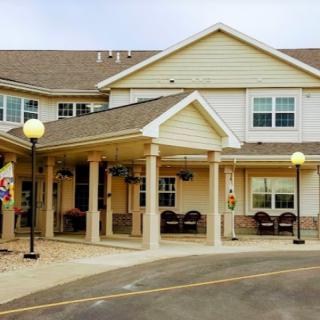
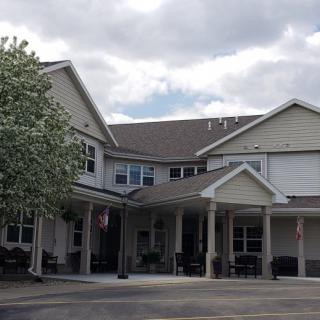
Bay Harbor at Arcadia Memory Care & Assisted Living in Beaver Dam, WI is best suited for families prioritizing warmth, consistency, and a tightly run, resident-centered environment. The community exudes trust, with staff and leadership clearly invested in daily dignity and comfort. A newer, cozy building paired with a strong caregiver-to-resident rhythm creates a setting where memory-care residents can expect steady routines, respectful interactions, and reliable family communication. The director’s optimistic leadership and the team’s evident commitment translate into a culture where residents feel safe, valued, and understood from shift to shift.
Yet certain needs push families to consider alternatives. For residents with early-onset or particularly complex memory challenges, the care model here may fall short of the depth required, despite the evident kindness and attentiveness. Several reviews flag uneven upkeep in some areas, including carpet stains and an occasionally judgmental layout, plus a bed left unassembled and a running toilet noted during a visit. Food service has shifted to a new provider, and the resulting menu and cooking approach have not consistently impressed. More critically, upper-management communication and responsiveness are not uniformly strong, which can translate into delayed answers or unclear next steps for concerned families.
Despite these caveats, the core strengths are meaningful and address the most immediate family concerns. The staff are described as attentive, well-trained, and respectful, with a favorable caregiver-to-resident ratio that supports prompt help and meaningful, ongoing engagement. Cleanliness and comfort remain notable positives, and the atmosphere carries a genuine warmth reinforced by frontline caregivers who know residents by name and history. The director’s involvement, her visible warmth and active leadership, helps sustain morale and a sense of partnership with families, which can reduce anxiety about long-term care decisions and daily routines.
The main drawbacks deserve careful consideration. Inconsistencies in staff attention and occasional lapses in greeting or proactive communication can undermine trust, especially for families relying on clear updates about a loved one’s progress. The memory-care component, while valued, may not provide the高度 degree of personalized programming some residents require, particularly those with more advanced or behaviorally complex needs. Dining changes, with a chef on site but a menu not always tailored to residents’ preferences, contribute to a mixed experience at meals. And while response times to call buttons are not universally unacceptable, they do have room for improvement, a factor that can influence perceptions of safety and reassurance during the day and night.
On balance, families should weigh the tangible positives against the notable caveats with a practical lens. The community’s biggest advantages, genuine warmth, consistent staff dedication, and a calm, clean environment, offer meaningful protection against daily stressors and help residents settle into a predictable rhythm. Observers are encouraged to verify the current staffing patterns specifically within the memory-care area, request concrete metrics on call-button responsiveness, and sample the menu to understand how meals will actually feel on a day-to-day basis. Touring with a focus on meeting multiple frontline staff and the director can illuminate whether the promised culture of care translates into reliable, day-to-day experience for a particular loved one.
In the end, Bay Harbor is a solid, results-oriented choice for families seeking a hospitable, well-supported memory-care and assisted-living environment. It delivers a practical blend of warmth, respect, and dependable daily care that can ease the transition to assisted living and sustain peace of mind for loved ones and families alike. Those pursuing highly specialized memory-support for complex or early-onset cases, or those who demand uniformly flawless management responsiveness and scratch-cooked meals, should explore alternatives and compare options carefully. A candid tour, transparent discussion with the director, and a clear plan for ongoing communication will reveal whether this community’s strengths align with the resident’s needs and the family’s expectations.
 Assisted Living
 Memory Care
 Activities on-site
 Devotional services off-site
 Indoor common areas
 Respite or short term stays offered
 Wheelchair accessible showers
 Diabetic care
 Incontinence care
 Meals provided


 Choosing the Right Senior Care: A Detailed Exploration of Assisted Living and Nursing Homes
 Safeguarding Your Memory Through the Golden Years: Eight Ways to Preserve Cognitive Health
 Comprehensive Insights into Activities of Daily Living (ADLs) and Their Assessment