Rem Krista Court is an assisted living community in Baraboo, WI.
Information last verified:
300 Krista Court, Baraboo, WI 53913
For more information about senior living options: (866) 208-4318
3 from 34 reviews
5 stars
16
4 stars
1
3 stars
0
2 stars
2
1 stars
15
Overall Review of Rem Krista Court
common10 reviews mention this
Repairs and communication feel responsive
Residents describe staff who respond quickly and follow through on issues.
Several reviewers say their requests were handled promptly, including repair and move-related problems. Others highlight clear communication and being easy to reach, from initial move-in help to resolving a later issue. A few reviews also mention the staff being respectful and cooperative during time-sensitive situations.
caveat7 reviews mention this
Maintenance and cleanliness concerns recur
Some residents report recurring cleanliness and maintenance problems.
Multiple reviewers describe issues with pests, cleanliness, and units not being kept up, including reports of cockroaches and fleas. Others mention ongoing or serious maintenance failures like problems with heating, electrical issues, and appliances. A few also describe an unresponsive experience and poor management when problems were raised.
caveat6 reviews mention this
Billing and application outcomes upset people
Reviewers raise complaints about bills, fees, and confusing decisions.
Some reviewers report unexpected charges even when they say no work was authorized or completed. Others mention denials, delays, or uncertainty around approvals after sharing requested information. A few also say they did not receive the communication they were promised, including follow-up timing.
How we summarize
Counts show how many written reviews mention each theme; a review can touch several themes, and only frequently mentioned themes are displayed.
Features
Housing
4 resident community capacity
Types of Care
Assisted Living
Amenities
Cable or satellite TV
Dining room
Fully furnished
Garden
Housekeeping services
Move-in coordination
Outdoor space
Telephone
Wi-Fi/high-speed internet available
Care Services
24-hour supervision
Activities of daily living assistance
Assistance with bathing
Assistance with dressing
Assistance with transfers
Coordination with health care providers
Diabetes diet
Meal preparation and service
Medication management
Special dietary restrictions
Transportation arrangement (medical)
Transportation to doctors appointments
Dining
Diabetes diet
Special dietary restrictions
Activities
Community-sponsored activities
Scheduled daily activities
Nearby Places of Interest
Restaurants
Arby's (0.4 miles)
McDonald's (0.4 miles)
Culver's (0.5 miles)
A&W Restaurant (0.6 miles)
Taco Bell (0.6 miles)
Bonzos (0.7 miles)
Baraboo Burger Company (1.1 miles)
Pharmacies
Walgreens (0.6 miles)
Walmart Pharmacy (0.7 miles)
Corner Drug Store (1.2 miles)
Home Town Pharmacy (1.2 miles)
Home Town Pharmacy (2 miles)
Corner Drug Store (2 miles)
House Of Wellness Pharmacy (5.1 miles)
Cafes
The Coffee Bean and Tea Leaf (1.2 miles)
Starbucks (7.6 miles)
Places of Worship
First Presbyterian Church (1.3 miles)
St Joseph Catholic Church (1.3 miles)
Ten Commandments Ministries (1.4 miles)
Valley of Our Lady Monastery (8.4 miles)
Pine Valley Church N (10.5 miles)
Trinity Students (10.9 miles)
Hospitals
Baraboo VA Outpatient Clinic (1.9 miles)
Therapy Services at SSM Health St. Clare Hospital - Baraboo (2 miles)
St Clare Hospital (2 miles)
St Clare Health Care Foundation (2 miles)
SSM Health Urgent Care (2 miles)
St Clare Center (2.1 miles)
Physicians
Baraboo Internal Medicine (2 miles)
Dean Health Systems (2 miles)
Dean Health System (2 miles)
Wisconsin Dells Eye Clinic (8.5 miles)
Reedsburg Physicians Group (10.6 miles)
Waters Center for Biological Medicine (10.6 miles)
The guide highlights the importance of assisted living facilities for aging veterans needing daily support, discusses unique challenges they face, and outlines available financial assistance from the VA, including the Aid and Attendance program. It emphasizes understanding eligibility criteria and navigating the VA system to access necessary benefits effectively.
The article compares assisted living and skilled nursing facilities, detailing their differing levels of assistance, medical support, cost structures, and day-to-day experiences. It emphasizes that assisted living is for those needing help with daily activities while maintaining independence, whereas skilled nursing facilities provide intensive medical care with 24-hour staff supervision.
The transition from assisted living to skilled nursing care is often prompted by complex medical needs that assisted living cannot meet, with key indicators including frequent health declines, increased falls, severe memory issues, and caregiver burnout. Families should recognize these signs early to discuss options with healthcare providers and prepare for the emotional and logistical aspects of moving to a facility that offers comprehensive medical support.
Get PricingAsk A QuestionSchedule A TourContact Senior Advisor
By clicking submit, you agree to our Partner's Terms of Use. You
also consent to receive calls and texts, which may be autodialed, from our Partner. Your consent is not a condition to
using our Partner's service. Please visit our Partner's Privacy Policy for information about their privacy practices.

 4 resident community capacity
 Assisted Living
 Cable or satellite TV
 Dining room
 Fully furnished
 Garden
 Housekeeping services
 Move-in coordination
 Outdoor space
 Telephone
 Wi-Fi/high-speed internet available
 24-hour supervision
 Activities of daily living assistance
 Assistance with bathing
 Assistance with dressing
 Assistance with transfers
 Diabetes diet
 Meal preparation and service
 Medication management
 Special dietary restrictions
 Transportation arrangement (medical)
 Transportation to doctors appointments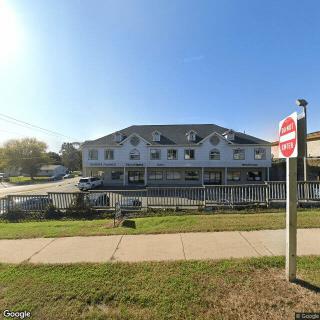
 Consistent, compassionate support from Brightstar's staff.


 Assisted Living Support for Veterans: A Complete and Detailed Overview
 Exploring the Contrasts Between Assisted Living and Skilled Nursing
 8 Key Indicators That Suggest It May Be Time to Transition from Assisted Living to Skilled Nursing Care