
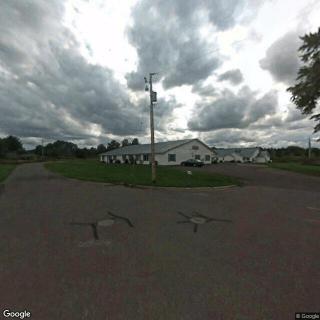
623 East 2Nd Avenue, Ashland, WI 54806
For more information about senior living options: (866) 208-4318
Overall Review of Memory Lane Adult Day Services I
Pros
 The staff here is amazing.
- They would highly recommend Memory Lane.
Review
Memory Lane Adult Day Services I in Ashland, Wisconsin, is best suited for families seeking daytime memory-care support where a skilled and compassionate staff anchors the experience. The program’s hallmark, based on the feedback, is a team that can consistently attend to memory-care needs with warmth, attentiveness, and reliable responsiveness. For loved ones who benefit from structured activities, calm supervision, and meaningful social engagement during daytime hours, this setting offers a practical, supportive environment that can reduce caregiver strain while preserving a sense of dignity and safety.
Those weighing other options should consider alternatives if 24/7 supervision or a residential memory-care environment is required. If a full-time live-in arrangement, continuous medical oversight, or broader around-the-clock services are necessary, looking at memory-care assisted living or other residential options becomes prudent. In-home care or other adult day programs with different scheduling, transportation, or activity structures may be a better fit for families with varying needs, budgets, or geographic considerations. The review highlights staff excellence, but the singular positive experience warrants caution for families seeking a complete, ongoing care solution rather than daytime support alone.
The strongest pro, staff quality, translates into tangible benefits in memory care. The praise that “The staff here is amazing” signals a level of engagement, patience, and capability that can translate into safer handling of memory-related behaviors, clearer communication, and more personalized attention during activities. When the central concern is ensuring a loved one receives compassionate, timely help and enjoys reassuring interactions, exceptional staff becomes a crucial offset to common anxieties about day-program care. In practical terms, dependable caregivers reduce the risk of isolation, confusion, and distress during daytime hours, which in turn supports the family’s confidence in placing a relative in Memory Lane.
Nonetheless, the lack of detail about several practical dimensions means families should enter with clear expectations. Hours of operation beyond daytime, transportation arrangements, the cadence and variety of activities, and cost structures remain opaque in the available information. The absence of residential components means this option cannot substitute for a home care plan or a full-time memory-care residence. The strength of the staff helps mitigate some typical concerns about day programs, but the format still imposes limits on supervision continuity and the level of medical oversight available on-site. Prospective families should weigh these limits against the benefits of engaging, well-trained staff during the hours the program operates.
For decision-making, proceed with targeted inquiries and an in-person visit to observe daily flow. Ask about exact hours, transportation options, enrollment caps, and how staff ratios shift throughout the day. Inquire about what memory-care activities look like, how programming is tailored to different cognitive stages, and what medical support or coordination exists with external providers. Request recent references from families with similar needs, and gauge the clarity and timeliness of communication beyond the program’s doors. This practical due diligence clarifies whether Memory Lane aligns with the care plan’s goals or whether a broader arrangement is necessary.
In sum, Memory Lane Adult Day Services I stands out as a practical, high-quality daytime memory-care option anchored by outstanding staff. It is particularly well-suited for families who prize compassionate, capable interaction and predictable daytime engagement for a loved one with memory-care needs. Those requiring 24/7 supervision, residential memory care, or more extensive medical oversight should pursue alternatives and view Memory Lane as a valuable component of a broader, multi-part care strategy rather than a sole solution. When fit is found, this program can meaningfully lift daily quality of life and ease the caregiving burden, provided the care plan accommodates its daytime, non-residential nature.
 16 resident community capacity
 Assisted Living
 Cable or satellite TV
 Dining room
 Fully furnished
 Garden
 Housekeeping services
 Move-in coordination
 Outdoor space
 Telephone
 Wi-Fi/high-speed internet available
 24-hour supervision
 Activities of daily living assistance
 Assistance with bathing
 Assistance with dressing
 Assistance with transfers
 Diabetes diet
 Meal preparation and service
 Medication management
 Special dietary restrictions
 Transportation arrangement (medical)
 Transportation to doctors appointments


 Comprehensive Residential Support and Assisted Living Solutions for Individuals with Disabilities
 Comprehensive Supportive Living Arrangements for Adults with Disabilities
 Funding and Affording Assisted Living: A Thorough Overview