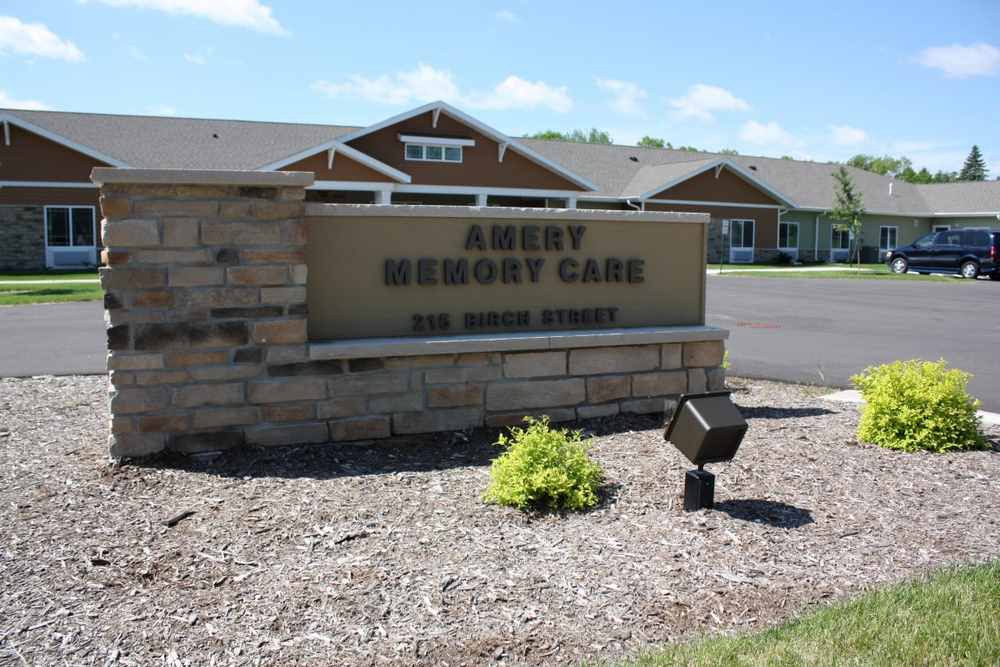
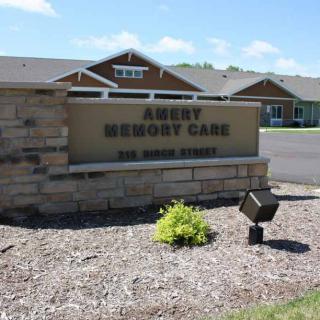
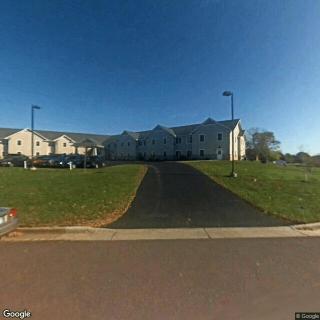
215 Birch Street W, Amery, WI 54001
For more information about senior living options: (866) 208-4318
Overall Review of Amery Memory Care
Pros
 The staff on the floor are very hard-working.
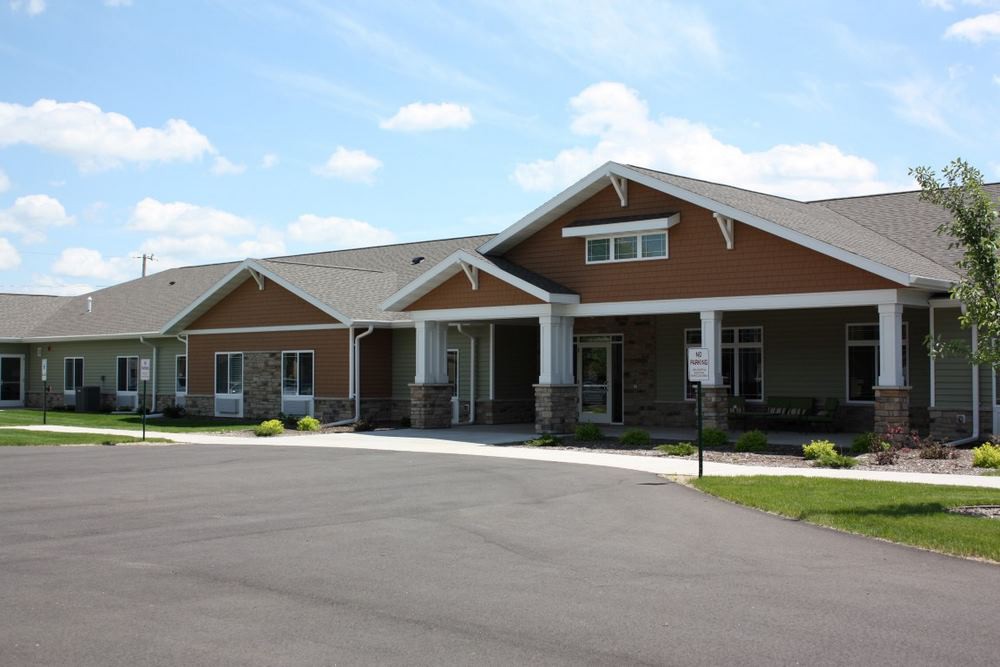
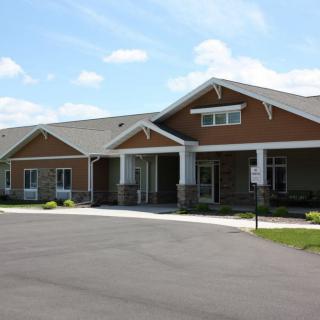
- The facility is lovely with walking options inside as well as outdoor enclosed courtyards.
- The staff are awesome.
- They treat residents very well.
- The staff are upbeat and solution-focused.
- The activity department is phenomenal.
Cons
 The administration is accusing those who leave honest, negative reviews of solicitation, which is not a good look for the company.
- Current management is absolutely the issue here.
- Most of the staff on the floor are very hard-working but very much overworked.
Review
Amery Memory Care is best suited for families seeking a dementia-focused setting that feels like home, with an intimate, walkable layout and a genuine sense of community. The care model highlights person-centered activity, accessible interior walking paths, and secure outdoor spaces, which can be especially comforting for residents who remain physically active despite cognitive decline. It works well for residents who thrive on a warm, family-style atmosphere and who benefit from staff who appear upbeat and engaged. Those who can tolerate a tightly run operation where administrative processes sometimes strain frontline staff will likely find this community aligns with their priorities.
Alternatives are worth considering for families prioritizing administrative stability and predictable governance. Reviews flag concerns about management engaging critics in questionable ways and about a culture where leadership feels distant from families. For residents who require highly reliable response times, consistent care plans, and transparent accountability, other communities with steadier leadership and clearer communication channels may offer a more reassuring experience, even if the daily warmth and activity level differ.
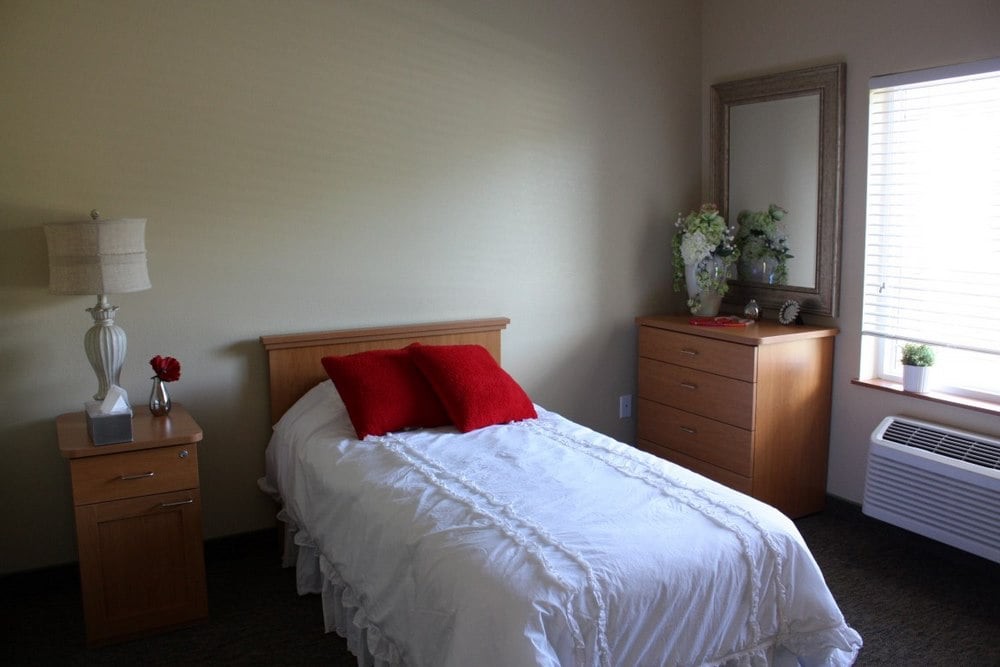
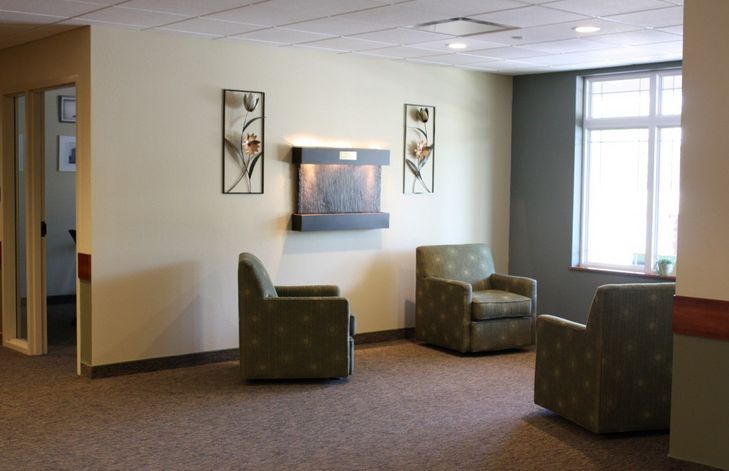
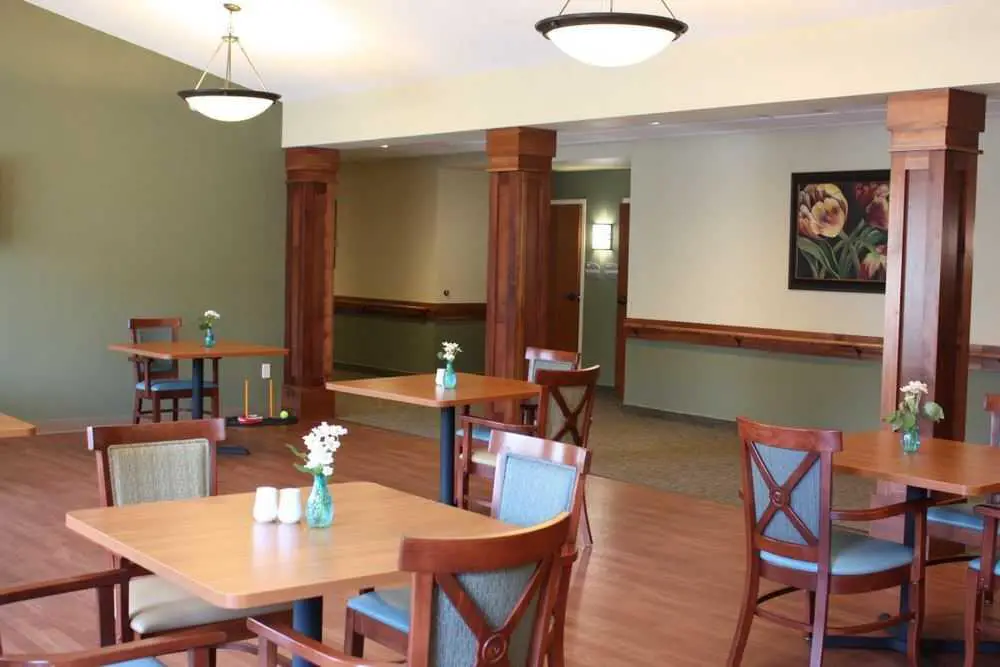
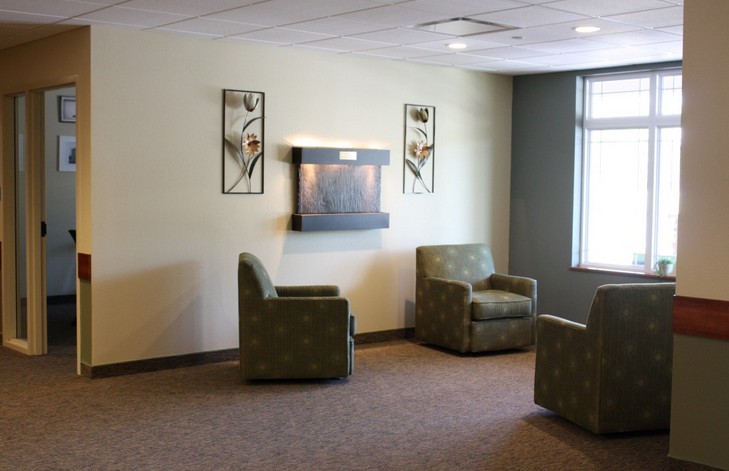
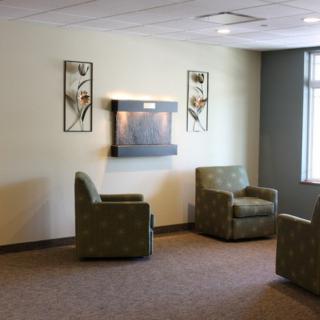
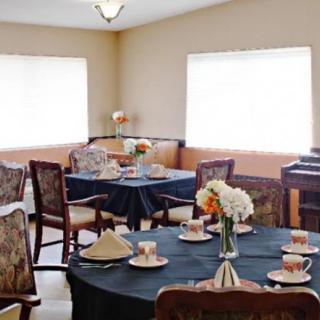
On the upside, the facility’s cleanliness and the on-the-floor staff’s willing, friendly approach stand out as genuine strengths. Families repeatedly note that the staff are pleasant and helpful, and the activity department is described as particularly strong. The presence of inviting common areas, meaningful programming, and enclosed courtyards supports socialization and physical activity, key elements for dementia care. When the goal is to foster a sense of belonging and family-like camaraderie, these aspects soften the strain of more opaque governance.
The primary drawbacks revolve around management and workload pressures. Several reviewers allege a pattern of administration attempting to deflect criticism, which erodes trust and creates a sense of defensiveness. The floor staff, while hard-working, are described as overextended, raising legitimate concerns about supervision, consistency, and responsiveness. Such dynamics can translate into uneven care experiences and potential gaps in attentiveness or timely problem-solving, which is detrimental for residents who rely on steady routines and clear, prompt communication.
These pros and cons do not cancel each other out; they simply shift how the decision should be weighed. For families prioritizing daily engagement and a homey feel, the positives may outweigh the negatives if a plan is in place to monitor care and keep lines of communication open. Yet the same strengths can be limited by governance issues that undermine confidence in long-term reliability. In practical terms, warmth and activity count, but only when leadership backs up care with consistent, accountable operations. The risk is that management concerns will overshadow the benefits of a bright, active environment over time.
To make a well-informed choice, families should plan disciplined evaluations and ask pointed questions. Schedule visits during different shifts to observe staffing levels and how care tasks are carried out in real time. Seek concrete metrics on response times, caregiver-to-resident ratios, and how feedback is tracked and resolved. Request meetings with both the administrator and the activity director, and review current care plans to verify alignment with expectations. Inquire about memory-specific programming, safety protocols, and transition processes for rising concerns. If red flags persist, exploring other memory-care options with steadier leadership and clearer accountability is prudent.
 77 resident community capacity
 Assisted Living
 Memory Care
 Activities on-site
 Air-conditioning
 Beauty salon
 Cable or satellite TV
 Computer center
 Devotional services off-site
 Dining room
 Fitness room
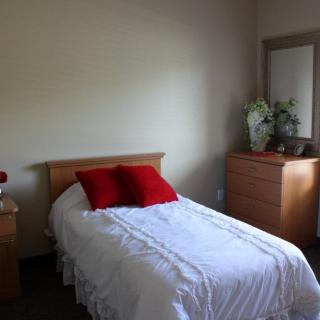
 Fully furnished
 Gaming room
 Garden
 Housekeeping services
 Indoor common areas
 Kitchenette
 Move-in coordination
 Outdoor space
 Private bathrooms
 Restaurant-style dining
 Small library
 Telephone
 Wellness center
 Wi-Fi/high-speed internet available
 Community operated transportation
 12-16 hour nursing
 24-hour call system
 Ambulatory care
 Assistance with bathing
 Assistance with dressing
 Assistance with transfers
 Diabetes diet
 Diabetic care
 Medication management
 Mental wellness program
 Special dietary restrictions
 Concierge services
 Planned day trips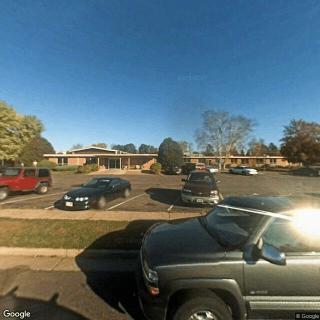




 Exploring the Contrasts Between Assisted Living and Skilled Nursing
 Vibrant Senior Living: A Comprehensive Guide for Active Older Adults
 Assisted Living and Memory Care: Understanding Their Core Differences