

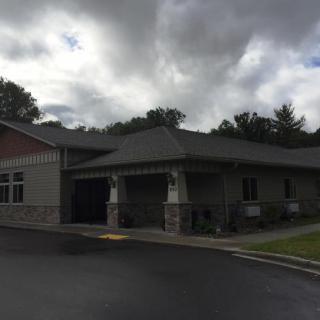
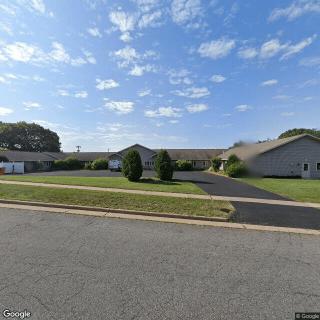
887 Briar Lane, Altoona, WI 54720
For more information about senior living options: (866) 208-4318
Overall Review of Care Partners Altoona
Pros
 Care Partners in Altoona is very professional, and the director consistently goes above and beyond.
 - Care Partners of Altoona is a wonderful place for families, respectful and supportive of staff, and it makes the facility feel like a home.
- The facility appeared clean, and the tour guide was friendly, delivering a good tour.
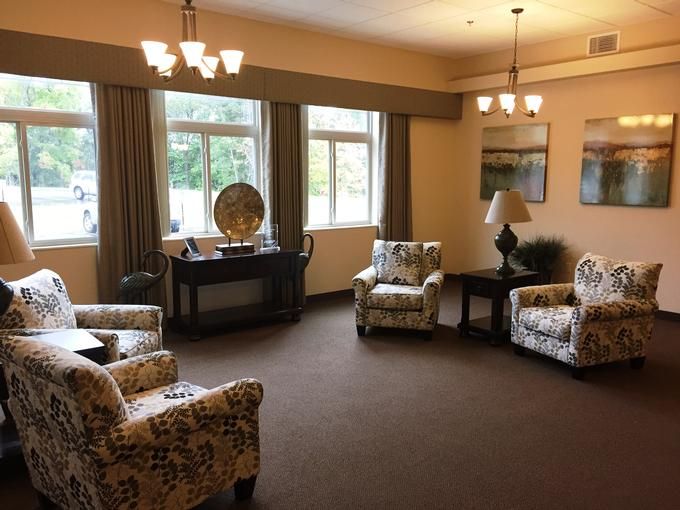
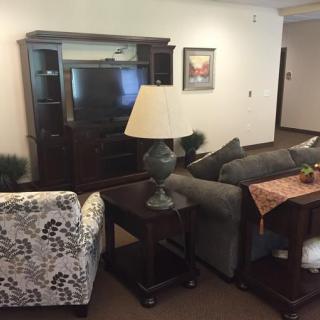
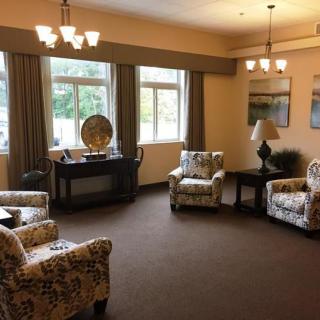
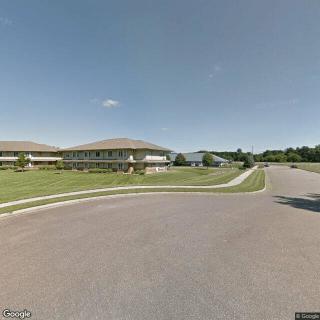
- Care Partners was described as smaller, quieter, and newer, with nicely sized rooms and a small courtyard.
- They provide excellent career opportunities for staff and know how to create a home-like atmosphere in the facility.
Cons
 The staff were incredibly rude, impolite, and secretive.
- They were told to leave the building immediately.
- They were told there was no manager to guide the tour, and no tour was available.
- They were lied to and left without proper communication about their mother’s status.
- One of the female managers was described as a sad, nasty, sour, pathetic version of a human being.
- A staff member spoke with a foul mouth, was irritable, and hung up without providing necessary information.
- They were left with the impression that residents would be poorly treated and that the facility lacked professionalism.
Review
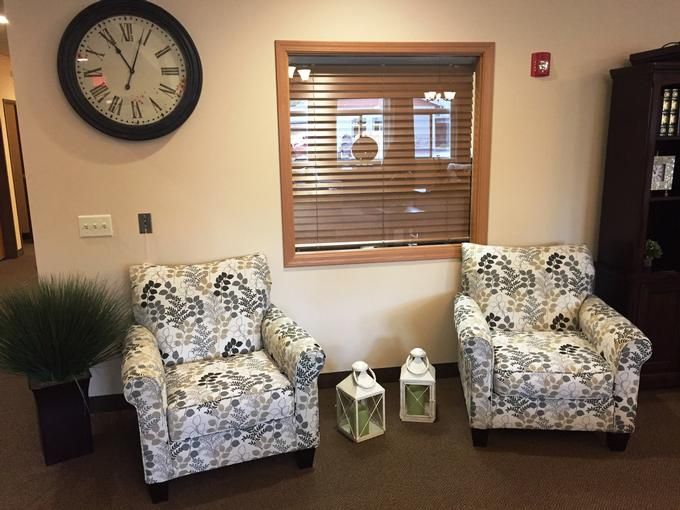
Care Partners Altoona is best suited for families seeking a compact, quieter Assisted Living environment with a feel of “home” rather than a sprawling campus. The community’s smaller footprint and newer construction appeal to residents who value easy navigation, less congestion, and a more intimate atmosphere where staff can form closer, day-to-day relationships. The presence of a memory-care component within a single site matters for families wanting a combined solution as needs evolve, while still prioritizing a calm, homelike backdrop. For someone ready to trade the breadth of a large campus for the comfort of well-appointed rooms, a courtyard, and a more manageable pace, this community can be a solid fit.
Explicitly, those who require reliable, transparent admissions and consistently courteous interactions should scrutinize alternatives. Tour experiences described by prospective families in the recent past were inconsistent, with visits canceled or curtailed and guidance appearing misaligned with what was later conveyed by social workers or other parties. Several accounts flag ongoing concerns about communication and staff responsiveness, including claims that front-line staff were rude or unhelpful and that basic information about eligibility or available services was not presented clearly. For families that cannot tolerate ambiguous processes, opaque updates, or abrupt dismissals, other options that emphasize predictable admissions and standardized procedures are worth evaluating first.
The strongest positives center on the environment and leadership signals that some reviewers highlight. The facility’s smaller, quiet character and the quality of living spaces, rooms that are described as pleasant and not cramped, along with a courtyard that offers a safe outdoor option, translate into meaningful daily comfort. A number of reviewers point to leadership elements as a counterbalance to operational friction: a director who “goes above and beyond” and a sense that the place can feel like a welcoming, supportive home for families. When management communicates well and fosters respectful interactions, these favorable aspects become tangible wins for residents who prefer a low-stress routine and consistent care in a contained setting.
Yet, the pull of the cons cannot be ignored. The most consequential red flags involve trust and predictability: inconsistent admissions conversations, tours that don’t unfold as promised, and reports of abrasive or evasive behavior from staff. In a setting where medication management, care coordination, and daily routines hinge on reliable information flow, such experiences translate into real anxiety for families and potential risk for residents if critical details are missed or mishandled. The tension between a calm physical setting and a volatile information environment is the decisive factor for many families weighing this option.
Practical next steps should center on due diligence before committing. Schedule a direct, unambiguous meeting with the admissions director and, if possible, a member of senior leadership to walk through current policies, care plans, and service inclusions with written confirmation. Request up-to-date references from current families and, specifically for memory-care considerations, ask about staffing ratios, caregiver training, and emergency protocols. Observe how the front desk handles inquiries, courtesy, consistency, and speed matter, and verify that any eligibility determinations are documented and communicated clearly. Clarify how changes in resident needs are tracked and communicated to families, and insist on a transparent pricing structure with a detailed breakdown of what is included and what may incur extra charges.
In the final assessment, Care Partners Altoona can be a good match for families who value a compact, home-like environment, well-maintained living spaces, and a calmer daily rhythm, provided that admissions and communications are transparent and consistently respectful. For those who insist on unwavering reliability, straightforward tours, and steady, professional interaction across all staff levels, it may be prudent to explore alternatives and compare options with other local communities that demonstrate a steadier track record in admissions, communication, and resident-facing service. The decision should hinge on current leadership’s demonstrated commitment to transparent processes, dependable staffing, and a consistently warm resident experience, rather than on aesthetic or size alone.
 20 resident community capacity
 Assisted Living
 Memory Care
 Beauty salon
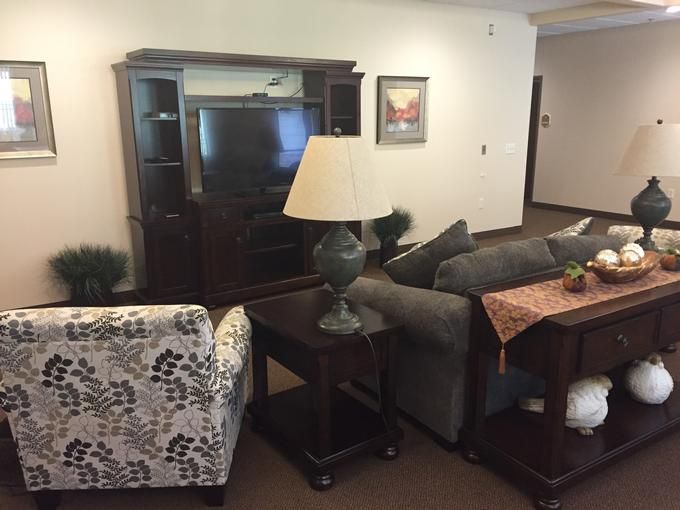
 Cable or satellite TV
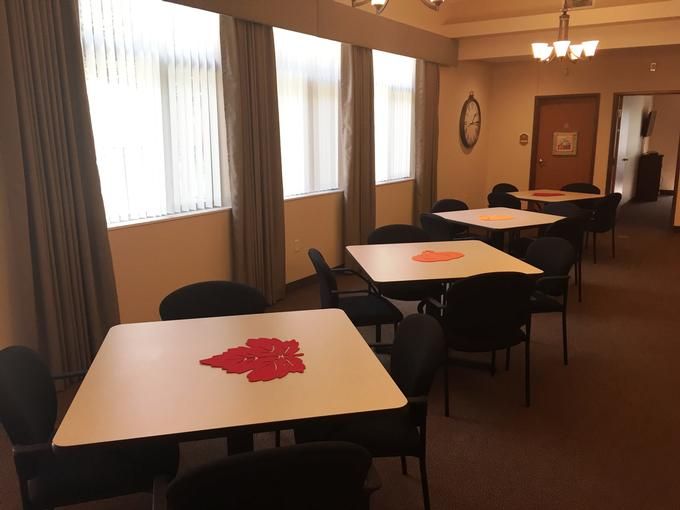
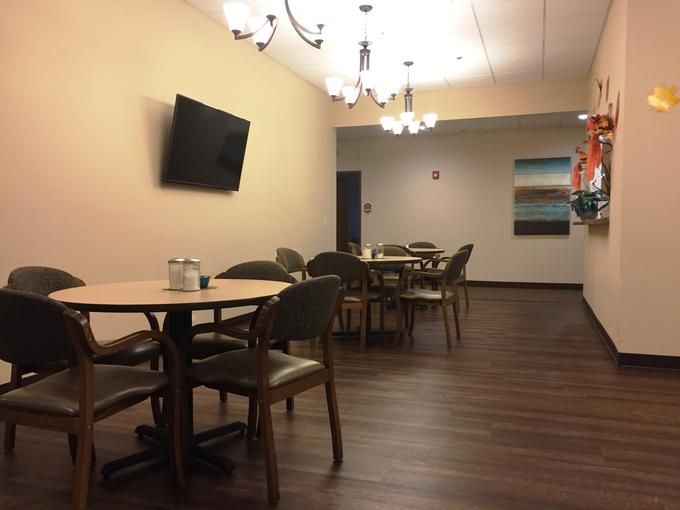
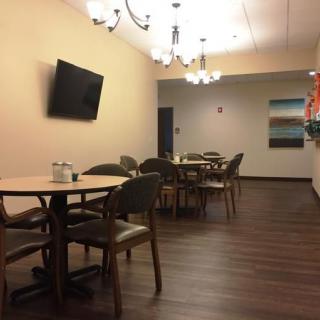
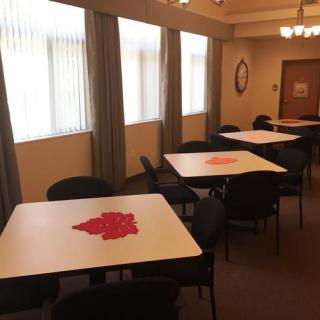
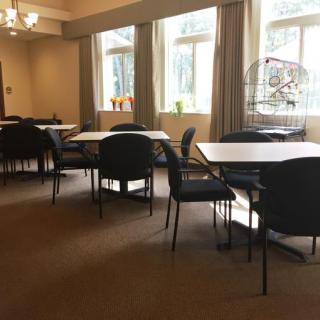
 Dining room
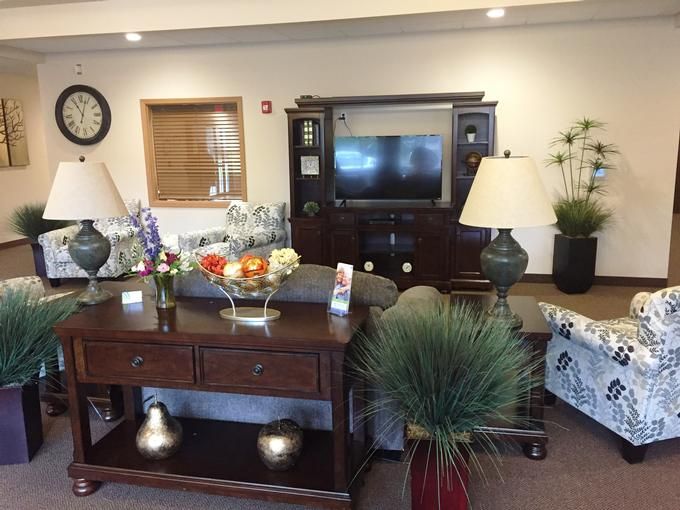
 Fully furnished
 Garden
 Housekeeping services
 Kitchenette
 Move-in coordination
 Outdoor space
 Respite or short term stays offered
 Telephone
 Wi-Fi/high-speed internet available
 Chippewa Valley Regional (6 miles away)
 24-hour call system
 Activities of daily living assistance
 Assistance with bathing
 Assistance with dressing
 Assistance with transfers
 Diabetes diet
 Hospice waiver
 Meal preparation and service
 Medication management
 Mental wellness program
 Special dietary restrictions
 Transportation arrangement (medical)
 Transportation to doctors appointments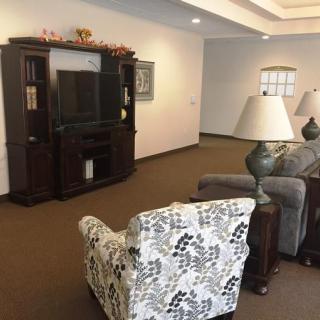


 Dementia, Paranoia, and Caregiver Guidance: Understanding the Connection
 Engaging Memory Care Activities That Enhance Quality of Life
 When to Transition from Assisted Living to Memory Care: Key Indicators, Steps, and Finding the Right Community