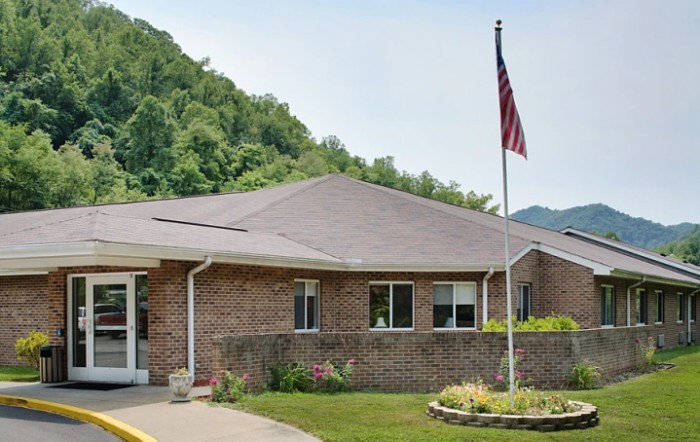

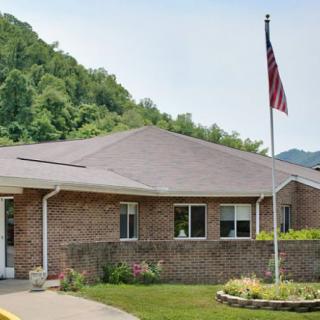


55 Logan Mingo Mental Health Center Road, Logan, WV 25601
For more information about senior living options: (866) 208-4318
Overall Review of Logan Center
Pros
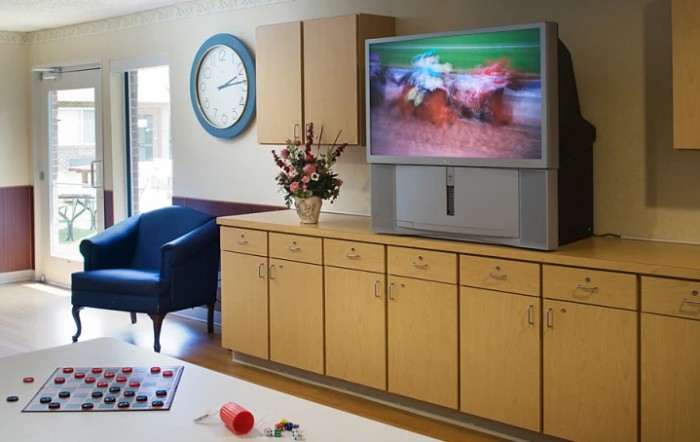
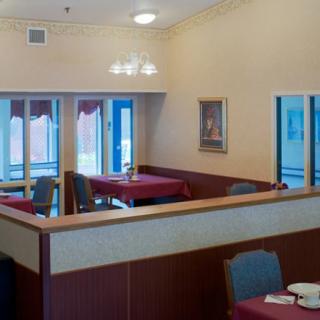
 The Logan Center is clean.
- It provides recreation and a variety of activities for residents who are still mobile.
- The rooms are adequate.
- The Logan Center is well maintained.
- The staff seem knowledgeable about the residents' needs.
Cons
 The Logan Center is described as depressing despite being clean and offering activities for mobile residents.
- The physician is perceived as somewhat lacking, and the staff seem in it for the payday due to the high number of residents.
- The rooms are not fabulous, just adequate.
- During a tour, a resident wandered naked, and the staff appeared uninterested or unable to deal with the situation, even laughing it off.
- The staff showed insensitivity toward a resident with dementia, raising concerns about how they might treat others.
- The reviewer could not, in good conscience, recommend the facility.
Review
Logan Center in Logan, West Virginia is best suited for seniors who are still fairly mobile, value a predictable routine, and want access to organized activities without requiring intensive medical oversight. It works for families seeking a clean, practical setting where daily life feels manageable and there is a basic program to keep residents engaged. Those with higher needs, especially advanced dementia, unpredictable behavior, or a demand for frequent, highly personalized medical attention, should consider alternatives. The community promises comfort through routine and accessible recreation, but the fit hinges on residents’ current independence and the family's tolerance for variable care quality.
On the positive side, the center presents a clean, well-maintained environment where upkeep shows in common spaces and rooms that are adequate rather than luxurious. For residents who can move about with minimal assistance, there is a structured recreation lineup, including social activities and programs designed to occupy the day. Staff appear to understand residents’ routines and preferences well enough to support basic needs, and there is a resident-focused effort to address daily living requirements through a defined care approach. A physician is on site to handle medical requirements, which provides a basic safety net for routine concerns.
Yet the care quality is uneven and ultimately problematic for families prioritizing reliable oversight. The physician, while present, is described as somewhat detached from the daily rhythms of resident life, suggesting medical attention that feels more transactional than deeply engaged. The facility’s full capacity, reportedly many residents, can strain staffing: the sheer volume can dilute individualized attention, slow responses, and leave staff with limited bandwidth to notice or address subtle changes in health or behavior. In short, medical supervision exists, but it does not consistently translate into proactive, attentive care for each resident.
Perhaps the sharpest red flag is a troubling incident witnessed during a tour: a resident wandering the halls naked, apparently undressed due to dementia, and staff who reportedly dismissed the behavior rather than intervening. Tales of indifference or lighthearted joking about a vulnerable resident expose serious deficiencies in training, supervision, and respect for dignity. When safety, privacy, and the seriousness of dementia care are treated as secondary concerns, trust erodes quickly. This single episode casts a long shadow over everyday operations and makes families question what would happen in a crisis or when memory impairment advances.
Given these dynamics, the positives, cleanliness and accessible activities, do not adequately offset the core drawbacks for most families. The environment can be comfortable for mobile residents who do not require intensive medical or memory-care support, but the inconsistent medical engagement, the high resident load, and the safety-and-dignity concerns tip the balance toward caution. For families dealing with memory care needs, wandering behaviors, or the expectation of consistently empathetic staffing, Logan Center falls short of what is essential to protect and reassure both resident and family. The prudent path is to push for concrete promises on staffing, care plans, and dementia training, and to consider other options if those assurances cannot be clearly demonstrated.
For families weighing options, the prudent course is to scrutinize staffing patterns, care plans, and the level of medical involvement before committing. Ask for current nurse-to-resident and aide-to-resident ratios, review activity participation logs, and request a formal review of the on-site physician’s role and response times. Tour during different shifts to observe how staff engage with residents, particularly those with cognitive challenges. If Logan Center does not show clear improvements or assurances, alternatives should be considered: a smaller, more intimate community with stronger dementia training, a facility with higher staff-to-resident ratios, or staying with home-based supports that preserve independence while delivering medical and caregiver oversight.
 66 resident community capacity
 Assisted Living
 Air-conditioning
 Beauty salon
 Cable or satellite TV
 Computer center
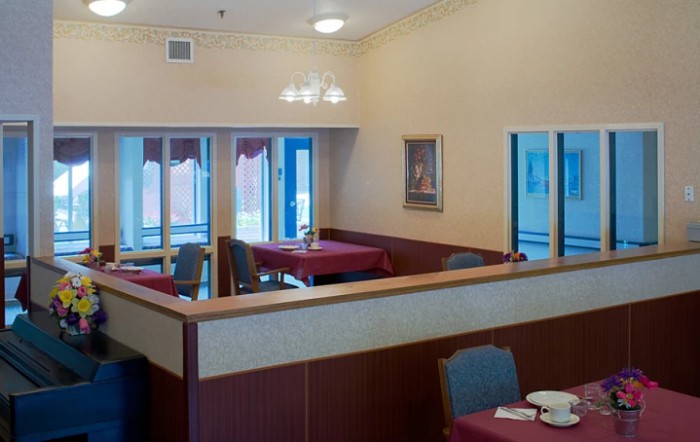
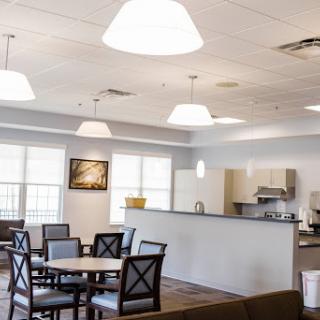
 Dining room
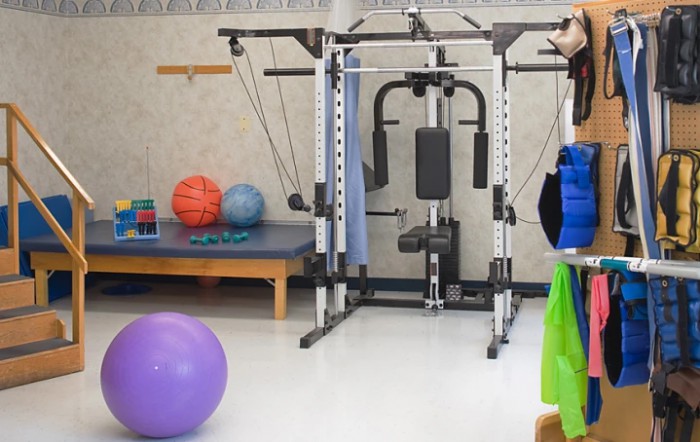
 Fitness room
 Fully furnished
 Gaming room
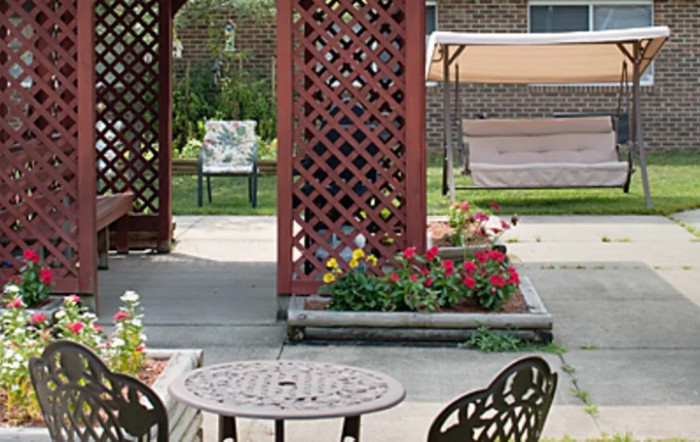
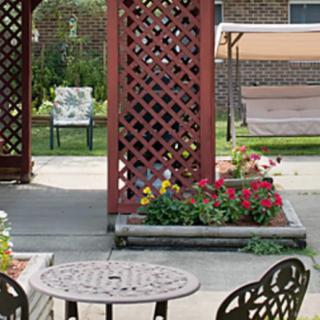
 Garden
 Housekeeping services
 Kitchenette
 Move-in coordination
 Outdoor space
 Private bathrooms
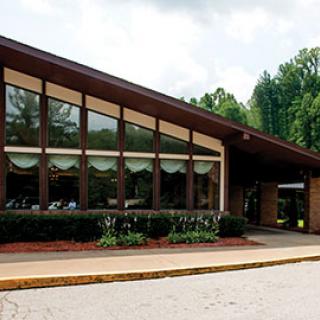
 Restaurant-style dining
 Small library
 Telephone
 Wellness center
 Wi-Fi/high-speed internet available
 Community operated transportation
 12-16 hour nursing
 24-hour call system
 Activities of daily living assistance
 Assistance with bathing
 Assistance with dressing
 Assistance with transfers
 Diabetes diet
 Medication management
 Mental wellness program
 Special dietary restrictions
 Concierge services
 Planned day trips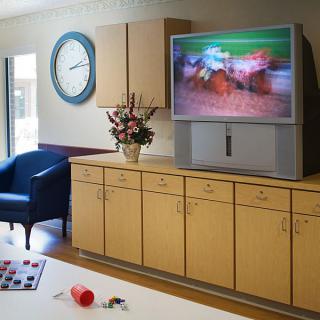



 Social Security Benefits and Assisted Living: Navigating Options Across the U.S.
 An Extensive Exploration of the VA Aid and Attendance Benefit
 Senior Transition Services: Understanding Their Role, Cost, and Importance