

2201 S 67th Ave, Yakima, WA 98908
For more information about senior living options: (866) 208-4318
Overall Review of Apple Blossom Adult Family Home
Pros
 The owner of this home is incredibly sweet, kind, and caring toward elderly people.
- She truly cares about people and the well-being of the elderly.
- There are not many people who genuinely care about the elderly, but the owner is definitely one of them.
- She is worth giving a chance.
- She comes highly recommended by another lady whose mother-in-law lives there.
- A sister who visited had a wonderful time and formed a very good impression of the owner.
- Excellent added care is provided for loved ones.
Cons
 It was a horrible experience for the reviewer’s mother.
- The staff could not get her diet right and continued to serve foods she could not eat.
- The place looked very run down.
- Six women were using the same bathroom, and the mother never got it back.
Review
Apple Blossom Adult Family Home in Yakima is best suited for families seeking a small, home-like setting where a single, deeply involved owner provides hands-on, personalized care. Residents who value intimate, caregiver-first attention and the ability to tailor meals and daily routines will find this community aligns with those priorities. The setting emphasizes warmth, relationship-building, and a sense of belonging over formal institutional polish. The owner’s described character, sweet, genuinely caring, and attentive to what residents ingest and how they are supported, creates a compelling case for families wanting a truly human, one-on-one caregiving approach.
That said, not every family will find this arrangement suitable. Alternatives may be preferable for those requiring robust clinical oversight, modern fixtures, or highly structured programming. A notable concern across the reviews is the lack of private bathroom access in a small home environment: reports describe six women sharing a single bathroom, a setup that can be challenging for privacy, hygiene, and ease of use for residents with health conditions such as diabetes. Additional concerns include the home’s appearance in need of upkeep, which can signal broader maintenance gaps. For seniors who need stringent dietary management, frequent medical oversight, or a facility with more polished amenities, exploring other communities would be prudent.
The strongest positive factor is the owner’s personal commitment. When care hinges on an owner who is deeply invested in residents’ well-being, the day-to-day experience can feel highly responsive and compassionate. Added care, such as attentiveness to nutrition, willingness to adapt meals, and a willingness to engage with families, can translate into meaningful improvements in comfort, mood, and daily satisfaction. The endorsements from others who have interacted with the owner reinforce the sense that, in the right circumstances, this home delivers a level of trust and warmth that is uncommon in larger operations. That relational foundation can be the deciding factor for families seeking a nurturing, familial atmosphere.
Yet the drawbacks carry real weight. The shared bathroom arrangement raises practical, hygienic, and privacy concerns that are hard to overlook, especially for residents with diabetes or mobility challenges. Diet management gaps in at least one account underscore the risk of inconsistent oversight when a single person bears primary responsibility for meals and medical considerations. The overall look and feel of the property, described as run-down in some narratives, can affect comfort, safety perceptions, and the ease with which staff perform routine tasks. These factors may intensify the burden on families to monitor care closely or to supplement with external support, quietly eroding the convenience of a low-stress, home-like environment.
The balance of pros and cons largely hinges on core family values. If prioritizing a deeply personalized, owner-driven approach matters most, and if menus can be actively negotiated and adjusted through ongoing dialogue with the owner, the positives can substantially offset some limitations. A small, intimate setting often means quicker response to requests, more meaningful social connections, and a level of warmth that larger facilities struggle to imitate. Conversely, for families requiring consistently highest standards of dietary management, private facilities, and formalized safety protocols, the drawbacks may not be easily tolerated. The practical choice, therefore, is to align expectations with what the home can reliably deliver on a daily basis.
Bottom line: Apple Blossom is an excellent fit for families who want intimate, owner-led care and are comfortable with a homelike environment where meals and daily routines can be customized through direct owner involvement. It may not be ideal for those who insist on private bathrooms, polished common areas, and a higher degree of formal clinical oversight. Prospective residents should schedule a guided tour with specific goals: meet the owner to gauge fit and accessibility, request a sample diabetic-friendly menu, inspect bathroom arrangements and maintenance practices, review the overall upkeep of living spaces, and ask about staffing coverage and medication management. When these elements align, Apple Blossom offers a rare, heartfelt option in Yakima; if they do not, families should pursue alternatives that prioritize formal amenities and stronger structural safeguards.
 Assisted Living
 Activities on-site
 Devotional services off-site
 Indoor common areas
 Ambulatory care
 Diabetic care
 Meals provided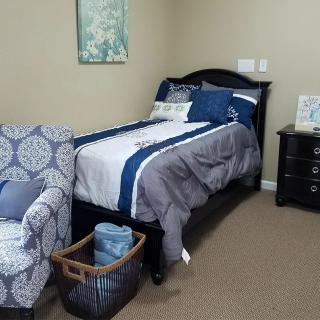








 Vibrant Senior Living: A Comprehensive Guide for Active Older Adults
 When to Transition from Assisted Living to Memory Care: Key Indicators, Steps, and Finding the Right Community
 Assisted Living and Memory Care: Understanding Their Core Differences