
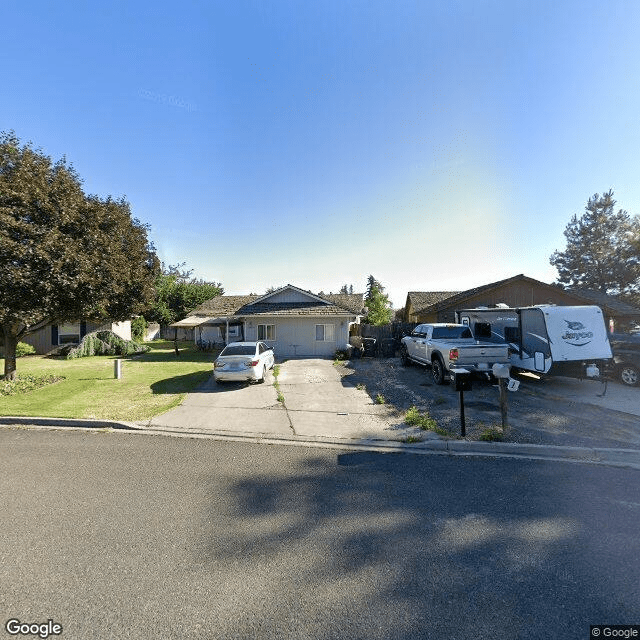
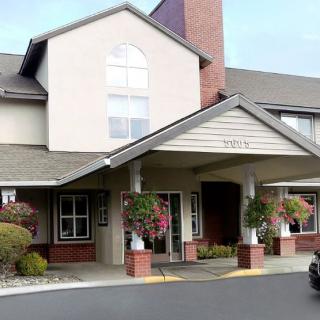
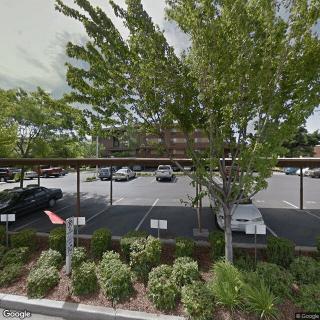
7504 W. Chestnut, Yakima, WA 98908
To contact a resident: (509) 833-0748
For more information about senior living options: (866) 208-4318
Loving Hands AFH Costs & Pricing
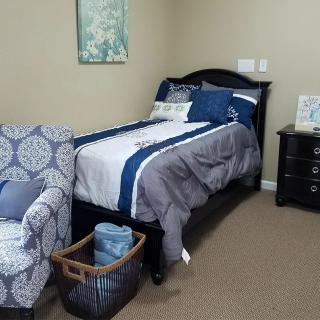
Loving Hands AFH offers a range of accommodation options at competitive rates within the context of Yakima County and the broader Washington state. For semi-private rooms, Loving Hands AFH charges $4,000 per month, which is slightly above the county average of $3,576 but remains lower than the state average of $4,267. In contrast, private room accommodations at Loving Hands are priced at $6,500, noticeably higher than both the county rate of $4,679 and the state average of $4,772. This pricing reflects an emphasis on providing quality care and personalized services that may justify the premium for those seeking a more private living environment in a residential facility.
| Floor plans | Loving Hands AFH | Yakima County | Washington |
|---|---|---|---|
| Semi-Private | $4,000 | $3,576 | $4,272 |
| Private | $6,500 | $4,679 | $4,774 |
Senior living communities with a similar price nearby
-
from -$600 / mo
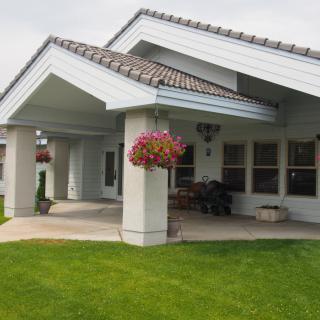
Chandler House
$3,400 / month2.5 miles away -
About the same
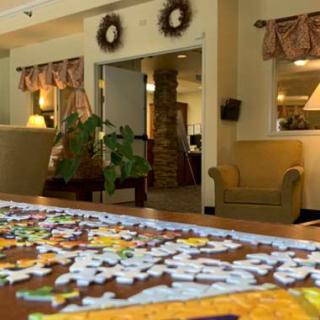
Avamere at Englewood Heights
$3,900 to $5,700 / month2.6 miles away -
from +$500 / mo
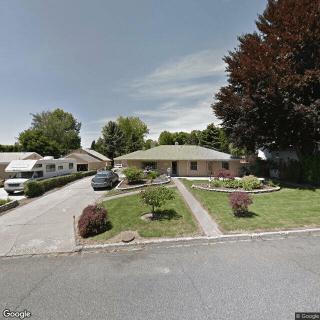
Ellenhouse
$4,500 / month2.8 miles away -
from -$430 / mo
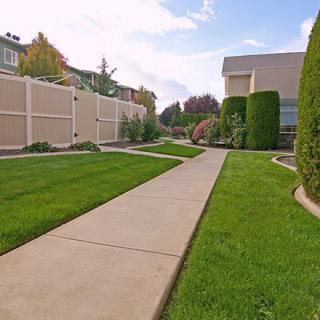
Cascades Chesterley
$3,570 to $4,400 / month2.8 miles away
Overall Review of Loving Hands AFH
Cons
 Verna Fuehrer's wedding rings were stolen during her stay at the senior home.
- The facility is unkept, and some caretakers are not friendly and seem short with residents.
- It is not a nice place.
Review
This community is best suited for families seeking a small, home-like assisted living option in Yakima, WA, where cost and a intimate setting take precedence over polish and formal systems. The two reviews that exist place Loving Hands AFH squarely in the category of a tiny, personal environment rather than a polished, policy-driven operation. The rating, standing at 1.5, signals that any advantages of a homelike atmosphere must contend with notable gaps in daily quality and resident experience. In practical terms, this is a possibility for residents who value closeness and a straightforward, low-cost arrangement and who are willing to accept lean staffing and looser governance as part of the package.
Those who should consider alternatives are families prioritizing safety, reliability, and consistent, respectful care. If a resident requires steady, friendly interactions, predictable routines, or more comprehensive oversight, look to other facilities with stronger staffing norms and clearer accountability. Families with memory-care needs, complex medical requirements, or a priority on secure handling of valuables will find the current feedback especially concerning. In short, this option tends to appeal to budget-conscious buyers who can tolerate gaps in upkeep and interpersonal warmth, while others should actively compare options that demonstrate steadier operations and better resident protections.
The main cons are direct and significant enough to overshadow any potential upsides. The facility’s upkeep appears deficient, which translates into a daily environment that may feel neglected or disorganized. Staffing reliability and demeanor are major red flags, with reports that some caregivers are not friendly and can be short with residents, undermining dignity and comfort. The most troubling element is a serious allegation of a resident’s wedding rings being stolen, a disclosure that raises urgent questions about security, accountability, and the effectiveness of internal controls. Taken together, these issues cast doubt on the consistency of care, protection of personal property, and the overall day-to-day experience for residents.
The only plausible upside, the intimate, home-like setting in a small house, does not reliably compensate for the core drawbacks. A tight-knit environment can offer opportunities for frequent, direct contact with caregivers, but without consistently positive staff interactions and a secure, well-kept atmosphere, that potential benefit remains theoretical. Prospective residents should demand concrete demonstrations of how staff respond to needs, how routines are managed, and what safeguards are in place to prevent loss or harm. If choosing this community, insist on transparent operating procedures, current references, and a clear plan for addressing concerns the moment they arise.
To evaluate more effectively, approach a tour with a structured checklist. Observe cleanliness, accessibility, and safety features in common areas and private spaces, and note whether housekeeping appears regular and thorough. Inquire about staff ratios, shift patterns, and who supervises daily care, plus how quickly concerns are escalated. Request copies of care plans, medication management policies, and protocols for handling valuables. Speak with current residents or their families about consistency of care, how conflicts are resolved, and whether they feel heard. Finally, review any resident-rights documents and the facility’s history of complaints or regulatory actions to gauge ongoing accountability.
Bottom line: the cautionary signals here outweigh the potential appeal of a small, affordable setting. Loving Hands AFH in Yakima functions best for families willing to compromise on upkeep, staff warmth, and security in exchange for a very intimate living arrangement and lower cost. For most individuals and families, especially those prioritizing safety, dignity, and dependable care, it is prudent to pursue alternatives with stronger staffing standards, clearer governance, and verifiable track records. If this option remains on the short list, treat it as a provisional choice contingent on rigorous verification, including immediate improvements, a clear care plan, and a short trial period to confirm that resident well-being can be reliably maintained.
 Board and Care Home
 Cats allowed
 Dogs allowed
 Activities off-site
 Beautician on-site
 Devotional services off-site
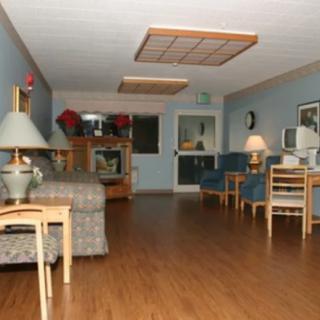
 Indoor common areas
 Outdoor common areas
 Private
 Respite or short term stays offered
 Wheelchair accessible showers
 Ambulatory care
 Diabetic care
 High acuity care
 Incontinence care
 Medication management
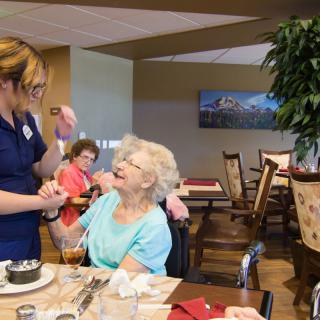
 Meals provided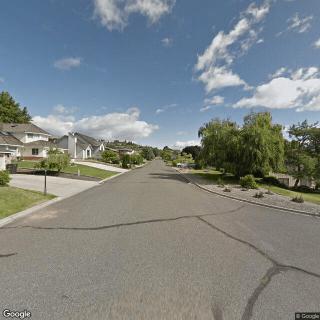
 Excellent proximity to cafes, pharmacies, restaurants, and medical facilities.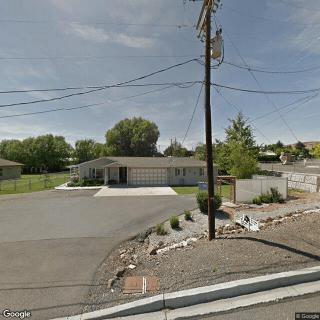
 Home Health Care Demystified: A Comprehensive Guide for Families and Caregivers
 Seniors and Modern Transportation: Exploring Uber, Lyft, and Other Ride-Hailing Options
 Comprehensive Guide to Qualifying for Home Health Care Services