

312 N. Progress/also SherwoodAFH, Spokane Valley, WA 99037
To contact a resident: (509) 892-2056
For more information about senior living options: (866) 208-4318
Progress AFH Costs & Pricing
Progress AFH offers competitive monthly costs for its residential care services, positioning itself as an appealing option within both Spokane County and the broader Washington state landscape. For those considering semi-private accommodations, Progress AFH charges $2,500 per month, significantly lower than the county average of $3,863 and the state average of $4,267. Similarly, private room options at Progress AFH are priced at $3,000 a month, again demonstrating value against Spokane County's average of $4,111 and the state's higher rate of $4,772. This pricing structure not only underscores Progress AFH's commitment to affordability but also highlights its dedication to providing quality care without compromising financial accessibility.
| Floor plans | Progress AFH | Spokane County | Washington |
|---|---|---|---|
| Semi-Private | $2,500 | $3,863 | $4,272 |
| Private | $3,000 | $4,111 | $4,774 |
Senior living communities with a similar price nearby
-
About the same
Mapleview Manor, LLC
$2,500 / month19.4 miles away -
from -$300 / mo
The Peace and Joy Garden
$2,200 / month7.5 miles away -
About the same
A Gentle Care Home
$2,500 / month17.5 miles away -
About the same
Sacred Heart Adult Foster Care
$2,500 / month14.4 miles away -
from +$300 / mo
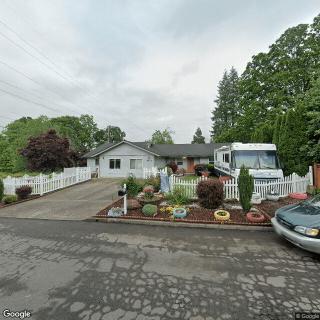
Lund AFH
$2,800 / month2.2 miles away
Overall Review of Progress AFH
Pros
 The home is nice and inviting, with staff who smile.
- The staff are capable of assisting with transfers.
- The meals are good, featuring plenty of chicken and homemade dishes.
- The facility offers a hospital bed and bathroom, plus a wheelchair-accessible shower.
Cons
 They disliked the bumpy wheelchair entrance and noted the cement on the ground needs repair.
- They were unhappy that costs and details of what would be supplied were not covered.
- They were concerned about repacking over-the-counter drugs or whether they could supply and put pills into pill boxes.
Review
Progress AFH in Spokane Valley is best suited for seniors who want a warm, home-like living environment with attentive, approachable staff and dependable help with daily activities. The reviews sketch a setting where staff are described as friendly and sufficient in number to assist transfers, and where meals lean toward hearty, homemade options. For residents who can participate in ordinary routines with practical mobility support and who prize a houselike atmosphere over a clinical or institutional feel, this community presents a comfortable, approachable option. The presence of a hospital bed and bathtub chair, plus a wheelchair-accessible shower, signals readiness to accommodate mobility aids and safety needs without turning to a hospital-like setting.
Those who may want to consider alternatives are families prioritizing explicit cost transparency and a tightly defined scope of services. The reviews repeatedly note a lack of detail on what is included or supplied versus what must be paid separately, and questions about repacking or supplying over-the-counter meds, or using pill organizers, are left unanswered. For households that require a clear, written breakdown of monthly rates, what is included (meals, utilities, care hours, medications, room features), and how medication management is handled, a different option with a more formalized policy may be preferable. Similarly, families needing strict, well-documented medication oversight or more predictable budgeting should not discount the value of a thorough, written agreement before committing.
The strongest pros, friendly, present staff; a homelike atmosphere; and solid meal quality, do a practical job of offsetting several concerns, but not entirely erase them. A calm, engaged staff can meaningfully improve daily life, reduce anxiety, and support consistent transfers or mobility tasks, which matters a lot in routine care. Good, homemade meals with plentiful options imply daily satisfaction and better appetite, which contribute to overall well-being. The in-house equipment, hospital bed, bath chair, wheelchair-friendly shower, adds a layer of safety and convenience for residents with mobility challenges. Yet the missing clarity on what is included and how medications are managed dampens confidence that all essential costs and processes will be predictable over time, especially as care needs evolve.
On the safety and operations front, one concrete negative is the bumpy wheelchair entrance, described as requiring ground-level repair. While not a deal-breaker in itself, it highlights a potential safety hazard that should be addressed before move-in. For families with relatives who rely on wheelchairs or expect easy, safe access, this is a flag that must be resolved. It also underscores the broader need for an open conversation about facility maintenance priorities and timelines. Families should test whether such concerns have been acknowledged and scheduled for repair, and request a written repair timeline to avoid or mitigate last-minute surprises.
In practical terms, Progress AFH remains a solid option for a specific profile: seniors who value a homey ambiance, personal attention, and flexible dining, paired with basic mobility supports and accessible facilities. It is less suited for those who must have a rock-solid, all-inclusive price with explicit medication-management policies up front. Families should approach a future tour prepared with a checklist focused on cost structure, what is included, medication handling procedures, and safety improvements. A candid, written plan that spells out each facet of care and cost will dramatically improve decision confidence.
Next steps for families are straightforward and must be proactive. Request a detailed written breakdown of all costs and what is included in the rate. Ask for the exact medication management policy: whether OTC meds can be repackaged, whether the family may supply meds and how pill organizers are used, and who supervises administration. Insist on a formal commitment to repair the wheelchair entrance or, at minimum, a documented plan and timeline. Schedule a second tour focused specifically on care planning, staffing routines, and a demonstration of how transfers and mobility tasks are handled. Check references from current residents or families regarding daily life, meal satisfaction, and responsiveness of staff. Progress AFH is a viable fit for the right resident, but it requires diligence: verify cost clarity, medication policies, and safety improvements before committing, and the match will hinge on finding alignment between expectations and daily reality.
 Board and Care Home
 Private
 Portland International (8 miles away)
 Diabetic care
 High acuity care


 Engaging Brain Games and Innovative Apps to Keep Senior Minds Active
 Effective Strategies for Keeping Seniors' Minds Active: A Deep Dive into Brain Games and Apps
 In-Depth Look at the VA Aid and Attendance Program