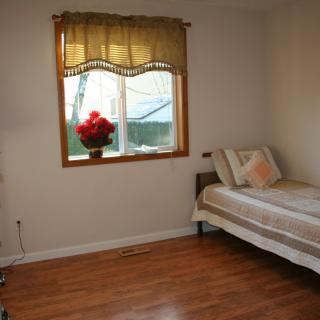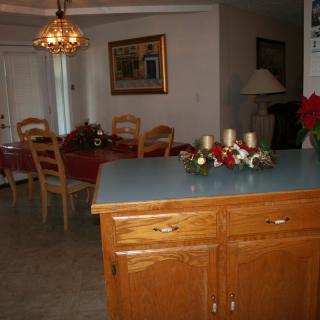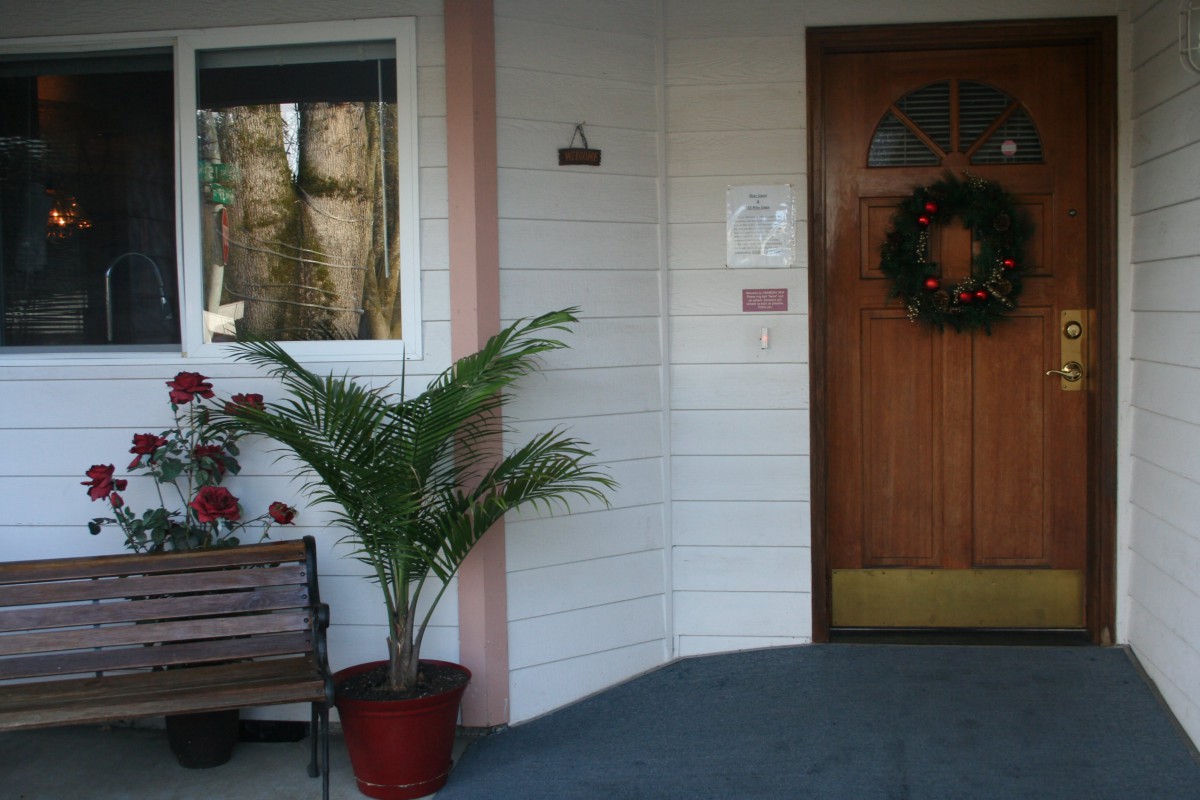
3805 NE 159th Ave, Vancouver, WA 98682
To contact a resident: (360) 604-0620
For more information about senior living options: (866) 208-4318
Harmony Adult Care Home Costs & Pricing
At Harmony Adult Care Home, the monthly costs for both private and semi-private rooms are competitively priced at $3,500. This rate is notably lower than the average costs in Clark County, which stand at $3,992 for private rooms and $3,897 for semi-private accommodations. Additionally, when compared to the broader state averages in Washington - where private room rates reach $4,772 and semi-private rooms average $4,267 - Harmony Adult Care Home offers a remarkable value without compromising on quality of care. This pricing structure positions Harmony as an appealing option for individuals seeking affordable yet high-quality adult care services within the region.
| Floor plans | Harmony Adult Care Home | Clark County | Washington |
|---|---|---|---|
| Private | $3,500 | $3,992 | $4,774 |
| Semi-Private | $3,500 | $3,897 | $4,272 |
Senior living communities with a similar price nearby
-
from +$300 / mo

The Inn at University Village
$3,800 to $7,500 / month8.0 miles away -
from -$500 / mo
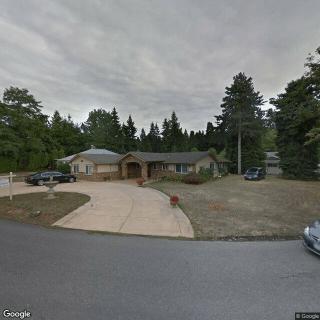
A Piece of Heaven
$3,000 / month16.1 miles away -
from +$500 / mo
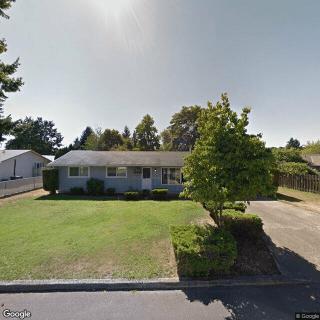
Oaktree Adult Care Home
$4,000 / month22.7 miles away -
from -$500 / mo
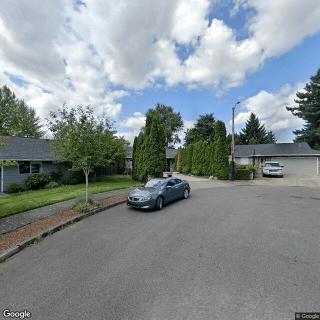
Yamhill Senior Care Home
$3,000 / month9.3 miles away -
from -$500 / mo
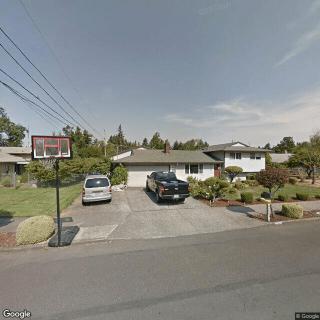
Peaceful Lighthouse Adult Care Home
$3,000 / month8.5 miles away
Overall Review of Harmony Adult Care Home
Pros
 The staff are caring, professional, and attentive.
- They treat residents with respect and compassion.
- The facility feels warm and welcoming.
- Communication with families is great.
- Families feel at ease knowing their loved ones are in good hands.
- The facility is peaceful, clean, and family-oriented.
- There is good food and good care.
- The provider is lovely.
Cons
 They had several bad experiences.
- They wouldn't recommend them to others.
Review
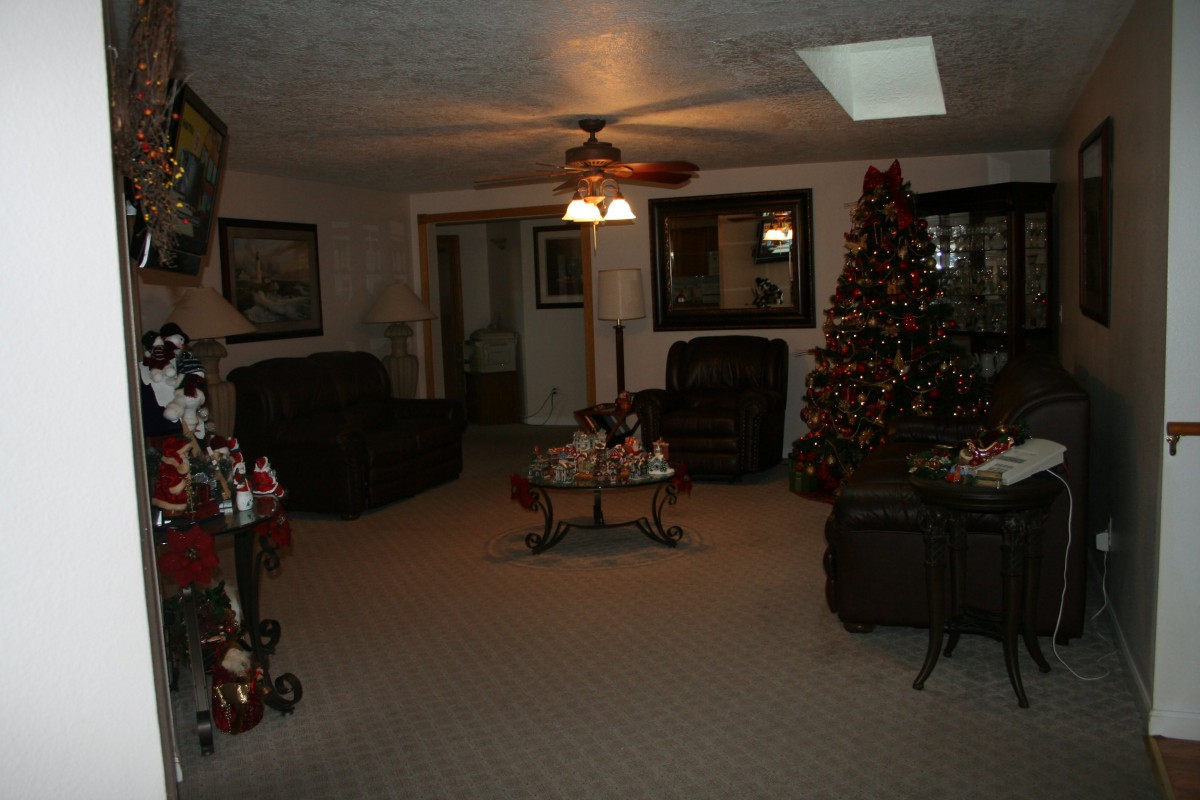
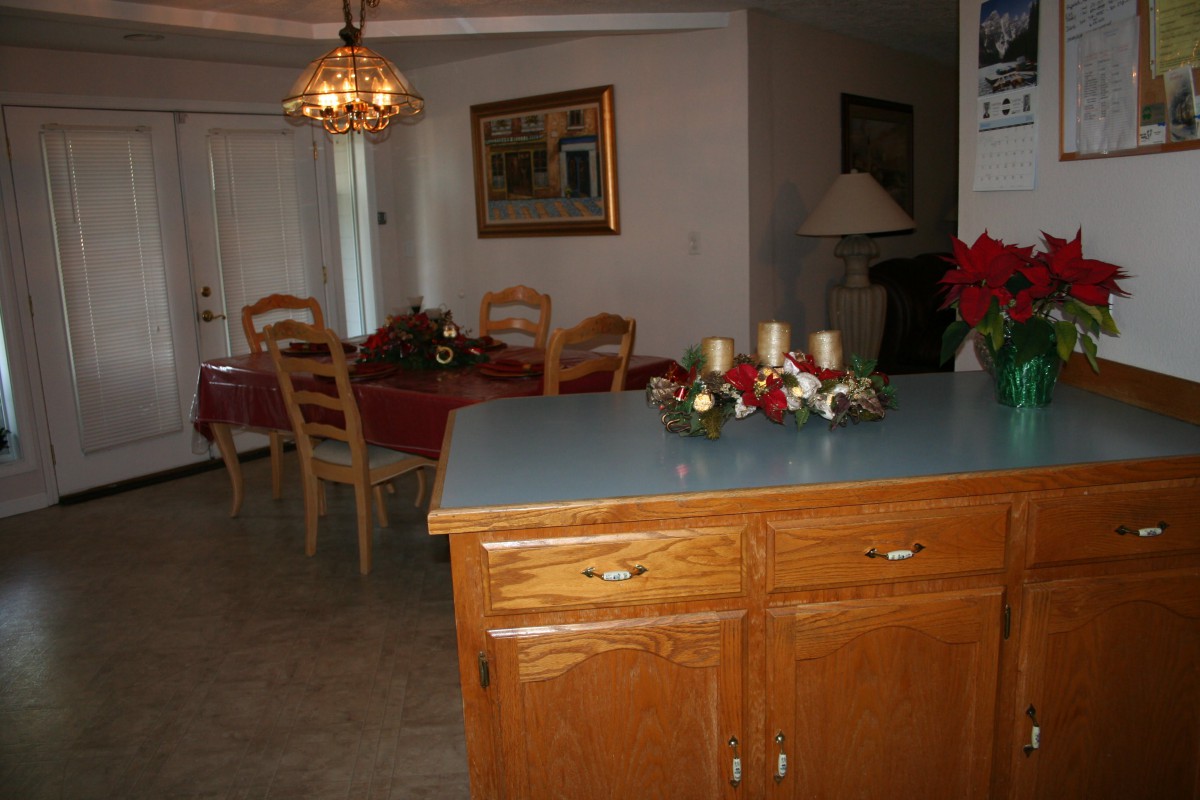
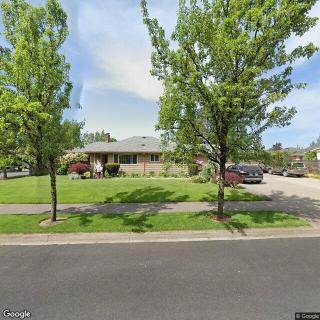
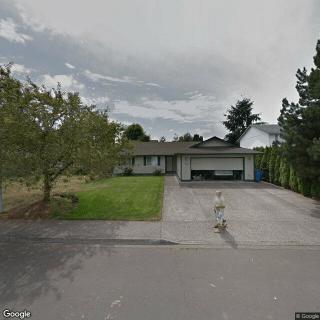
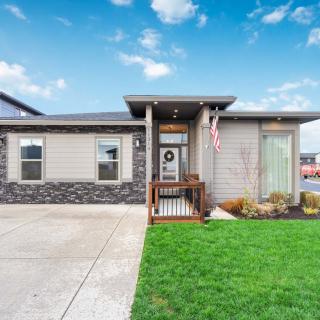
Harmony Adult Care Home in Vancouver, WA, is best suited for seniors who want a warm, intimate, family-style setting with dependable daily care and consistently clear communication with relatives. The staff are caring, professional, and attentive, treating residents with respect and compassion, and the facility itself feels warm and welcoming. Families report that communication is strong and proactive, providing peace of mind about the day-to-day routine and any changes in care. The environment comes across as peaceful and homelike, with clean, well-maintained spaces and a genuine sense of community. For someone who values a small, neighborly atmosphere where staff know residents well and can respond quickly to needs, Harmony checks many boxes.
This is good groundwork for many seniors, but the community's focus on basic care and respite is a critical caveat. One reviewer clearly noted that, beyond basic assistance and short-term relief for families, the experience can be inconsistent, with several bad moments highlighted. That kind of variability matters when the goal is steady, ongoing support. For seniors with higher medical needs, cognitive challenges requiring memory care, or families seeking long-term, predictable supervision, alternatives with broader service lines and more formal staffing structures are worth examining. Harmony functions best as a home-like stopgap or a trusted daily-care setting rather than a comprehensive care campus.
The strongest advantages are tangible and meaningful. The combination of respectful treatment, professional oversight, and a warm, peaceful living environment creates a powerful baseline of comfort. Clear, ongoing communication with families reduces uncertainty and makes care planning more straightforward. Residents benefit from good food, routine, and a sense of belonging within a close-knit provider family, which translates into less stress during transitions and daily life. These factors collectively support dignity, safety, and satisfaction, even when the medical needs are modest. For families prioritizing a calm, personable setting with reliable daily care, Harmony’s strengths align well with those priorities.
Yet, the prospective shortcomings must be weighed carefully. The apparent emphasis on basic care means that more advanced needs, such as chronic disease management, skilled nursing oversight, or specialized memory support, may require looking elsewhere. The note about bad experiences, albeit from a minority, signals possible variability in service quality or day-to-day consistency, a concern for long-term placement. Without explicit evidence of extensive programming, medical staffing ratios, or memory-care amenities, caution is warranted for residents who require more than routine assistance or who expect a highly structured schedule. In those cases, more robust options may deliver greater reassurance.
Decision-ready families should pursue a disciplined discovery process. A thorough tour focused on care planning, medication management, and safety protocols is essential. Observing staff-resident interactions, meal service, and the handling of daily routines can reveal how consistently the promised warmth translates into actual practice. Inquire about respite policies, what “basic care” entails, and how care plans adapt to changing needs. Asking for references and arranging a short-term stay can illuminate consistency across shifts and help forecast a long-term experience. These steps make it possible to validate Harmony’s fit against specific care requirements and expectations.
Ultimately, Harmony offers a compelling option for those who place a premium on a home-like atmosphere, accessible staff, and straightforward daily care, especially when a calm, family-centered setting is paramount. The combination of caring personnel, a clean, peaceful environment, and open communications creates a solid foundation for trust and comfort. The main trade-off is clear: it is best suited for basic daily support and respite care, not for high-acuity or memory-care needs. If those more demanding requirements exist, exploring alternatives with broader services is prudent. For the right resident, Harmony can be a dependable, comforting choice in Vancouver that supports independence while keeping families closely connected.
 Board and Care Home
 Activities off-site
 Bath tubs
 Beautician on-site
 Devotional services off-site
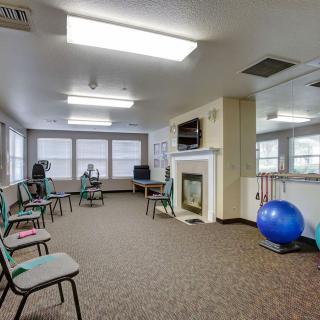
 Indoor common areas
 Outdoor common areas
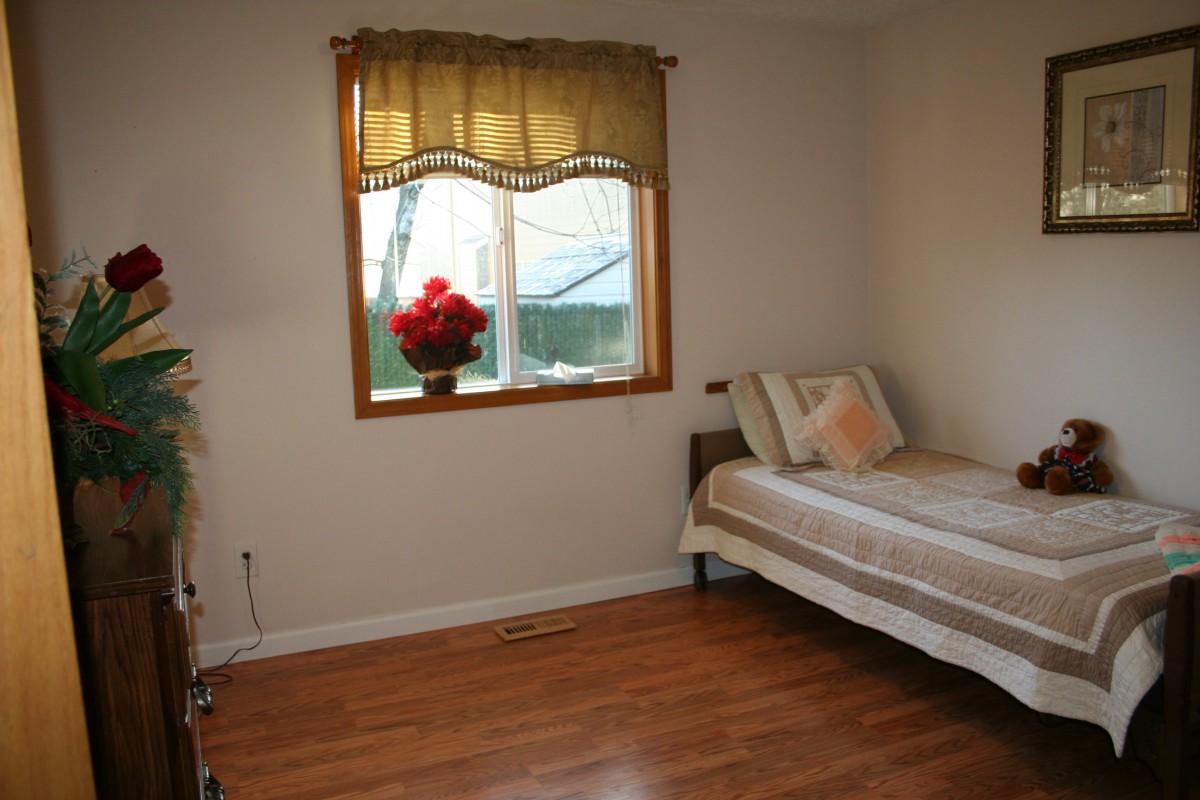
 Private
 Private bathrooms
 Respite or short term stays offered
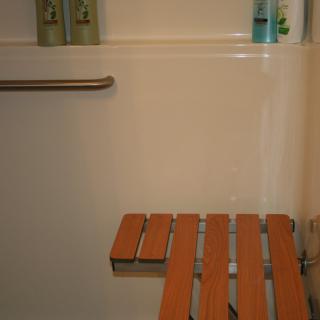
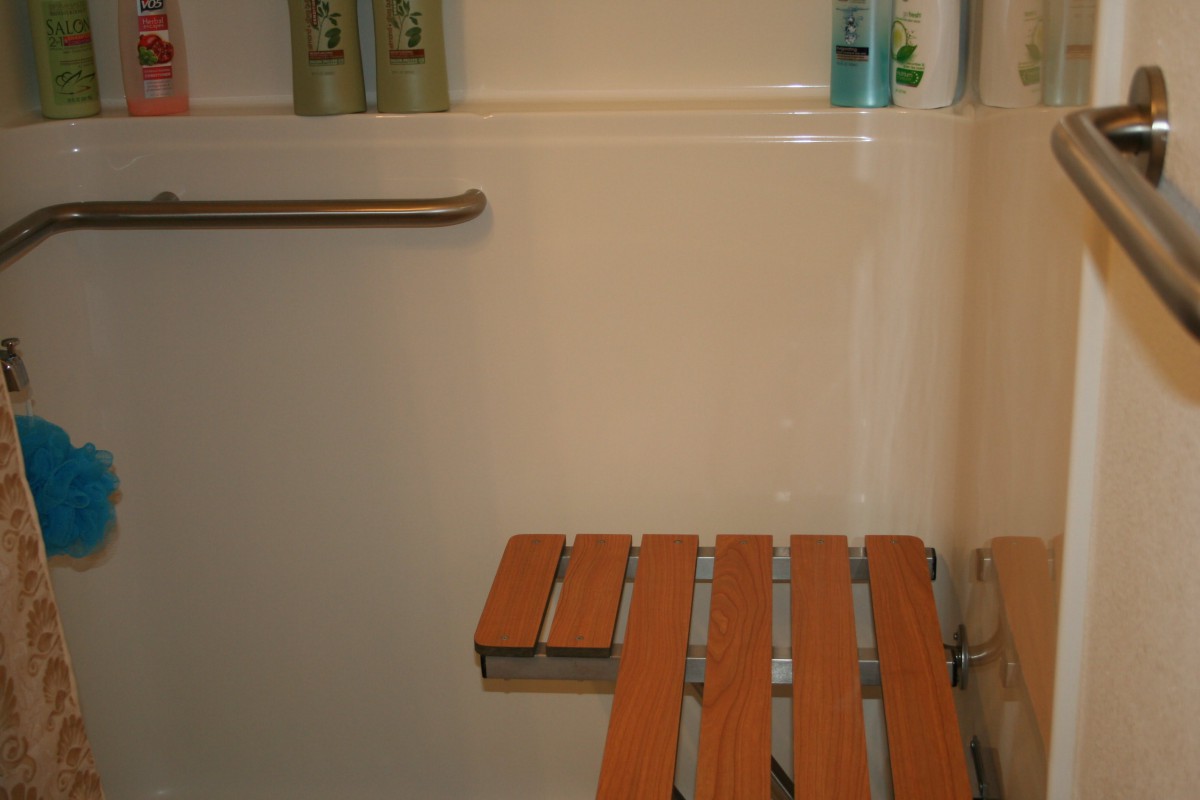
 Wheelchair accessible showers
 Portland International (6 miles away)
 Diabetic care
 High acuity care
 Incontinence care
 Medication management
 Anytime dining
 BBQs or picnics
 Birthday parties
 Live musical performances



 Comprehensive Insights and Practical Strategies to Help Older Adults Avoid Falls
 6 Crucial Ways an Elder Law Attorney Assists Families
 Navigating the Tax Landscape of Caregiving: Credits, Deductions, and Beyond