

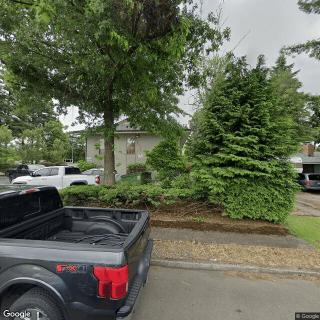
8528 NE 14th Ln, Vancouver, WA 98664
To contact a resident: (360) 891-2133
For more information about senior living options: (866) 208-4318
Gabriela's Quality Care Costs & Pricing
Gabriela's Quality Care offers competitively priced private rooms at $2,200 per month, significantly lower than the average costs in both Clark County and the state of Washington. In comparison, the monthly rate for similar accommodations in Clark County stands at $3,992, while statewide figures reach an even higher average of $4,772. This pricing not only highlights Gabriela's commitment to providing quality care but also underscores its value proposition for families seeking affordable options without compromising on comfort and services.
| Floor plans | Gabriela's Quality Care | Clark County | Washington |
|---|---|---|---|
| Private | $2,200 | $3,992 | $4,774 |
Senior living communities with a similar price nearby
-
from +$300 / mo

Mapleview Manor, LLC
$2,500 / month14.5 miles away -
About the same

The Peace and Joy Garden
$2,200 / month3.7 miles away -
from -$200 / mo

Alliance Home Health
$2,000 / month12.2 miles away -
from +$300 / mo

A Gentle Care Home
$2,500 / month12.1 miles away -
from +$300 / mo

Sacred Heart Adult Foster Care
$2,500 / month12.3 miles away
Overall Review of Gabriela's Quality Care
Pros
 Gabriela has over 25 years of experience caring for the elderly.
- Gabriela took care of a mom for over six years.
- Gabriela and her staff provide compassionate, respectful caregiving.
- The facility led by Gabriela is highly recommended by families.
- Gabriela and her staff did an amazing job throughout the hospice period.
- The care facility serves three meals a day with fresh, organic ingredients.
- The mom’s room was consistently clean and she was well cared for by Gabriela and her family.
Review
Gabriela's Quality Care in Vancouver, Washington, is best suited for families seeking a small, home-style assisted living option that prioritizes personal attention over institutional scale. This community fits seniors who want a warm, domestic environment where a seasoned caregiver leads a tight-knit team and residents are known by name rather than by room number. The strongest case comes from consistent, compassionate care, predictable routines, and meals prepared with fresh ingredients rather than cafeteria-style fare. The owner brings more than 25 years of elderly-care experience, and that depth translates into a hands-on approach that feels more like a family arrangement than a clinical stay. In practice, this setting can be ideal for residents who thrive on close, daily familiarity with caregivers and a degree of flexibility that is hard to find in larger facilities, especially when end-of-life or hospice needs arise.
Those weighing alternatives should consider what happens when medical complexity, staffing depth, or program breadth becomes a priority. If a loved one requires robust on-site medical staffing, 24/7 licensed nursing oversight, or a formal memory-care program with scheduled cognitive therapies and a broader activity calendar, a larger or more clinical community may be a wiser fit. This little house option operates more like a private residence with a caregiving team that’s deeply invested, but it lacks the scale and formal structures several families rely on for around-the-clock clinical care. Families who prioritize a strong clinical footprint, extensive social programming, or a robust on-site therapy staff would do well to compare other options in Vancouver or nearby towns.
The primary pros of Gabriela's Quality Care are tangible and substantial. First, the ownership and caregiving team bring decades of practical experience, which translates into thoughtful, proactive attention to daily needs and nuanced changes in health status. Second, the staff’s approach is consistently described as compassionate, respectful, and genuinely attentive, with a willingness to stay with residents through challenging phases, including hospice care. Third, the home-style setting fosters a sense of dignity and belonging, where meals, often highlighted as fresh and, on occasion, organic, feel like they come from a kitchen that genuinely cares. Fourth, cleanliness and tidiness appear to be standard, with rooms that residents can regard as personal spaces rather than impersonal hotel rooms. Finally, the model supports family involvement, conversations with loved ones are welcomed, and families repeatedly note feeling reassured by the level of personal investment in their relative’s comfort and happiness.
These strong positives offset several potential drawbacks arising from the small-scale format. The intimate setting means residents receive highly individualized attention, with the caregiver’s deep knowledge of preferences reducing the likelihood of mismatched routines or overlooked needs. The longevity of the caregiving team also reduces turnover anxiety, making daily life predictable for residents who rely on familiar faces. The hospice experience demonstrated in practice, where care remains compassionate and attentive even as care goals shift, offers real value to families navigating end-of-life decisions. While a small home environment cannot substitute for a full clinical staff, the strength of trained, motivated caregivers often compensates with faster, more nuanced responses to daily fluctuations, pain management, and comfort needs.
However, the presence of a 2-star rating in the collection cannot be ignored, even if the detailed concerns behind that rating are not provided in the reviews. Acknowledging that one reviewer voiced dissatisfaction encourages a careful, pointed inquiry during tours: what is the exact caregiver-to-resident ratio at all shifts, how is medication management handled, what is the process for urgent medical needs, and how quickly can professional medical input be obtained if symptoms worsen? The overall sentiment across the narrative remains overwhelmingly positive, but the limited sample size means potential misalignments could emerge in individual experiences. Prospective families should verify licensing specifics, understand who is on-site at night, and confirm how emergency protocols are managed. In short, demand clarity on operational specifics to ensure expectations align with daily reality.
In the final assessment, Gabriela's Quality Care stands out as a strong candidate for families prioritizing a warm, intimate, and highly relationship-driven care experience. It is particularly well-suited for residents who value continuity of care, a home-like feel, and direct access to a caregiver with substantial hands-on expertise. The model works best for those who can operate within a smaller footprint and who do not require round-the-clock medical specialization or a large, highly structured activity program. For families chasing a high-density facility with extensive clinical resources and formal memory-care programming, it would be prudent to look elsewhere. The recommended next steps are clear: arrange a visit to observe daily routines, speak with the owner and caregivers about staffing patterns and response times, request licensing details, and speak with current families about day-to-day life. If the fit lines up with these realities, Gabriela's Quality Care offers a compelling, trustworthy option in the Vancouver area for dignified, personalized elder care.
 Board and Care Home
 Private
 Private bathrooms
 Portland International (3 miles away)
 Diabetic care
 High acuity care
 Christian services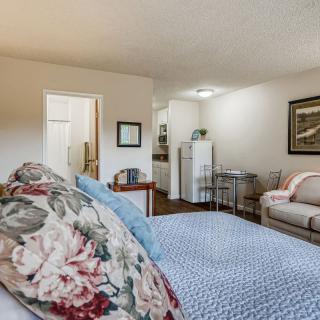




 Is a Geriatric Care Manager the Right Choice for Your Family?
 Compassionate Conversations: How to Comfort Someone Who Is Grieving
 Home Health Care Aides: Understanding Their Role and Supporting Your Family