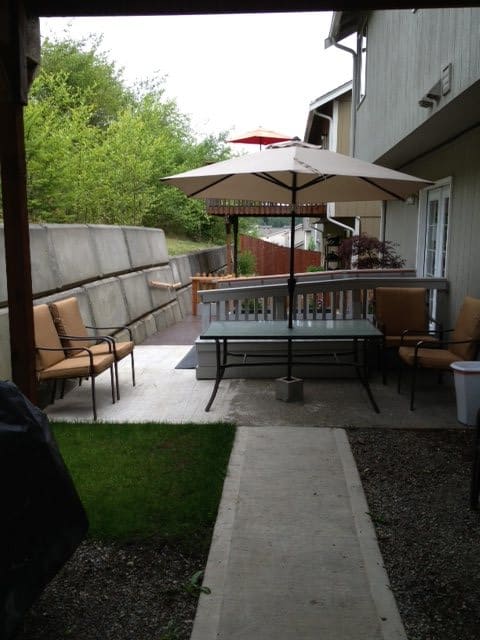
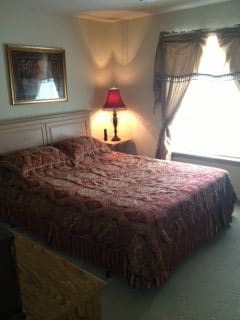
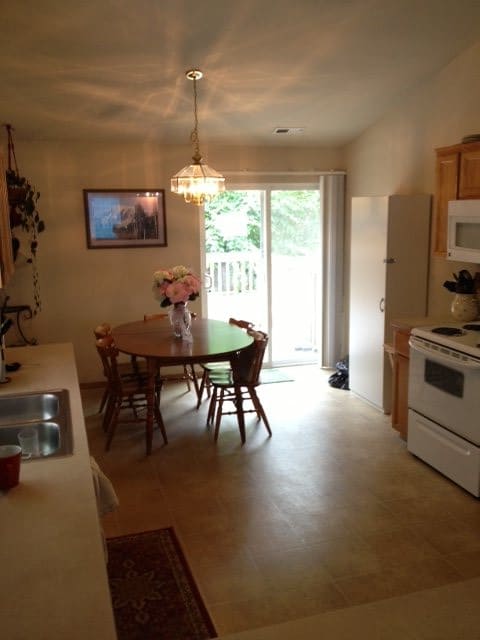
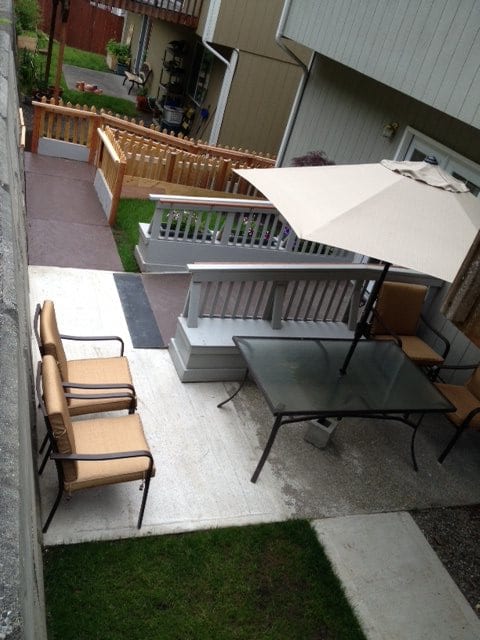
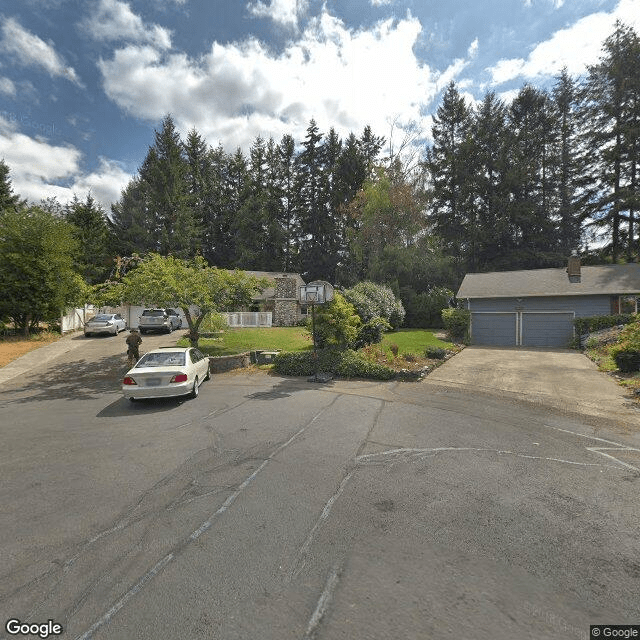
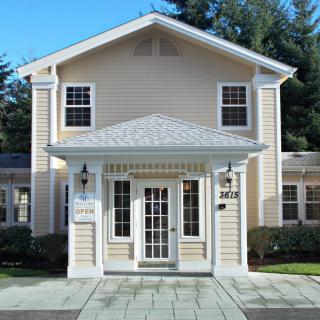
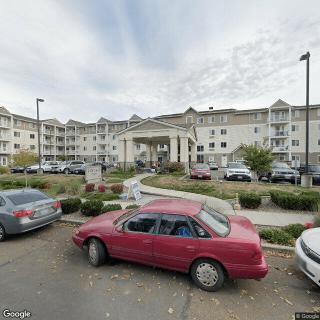
3621 Oas Dr W, University Place, WA 98466
To contact a resident: (253) 625-5137
For more information about senior living options: (866) 208-4318
Woodland Adult Family Home Costs & Pricing
Woodland Adult Family Home offers competitive pricing in comparison to both Pierce County and the broader Washington state averages. For a semi-private room, Woodland's rate stands at $4,000 per month, which is notably lower than the county average of $4,264 and the state average of $4,267. This creates an attractive option for those seeking cost-effective care without compromising on quality. In terms of private rooms, Woodland charges $6,000 monthly - higher than the county's average of $4,623 and the state's average of $4,772. This pricing reflects the personalized care and tailored services that residents can expect at Woodland Adult Family Home, ensuring a supportive environment suited to individual needs.
| Floor plans | Woodland Adult Family Home | Pierce County | Washington |
|---|---|---|---|
| Semi-Private | $4,000 | $4,264 | $4,272 |
| Private | $6,000 | $4,623 | $4,774 |
Senior living communities with a similar price nearby
-
About the same

Riverton Home Care
$4,000 to $5,000 / month20.9 miles away -
About the same
Canterwoods Estate AFH
$4,000 to $5,500 / month20.7 miles away -
About the same
Gentle Care Home
$4,000 to $5,500 / month24.8 miles away -
from -$500 / mo

Twin Lakes Haven Adult Family Home
$3,500 to $8,000 / month10.5 miles away -
from -$500 / mo
Valley Home Care
$3,500 / month21.7 miles away
Overall Review of Woodland Adult Family Home
Pros
 The family home provided the best care for the dad.
- The caregivers took the time to get to know the dad’s likes and interests.
- The dad rested comfortably during visits, with staff tending to him attentively.
- He was treated as a person, not simply as a number or a room.
- Visitors observed that the dad looked comfortable on every visit.
- Families are encouraged to consider this home for their loved ones and seize the opportunity.
Review
Woodland Adult Family Home in University Place, WA, is best suited for families seeking a small, home-like setting where care feels intensely personal and relationships with residents matter as much as the routine. This community shines when a loved one benefits from a caregiver team that knows preferences, daily rhythms, and individual interests, rather than from a large, impersonal facility. It is particularly well aligned with residents who require attentive supervision and a warm, familial atmosphere, where the focus is on comfort, reassurance, and daily consistency over a broad slate of institutional amenities.
Those who may want to consider alternatives include families prioritizing robust medical oversight or specialized programming. If a resident needs consistent on-site nursing, complex clinical management, or a comprehensive memory-care curriculum with structured activities, a larger assisted living or dedicated memory-care community could be a better fit. For residents with significant mobility or medical needs requiring frequent, medically supervised interventions, a setting designed around skilled nursing or a larger campus might deliver the level of risk monitoring and rapid escalation families expect.
The strongest pros here are the personalized, relationship-driven care and the sense that the staff truly sees the individual. The reviews recount staff taking time to learn the resident’s likes and interests and providing a level of attentiveness that translates into peaceful visits and steady, reassuring presence. That hands-on approach can translate into better comfort, less agitation, and calmer nights for a total-care focus resident. When a call button is “not on” as described, it signals a proactive, low-stress environment where caregivers are nearby, attentive, and engaged with daily well-being, not merely performing tasks. These advantages can offset the usual trade-offs of a small home setting, such as fewer on-site medical resources or formal programming, by delivering a consistently high-touch experience.
However, the main trade-off inherent in an adult family home is the balance between intimacy and medical breadth. In Woodland’s model, families should anticipate less immediate access to on-site nursing supports, fewer stand-alone therapy programs, and a smaller calendar of specialized activities than found in larger facilities. For a resident with complex or volatile medical needs, this can translate into slower response times for certain interventions or a reliance on external providers for consistent clinical oversight. The offset comes in through staff continuity, the ability to tailor routines to the resident, and a home environment that reduces the stress associated with big-care settings.
Visitation and daily life at Woodland appear to be centered around comfort and familiarity. The reviews emphasize a sense of “resting comfortably” and a caregiver culture that looks beyond tasks to the person, which can be transformative for families who want tangible evidence that a loved one is thriving in a supportive, nonclinical atmosphere. Still, prospective residents should verify practical details: the caregiver-to-resident ratio, the residents’ daily schedule, access to medications, and what happens when medical needs exceed in-house capabilities. Ask outright about emergency protocols, how often medical staff are on-hand, and how coordination with physicians is handled if the situation requires swift escalation.
In the end, Woodland Adult Family Home offers a compelling value proposition for families prioritizing warmth, familiarity, and individualized care. It is a strong match for residents who flourish when staff know their routines, preferences, and nuanced needs, and for families who want to feel that their loved one is not just housed but truly cared for. Those whose criteria include extensive medical programming, robust on-site clinical services, or large-scale social opportunities should weigh alternatives carefully. Conduct a direct visit, observe the daily dynamics, and interrogate the care plan with the same care given to a loved one, this is the best way to determine whether Woodland aligns with the resident’s medical needs and the family’s expectations for ongoing confidence and peace of mind.
 Board and Care Home
 Activities off-site
 Bath tubs
 Cable or satellite TV
 Devotional services off-site
 Indoor common areas
 Outdoor common areas
 Private
 Private bathrooms
 Wheelchair accessible showers
 Wi-Fi/high-speed internet available
 Seattle-Tacoma International (19 miles away)
 Diabetic care
 High acuity care
 Incontinence care
 Medication management
 Kosher
 BBQs or picnics
 Birthday parties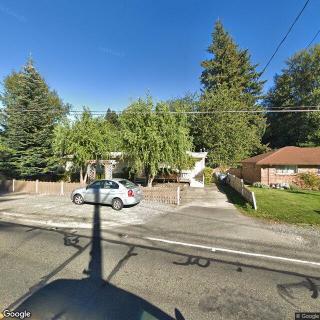
 Supportive Employee Benefits That Help Caregivers Attain Better Work-Life Harmony
 Top Cars for Senior Drivers and Essential Safety Innovations
 A Closer Look at Private Pay Home Care