

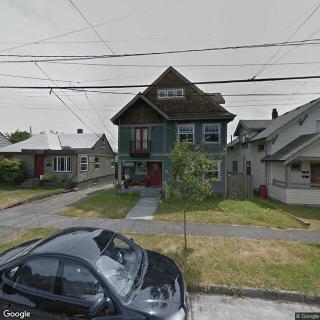
7060 9th Ave NW, Seattle, WA 98117
To contact a resident: (206) 963-5372
For more information about senior living options: (866) 208-4318
Kemoson Family Home Costs & Pricing
At Kemoson Family Home, the monthly cost for a private room is set at $4,000, which positions it as a more affordable option compared to the average costs in King County and across Washington state. In King County, the typical monthly fee for a similar private room reaches approximately $5,034, while in the broader state of Washington, the average stands at around $4,772. This makes Kemoson Family Home not only a competitive choice but also an appealing alternative for families seeking quality care without exceeding their budget. The financial advantages it offers can be significant for those navigating the landscape of long-term care options.
| Floor plans | Kemoson Family Home | King County | Washington |
|---|---|---|---|
| Private | $4,000 | $5,034 | $4,774 |
Senior living communities with a similar price nearby
-
from -$500 / mo
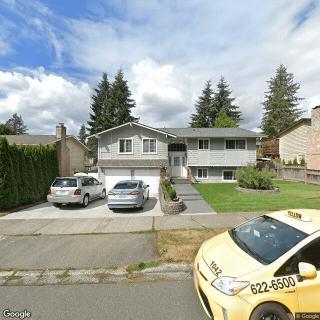
Dignity Life
$3,500 / month13.3 miles away -
from -$625 / mo

Evergreen Manor Senior Care Inc
$3,375 to $7,500 / month9.3 miles away -
About the same
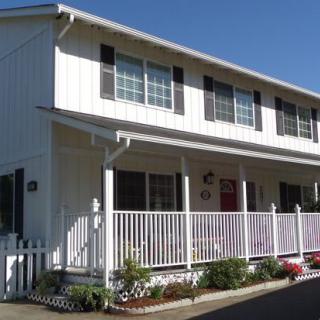
Meadow Crest Senior Home
$4,000 to $6,000 / month14.9 miles away -
About the same

Riverton Home Care
$4,000 to $5,000 / month14.6 miles away -
About the same
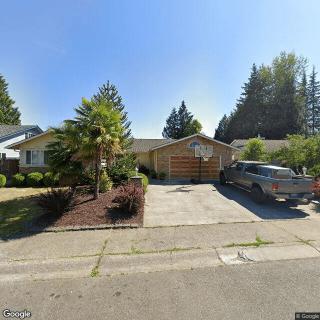
Gentle Care Home
$4,000 to $5,500 / month19.4 miles away
Overall Review of Kemoson Family Home
Pros
 Kin took care of his dad like no other.
- The dad loved the food and felt cared for.
- Everyone was helpful and patient with him.
- Kin On brought a bit of happiness during his time in care.
- Elders were treated with the utmost respect.
Cons
 Avalon Nursing Home in Federal Way was a horrible place.
- It was the worst experience ever.
Review
Kemoson Family Home in Seattle is best suited for families seeking a small, intimate, caregiver-led environment where an elderly resident receives highly personal attention, consistent warmth, and everyday support that feels more like a traditional home than a clinical facility. The couple of reviews highlight a staff dynamic that prioritizes patience, respect, and hands-on care, with food and daily routines described as comfortable and meaningful. This setting tends to attract seniors who value close relationships with caregivers, predictable daily structure, and a sense of belonging that reduces the sense of institutional distance.
Those considering alternatives should weigh the realities of medical acuity and long-term care needs. If a elder requires robust, nursing-level oversight, frequent medical interventions, rehab services, or secure memory-care protocols, a larger campus with on-site physicians or dedicated rehab units may be a better fit. The reviews hint at a boundary between warm daily life and higher-level medical complexity, suggesting that Kemoson excels at companionship and everyday support but does not publicly position itself as a full-service medical facility. Families with significant clinical requirements may want to explore options that explicitly advertise continuous medical oversight.
The strongest pro is the evident, compassionate caregiver culture. Kin (or Kin On) stands out as a caregiver who delivers exceptional, individualized attention that leaves family members with confidence and relief about their loved one’s daily life. The care philosophy translates into meaningful moments, delicious meals that residents look forward to, patient explanations that help families understand day-to-day needs, and a respectful, dignified approach to aging in place. This combination can dramatically reduce family anxiety by ensuring that the elder’s emotional and social needs are being met with sincerity and consistency.
A notable caveat follows from the one substantive caution in the reviews: the narrative around transitions to other facilities. The family described a negative experience at a separate nursing home after leaving Kemoson for a different setting, which underscores a potential limitation in long-term medical viability or continuity if medical needs escalate. In practical terms, this signals that Kemoson may be best viewed as a strong bridge option, excellent for daily living quality and relational care, but not a guaranteed long-term medical hold if an elder’s condition requires sustained, hospital-level services. This nuance matters for families planning a multi-year horizon.
How the positives offset the concerns rests on prioritization. For families prioritizing emotional well-being, consistent companionship, and a home-like rhythm, the care at Kemoson appears to deliver substantial value that can offset the absence of heavy medical infrastructure. The warmth of interactions, reliability of staff, and reliable mealtime satisfaction create a powerful quality-of-life dividend that is often hard to achieve in larger facilities. Yet for those whose peace of mind depends on unwavering medical continuity or access to on-site high-acuity care, these advantages may not fully compensate for the lack of robust clinical resources.
The bottom-line is practical and focused. Kemoson Family Home is a compelling option for seniors who want a human-centered, respectful, and homelike environment, where staff relationships matter as much as daily routines. It is less well-suited for elders with complex medical needs or those requiring ongoing hospital-level care, rehab services, or seamless continuity through transitions that involve acute medical supervision. Families should approach with a clear checklist: inquire about staff-to-resident ratios, confirm what medical supports are available on-site or nearby, ask about transition planning if health declines, and request candid examples of how medical emergencies would be handled. In sum, for those who prize dignity, warmth, and daily life well lived, Kemoson Family Home stands out as a strong, practical choice in Seattle.
 Board and Care Home
 Private
 Seattle-Tacoma International (16 miles away)
 Diabetic care
 High acuity care
 Islamic services


 Understanding the Nuances of Palliative Care and Hospice: A Comprehensive Exploration
 Fecal Incontinence in Older Adults: A Comprehensive Guide
 Nurturing Well-Being Through Gardening: A Detailed Guide for Senior Enthusiasts