

12752 Roosevelt Way NE, Seattle, WA 98125
To contact a resident: (206) 420-1253
For more information about senior living options: (866) 208-4318
C & A Senior Care, Inc. Costs & Pricing
C & A Senior Care, Inc. offers competitive pricing for its services compared to both King County and the broader state of Washington. For semi-private rooms, C & A's monthly cost is $2,000, significantly lower than King County's average of $4,430 and Washington state's average of $4,267. Similarly, their private rooms are priced at $3,000, which remains well below the county's average of $5,034 and the state's average of $4,772. This positions C & A Senior Care as an attractive option for families seeking quality senior care without compromising on affordability.
| Floor plans | C & A Senior Care, Inc. | King County | Washington |
|---|---|---|---|
| Semi-Private | $2,000 | $4,430 | $4,272 |
| Private | $3,000 | $5,034 | $4,774 |
Senior living communities with a similar price nearby
-
from +$337 / mo

Marine Courte Memory Care
$2,337 to $3,228 / month19.2 miles away -
from +$70 / mo

Marvelle at Southcenter
$2,070 to $3,119 / month19.3 miles away -
About the same

Chateau at Valley Center
$1,945 to $5,090 / month20.2 miles away -
from -$110 / mo
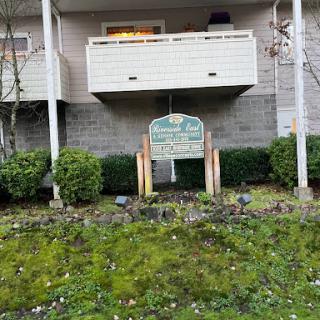
Riverside East Retirement
$1,890 to $3,050 / month6.0 miles away -
from +$350 / mo

Truewood By Merrill, First Hill
$2,350 to $5,550 / month7.6 miles away
Overall Review of C & A Senior Care, Inc.
Pros
 The staff at Northgate Senior Care are kind and caring.
- They provided loving care for the stepdad and also looked after the mom and the family.
- Northgate Senior Care made it feel like a real home in the best sense.
- The family is very grateful to Northgate Senior Care.
- The care team’s generosity eased what could have been a difficult transition.
Cons
 None found.
Review
C & A Senior Care, Inc. in Seattle is best suited for families seeking a warm, home-like environment where residents receive genuinely compassionate, hands-on care and where family involvement is welcomed and encouraged. The setting is ideal for older adults who prioritize daily personal attention, a familial atmosphere, and staff who treat residents like extended family. In this context, residents are likely to experience meaningful companionship, regular reassurance from caregivers, and a sense of safety that comes from a small-community feel rather than a large institutional footprint.
There is value in noting who may want to consider alternatives. For families with residents requiring high-acuity medical oversight, extensive nursing management, or specialized programming for memory care or complex conditions, this community’s strengths may not fully align with those needs. Likewise, households seeking a broad spectrum of on-site clinical services, wide-ranging activities, or a large campus with diverse residences should compare options to ensure the level of medical support and program variety matches expectations.
The strongest pros, the staff’s kindness and the sense that the home is truly “owned” by care, not just supervised, powerfully offset potential concerns about the lack of breadth in services. When caregivers are described as loving and attentive, and when families feel supported alongside the resident, the emotional and relational dimensions of care often trump questions about scale. The testimonial that staff took loving care of the step-dad and also supported the family speaks to a level of warmth and reliability that reduces caregiver burden and enhances comfort during transitions. In practical terms, this means fewer tense days and more predictability for both resident and kin, which is a meaningful offset to any hesitation about the facility’s capacity or breadth of programming.
That same warmth can also shape outcomes in ways that matter to decision-makers. For seniors who do not require constant clinical intervention but do want a regular cadence of personal contact, social engagement, and daily routine, the environment becomes a powerful asset. The home-like atmosphere, when paired with staff who remember routines, preferences, and family dynamics, often yields steadier morale and better adherence to care plans. The caveat is that families should be comfortable with a setting where medical resources are not the centerpiece of daily life; this is where the choice hinges on whether emotional well-being and simplicity of care outweigh the desire for a wider menu of services or more expansive medical oversight.
Because only one favorable review exists in the pool, the data carries inherent limits. A cautious approach is warranted: verify consistency, inspect current staffing levels, and request direct testimonials from other families. Prospective residents should tour with questions about nurse-to-resident ratios, medication management practices, and how care plans are developed and updated. Ask how family communication is handled, how quickly staff respond to call bells or changes in condition, and what the routine calendar looks like in a typical week. These specifics will illuminate whether the compassionate culture described in the review scales reliably across all residents.
Bottom line: for families who prize a heartfelt, home-like setting with truly compassionate, involved staff, C & A Senior Care presents a compelling option in Seattle. For those whose priorities center on robust clinical supervision, diverse programming, or highly specialized memory care, it is prudent to compare with larger facilities or campuses that foreground medical capacity and dementia-specific resources. The decision should hinge on alignment between the resident’s care needs and the facility’s evident strengths, personal attention, family-friendly communication, and a welcoming atmosphere, while remaining vigilant about the trade-offs inherent in a smaller, warmth-driven operation. A thoughtful visit, frank conversations about care expectations, and written care plans will reveal whether this community is the best fit or if a different path will better safeguard long-term comfort and safety.
 Board and Care Home
 Private
 Seattle-Tacoma International (19 miles away)
 Diabetic care






 Comprehensive Guide to Qualifying for Home Health Care Services
 Powerful Realities of Elder Abuse and the Most Effective Ways to Report It
 Ten Vital Duties of a Senior Caregiver: A Comprehensive Guide