
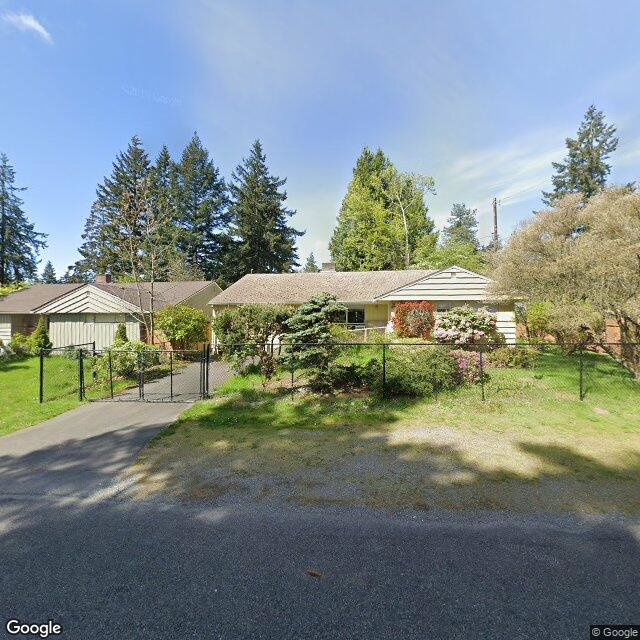
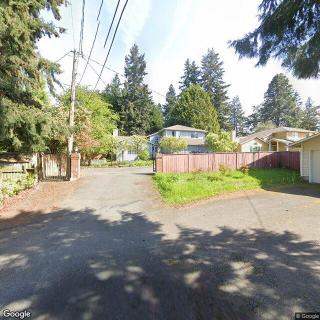
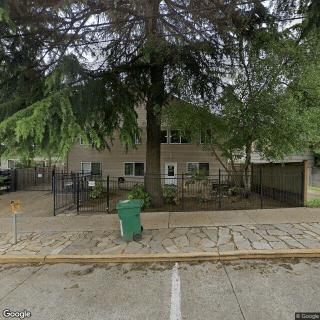
11757 9th Ave NE, Seattle, WA 98125
To contact a resident: (206) 367-3224
For more information about senior living options: (866) 208-4318
Pinehurst Home Costs & Pricing
Pinehurst Home offers a range of living accommodations that reflect its commitment to quality care and comfort. For a semi-private room, residents can expect to pay $5,500 per month, which is notably higher than the average costs in both King County ($4,430) and the broader Washington state average ($4,267). Similarly, residents opting for a private room at Pinehurst will incur a monthly fee of $7,500, surpassing the rates in King County ($5,034) and Washington state as a whole ($4,772). While Pinehurst Home's pricing may be above local norms, these costs are indicative of the exceptional services and amenities that underpin its reputation for excellence in senior living.
| Floor plans | Pinehurst Home | King County | Washington |
|---|---|---|---|
| Semi-Private | $5,500 | $4,430 | $4,272 |
| Private | $7,500 | $5,034 | $4,774 |
Senior living communities with a similar price nearby
-
from +$1000 / mo
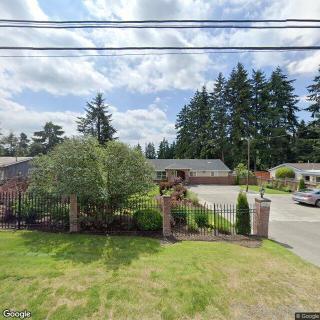
The Promised Land
$6,500 / month5.9 miles away -
from +$500 / mo
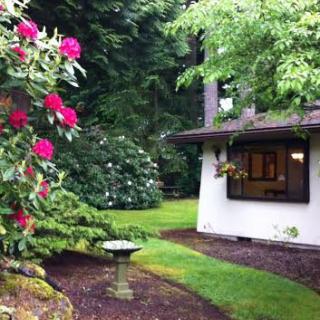
Home Away From Home LLC
$6,000 to $7,000 / month10.1 miles away -
from +$900 / mo

The Park at Belle Harbour
$6,400 to $15,500 / month8.6 miles away -
from +$500 / mo
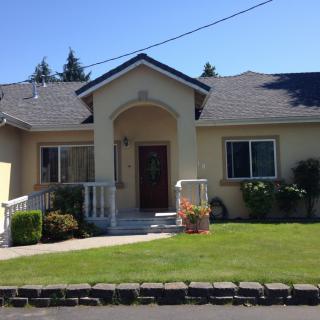
Elderly Home Care
$6,000 to $8,000 / month4.8 miles away -
from +$250 / mo

Fieldstone Rolling Bay and Fieldstone Memory Care
$5,750 to $8,895 / month9.3 miles away
Overall Review of Pinehurst Home
Pros
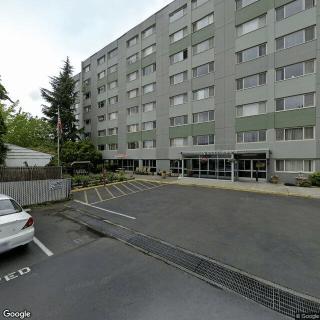
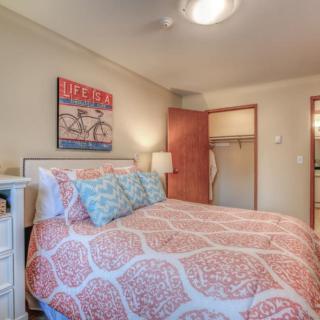
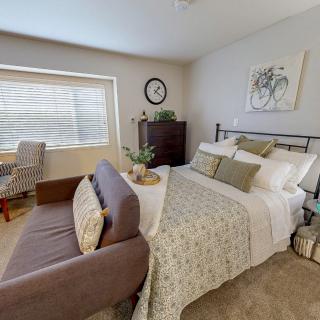
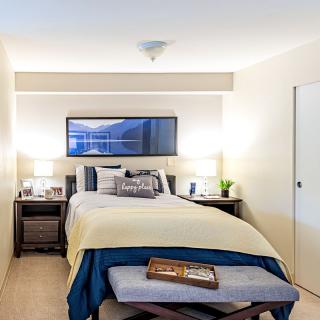
 Residents enjoy a spacious one-bedroom apartment with friendly neighbors.
 - Buses right outside the building provide easy access to nearby shopping areas.
- The environment is pleasant, contributing to a positive living experience.
- The residence feels like home, with long-term occupancy (three years) indicating satisfaction.
- The community is described as homey and great to live in, with quiet neighbors and convenient amenities like laundry and a community room.
Review
Pinehurst Home in Seattle is best suited for independent seniors who want a quiet, homelike apartment community with practical transit access and a genuinely neighborly vibe. The appeal rests in spacious one-bedroom apartments, a calm residential atmosphere, and the sense of belonging that comes from living among friendly neighbors. With buses right outside the building and a neighborhood feel that residents repeatedly praise, this option fulfills the core needs of stability, ease of errands, and a low-maintenance lifestyle. For residents who value a steady, comfortable pace over a buzzy campus atmosphere, Pinehurst offers a dependable, long-term home that supports daily autonomy without demanding high levels of care.
Those considering alternatives should note that Pinehurst is not designed as a full-service care campus. It lacks explicit on-site dining, comprehensive assisted living services, or memory-care programming. For seniors who require 24/7 caregiving, regular nursing support, or structured daily activities, other communities with dedicated care levels will be a more appropriate match. Similarly, households that insist on a pet-friendly environment with multiple dogs or who seek a more modern, amenity-packed setting may find this option limited. In short, Pinehurst serves independence well; those pursuing higher-intensity support or highly varied programming will want to explore other choices.
The strongest pros center on genuine home feel and practical conveniences. Residents praise the generous apartment size, the sense that neighbors are friends, and the overall quiet, comfortable environment. The building’s laundry facilities and a community room support routine, low-stress living, while reliable mail delivery from USPS, FedEx, and UPS simplifies daily logistics. Buses parked just outside the door convert transit into a straightforward daily habit, reducing the need for car ownership and enabling easy trips to nearby shops and services. These tangible benefits translate into fewer headaches and more predictable weekends, which is where independence and peace of mind converge.
On the flip side, the main cons are less visible but meaningful for decision-makers. There is scant evidence of on-site dining, organized activities, or other hands-on services that some seniors expect in a retirement setting. The reviews offer little detail about staffing levels, care options, or accessibility of staff for emergencies, which means potential residents must enter with the assumption of self-reliance or external support. The pet picture is nuanced, “very few dogs” signals a potentially restrictive policy for dog lovers, and this could be a drawback for those who equate pet-friendly living with greater daily companionship. While not a deal-breaker for many, these gaps are real considerations when comparing Pinehurst to more service-rich or pet-inclusive communities.
Still, the positives tend to offset the drawbacks for the intended audience. The apartment quality, the homey, low-stress ambiance, and the social warmth of quiet neighbors create a durable sense of belonging that many seniors prize. The stability suggested by long-term residency, someone noting three years in place, signals reliability and satisfaction, reducing turnover risk and fostering a familiar neighborhood network. The practical conveniences, private laundry, a communal space, and straightforward mail delivery, keep daily life manageable without overwhelming maintenance or cost. For a resident prioritizing autonomy, a modest footprint, and meaningful neighborly ties, Pinehurst delivers a compelling, low-drama option.
For families weighing a decision, Pinehurst Home is a strong fit when independence and proximity to Seattle amenities matter most. It is less well-suited for those who need comprehensive on-site care, robust daily programming, or a pet-friendly policy with broader animal options. Tourers should verify concrete details about staffing availability, meal programs (if any), transportation services beyond buses, guest policies, and maintenance responsiveness, then compare these against other communities with clearer care ladders and richer activity calendars. If the goal is to maintain autonomy within a stable, convivial neighborhood while keeping future care needs clearly anticipated, Pinehurst warrants careful consideration and a structured tour with targeted questions.
 Board and Care Home
 Cats allowed
 Dogs allowed
 Activities off-site
 Air-conditioning
 Bath tubs
 Beautician on-site
 Cable or satellite TV
 Devotional services off-site
 Handicap accessible
 Indoor common areas
 Outdoor common areas
 Private
 Wheelchair accessible showers
 Wi-Fi/high-speed internet available
 Seattle-Tacoma International (18 miles away)
 Ambulatory care
 High acuity care
 Incontinence care
 Medication management
 Gluten-free
 Art classes
 Forever fit
 Live dance or theater performances
 Live musical performances
 Stretching classes
 Wii bowling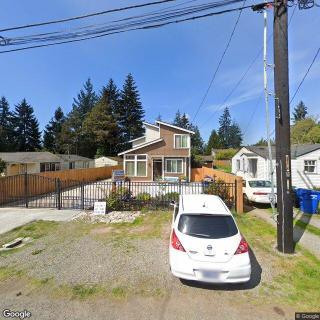
 8 Essential Assistive Devices for Older Adults
 Navigating the Financial Road to Nursing Home Care: In-Depth Guidance and Resources
 Supportive Employee Benefits That Help Caregivers Attain Better Work-Life Harmony