

204 NW 195th St, Shoreline, WA 98177
To contact a resident: (206) 753-9248
For more information about senior living options: (866) 208-4318
Anca's Adult Family Home Costs & Pricing
Anca's Adult Family Home offers a competitive rate for private rooms at $3,800 per month, significantly lower than the average costs in both King County and the broader state of Washington. In King County, the monthly cost for similar accommodations stands at about $5,034, while residents across Washington can expect to pay approximately $4,772. This pricing structure not only highlights Anca's commitment to affordability but also positions it as an attractive option for families seeking quality care without compromising on financial stability.
| Floor plans | Anca's Adult Family Home | King County | Washington |
|---|---|---|---|
| Private | $3,800 | $5,034 | $4,774 |
Senior living communities with a similar price nearby
-
from -$300 / mo
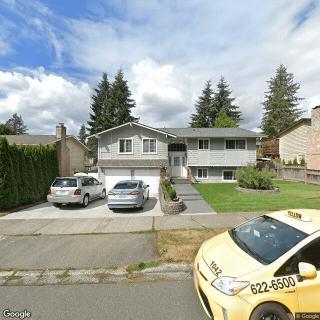
Dignity Life
$3,500 / month8.7 miles away -
from -$425 / mo
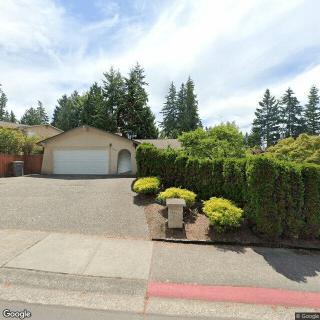
Evergreen Manor Senior Care Inc
$3,375 to $7,500 / month10.2 miles away -
from +$200 / mo
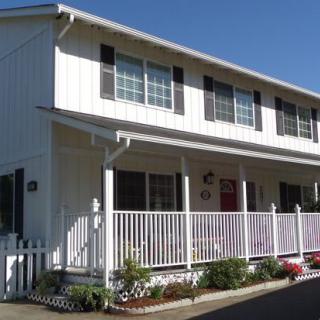
Meadow Crest Senior Home
$4,000 to $6,000 / month20.0 miles away -
from +$200 / mo

Riverton Home Care
$4,000 to $5,000 / month20.6 miles away -
from +$200 / mo
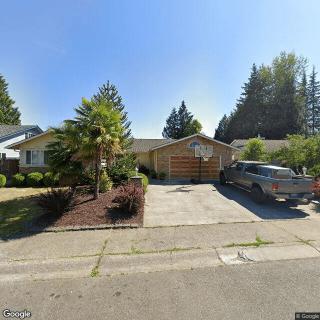
Gentle Care Home
$4,000 to $5,500 / month24.6 miles away
Overall Review of Anca's Adult Family Home
Pros
 The home is nice.
- The small home is nice.
Cons
 The home was very cluttered.
- There was too much furniture and too many things piled up everywhere.
- The space felt claustrophobic.
- It did not seem like a place someone would want to show to a loved one.
Review
Anca's Adult Family Home in Shoreline is best suited for seniors who want a small, home-based setting where daily care feels personal and hands-on. The property operates as a compact, family-style residence rather than a large, impersonal facility, which can translate into closer contact with the caregiver and a flexible rhythm that mirrors a private home. For residents who thrive with a routine that feels intimate, short hallways, familiar faces, and the sense that care is tuned to one family’s schedule, this environment can feel comfortable and approachable. The owner’s Romanian background is a notable characteristic, implying a warm, domestic atmosphere that appeals to families seeking cultural familiarity or a more homelike routine. This positioning can be a strong fit for those prioritizing relationship-based care over formal structure.
Alternatives should be considered for anyone who prioritizes safe, barrier-free navigation, or who needs a more neutral, professionally managed setting. The same small size that enables close contact can also yield cluttered spaces and restricted movement, which is a deal-breaker for residents using walkers or wheelchairs or for families worried about trip hazards. For those seeking predictable, standardized programming, medication management, and staff availability across a wider day, a larger assisted living community or a purpose-built residence may deliver more assurances and clearer protocols. Residents with memory care needs or whose loved ones expect formal oversight may find an alternative environment better aligned with expectations for safety and consistent staffing.
On the upside, the compact home can foster a sense of belonging and rapid daily communication. A single caregiver or small team often means less impersonality, quicker responses, and more flexibility in meal times and activities tailored to the resident’s preferences. The home-like setting can support family visits without the stiffness of an institutional setting, making it easier for relatives to participate in daily routines. The owner's hands-on approach often translates into continuity of care, with familiar routines and a predictable schedule that can be comforting for residents who dislike large, impersonal campuses. In short, personal attention is the standout benefit where the environment aligns with a family-oriented care model.
Yet the case against this setting centers on space and clutter. Descriptions consistently flag a very cluttered interior with too many pieces of furniture and piled-up belongings, creating a cramped, claustrophobic feel. Narrow passages, crowded corners, and limited open floor space can impede safe movement, especially for residents using mobility devices or during emergencies. The home-like charm quickly becomes a hazard if clutter obstructs exits or makes routine activities awkward. While intimate, the environment risks overwhelming visitors and residents who value a calm, uncluttered atmosphere and straightforward navigation through living, dining, and bathroom areas.
Given the realities, the positive aspects only partly compensate for the dominant drawbacks. For a resident who prizes daily warmth, direct caregiver relationships, and the flexibility that comes with a small operation, the benefits can still be meaningful. However, the clutter issue undermines comfort, safety, and dignity, particularly for an aging population that may require predictable, accessible layouts. In most cases, the con is not easily offset by personal attention alone, unless the home implements robust decluttering and safety strategies that keep pathways clear while preserving the intimate feel. Pros and cons hinge on whether the management can convert the space into a calm, navigable environment without losing the personalized touch.
Families evaluating Anca's should approach with a clear checklist: observe how crowded spaces feel at peak hours, test mobility around furniture, and inquire about plans to reduce clutter and improve flow. If a loved one can tolerate a cozy, family-style atmosphere with active, generous caregiver time, a tentative fit exists, provided space isn't currently hindering safety or day-to-day independence. For most buyers, however, it is prudent to compare with larger, purpose-built options that emphasize uncluttered layouts, structured programming, and formal oversight. Tours should prioritize travel distance, staff ratios, and the ability to customize accommodations to ensure the setting supports both comfort and safety in equal measure.
 Board and Care Home
 Activities off-site
 Bath tubs
 Beautician on-site
 Devotional services off-site
 Indoor common areas
 Outdoor common areas
 Private
 Respite or short term stays offered
 Wheelchair accessible showers
 Seattle-Tacoma International (22 miles away)
 Ambulatory care
 Diabetic care
 High acuity care
 Incontinence care
 Medication management
 Kosher
 Christian services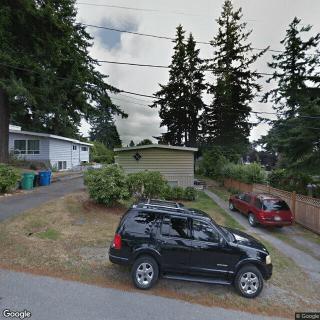






 Understanding the Full Cost of 24/7 In-Home Care: A Detailed Overview
 Exploring the World of Home Health Nurses: Qualifications, Roles, and Hiring Tips
 Navigating Medicare Coverage for In-Home Care Services