
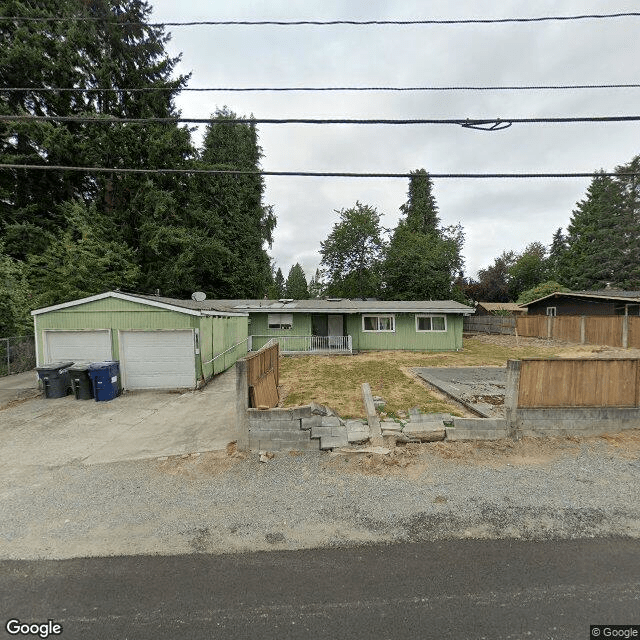
128 S. 168th St, Burien, WA 98148
To contact a resident: (206) 402-4707
For more information about senior living options: (866) 208-4318
A-Z Adult Family Home IV Costs & Pricing
A-Z Adult Family Home IV offers competitive pricing for its residential care services, with monthly costs significantly aligning with local and state averages. The semi-private rooms are priced at $4,000, which is notably lower than the King County average of $4,430 and slightly below the Washington state average of $4,267. For those seeking more privacy, the private rooms at A-Z are available for $5,000, closely matching King County's average of $5,034 but exceeding the Washington state average of $4,772. Overall, A-Z Adult Family Home IV presents a cost-effective option for individuals seeking quality care within a supportive environment in comparison to both county and state benchmarks.
| Floor plans | A-Z Adult Family Home IV | King County | Washington |
|---|---|---|---|
| Semi-Private | $4,000 | $4,430 | $4,272 |
| Private | $5,000 | $5,034 | $4,774 |
Senior living communities with a similar price nearby
-
from -$625 / mo
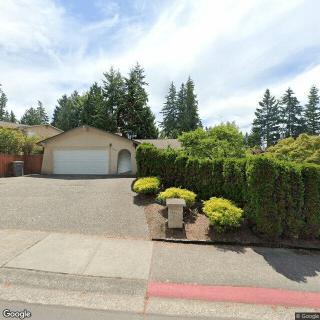
Evergreen Manor Senior Care Inc
$3,375 to $7,500 / month18.4 miles away -
About the same
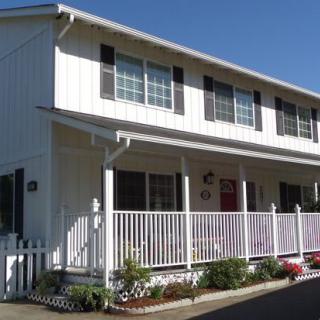
Meadow Crest Senior Home
$4,000 to $6,000 / month8.0 miles away -
About the same

Riverton Home Care
$4,000 to $5,000 / month2.5 miles away -
About the same
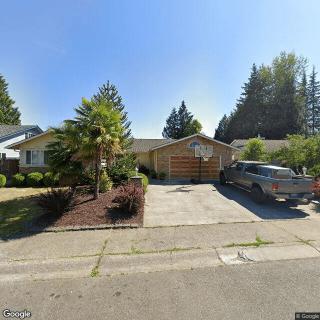
Gentle Care Home
$4,000 to $5,500 / month9.5 miles away -
from -$500 / mo

Twin Lakes Haven Adult Family Home
$3,500 to $8,000 / month9.4 miles away
Overall Review of A-Z Adult Family Home IV
Pros
 The staff is caring, intuitive, and a pleasure to work with.
- The home is comfortable.
- The food is good and home cooked.
- They have an open door policy for visiting.
Review
A-Z Adult Family Home IV in Burien is best suited for families seeking a small, home-like setting where attentive, personalized care and easy family involvement are primary. This community shines for residents who feel more comfortable in an intimate, domestic atmosphere than in a large campus, and who value a straightforward, no-fruss environment over modern architectural polish. It is a strong match for families that want to observe a hands-on, visiting-friendly culture and for seniors who appreciate meal quality and daily warmth more than resort-style amenities. Those needing highly structured programming, extensive medical oversight, or a modern, resort-like facility may want to consider alternatives.
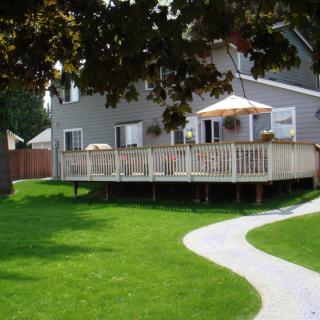
The core strengths are plain and practical, and they matter in real-life daily living. Staff are described as caring, intuitive, and a pleasure to work with, delivering a calm, reassuring presence that can make a significant difference in comfort and safety. The setting itself feels lived-in in a positive way: older homes can carry a sense of familiarity and security that newer builds sometimes lack. Residents benefit from home-cooked meals that lift spirits and nourishment alike, and the open door policy for visiting removes the friction families often feel around care transitions, enabling regular, unimpeded involvement. In short, the human touch and domestic ambience carry the weight of what families value most: dependable caregivers and a welcoming, homelike routine.
That combination, caring staff plus a warm, homey environment, tends to offset the most visible trade-offs of a smaller, older facility. The staff’s attentiveness directly supports daily rhythms, medication management, and personal preferences, while the home-like atmosphere reduces anxiety around care. Good meals reinforce a sense of normalcy and dignity in aging, and open visiting hours translate into fewer friction points for family involvement. For families who prioritize relationship, trust, and ease of access to caregivers, these positives can outweigh concerns about a lack of flash, high-end finishes, or the breadth of on-site activities typically found in larger communities.
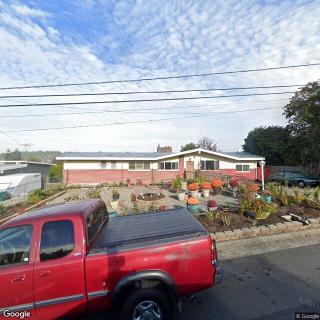
Yet the two reviews also point to the main, practical conundrum: the setting is an older home. That can translate into a less polished physical campus and potentially fewer on-site services, activities, or equipment compared to newer, purpose-built facilities. For residents whose needs extend beyond routine assistance or who crave robust, structured programs, this may feel limiting. While the staff and atmosphere can compensate in meaningful ways, families should recognize that certain amenities or specialized care options may not be as readily available as in larger communities. In such cases, alignment with the resident’s medical complexity and daily routine becomes the decisive factor.
To make an informed decision, prospective families should verify a few critical details beyond what the reviews reveal. Confirm staffing ratios during peak hours and after shifts, and inquire about the availability of on-site medical oversight, medication management protocols, and how quickly higher-acuity needs can be accommodated. Ask for a candid tour that focuses on safety features, accessibility, and the meal program’s flexibility for dietary restrictions. Explore activity options and the ability to customize routines, as well as the process for family involvement and overnight visits. Understanding transportation arrangements for appointments and social outings will also help determine fit over time.
Ultimately, this community emerges as a dependable choice for families prioritizing care warmth, daily consistency, and genuine openness to loved ones. It is less suitable for those whose priority is a modern, resort-style setting or intensive clinical programming under one roof. Weigh the value of intimate caregiver attention and homey comfort against the potential limitations of an older facility. If the aim is to preserve dignity, foster frequent family engagement, and lean into a supportive, simple routine, A-Z Adult Family Home IV represents a sound, practical option worth seriously considering.
 Board and Care Home
 Cats allowed
 Dogs allowed
 Activities off-site
 Bath tubs
 Beautician on-site
 Devotional services off-site
 Indoor common areas
 Outdoor common areas
 Private
 Private bathrooms
 Respite or short term stays offered
 Wheelchair accessible showers
 Seattle-Tacoma International (1 miles away)
 Diabetic care
 High acuity care
 Incontinence care
 Medication management
 Kosher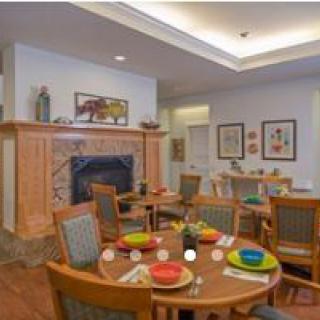


 9 Stimulating Memory Activities for Seniors: Puzzles, Cards, and Much More
 Managing Nursing Home Expenses After Medicare Coverage Ends
 Is a Geriatric Care Manager the Right Choice for Your Family?