
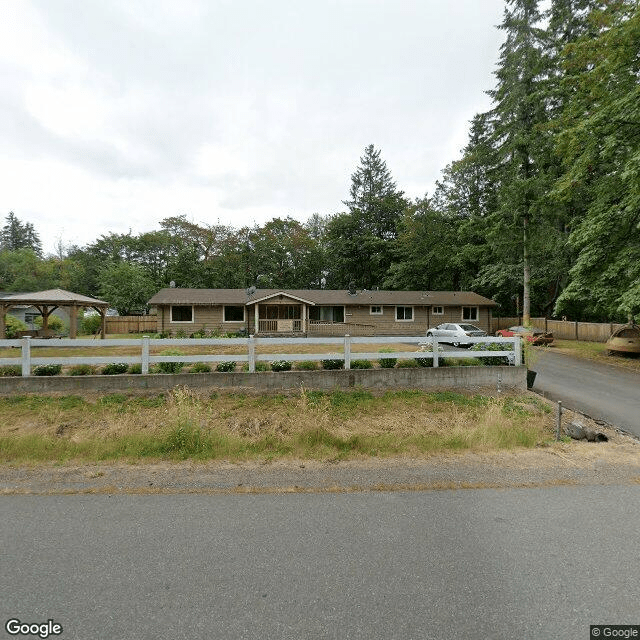
17403 SE 196th Dr full, 3/14/08, Renton, WA 98058
To contact a resident: (425) 255-2111
For more information about senior living options: (866) 208-4318
Best Health Family Home Costs & Pricing
Best Health Family Home offers competitive pricing for its private room accommodations at $5,000 per month, positioning it slightly below the average cost in King County, which stands at $5,034. In comparison to the broader state average of $4,772, Best Health Family Home's rates reflect a commitment to quality care while remaining accessible within the local market. This pricing strategy not only underscores the organization's dedication to providing exceptional value but also highlights its understanding of the regional healthcare landscape and the financial considerations that families face when seeking long-term care solutions.
| Floor plans | Best Health Family Home | King County | Washington |
|---|---|---|---|
| Private | $5,000 | $5,034 | $4,774 |
Senior living communities with a similar price nearby
-
from +$750 / mo
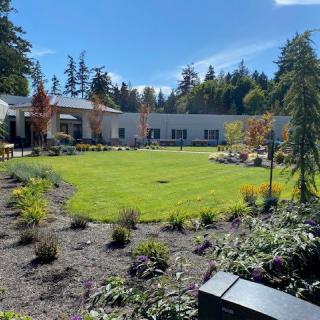
Fieldstone Rolling Bay and Fieldstone Memory Care
$5,750 to $8,895 / month24.5 miles away -
from +$500 / mo

Twin Lake Adult Family Home
$5,500 to $6,500 / month15.0 miles away -
About the same
AA Residential Care
$5,000 / month22.3 miles away -
from +$500 / mo
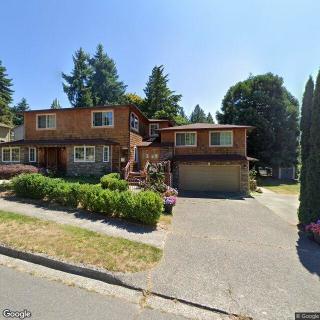
Valley Vista Adult Family Home Inc
$5,500 to $6,200 / month18.0 miles away -
About the same
Peace and Pleasant Care Adult Family Home II
$5,000 to $6,000 / month7.5 miles away
Overall Review of Best Health Family Home
Pros
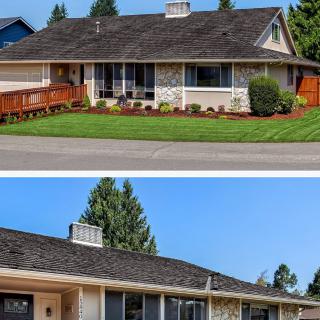
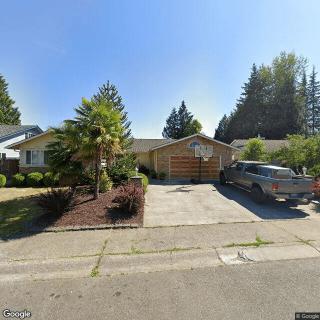
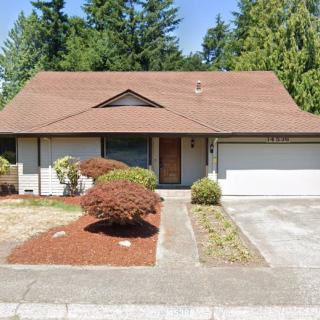
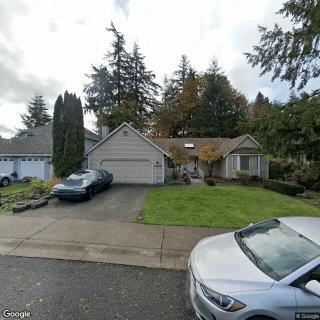
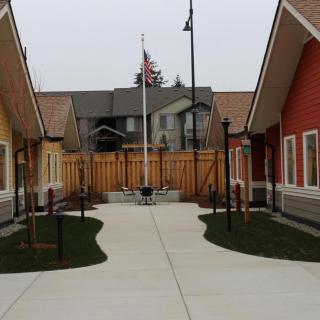
 The house is nice inside and out.
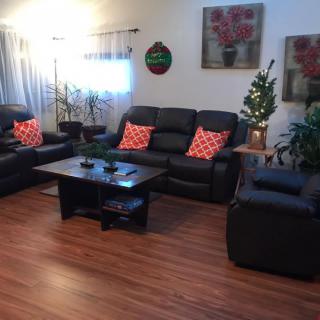
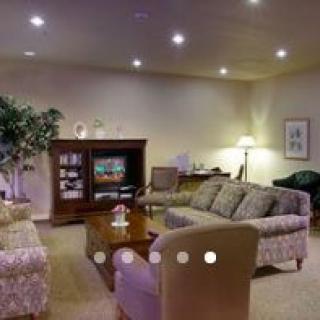
- It is very clean, spacious, and nicely furnished.
- Hazeline seems caring and knowledgeable, and she is a registered nurse.
- The reviewer likes the place and considers it a possible option for their Father-in-Law.
Review
Best Health Family Home in Renton is best suited for families seeking a true home-like setting where care feels intimate and personal, backed by clinical oversight from a registered nurse and a strong, on-site family presence. The property reads as a clean, spacious, well-appointed residence rather than a commodity of a larger facility. Its appeal centers on warmth, privacy, and individual attention rather than a bustling community calendar. For families who prioritize feeling connected to the caregiver team and want a setting where the home itself contributes to daily comfort, this option stands out as a practical, reassuring choice.
Explicitly, alternatives should be considered by those who require a larger community with more formal programming, or who demand around-the-clock, highly visible professional staffing with broad clinical services. Residents needing intensive memory care, complex medical management, or a comprehensive activities schedule may find this home-like model too modest in scale. Families planning for robust social engagement, frequent on-site events, or a setting that resembles a traditional senior living campus may want to evaluate larger communities before committing.
Pros are concrete and meaningful. The house itself is described as clean, spacious, and nicely furnished, with a warm, lived-in feel that reduces the clinical stigma some seniors fear. The environment supports dignity and autonomy, making everyday routines feel manageable rather than transactional. The standout clinical advantage is Hazeline, a registered nurse who is regarded as caring and knowledgeable. That professional oversight translates into a predictable approach to medical needs, medication administration, and timely adjustment of care plans. Add to that the obvious benefit of family involvement, residents live in a setting where relatives are not distant observers but participating members of daily life, and the level of trust in care delivery rises significantly.
Still, a few practical considerations emerge from the available observations. During a visit, residents were asleep and not visibly active, with staff or residents not engaging in the moment; that paints a quiet portrait rather than a bustling social scene. While not inherently negative, it signals that the day-to-day activity level may be modest compared with larger campuses. For families seeking a high-energy atmosphere, structured programming, or frequent organized outings, this could feel limiting. The intimate, family-run style also means care dynamics can hinge more on individual relationships, which can be excellent but may require proactive coordination from relatives to maintain consistency.
Those strengths, cleanliness, space, and professional nursing oversight, offset the potential drawbacks by delivering reliability and personalization that larger communities sometimes struggle to match. The combination of a home environment with clinical prudence offers a compelling middle ground: residents benefit from the comfort of a familiar, domestic setting while still having access to medical expertise as needed. Family involvement becomes a built-in quality control mechanism, increasing accountability and tailoring of daily routines, which often translates into a more dignified, less institutional experience for the resident.
In the end, Best Health Family Home presents a solid, practical option for families who value a quiet, personal, and nurse-supported home environment. It excels for residents who thrive with individualized attention, clear medical oversight, and a setting that feels like a home rather than a campus. Those who require a high-energy activity calendar, extensive on-site programming, or advanced, campus-style amenities should explore alternatives. Prospective families should arrange comprehensive visits, scrutinize how daily schedules align with their loved one’s preferences, and ask direct questions about medication management, emergency procedures, and planned care transitions. With the right fit, this Renton home can deliver steadiness, warmth, and reassuring continuity of care.
 Board and Care Home
 Cats allowed
 Dogs allowed
 Activities off-site
 Devotional services off-site
 Indoor common areas
 Outdoor common areas
 Private
 Respite or short term stays offered
 Wheelchair accessible showers
 Seattle-Tacoma International (9 miles away)
 Diabetic care
 High acuity care
 Incontinence care
 Medication management
 Anytime dining
 BBQs or picnics
 Birthday parties
 Christian services
 Light therapy programs
 Live musical performances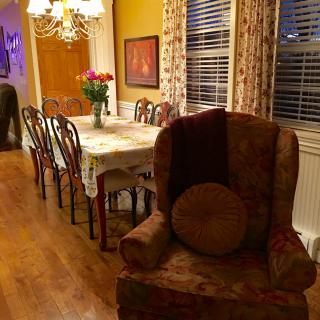
 Senior Move Management: Understanding the Role, Value, and Associated Costs
 Weight Training for Seniors: Building Strength and Vitality
 Understanding the Sandwich Generation: Stress and Responsibilities for Multigenerational Caregivers