
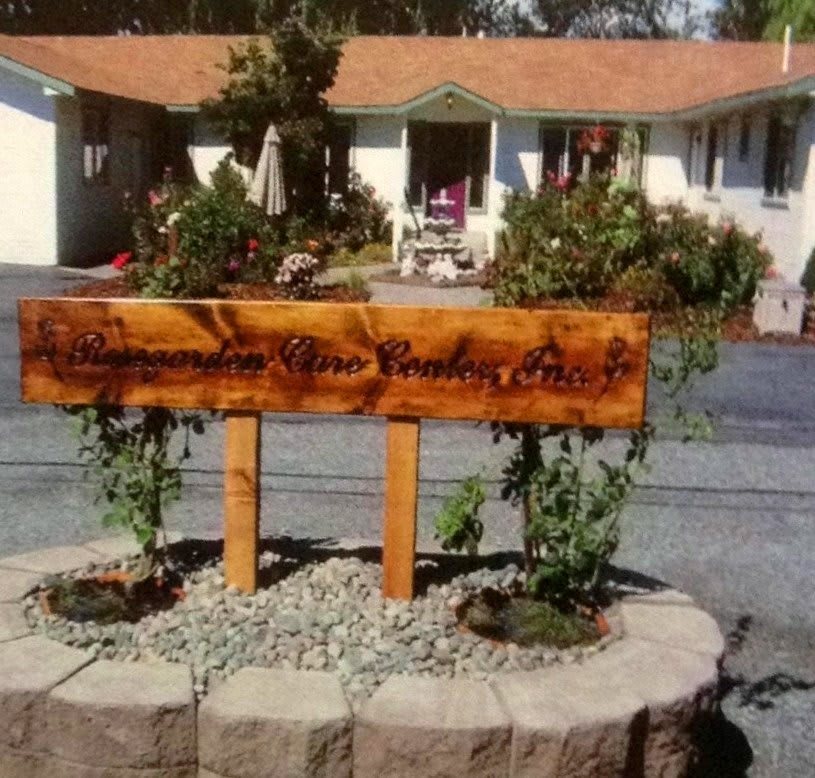
715 Locust Street, Omak, WA 98841
For more information about senior living options: (866) 208-4318
Rosegarden Care Center Costs & Pricing
Rosegarden Care Center offers competitive monthly costs for its residents compared to both Okanogan County and the broader state of Washington. For a semi-private room, Rosegarden Care Center charges $2,400, matching the average cost in Okanogan County, but significantly lower than the state average of $4,267. Similarly, their one-bedroom accommodations are priced at $3,600, which is more economical than the county's average of $3,775 and notably less than the state average of $4,632. This pricing structure not only makes Rosegarden an attractive option for potential residents but also underscores its commitment to providing quality care at a value that is accessible within the community.
| Floor plans | Rosegarden Care Center | Okanogan County | Washington |
|---|---|---|---|
| Semi-Private | $2,400 | $2,400 | $4,272 |
| 1 Bedroom | $3,600 | $3,775 | $4,634 |
Overall Review of Rosegarden Care Center
Pros
 The staff are loving and kindhearted.
- The grounds and the facility are well maintained and clean.
- The residents are happy and friendly and seem to be kept very active.
- It is a great place overall.
Cons
 The community was a major turn-off.
- There was absolutely no staff around that could be seen.
- No one ever came out to assist with a tour.
- The community is very dingy and dark.
- All the residents were sitting against the wall.
- It is not somewhere anyone would recommend or take a loved one.
Review
Rosegarden Care Center in Omak, WA, is best suited for families seeking a homey, staff-attentive environment with solid upkeep and an active, friendly resident community. The overall rating sits at 3.5 from four reviews, signaling discernible strengths in care culture and cleanliness but also clear reservations about visibility and atmosphere. This is a fit for families that prize warmth, steady maintenance, and daily programming over a polished, modern resort feel. It is not the right choice for those who demand constant staff visibility, a bright, contemporary setting, or a uniformly bustling environment every hour of the day.
The strongest positives center on the human side and the basics of care. Reviewers repeatedly describe a loving, kindhearted staff and well-maintained grounds, with the facility appearing clean and orderly. Residents are portrayed as happy and sociable, with routines and activities that keep them engaged. These elements matter greatly for peace of mind: when staff relationships feel genuine and daily life includes purposeful activity, families gain confidence that their loved ones are connected and supervised. Cleanliness and a pleasant interpersonal climate provide a durable platform for comfort, especially for residents who thrive on predictable engagement and routine.
However, the most glaring drawbacks appear in the first-impression dynamics during visits. The accounts note moments when no staff are visible, which undermines the ability to tour confidently and raises questions about responsiveness. The environment is described as dingy and dark, with residents often seated against walls. Such visuals signal potential understaffing, limited stimulation, or constrained resources. These impressions carry weight, because for many families, the immediacy of staff availability and the overall sensory mood of a living space are as important as programmed activities or meal quality.
These positives and negatives interact in a way that matters for decision-making. The warmth of the staff and the ongoing maintenance help offset concerns about care quality to some extent, creating trust and a sense of reliability in day-to-day interactions. Active programming and engaged residents mitigate fears about stagnation, offering social contact and supervision that can bolster safety. Yet the combination of inconsistent staff visibility and a darker, dated ambiance does not easily soften, which means long-term satisfaction rests on whether shifts balance out, and whether the environment can be perceived as welcoming at a practical, day-to-day level.
Alternatives deserve serious consideration for families seeking stronger staffing transparency and a brighter setting. Facilities that consistently display staff during normal hours, provide straightforward tour experiences, and demonstrate reliable responsiveness will typically serve loved ones requiring closer oversight or quicker assistance. For those prioritizing daylight, modern design, and a more energetic atmosphere, options with brighter interiors and higher-acuity capabilities may offer greater peace of mind. In short, Rosegarden may satisfy families valuing relationship-driven care and routine, but others should actively compare settings with more visible staffing and uplifting design.
Bottom line: Rosegarden Care Center delivers genuine warmth in its caregiving ethos and respectable maintenance, yet the uneven visibility of staff and a darker, dated ambiance temper confidence for long-term placement. Prospective families should schedule in-person visits at varied times, insist on candid conversations about staffing models, and assess whether the daily rhythm and social programming align with the loved one’s goals. If these threads align, Rosegarden can be a comfortable home; if not, a deliberate comparison with alternatives emphasizing staffing continuity and brighter environments is prudent.
 23 resident community capacity
 Assisted Living
 Activities on-site
 Beauty salon
 Cable or satellite TV
 Dining room
 Fully furnished
 Garden
 Housekeeping services
 Indoor common areas
 Kitchenette
 Move-in coordination
 Outdoor common areas
 Respite or short term stays offered
 Restaurant-style dining
 Small library
 Telephone
 Wheelchair accessible showers
 Wi-Fi/high-speed internet available
 24-hour call system
 Assistance with bathing
 Assistance with dressing
 Assistance with transfers
 Diabetes diet
 Diabetic care
 Incontinence care
 Medication management
 Mental wellness program
 Special dietary restrictions





 Assisted Living Support for Veterans: A Complete and Detailed Overview
 Exploring the Contrasts Between Assisted Living and Skilled Nursing
 8 Key Indicators That Suggest It May Be Time to Transition from Assisted Living to Skilled Nursing Care