

1718 13th Ave SW, Olympia, WA 98502
To contact a resident: (360) 438-6223
For more information about senior living options: (866) 208-4318
Overall Review of Lidia's Adult Family Home
Pros
 Lidia's Adult Family Home is described as the highest standard of eldercare.
- Lidia and her staff are wonderful, loving, and exceptionally caring.
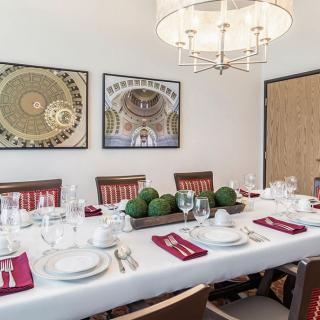
- The meals are delicious, nutritious, and tailored to residents' needs.
- The home is spacious, beautifully decorated, and immaculately clean.
- The setting feels like a real family, with celebrations that honor residents.
- Lidia responds quickly to residents' changing health care needs and provides attentive care.
- The home ensures residents feel safe, comfortable, and well-cared-for.
- Lidia personally goes above and beyond, including staying up all night with a resident in end-of-life moments.
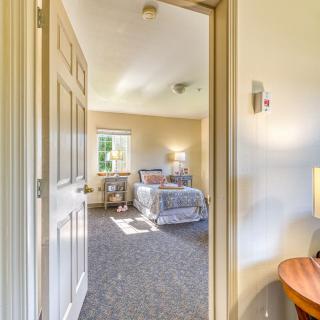
- Residents have privacy with attached bathrooms and receive dignified, active care.
Cons
 One reviewer hated their stay, saying it sometimes felt like a prison.
- One reviewer claimed the facility treats elderly residents as if they are temporary.
- One reviewer said the place treats old people like dirt and would never want to stay there again.
Review
This community is best suited for families seeking a warm, home-like setting where care feels personal, attentive, and deeply compassionate. Lidia’s Adult Family Home works best for residents who prioritize dignity, privacy, and daily routines tailored to their preferences, especially those requiring long-term support or end-of-life care in a house-like environment rather than a clinical facility. The setting in Olympia, Washington offers private bedrooms with attached baths, chef-prepared meals, and a strong family atmosphere. Families often value the sense that their loved one is known well by the caregivers, with consistent, individualized attention and the option to involve family members in celebrations and daily life.
Those who may want to consider alternatives are clear: if a resident requires aggressive medical oversight, a larger campus with more formal programming, or a highly structured memory-care environment, a bigger assisted living or skilled facility might better meet needs. A couple of reviewers describe experiences that hint at limitations inherent in a single-house model, routines and dynamics can feel restrictive to some, and in rare cases the care experience can fall short of expectations. For families seeking robust 24/7 on-site nursing, extensive social programming, or highly specialized therapies, exploring other communities with broader clinical staffing might be prudent.
The strongest pro set here is hard to beat for what many families truly want: a compassionate, family-style environment with highly responsive staff. Residents consistently receive warm, personalized care, with meals that are homemade, nutritious, and tailored to individual needs. The home is described as clean, spacious, and beautifully kept, with private bedrooms and attached bathrooms that preserve privacy while enabling easy supervision. Staff are portrayed as knowledgeable, caring, and dependable, with Lidia herself often cited as a skilled organizer who keeps families informed and involved. This combination, dignified end-of-life care, attentive hands-on care, and a welcoming social rhythm, helps offset the inherent limits of a smaller, home-based setting.
Operational strengths further reinforce the fit for many families: the home is equipped with essentials like hospital beds, alarms, accessible bathrooms, and a system to manage medications through a local pharmacy, backed by nurse delegation status. This means medical tasks can be handled on-site without frequent hospital transfers, a stabilizing factor for residents with evolving health needs. Celebrations of birthdays and holidays, regular meals together, and opportunities for residents to stay socially engaged within a intimate group contribute to a sense of belonging and purpose. For families watching a loved one decline or stabilize, the ability to preserve dignity, maintain activity, and receive steady routine is a meaningful offset to the smaller scale.
Yet the narrative is not one-note. A small number of reviewers express a starkly negative experience, describing feelings of confinement or being treated as temporary rather than cherished. These outliers matter: they underscore the reality that in a single-family home, staff consistency, personality fit, and day-to-day interactions can swing outcomes. Prospective residents should approach with a plan: visit in person, observe how residents are spoken to and engaged, ask to meet caregiving teams, and request a clear outline of daily schedules, autonomy opportunities, and how concerns are addressed. The presence of a notebook of recommendations and the strong overall rating still points to a consistent theme, when the fit is right, this setting delivers remarkably positive, personalized care.
In deciding, families should weigh the intimate, home-forward model against the desire for clinical breadth and scale. If the priority is a nurturing environment where a resident is treated with consistent warmth, meals are thoughtful and tailored, and health management can be coordinated with nurse delegation and a local pharmacy, Lidia’s AFH stands out as a compelling choice. If, instead, the priority is a more expansive activity menu, broader social programming, or guaranteed on-site medical oversight across a wider array of conditions, alternatives may offer peace of mind. For those who can align with a familial, individualized approach, the evidence suggests a high likelihood that a loved one will experience comfort, respect, and meaningful daily life at Lidia’s.
 Board and Care Home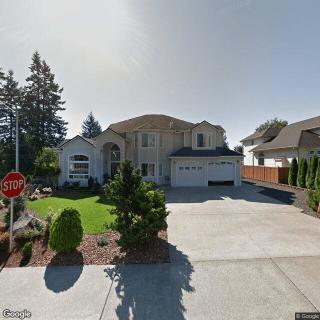





 Comprehensive Guide to Qualifying for Home Health Care Services
 Powerful Realities of Elder Abuse and the Most Effective Ways to Report It
 Ten Vital Duties of a Senior Caregiver: A Comprehensive Guide