
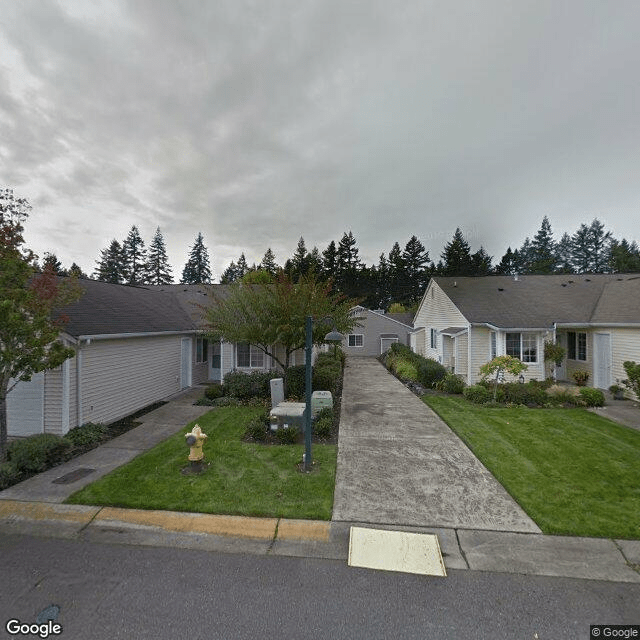
4125 Capital Mall Drive Southwest, Olympia, WA 98502
To contact a resident: (360) 956-9400
For more information about senior living options: (866) 208-4318
Cooper Point Village Costs & Pricing
Cooper Point Village offers an attractive rental option with its two-bedroom units priced at $1,275 per month, which stands in stark contrast to the averages for both Thurston County and the broader Washington state. In Thurston County, the average cost for similar accommodations reaches approximately $3,092 - a significant difference that emphasizes the value Cooper Point Village provides. Furthermore, when compared to the state average of $4,301 for two-bedroom apartments, it becomes clear that residents enjoy not only affordability but also a desirable living environment. This pricing strategy positions Cooper Point Village as a compelling choice for those looking to balance quality living with budget considerations in an increasingly competitive housing market.
| Floor plans | Cooper Point Village | Thurston County | Washington |
|---|---|---|---|
| 2 Bedrooms | $1,275 | $3,092 | $4,301 |
Senior living communities with a similar price nearby
-
from +$125 / mo
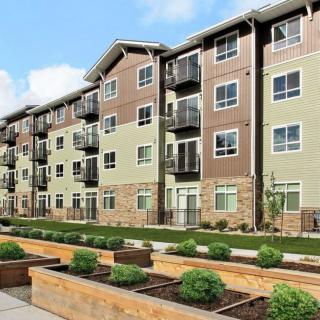
Affinity at Olympia
$1,400 to $1,947 / month0.3 miles away -
from +$180 / mo
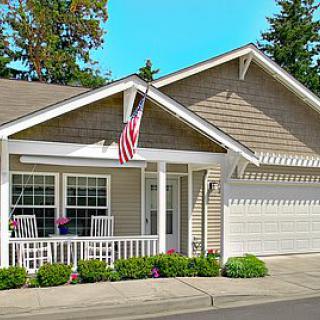
The Cottages at Peach Creek
$1,455 / month22.6 miles away -
from +$145 / mo
Bethel Home 4
$1,420 to $3,500 / month21.4 miles away
Overall Review of Cooper Point Village
Pros
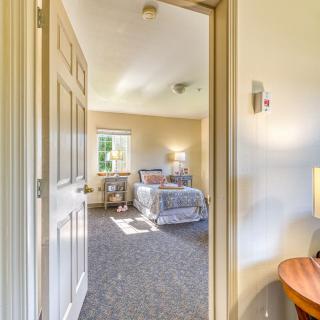
 Cooper Point Village offers a convenient location with single-floor living, a garage, and a small patio.
- Residents are described as very friendly and willing to watch out for each other.
- The staff is polite and caring, and the homes are neatly maintained.
- The community includes a clubhouse where residents gather for potlucks and social events.
- The housing style feels like a village of one-story homes, providing a house-like, independent atmosphere.
- Amenities include a pool and plans for water aerobics and a dance floor, indicating an active lifestyle.
- The location is convenient to hospitals, doctors, and has a nearby bus stop for easy transportation.
- Many residents have lived there for years, suggesting a stable and welcoming environment.
Cons
 The environment at Cooper Point Village was caustic, and the manager, Rindi, made them not want to live there.
- Rindi is described as a good deflector of the truth, suggesting deceptive behavior.
- They were never notified about available units despite being first on the waiting list, undermining trust.
- Rindi claimed to have called and left messages, but those calls were disputed, making the process feel like a one-sided disagreement.
- The place wasn’t deemed suitable for family members needing care, due to lack of meals and caregiving services.
Review
Cooper Point Village is best suited for independent seniors who want a one-story, home-like setting with private garages and patios, and who appreciate a village feel rather than a traditional apartment complex. The arrangement of single-family and small cottage-style homes around communal spaces fosters neighborliness and safety, while the location near Olympia’s medical district provides practical access to doctors and hospitals. Residents typically manage their own meals and upkeep, which suits those who prize autonomy and are comfortable handling maintenance. This community shines for residents who want privacy, a friendly social scene, practical conveniences, and the sense of belonging that comes with a tight-knit, seniors-only enclave.
Those who need daily help, regular meals, or structured care should look elsewhere. Cooper Point Village is marketed as independent living with no included meals and with maintenance handled, but the reviews underscore that not all needs are met by the basic model. The waiting list process, including a $500 deposit, can create friction for prospective residents, and transparency around availability has been questioned. If reliability in communication and a consistent onboarding experience are non-negotiable, alternatives with clearer processes and guaranteed service levels deserve consideration. Couples or partners who want to stay together without care may also want to confirm whether all units suit their mobility and space needs.
On the upside, the strongest draws are the home-like layouts: one-story cottages that sometimes include two-car garages, private yards, and the flexibility to cook one’s own meals. The sense of community stands out, with friendly residents who look out for one another and a clubhouse vibe that supports potlucks and casual gatherings. The proximity to medical facilities and transit adds practical value for frequent appointments and outings. Maintenance is included, reducing steady upkeep worries for residents who prefer to focus on living rather than housekeeping. For households prioritizing independence and social engagement over on-site care, these attributes align well with daily life.
Yet the cons carry weight. The most troubling thread in the available feedback centers on management dynamics, particularly one manager named in complaints who allegedly operated with a lack of transparency and failed communications about availability. While other staff are described as polite and caring, the shadow of inconsistent leadership can erode trust and complicate the buying process for families trying to arrange a move. Additionally, the amenities that sounded promising, such as a pool, water aerobics, and a dance floor, remain largely in planning or early-stage development, which can frustrate residents who hoped for a more complete activity calendar soon. These factors do not negate the value but demand careful scrutiny.
Decision-making should hinge on a few concrete checks: confirm current availability and the precise terms of the waiting-list process, including notification timelines and any nonrefundable aspects; verify what the rent covers beyond basic utilities and how much flexibility exists should budget shift; inspect actual units to ensure space and layout meet needs, especially for those with mobility concerns; ask about access to meals or meal alternatives, even if not included, and whether any service packages can be added; and talk to current residents about everyday experiences with management, maintenance, and social life. The financial hurdle, the need for qualifying income, also warrants clear budgeting, since rent, utilities, and activities may differ from one unit to another.
Overall, Cooper Point Village presents a credible, well-located option for independent seniors who value house-like spaces, privacy, and a neighborly community. It is not suitable for those who will require daily care, meals, or guaranteed, fully realized amenities in the near term. Pros like convenience, autonomy, and a supportive peer network can offset the absence of on-site care, but only if management communications are stable and trustworthy, and if the waiting-list experience is predictable. For families prioritizing independence with a social, lightly structured environment, and who can navigate potential management choppiness, the community deserves a serious look. Those needing robust care or a consistently implemented amenities plan may prefer alternatives that deliver more comprehensive services from day one.
 Active Adult Communities (55+)
 Cats allowed
 Dogs allowed







 Senior Move Management: Understanding the Role, Value, and Associated Costs
 Weight Training for Seniors: Building Strength and Vitality
 Understanding the Sandwich Generation: Stress and Responsibilities for Multigenerational Caregivers