
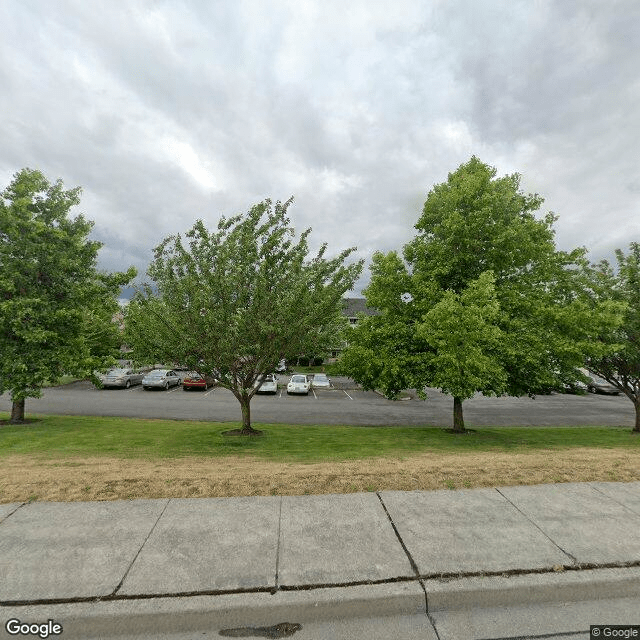
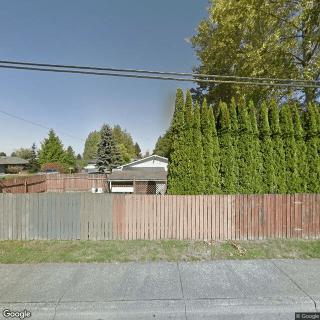
2619 N Laventure Rd, Mt Vernon, WA 98273
To contact a resident: (360) 428-5662
For more information about senior living options: (866) 208-4318
Overall Review of Salem Village Senior Apartments
Cons
 The Coast management company is lacking in maintenance and has poor manager communication.
- Sliding-scale rents are not decreased nor upgrades made, undermining the notion of not-for-profit operation.
- The hallways are not air-conditioned and the carpets are ancient.
- The apartment complex is full of mold, with signs in the walls and a musty smell in the halls and stairwells.
- The on-site manager is unreliable, present only one day a week from 10 a.m. to 4 p.m., with Thursdays appointment-only and long waits.
- The owner seems to be primarily interested in collecting rent, with minimal upkeep and a third-rate maintenance manager.
- This is not a suitable place for seniors to retire due to safety and maintenance concerns.
- The manager is not always honest and has been accused of stealing money from tenants’ gas utility bills.
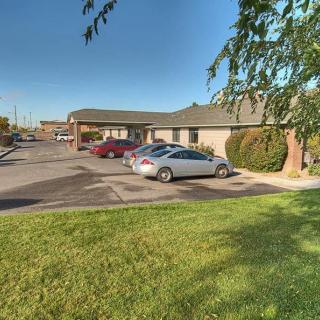
- Parking lot thefts occur, including car break-ins that damage vehicles, with little being done to address the issue.
Review
Salem Village Senior Apartments in Mt. Vernon is best suited for budget-conscious seniors who can tolerate chronic maintenance gaps and limited on-site management. It is not a polished, service-forward option; it serves residents who prioritize low rent over dependable upkeep or extended on-site support. The setting may appeal to those who can navigate outdated infrastructure and a landlord-driven environment, accepting carpeting that has not been refreshed for years and hallways without climate comfort. In short, this is a last-mile choice for residents whose primary criterion is affordability rather than consistently reliable service and security.
Those considering alternatives will want to be especially cautious if health, safety, or cleanliness cannot be compromised. A clean, mold-free living space with prompt maintenance and responsive, honest management are non-negotiables for many seniors. Here, concerns repeatedly surface around environmental quality, musty odors, visible mold, and carpets with decades on them, paired with limited housekeeping or remediation. On-site management appears intermittent, with restricted hours and inconsistent visibility, leaving residents and families anxious about timely responses to repairs, calls, or emergencies. For anyone who relies on stable staff communication and predictable access to administrators, other options deserve priority consideration.
The few potential advantages, the theoretical affordability built around a sliding-scale, nonprofit framework and church ownership, do not meaningfully offset the most troubling drawbacks. Rent control or subsidy artifacts may exist in theory, but actual rent reductions and meaningful upgrades rarely materialize in practice. The building’s physical condition undermines any cost advantage: aging flooring, lack of central air in common areas, and a pervasive sense of neglect. When the primary value proposition is affordability, the repeated experience of slow or absent maintenance, rudimentary management, and a deteriorating environment quickly erodes that value. The financial upside vanishes if health, safety, and quality of living are sacrificed.
Safety and security concerns compound the affordability calculus. Reports of car break-ins in the parking area and alleged mismanagement around tenant utilities create real tensions about personal property and trust in the billing process. The combination of rude interactions, limited gatekeeping, and a perception that staff turnover or absenteeism undermines accountability makes ongoing residency feel precarious. Add in accusations of dishonest handling of gas utility payments and the overall environment shifts from frugal to risky. For seniors who need stability, predictable service, and a sense of protection, these realities are decisive.
If this community remains on the radar, the prudent path involves rigorous due diligence and concrete verification. Prospective residents should request recent environmental assessments, remediation records, and a transparent maintenance history. It is essential to interview multiple neighbors about responsiveness and to observe security in the parking lot during varied hours. Ask for a detailed lease with clear commitments on maintenance response times, pest control, and mold remediation, as well as written policies on nuisance behavior and dispute resolution. Compare these with other Mt. Vernon options, ideally those with active management teams, documented upkeep programs, and stronger safety records, to form a grounded, side-by-side assessment.
Ultimately, the bottom line is straightforward: Salem Village Senior Apartments is unlikely to meet the needs of most seniors who require reliable maintenance, a clean environment, and proactive, respectful management. It may be considered only by those for whom cost is the sole driver and who can tolerate persistent environmental and administrative challenges. For families evaluating housing strategies in Mt. Vernon, alternatives offering steadier upkeep, better security, and more responsive management are strongly recommended. If pursuing Salem Village, approach with a strict discovery plan, insist on documented guarantees, and prepare to reassess quickly if the lived experience fails to meet essential health, safety, and comfort benchmarks.
 Active Adult Communities (55+)
 Friendly staff and an active community with on-site amenities.
 Home Health Care Demystified: A Comprehensive Guide for Families and Caregivers
 Seniors and Modern Transportation: Exploring Uber, Lyft, and Other Ride-Hailing Options
 Comprehensive Guide to Qualifying for Home Health Care Services