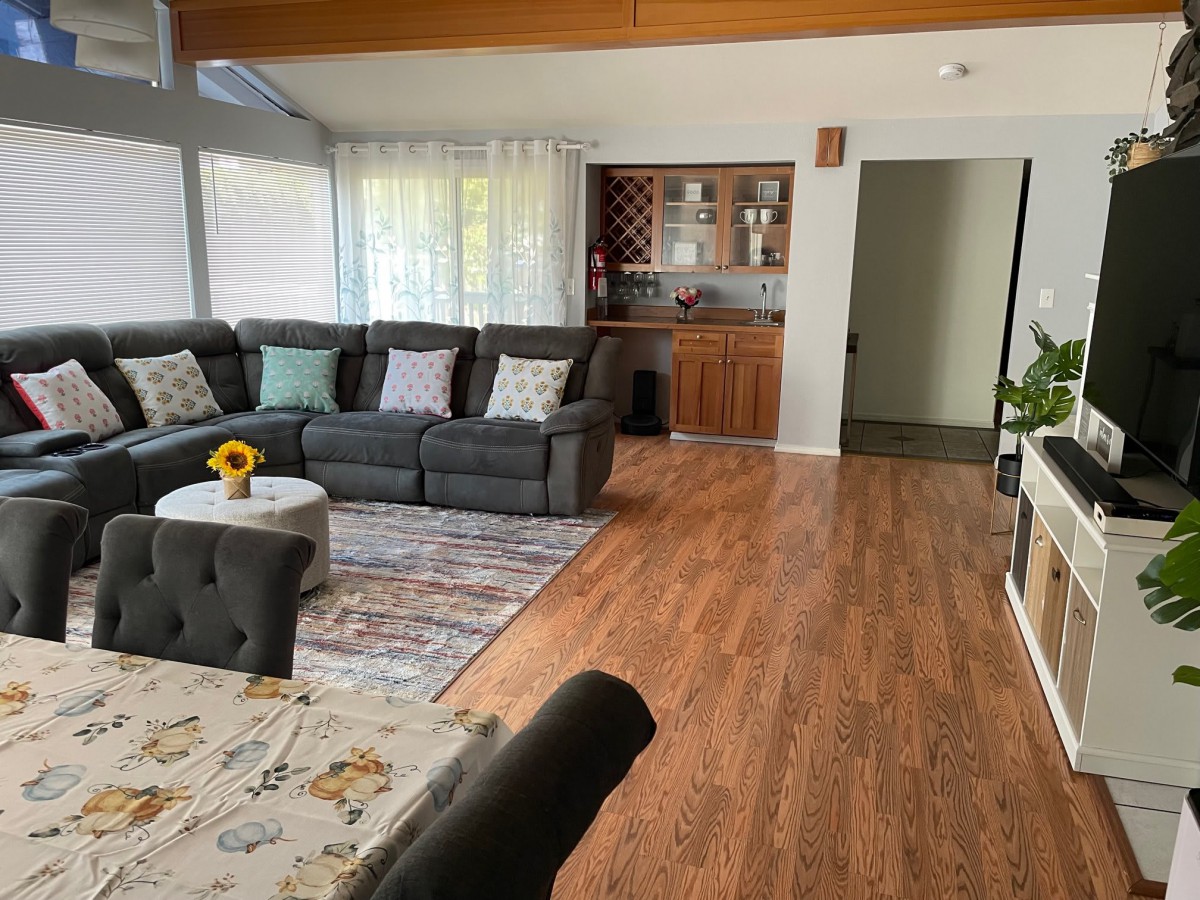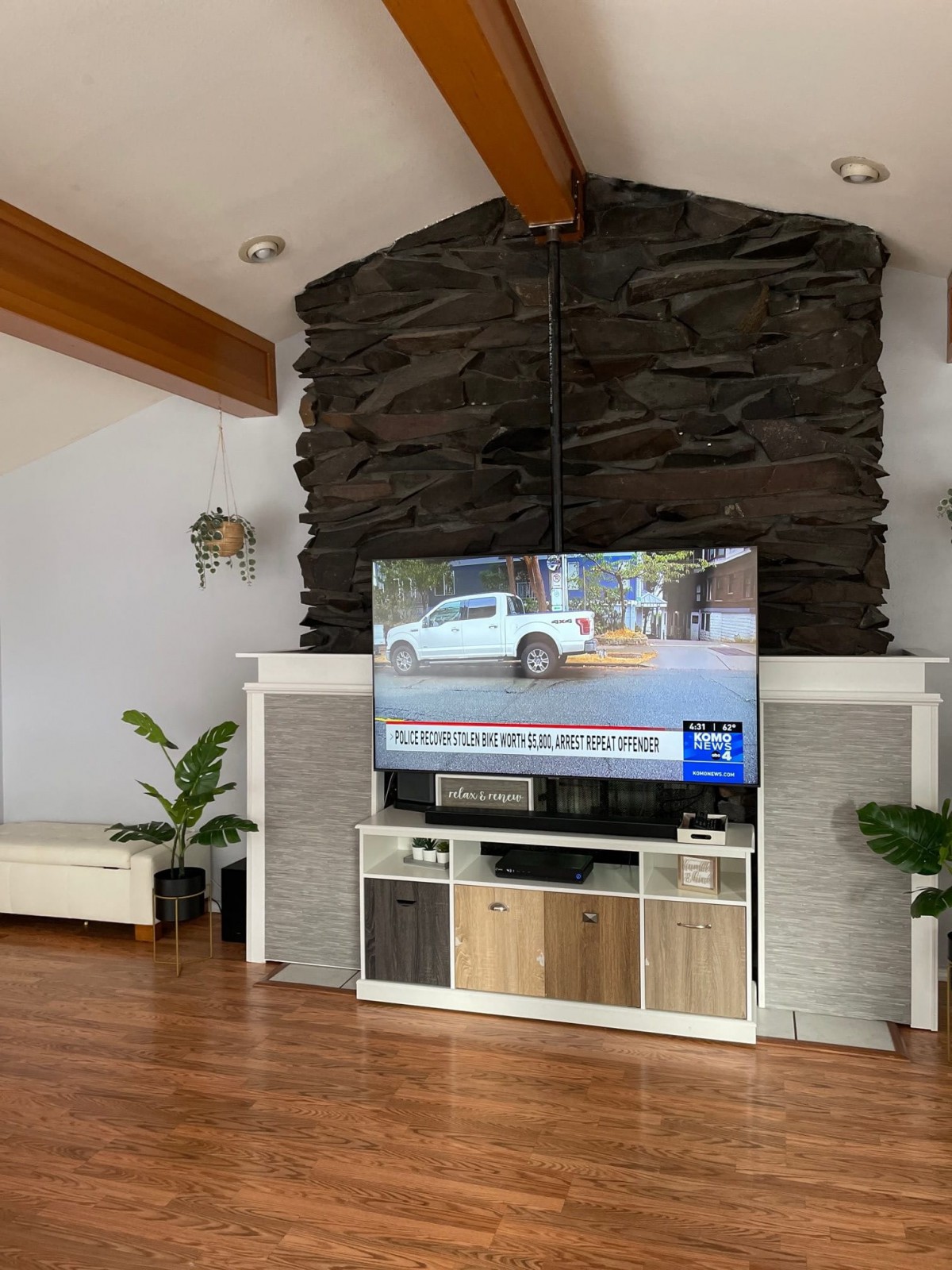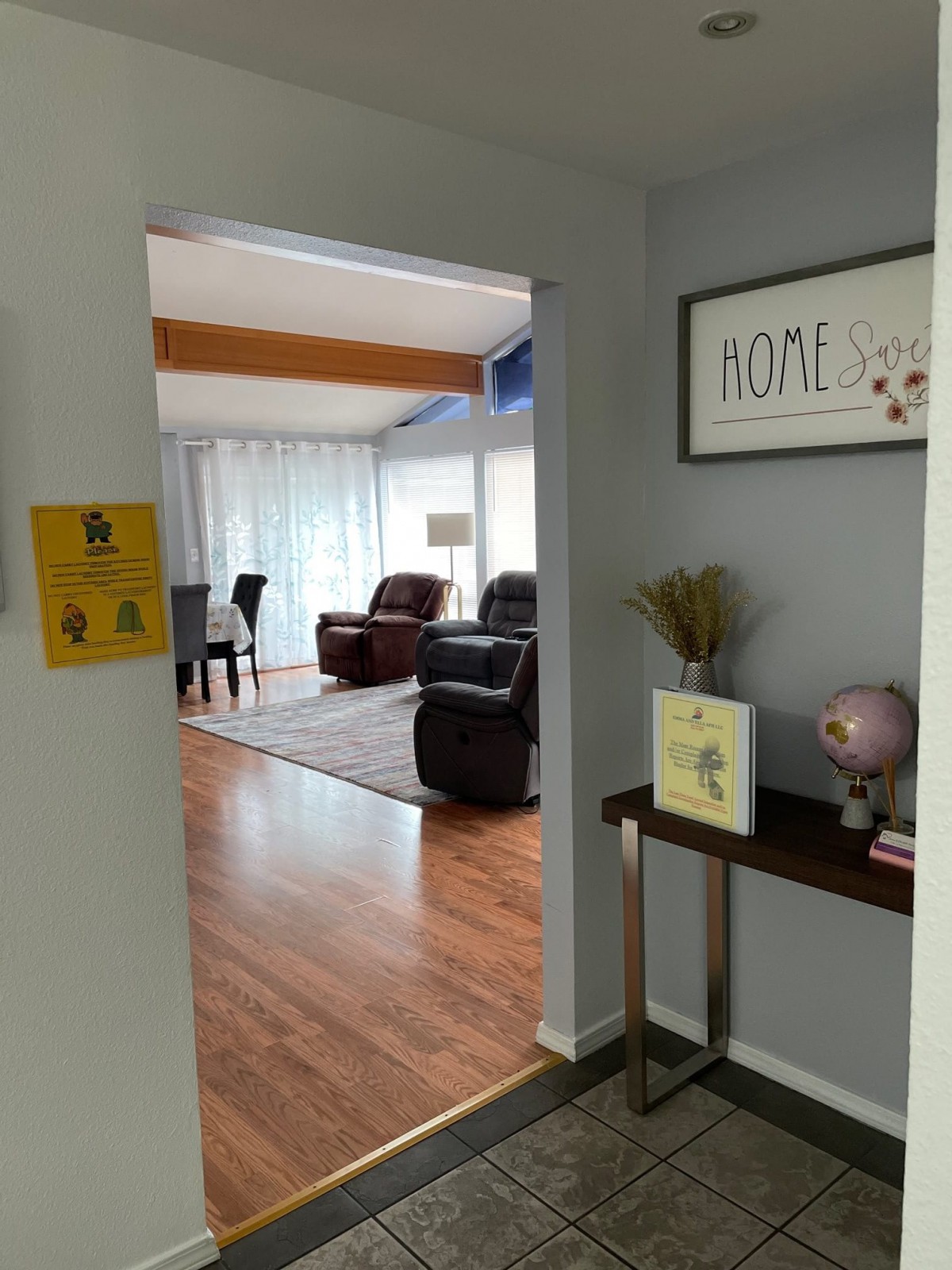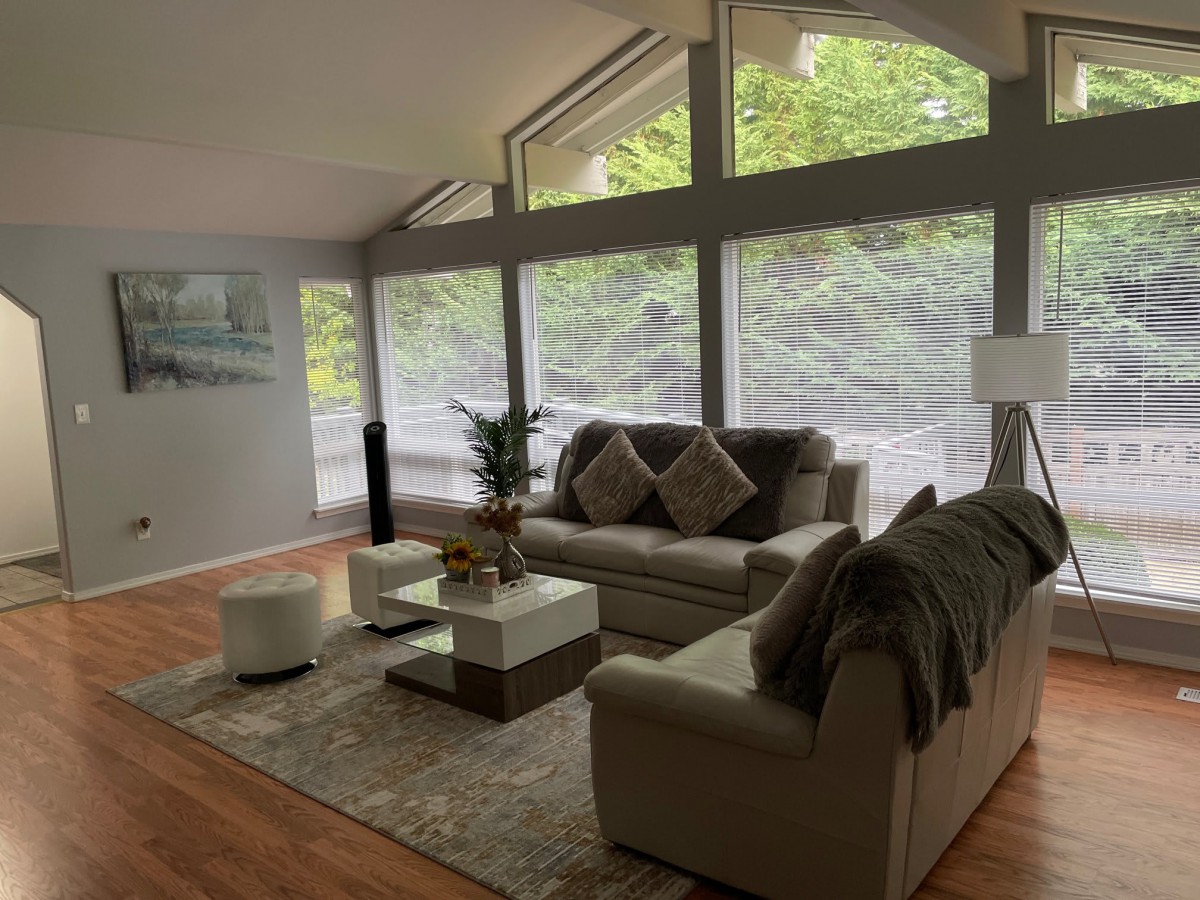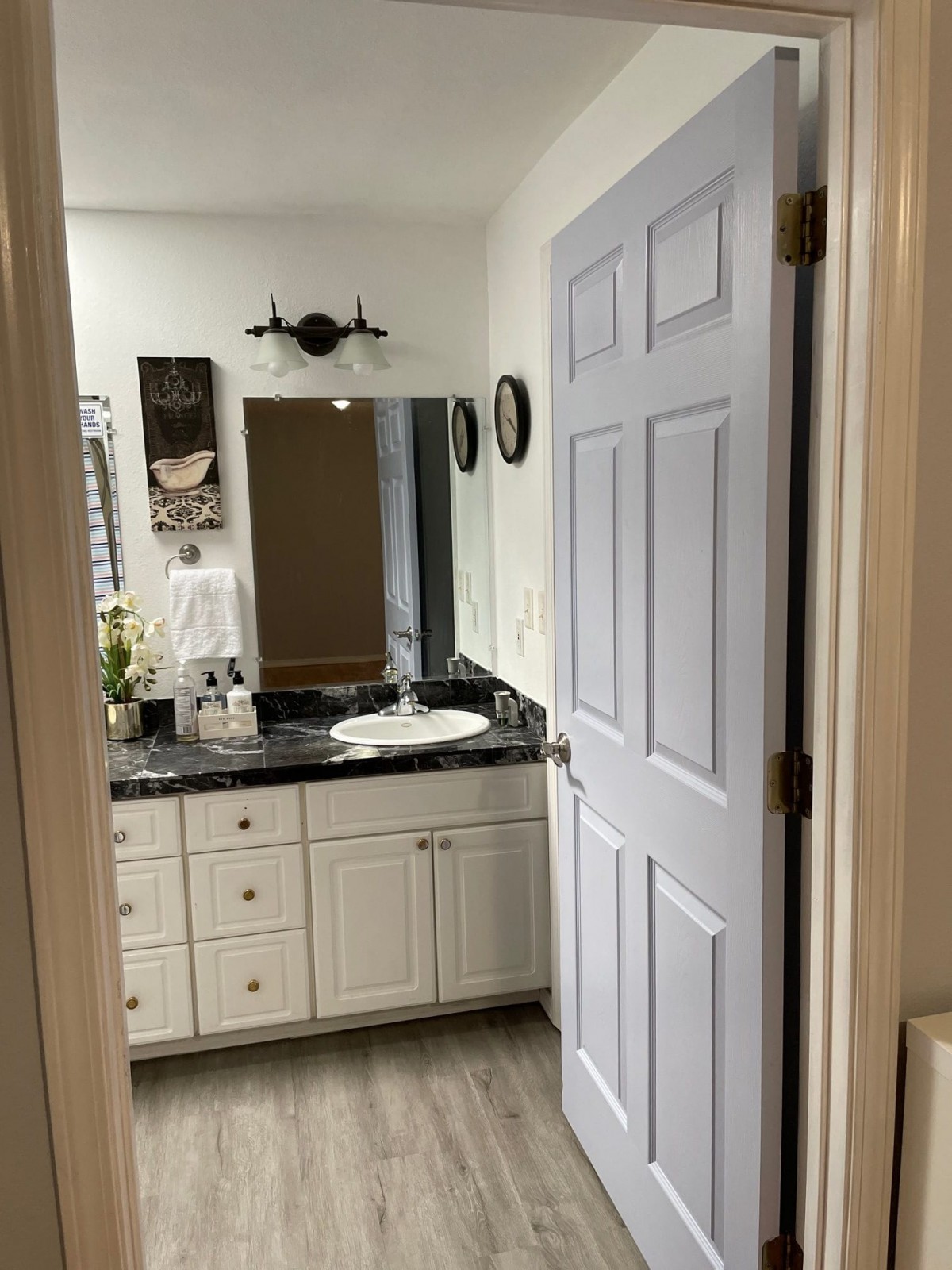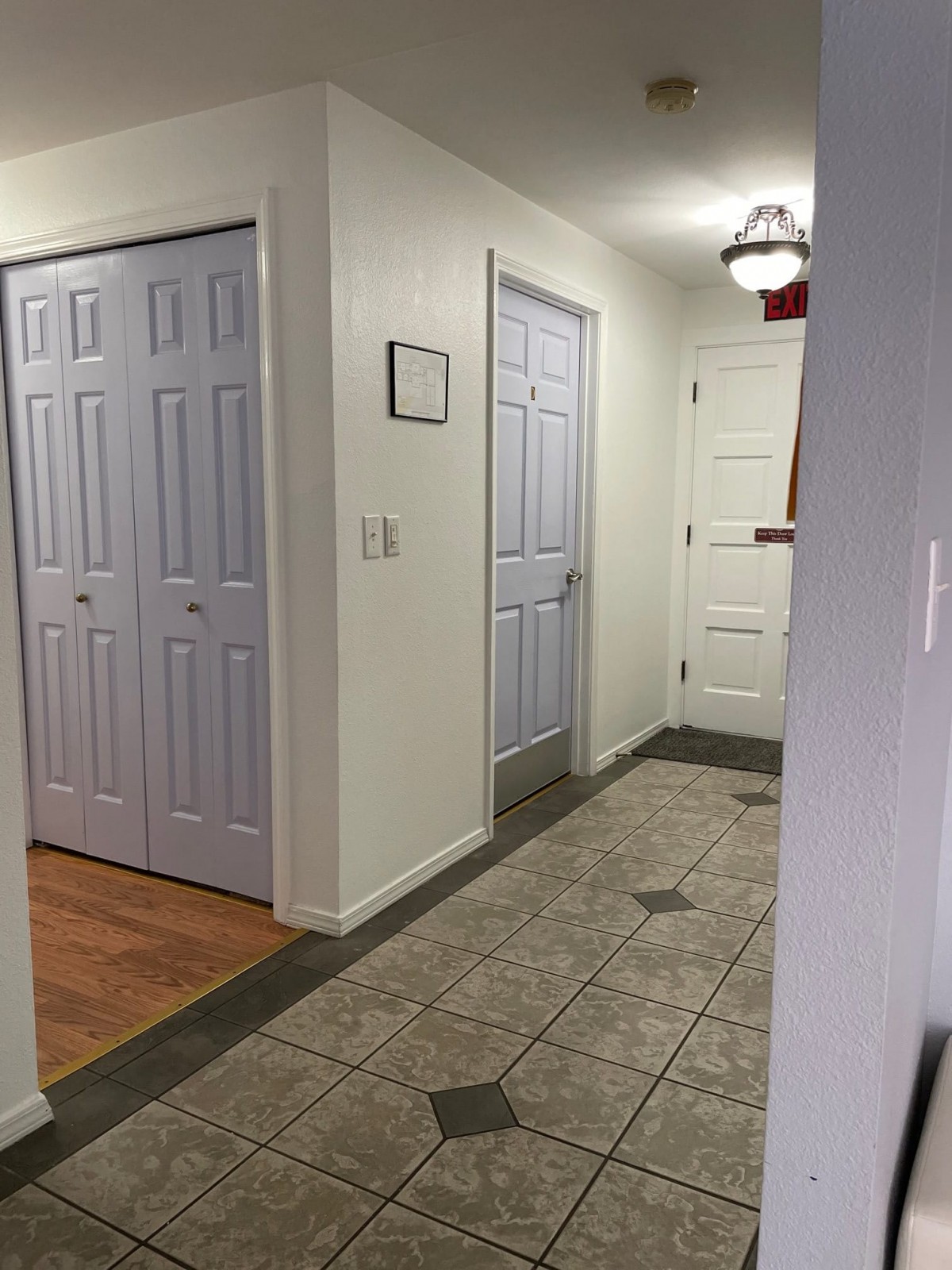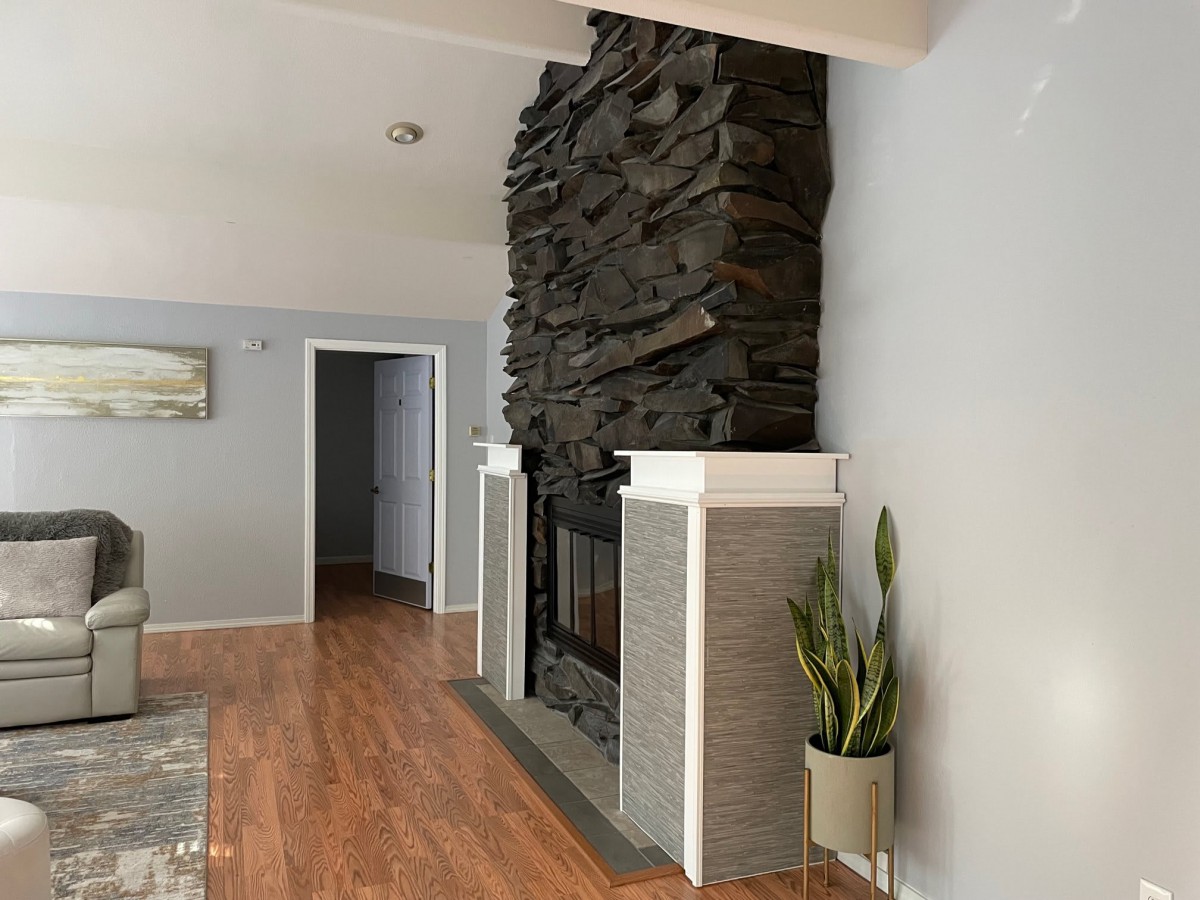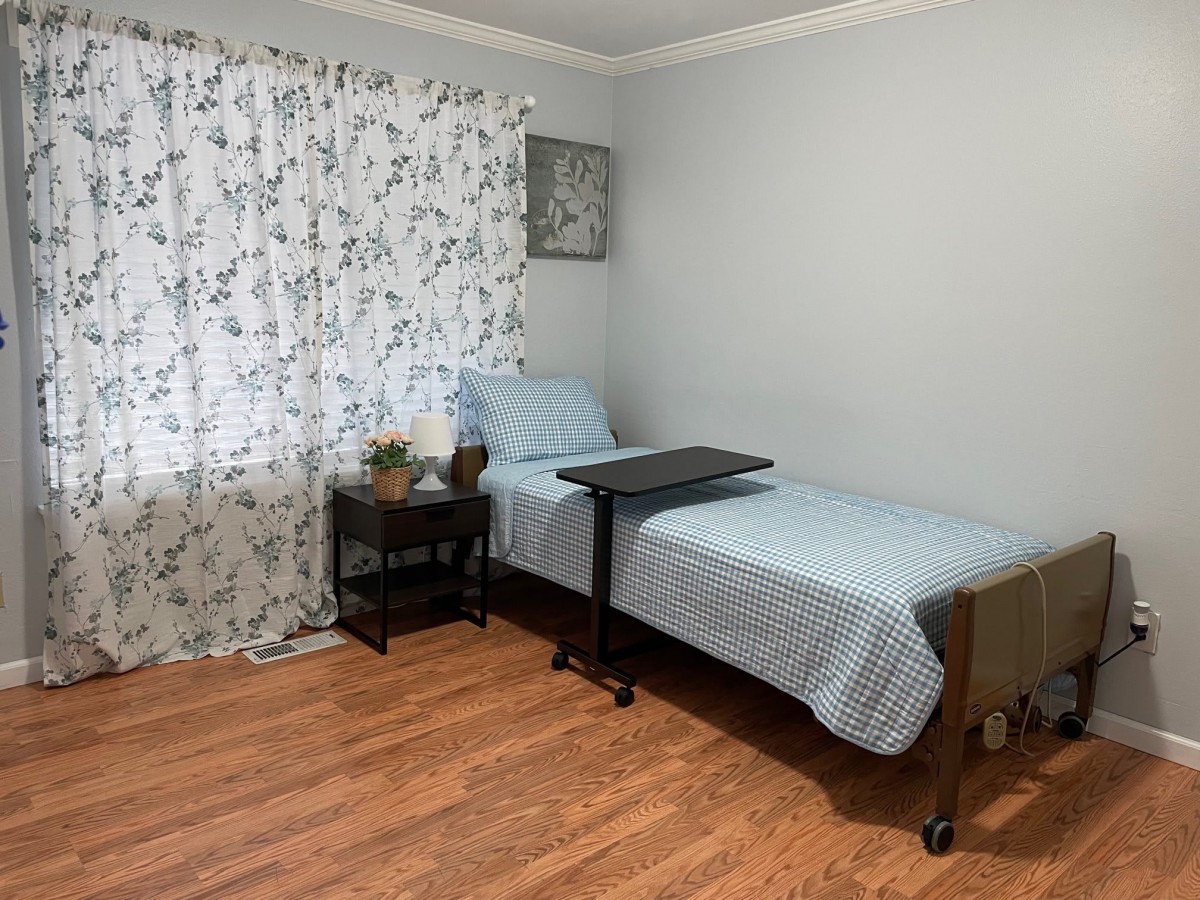
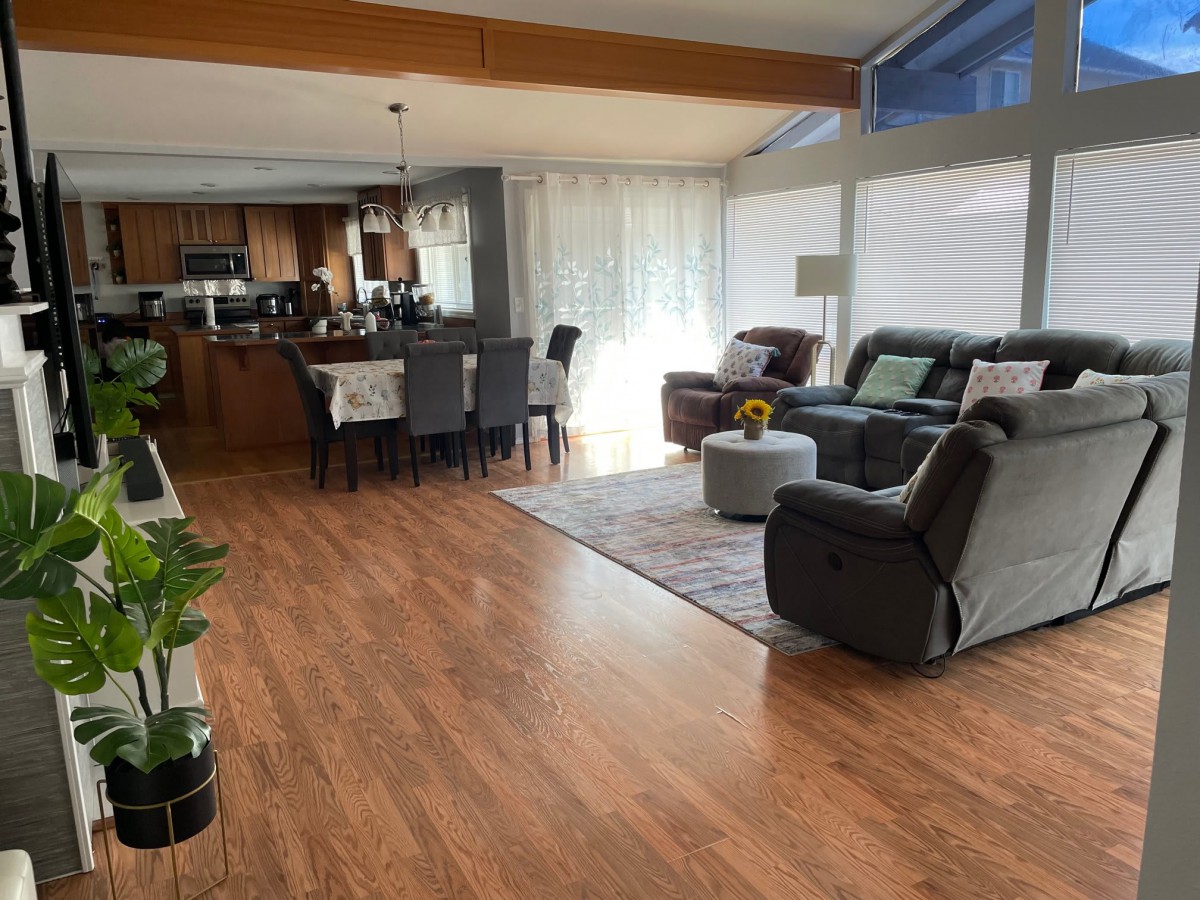
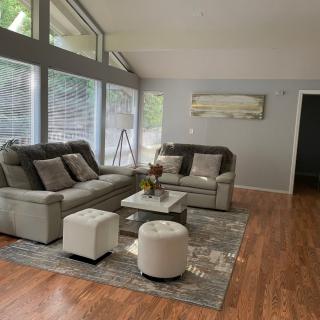
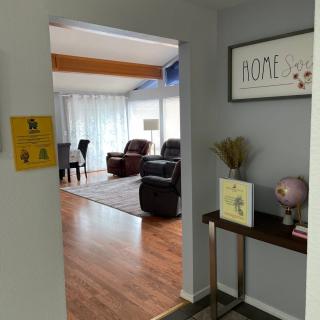
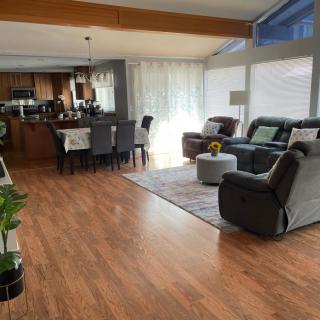
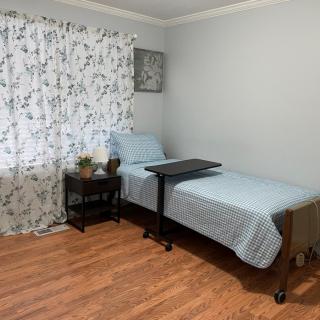
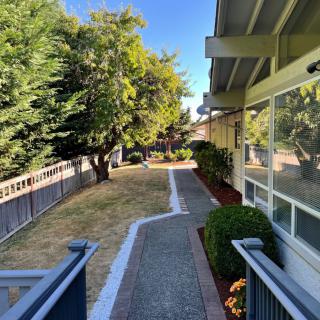
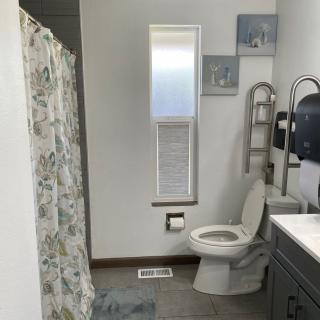
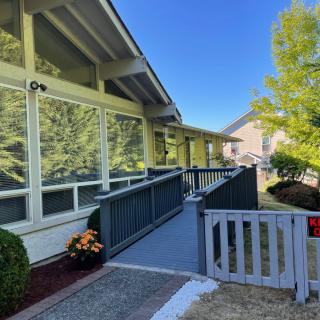
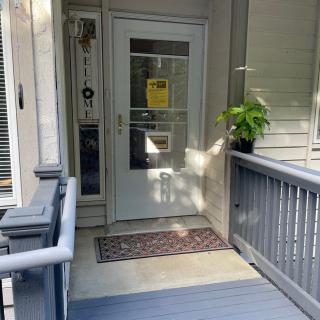
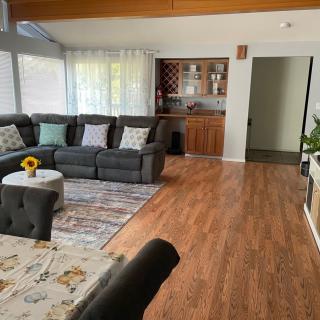
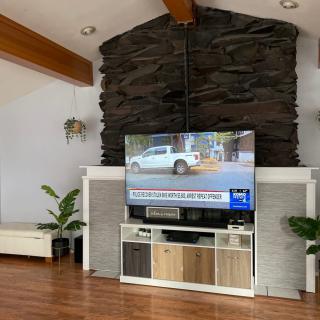
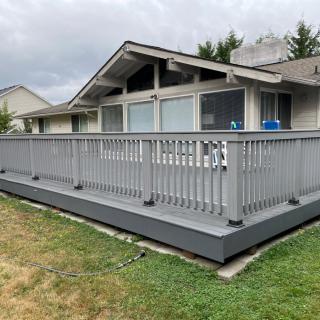
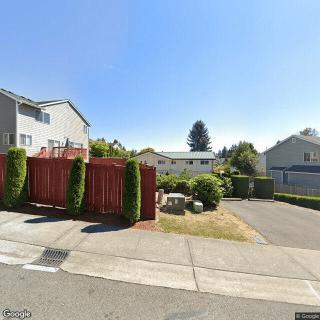
24115 119th Pl SE, Kent, WA 98030
To contact a resident: (253) 220-8334
For more information about senior living options: (866) 208-4318
Emma and Ella Adult Family Home LLC Costs & Pricing
At Emma and Ella Adult Family Home LLC, the monthly costs for both private and semi-private room accommodations are set at $6,000. This pricing is notably higher than the averages observed in King County, where private rooms typically cost around $5,034 and semi-private rooms are approximately $4,430. When looking at the broader state of Washington, the trend continues with private rooms averaging $4,772 and semi-private options at about $4,267. The pricing at Emma and Ella suggests a premium service offering or unique amenities that may justify these elevated rates compared to local and state averages.
| Floor plans | Emma and Ella Adult Family Home LLC | King County | Washington |
|---|---|---|---|
| Private | $6,000 | $5,034 | $4,774 |
| Semi-Private | $6,000 | $4,430 | $4,272 |
Senior living communities with a similar price nearby
-
from +$400 / mo

The Park at Belle Harbour
$6,400 to $15,500 / month16.9 miles away -
About the same
Elderly Home Care
$6,000 to $8,000 / month24.4 miles away -
from -$250 / mo

Fieldstone Rolling Bay and Fieldstone Memory Care
$5,750 to $8,895 / month24.2 miles away -
from -$500 / mo

Twin Lake Adult Family Home
$5,500 to $6,500 / month10.5 miles away -
from -$1000 / mo
AA Residential Care
$5,000 / month24.9 miles away
Overall Review of Emma and Ella Adult Family Home LLC
Pros
 The staff at AA was incredible.
- They took really good care of her sister.
- They showed compassion and genuine concern for her well-being.
- The reviewer highly recommends this place for care.
- The staff feel like family.
- Dad is happy and well cared for.
- He enjoys the variety of foods prepared for meals.
- The facilities are expensive but worth it because dad is well cared for.
Cons
 They walked out of several places, knowing they were not where they would want to be, and thus wouldn’t move their dad there.
- They found the facilities to be expensive.
- They were unaware of activities and could not rate them.
Review
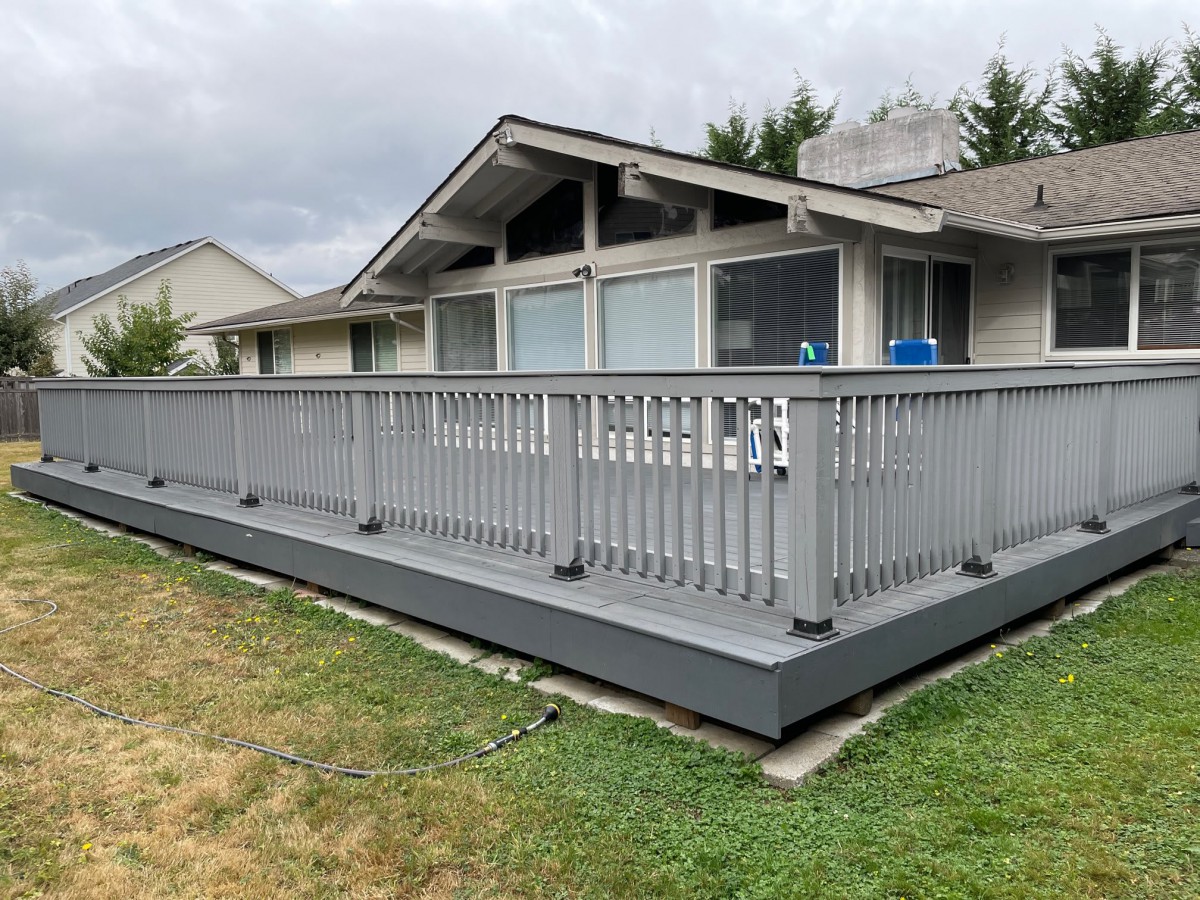
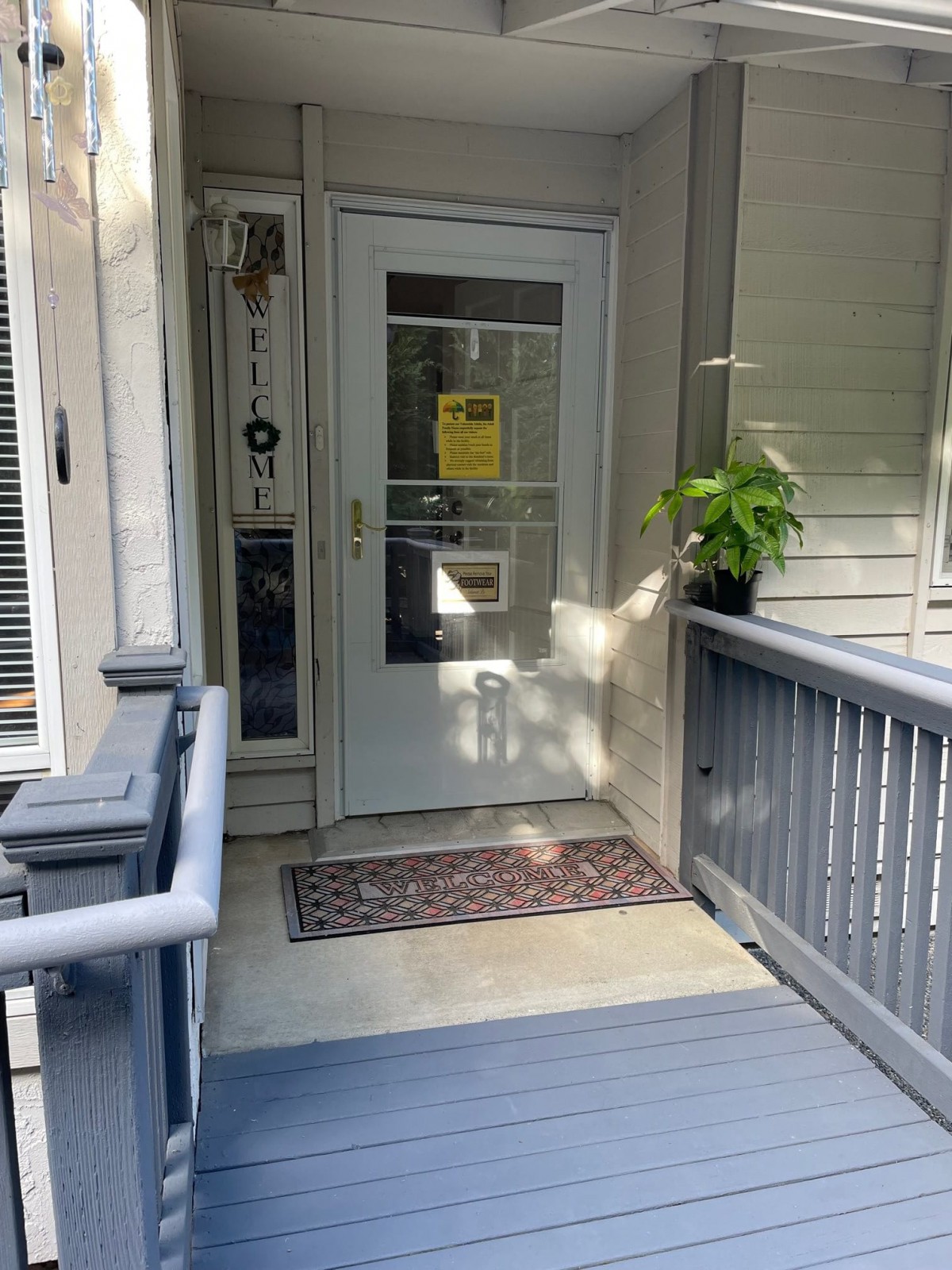
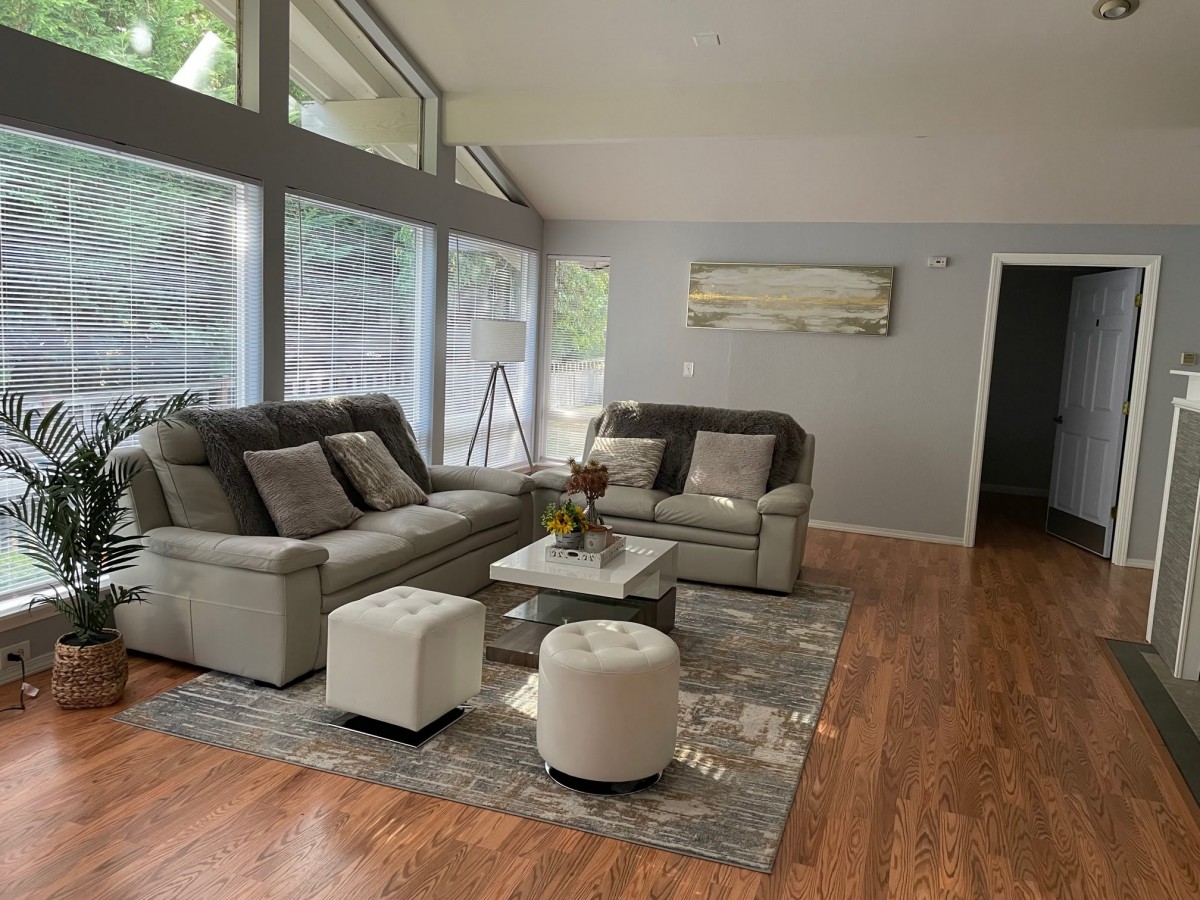
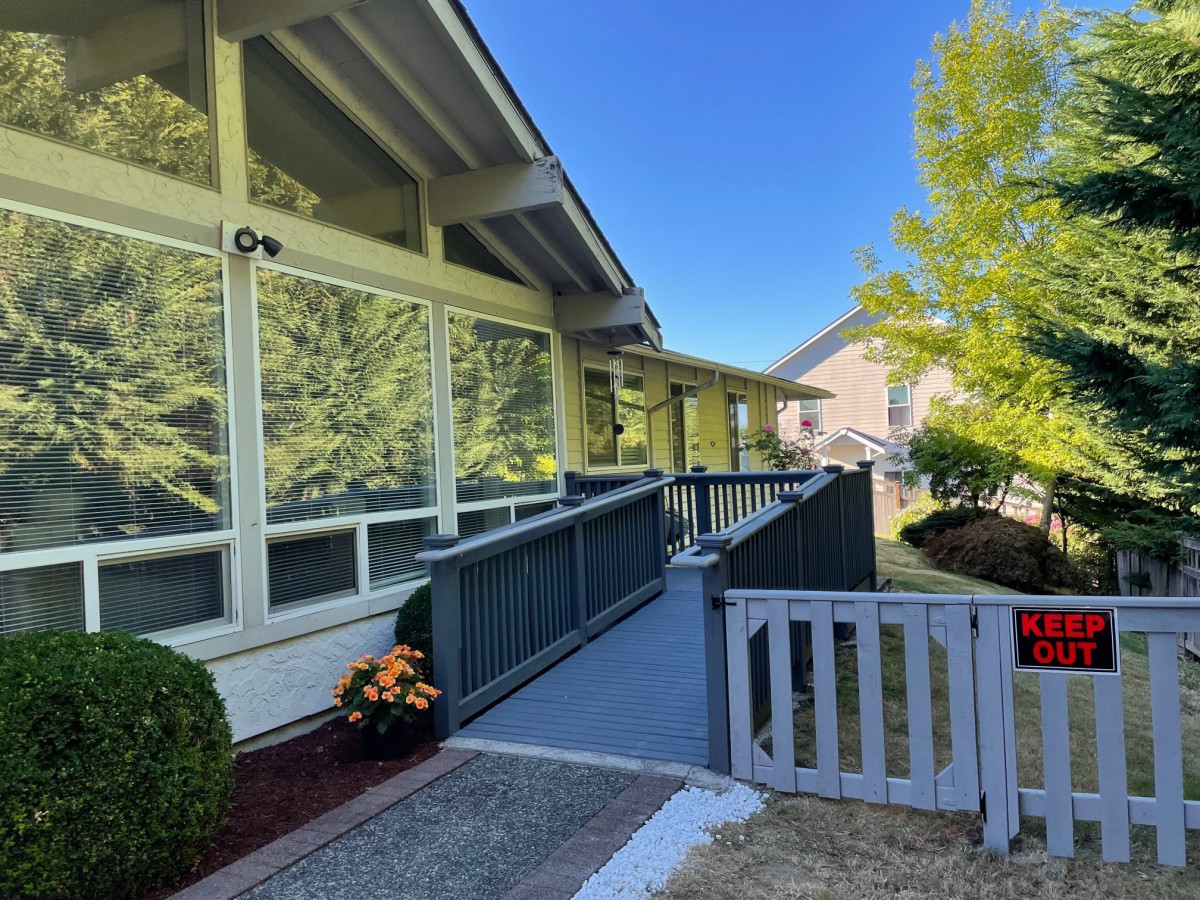
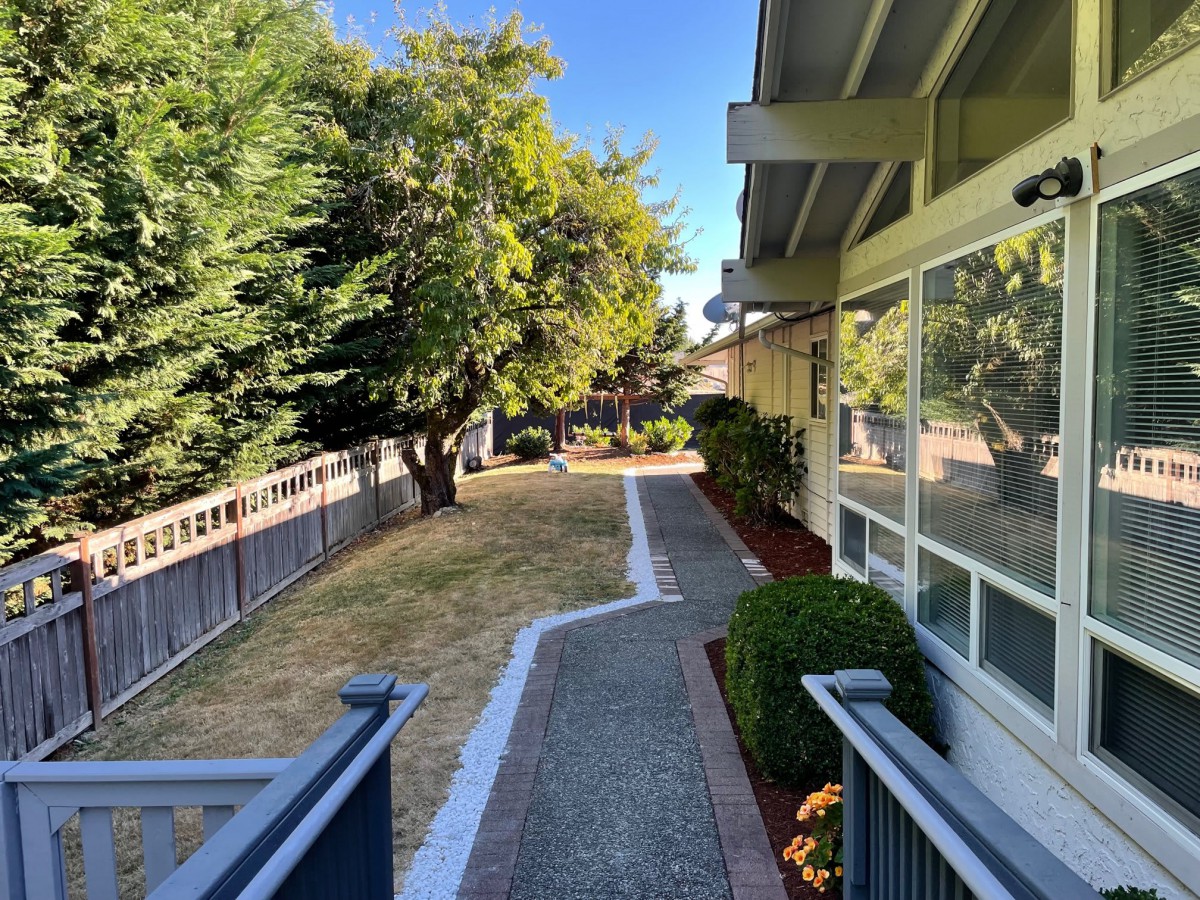
This community is best suited for families seeking a small, intimate setting where caregivers deliver close, personalized attention and a home-like atmosphere. Emma and Ella Adult Family Home LLC in Kent, WA appears to excel at building real connections between staff, residents, and families, with care that feels consistent, compassionate, and deeply attentive. It favors an approach that treats each resident as a valued member of a caring “extended family,” rather than as a number in a large campus. For seniors who prioritize daily reassurance, predictable routines, and a sense of belonging, this setting can deliver markedly better day-to-day wellbeing than more impersonal options.
Alternatives are worth considering for several reasons. If structured programming with robust daily activities is a top priority, this may not be the strongest match. Families balancing tight budgets or seeking a clearly defined, transparent cost structure may also want to compare other communities, since price is flagged as a meaningful consideration. Additionally, for those who want a wider range of social, educational, or entertainment engagements embedded in a larger environment, larger assisted living facilities could provide the breadth of programming that a smaller home may not routinely offer.
On the upside, the standout pros center on people and atmosphere. Reviews repeatedly praise the staff as incredible, showing compassion and genuine concern for residents’ wellbeing. That level of warmth translates into daily trust and a sense that loved ones are truly cared for, which can dramatically ease family worry. The environment itself reinforces this impression: a clean, well-maintained home where routines feel steady and predictable. The sense of family-like bonding is not incidental; it shapes how residents experience daily life and how families perceive ongoing care.
The notable downsides cluster around two practical gaps. First, there is a lack of clarity about activities and structured engagement opportunities. One family highlights enjoying meals and feeling well cared for, but does not indicate how social programs or recreational offerings are organized or scheduled. Second, cost is described as high; while care quality is deemed worth the price by some, the premium nature of fees will be a decisive factor for families with tighter budgets or those comparing value across communities. The combination of high cost and uncertain programming can tilt decisions toward alternatives for some households.
Despite these caveats, the favorable elements can substantially offset the main concerns for the right buyer. The intimate, hands-on care model tends to reduce stress for residents and families, since staff accessibility and responsiveness are easier to gauge in a smaller setting. Cleanliness and meal quality, specifically a variety of well-prepared foods, directly impact daily comfort and nutrition, which matters a great deal for ongoing health and satisfaction. The “feels like family” vibe also lowers anxiety around transitions, fosters trust, and often translates into more consistent, attentive supervision, key factors when evaluating whether a loved one can thrive at home.
In the end, families weighing Emma and Ella should align their decision with core priorities. If a heartfelt, attentive caregiving team in a cozy, family-oriented setting is paramount, and there is room in the budget for a premium price, this community presents a compelling choice. If the plan hinges on a robust activity calendar, explicit programming schedules, or cost-sensitive budgeting, it is prudent to explore alternatives that provide clearer programming and more transparent pricing. A careful due diligence process, visiting in person, requesting sample menus, asking for a detailed activity lineup, and discussing staffing ratios, will crystallize whether Emma and Ella meets the resident’s needs or if another option better fits the family’s goals.
 Board and Care Home
 Cable or satellite TV
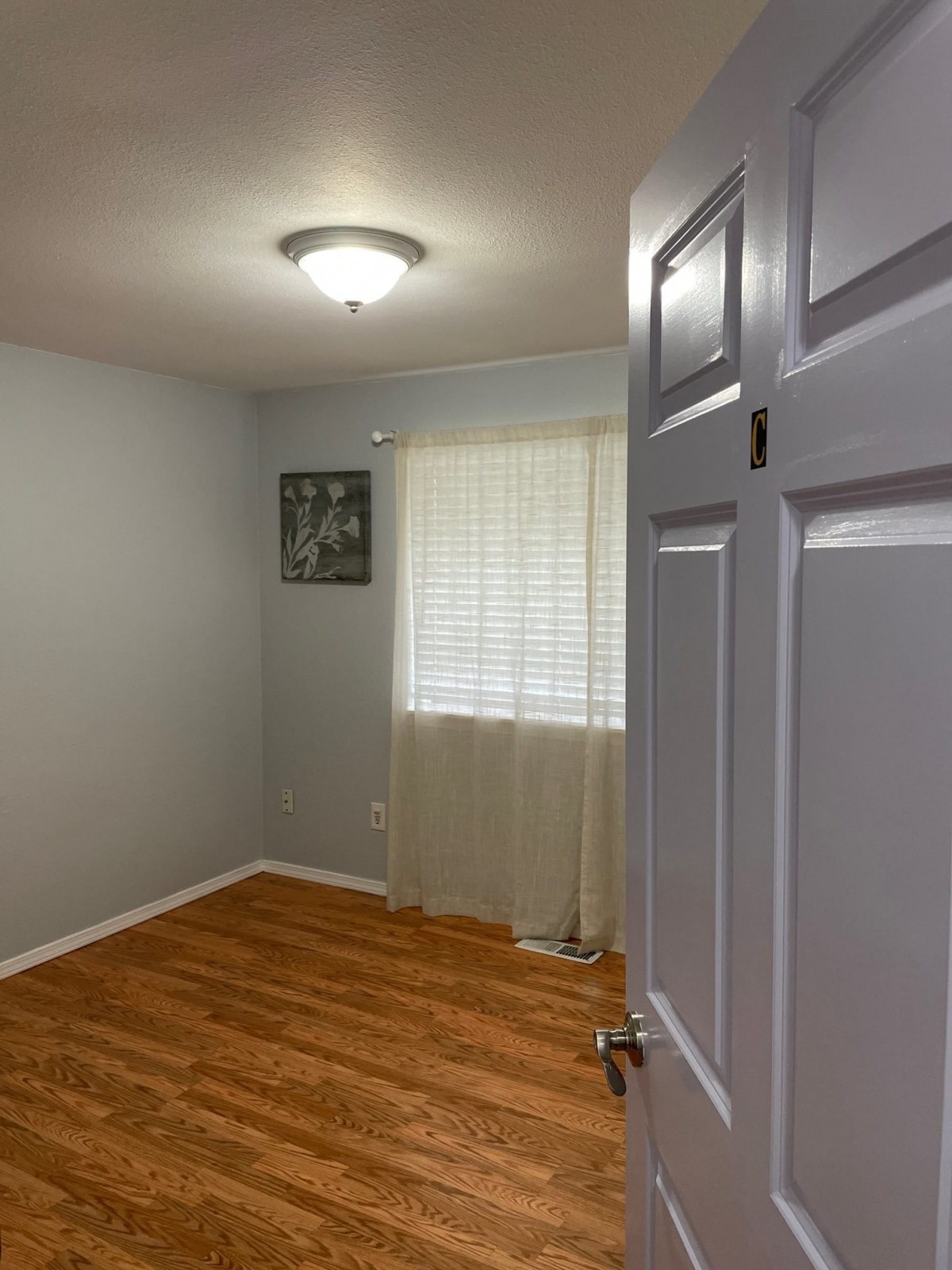
 Private
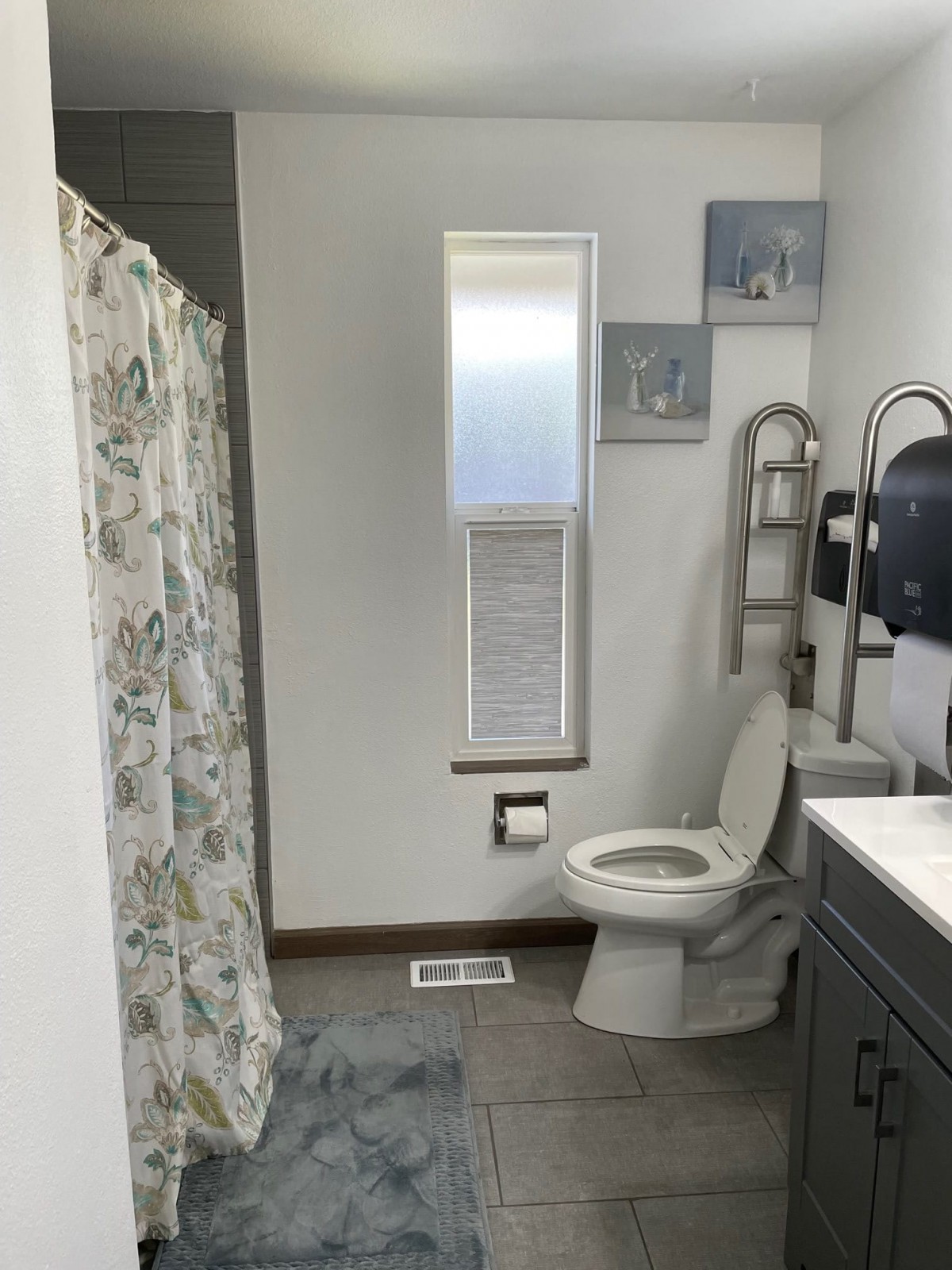
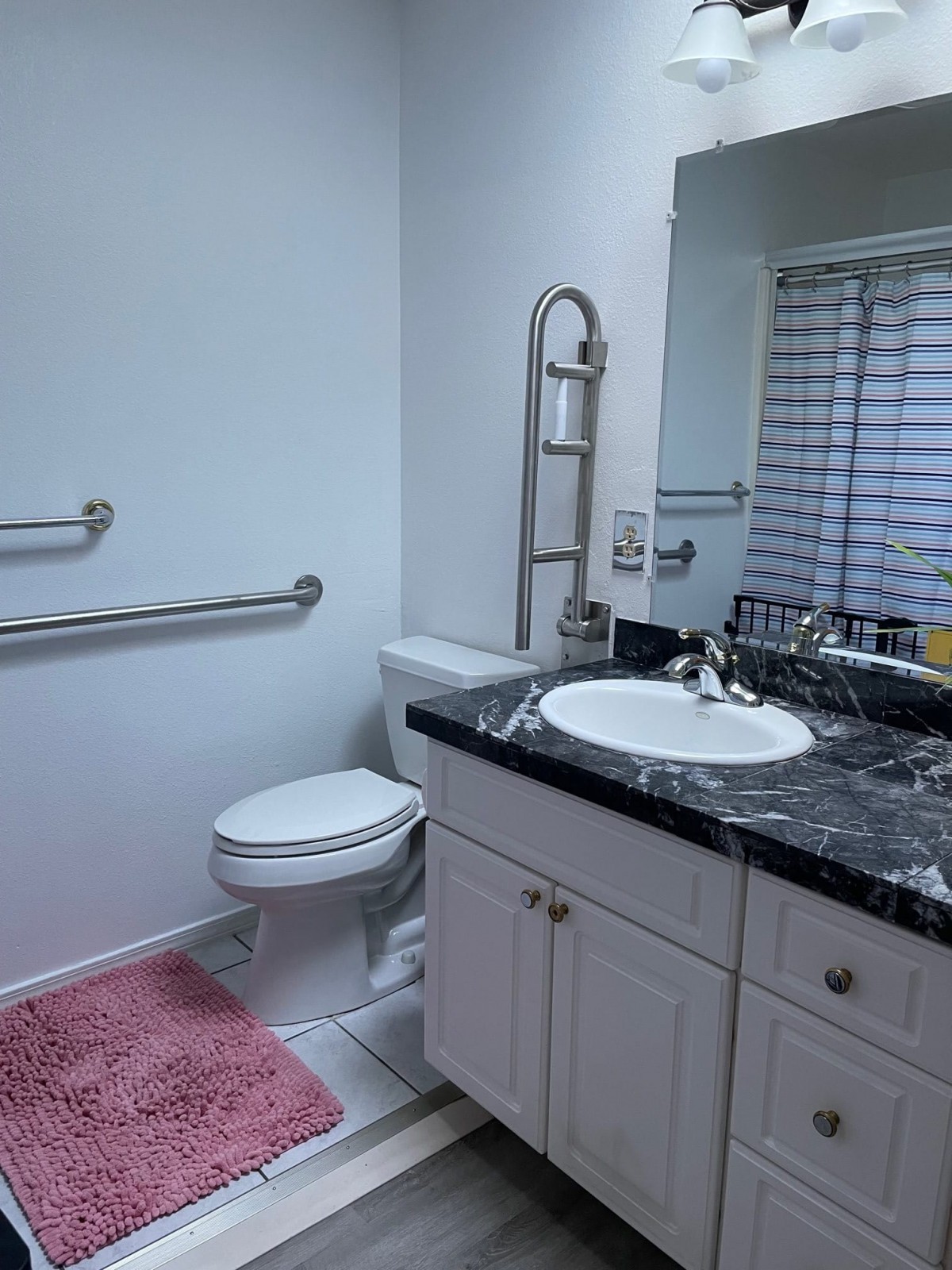
 Private bathrooms
 Wi-Fi/high-speed internet available
 Seattle-Tacoma International (7 miles away)
 Diabetic care
 High acuity care
 Incontinence care
 Medication management
 Gluten-free
 BBQs or picnics
 Catholic services
 Karaoke

 Urinary Tract Infections in Older Adults: Comprehensive Insights on Symptoms, Treatment, and Prevention
 California's Form 602A: An In-Depth Examination of Senior Care Assessment
 Comprehensive Look at Senior Blood Pressure Charts: Normal and Elevated Levels by Age